The rise of autonomous trucks has sparked both excitement and concern across the trucking industry. While some believe self-driving technology will completely replace human drivers, others argue that these vehicles will only serve as an aid rather than a replacement. With advancements in artificial intelligence, sensor technology, and government regulations, the landscape of trucking is shifting rapidly.
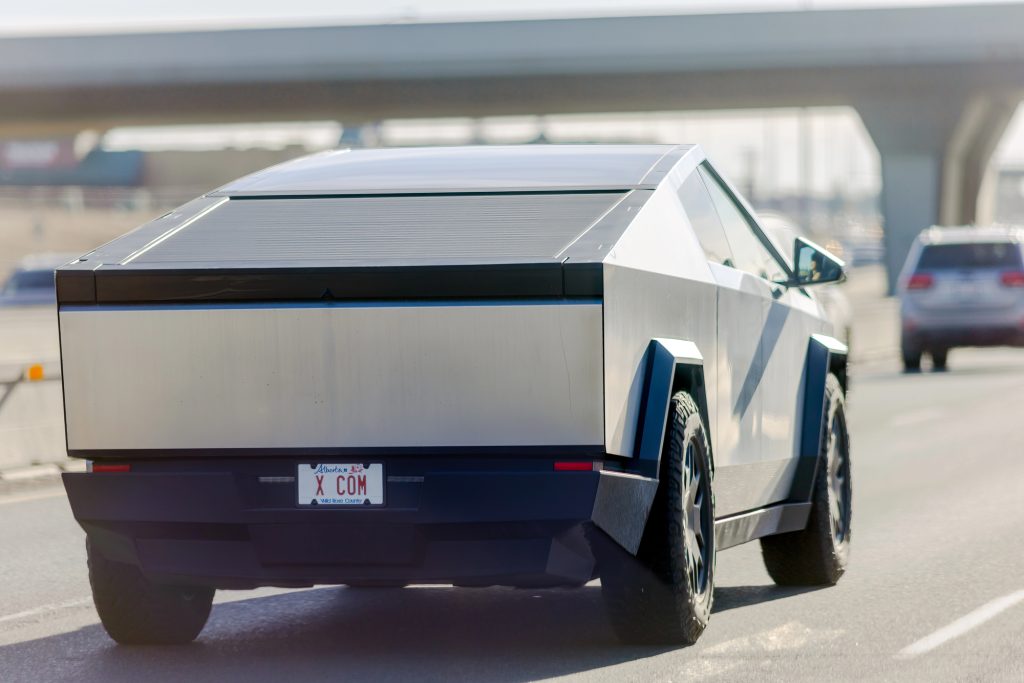
Tesla Semi

Tesla’s Semi truck features an advanced autopilot system with enhanced lane-keeping, adaptive cruise control, and automatic braking. While it aims to improve safety and efficiency, it still requires driver supervision, making it a level 2 autonomous vehicle. Tesla envisions a future with fully autonomous capabilities, but legal and technological barriers keep it from completely replacing drivers for now.
Waymo Via

Waymo, a subsidiary of Alphabet, has been leading the charge in autonomous vehicle development and is now testing its Waymo Via truck fleet. These trucks utilize lidar, radar, and AI-powered decision-making to navigate highways safely. Despite their impressive performance, they still rely on human operators for certain complex driving conditions.
Embark Trucks

Embark has focused on creating a software platform that enables traditional trucks to operate with self-driving capabilities on highways. These trucks hand over control to human drivers when navigating city roads and loading docks. Embark’s goal is to optimize highway logistics while keeping truckers employed for last-mile operations.
Aurora Innovation

Aurora has developed an autonomous trucking platform that integrates machine learning and advanced sensors to enhance long-haul efficiency. Their technology is designed to work in conjunction with human drivers rather than replace them entirely. Companies partnering with Aurora still see a future where drivers play a critical role in trucking logistics.
Related: 13 Powerful Cars Used by U.S. Police Departments Nationwide
TuSimple

TuSimple is a self-driving trucking company that has already completed autonomous deliveries on select routes in the U.S. and China. Their system uses high-definition mapping and AI to detect obstacles, change lanes, and manage speed. Despite their success, regulations still require a human driver to be present as a backup.
Related: 13 Insane Ways Remote Work Is Turning Cars Into Mobile Offices
Plus AI
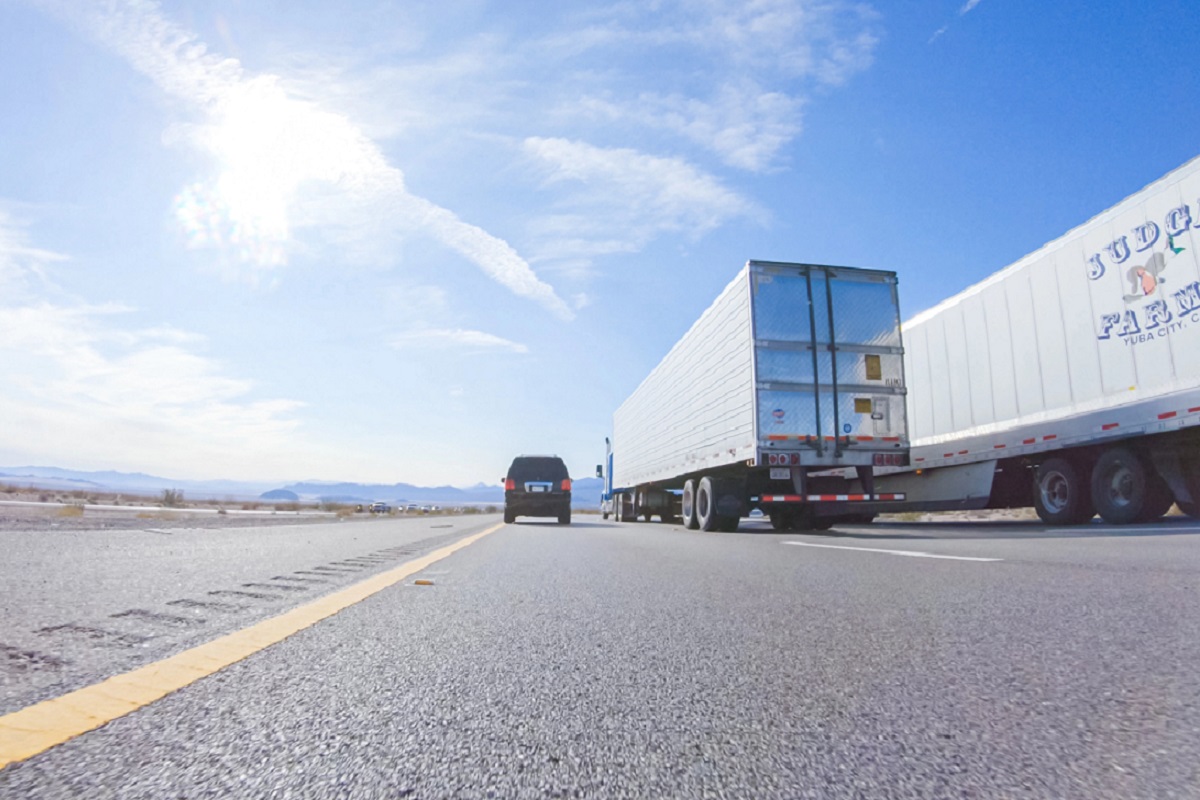
Plus, AI has built an automated driving system that enhances fuel efficiency, safety, and reliability. Their trucks are capable of handling long highway stretches autonomously but require a driver to intervene in complex situations. This hybrid approach showcases how automation can work alongside human expertise rather than eliminate it.
Related: 11 Youngest Formula 1 Drivers In The History Of Car Racing
Daimler Freightliner Inspiration

Daimler’s Freightliner Inspiration truck is equipped with Highway Pilot technology, allowing semi-autonomous highway driving. It assists drivers by maintaining safe distances, adjusting speed, and keeping within lanes, but it is not designed to function without human oversight. Daimler maintains that truckers will always be needed, but their jobs will evolve alongside automation.
Related: 11 Most Dominant McLaren Drivers Who Ruled The Track
Volvo Autonomous Solutions

Volvo has invested in autonomous truck development, focusing on increasing operational efficiency while maintaining human oversight. Their self-driving trucks are already used in mining and port operations, where controlled environments make automation easier. However, Volvo acknowledges that open-road trucking will still require human intervention for many years.
Related: 13 Jaw-Dropping Reasons Car Lovers Are Obsessed With AI-Powered Vehicles
Starsky Robotics (Defunct)

Starsky Robotics attempted to create fully autonomous trucks but shut down due to technological and financial difficulties. The company faced challenges in adapting to unpredictable road conditions, highlighting the limitations of full autonomy. Their failure demonstrated that replacing human drivers is far more complex than initially anticipated.
Related: 13 Mind-Blowing Battery Innovations That Will Kill The Gas Pump Forever
Kodiak Robotics

human interaction. Their focus is on safety and operational efficiency, ensuring autonomous trucks can handle various driving conditions. However, they still depend on human oversight for troubleshooting and high-risk driving scenarios.
Related: 11 Honda Ridgeline Secrets That Will Instantly Upgrade Your Ride
Einride Pod

Einride has introduced a cabless, fully electric autonomous truck known as the Pod, which is designed for short-distance freight transportation. The absence of a driver’s cabin showcases a potential future where some trucking jobs may be eliminated. However, these vehicles are still limited to controlled environments and cannot yet replace long-haul truckers.
Related: 12 Shocking Truths About Electric Off-Roaders That Will Change How You See Them
Scania Autonomous Transport

Scania is testing self-driving trucks in industrial settings, moving goods within controlled environments like ports and warehouses. While their trucks can operate without drivers in these limited scenarios, highway autonomy remains a challenge. Scania acknowledges that full automation is still a long way from replacing human-driven trucking operations.
Related: 12 Stunning Ways Solar-Powered Cars Will Change How We Buy And Drive
Autonomous trucks have made incredible strides in recent years, but full replacement of human drivers remains an unlikely scenario for now. The technology still faces major challenges, including legal restrictions, unpredictable road conditions, and the need for human intuition in complex situations. Instead of eliminating jobs, automation is more likely to redefine trucking roles, making them safer and more efficient. Many companies see self-driving trucks as a tool to assist drivers rather than replace them.
Disclaimer: This list is solely the author’s opinion based on research and publicly available information.
The Dark Side Of Self-Driving Cars No One Wants To Talk About

Self-driving cars are often hailed as the future of transportation, promising safety, convenience, and efficiency. These autonomous vehicles are marketed as a revolution in mobility, eliminating human error and reducing traffic congestion. However, beneath the surface of these technological marvels lie serious concerns that many overlook. From ethical dilemmas to cybersecurity threats, these issues raise questions about the true cost of autonomous vehicles, challenging the utopian vision painted by their advocates. Here are unsettling realities of self-driving cars that few are willing to discuss.
Read it here: The Dark Side Of Self-Driving Cars No One Wants To Talk About
11 Startling Reasons People Still Don’t Trust Self-Driving Cars

Self-driving cars promise to revolutionize transportation by offering convenience, efficiency, and safety. However, despite rapid advancements in artificial intelligence and automation, many people remain skeptical about fully autonomous vehicles. Concerns over technology failures, ethical dilemmas, and real-world safety challenges prevent widespread acceptance. Here are 11 startling reasons why people still don’t trust self-driving cars.
Read it here: 11 Startling Reasons People Still Don’t Trust Self-Driving Cars
11 Mind Blowing Ways 5G is Revolutionizing Driving

The rise of 5G technology is set to revolutionize the driving experience, enhancing everything from vehicle connectivity to road safety. With faster data speeds, ultra-low latency, and seamless communication, 5G is paving the way for smarter, safer, and more efficient transportation. From autonomous driving advancements to real time navigation improvements, here are 11 mind-blowing ways 5G is transforming how we drive.
Read it here: 11 Mind Blowing Ways 5G is Revolutionizing Driving