Algae biofuels have been hailed as a sustainable alternative to fossil fuels, promising high energy yields with minimal environmental impact. However, beneath the surface, significant challenges threaten their widespread adoption and economic viability. From high production costs to unforeseen ecological effects, algae biofuels are not the perfect solution many believe them to be.
High Production Costs Limit Commercial Viability

Producing algae biofuels requires expensive equipment, infrastructure, and technology. The cost of maintaining controlled environments for algae growth is significantly higher than traditional biofuels. These financial barriers make large scale production economically unfeasible for many companies. Until costs decrease, algae biofuels will struggle to compete with petroleum-based fuels.
Energy-Intensive Cultivation Methods

Growing algae for fuel demands constant monitoring of water, light, and nutrients. The artificial systems used to cultivate algae often consume large amounts of electricity, offsetting their environmental benefits. This high energy input reduces overall efficiency, making algae biofuels less sustainable than initially thought. Unless renewable energy sources power these systems, their carbon footprint remains substantial.
Water Consumption is Excessive

Algae cultivation requires massive amounts of freshwater, which poses a problem in drought-prone areas. Large-scale algae farms can deplete local water supplies, leading to competition with agricultural and municipal needs. Seawater alternatives exist, but they require costly processing and specialized algae strains. This dependency on freshwater raises concerns about long-term sustainability.
Risk of Contamination in Open Ponds

Open pond systems, a common method for growing algae, are vulnerable to contamination from invasive species and pollutants. Bacteria, viruses, and unwanted algae strains can quickly take over, reducing biofuel yields. Contaminated ponds require costly cleaning and re-cultivation, disrupting production cycles. This unpredictability makes open pond systems risky for large-scale adoption.
Related: 15 Futuristic Auto Features That Feel Straight Out of a Sci-Fi Movie
Limited Land Availability for Large-Scale Production

Despite claims that algae farms can be established anywhere, they require significant land and infrastructure. Coastal areas may be viable, but inland production competes with agriculture and urban expansion. Scaling up algae biofuel operations without disrupting existing land use is a major challenge. Finding suitable locations without causing environmental conflicts remains a hurdle.
Related: 14 Shocking Reasons Owning a Car Could Soon Be Obsolete
Nutrient Demand Can be Environmentally Harmful

Algae require high amounts of nitrogen, phosphorus, and other nutrients for rapid growth. Sourcing these nutrients at scale often leads to increased agricultural runoff, contributing to water pollution. If synthetic fertilizers are used, the sustainability of algae biofuels is further compromised. Finding eco-friendly nutrient sources without harming ecosystems is a critical concern.
Related: 13 Shocking Truths About The Trade War That Dealership Won’t Tell You
Harvesting and Extraction are Technologically Challenging

Harvesting algae and extracting usable biofuels require advanced separation and processing techniques. Many of these methods involve energy-intensive steps that reduce overall efficiency. Some approaches rely on chemical solvents, which can introduce environmental hazards. Until extraction processes become more efficient, algae biofuels will remain difficult to scale.
Related: 15 Fastest Cars Every Major Brand Is Building Right Now
Slow Growth Rates in Natural Conditions

While some algae strains grow quickly in controlled environments, natural conditions often slow their reproduction. Climate fluctuations, seasonal changes, and unpredictable weather patterns affect production consistency. Dependence on artificial conditions increases costs and energy use. Improving algae strains to thrive in diverse climates is essential for viability.
Related: 11 Best 9-Seater SUVs That Are Surprisingly Luxurious And Practical In 2025
Uncertain Carbon Sequestration Benefits

Algae absorb carbon dioxide during growth, but whether this offsets emissions from production is unclear. Energy use in cultivation, transportation, and processing may negate carbon capture benefits. If algae biofuel production relies on fossil fuel energy, net emissions could still be high. Life-cycle analysis is needed to determine actual environmental impact.
Related: 11 Best-Looking SUVs of 2025 That Rival Other Cars
Economic Uncertainty and Market Instability

The algae biofuel industry remains volatile, with fluctuating funding and uncertain long-term profitability. Market instability makes it difficult for businesses to invest in large-scale production. Without financial incentives and stable demand, companies hesitate to commit resources. The industry’s future depends on consistent investment and government support.
Related: 11 Formula 1 Circuits That Gave Champions Their Worst Nightmare
Ethical and Political Barriers to Expansion

Biofuel production often faces opposition from environmental groups, policymakers, and competing industries. Concerns about resource allocation, pollution, and sustainability create regulatory hurdles. Without clear policies and ethical guidelines, algae biofuels remain controversial. Navigating these social and political challenges is crucial for future growth.
Related: 15 Affordable High Performance Cars That Will Blow Your Mind In 2025
While algae biofuels offer a promising alternative to fossil fuels, they come with significant challenges that must be addressed. High production costs, energy demands, and environmental concerns hinder large-scale adoption. Without technological advancements and strong government backing, algae biofuels will struggle to compete with established energy sources.
Disclaimer: This list is solely the author’s opinion based on research and publicly available information.
12 Alternative Fuels That Could Make Gas Cars Obsolete

As the world shifts toward sustainability, alternative fuels are gaining traction as viable replacements for gasoline. These fuels promise lower emissions, increased efficiency, and reduced dependence on fossil fuels, paving the way for a cleaner transportation future. Here are 12 alternative fuels that could eventually render gas-powered cars obsolete.
Read it here: 12 Alternative Fuels That Could Make Gas Cars Obsolete
11 Costly Mistakes That Are Wearing Out Your Tires Too Fast
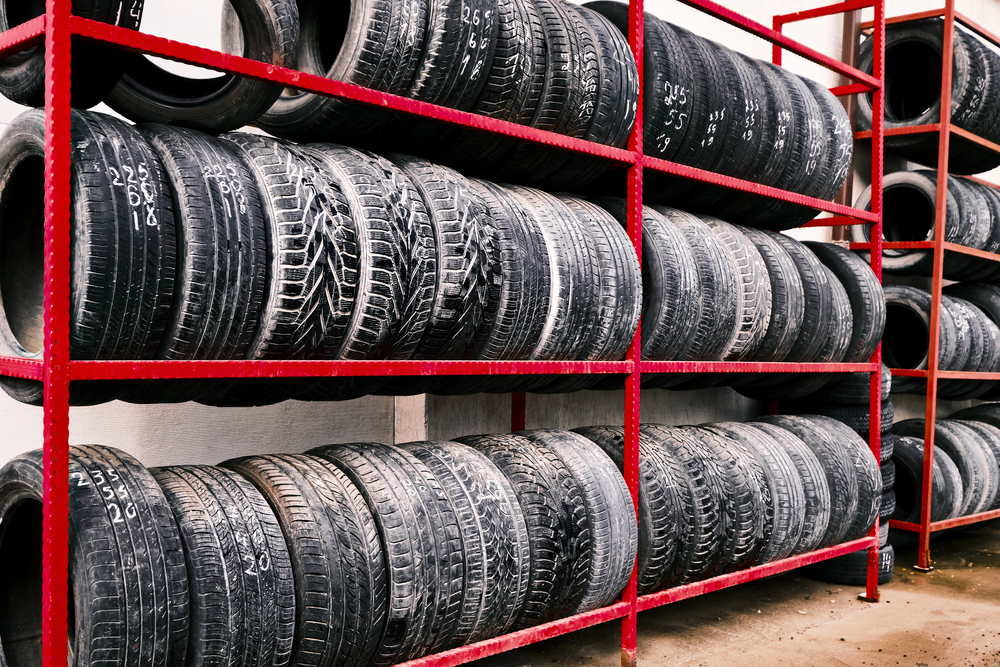
Tires are the unsung heroes of your car, always rolling, always gripping, and rarely getting the appreciation they deserve. But if you’re not careful, you could be shaving miles off their lifespan without even realizing it. From bad habits to simple maintenance mistakes, your tires could be wearing out way faster than they should. If you’re constantly replacing them (or feeling like you’re driving on slicks), it’s time to check if you’re making these costly errors.
Read it here: 11 Costly Mistakes That Are Wearing Out Your Tires Too Fast
15 Futuristic Auto Features That Feel Straight Out of a Sci-Fi Movie

The future of cars is evolving at an astonishing pace, bringing innovations that seem ripped from the pages of science fiction. From self-repairing exteriors to mind-controlled driving, these futuristic features redefine what’s possible on the road. Buckle up, here are 15 mind-blowing auto technologies that will make you feel like you’re living in a sci-fi blockbuster.
Read it here: 15 Futuristic Auto Features That Feel Straight Out of a Sci-Fi Movie
You’ll love these related posts:
- 15 Stunning Convertibles That Scream Luxury And Speed
- 12 Popular Asian Cars That Are Secretly Made in America
- 11 Performance Beasts That Might Be The Mustang GTD’s Worst Nightmare
- 11 Shocking Ways You’re Killing Your Manual Car Without Realizing It
- 13 Drop-Dead Gorgeous Mercedes Models That Will Make You Stare