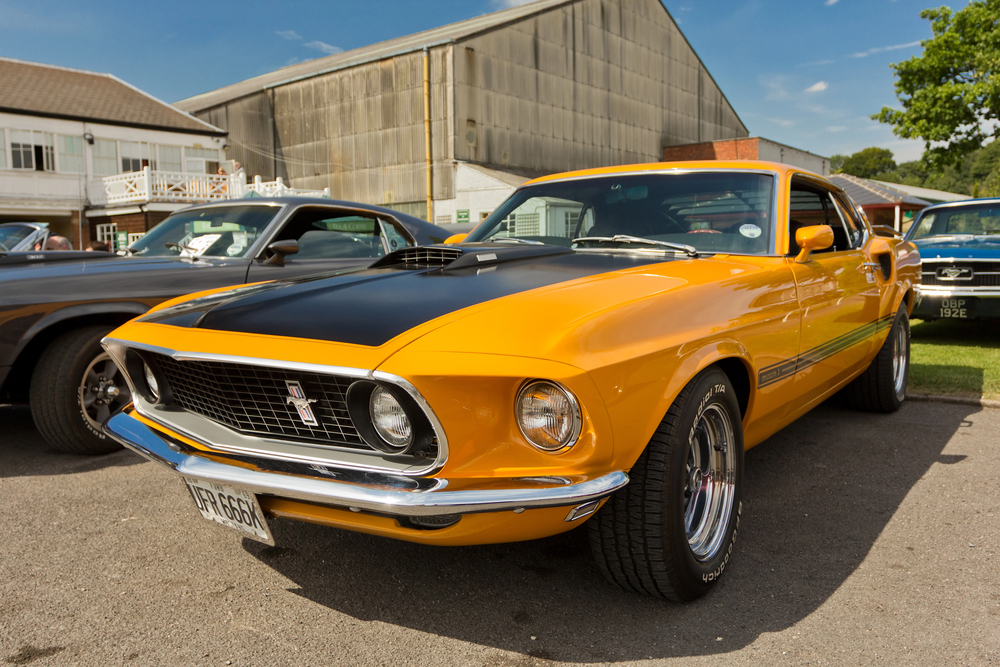
Automakers have experimented with various features over the years, some of which turned out to be outright dangerous. From poorly designed safety mechanisms to outright engineering flaws, these features transformed ordinary cars into rolling hazards. While they may have seemed innovative at the time, they ultimately put drivers and passengers at risk. Here are 12 outrageous car features that turned old cars into death traps.
Exploding Pint-Sized Gas Tanks

Some older cars, like the Ford Pinto, had gas tanks positioned in a way that made them prone to deadly explosions. A minor rear end collision could cause fuel leaks, leading to devastating fires. The flaw was well known, but manufacturers delayed addressing it due to cost concerns. This dangerous oversight resulted in tragic accidents and lawsuits.
Non-Collapsible Steering Columns

Before collapsible steering columns became standard, many vehicles had rigid columns that acted like spears in crashes. In a frontal collision, the steering column could impale the driver, causing severe or fatal injuries. This was a major issue in early muscle cars and sedans before regulations improved safety. The introduction of energy absorbing designs significantly reduced the risk.
Poorly Designed Seatbelts

Older seatbelt designs were often more harmful than helpful, with some featuring only lap belts that caused internal injuries in accidents. Early models in the 1950s and 1960s lacked three point seatbelts, leaving passengers vulnerable to whiplash and ejection. Some manufacturers even resisted installing seatbelts, arguing they were unnecessary. It took years of advocacy and regulations to make modern seatbelts a lifesaving standard.
Cheap and Weak Drum Brakes
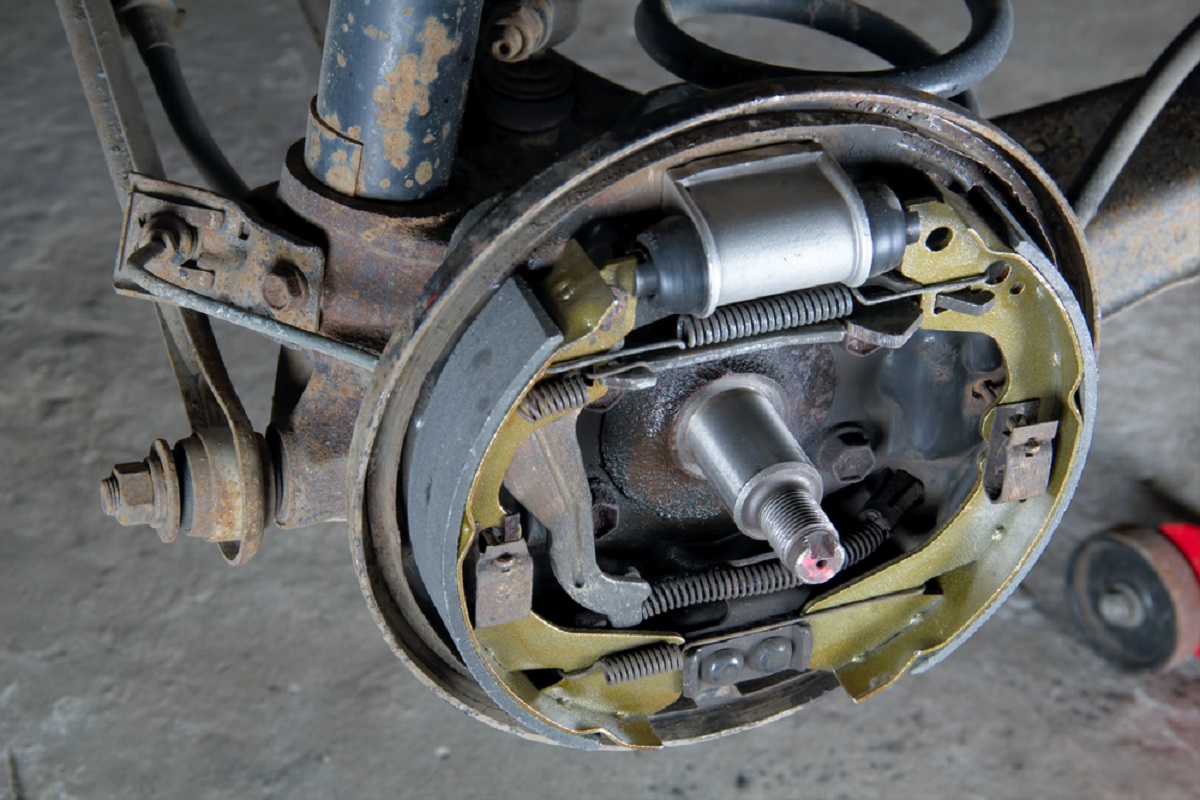
Before disc brakes became common, many vehicles relied on drum brakes that were prone to fading under heavy use. These brakes would overheat and lose effectiveness, making it difficult to stop at high speeds. Some cars, particularly large sedans and trucks, had dangerously long stopping distances. This flaw contributed to countless accidents before better braking technology became widespread.
Related: These 15 Cars Ruled Their Time and Became Cultural Phenomena
Dashboard-Mounted Ignition Switches

Older cars often had ignition switches located on the dashboard, making them a serious safety risk. In the event of a collision, the driver could be thrown forward into the key, causing serious abdominal or chest injuries. Some models, including classic American sedans, suffered from this hazardous design. Moving the ignition to the steering column significantly improved safety.
Related: 12 Budget-Friendly Sports Cars That Will Blow Your Mind
Razor-Sharp Hood Ornaments

Many luxury and classic cars featured hood ornaments that were stylish but dangerous in pedestrian collisions. These metal emblems could act like blades, increasing the severity of injuries upon impact. Rolls-Royce eventually introduced retractable hood ornaments to reduce this risk. Other manufacturers followed suit, phasing out rigid designs in favor of safer alternatives
Related: 15 Game Changing Car Tricks That Will Transform How You Drive
Hard Metal Dashboards
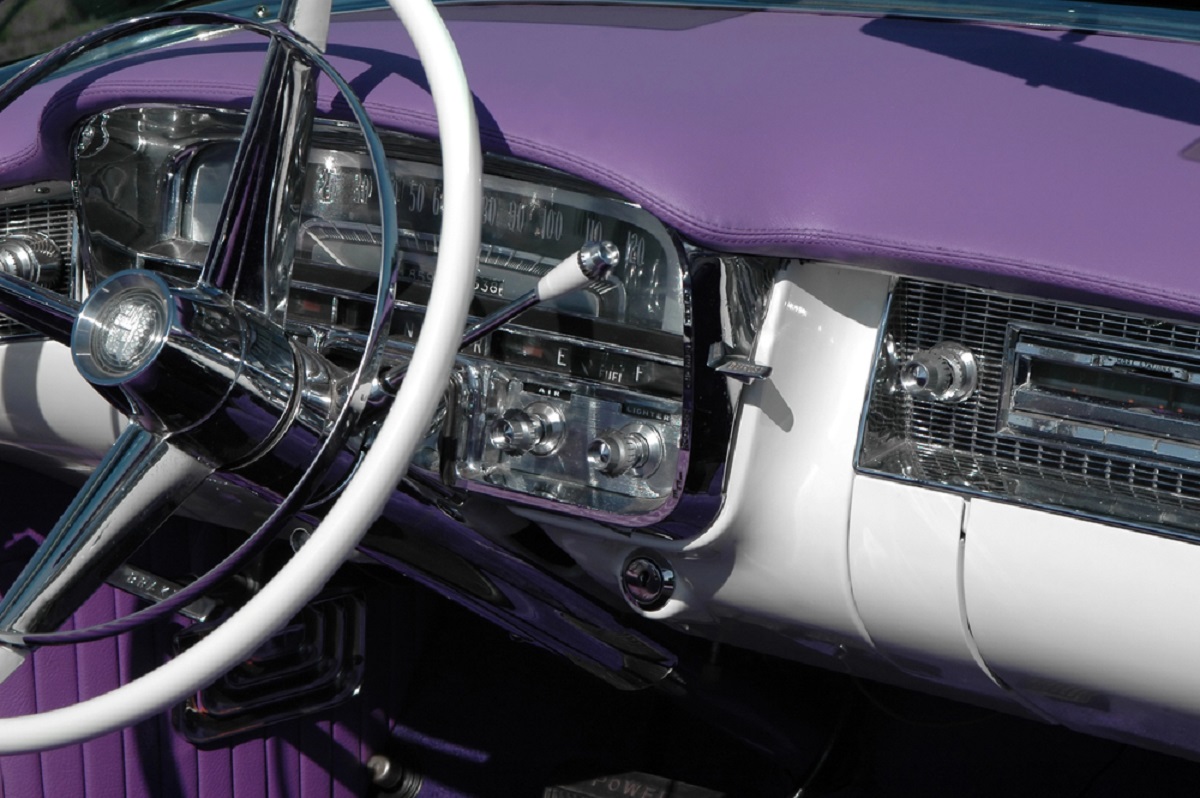
Early cars featured dashboards made entirely of metal, making even minor collisions deadly. Without padded surfaces or airbags, a driver’s head could easily smash into the dashboard, causing traumatic brain injuries. Automakers eventually realized the need for softer materials, leading to the introduction of padded dashes. The shift to safety focused interiors drastically improved crash survivability.
Swing-Away Steering Wheels

Some vehicles experimented with swing away steering wheels, allowing easier entry and exit but creating unintended risks. In high speed crashes, these mechanisms could malfunction, leaving drivers with no control. Some early Ford Thunderbirds and other luxury cars featured this system before it was discontinued. Although innovative, the feature proved to be a potential hazard in emergencies.
Related: 13 Brilliant Driving Hacks Every Car Owner Needs to Try Right Now
Suicide Doors Without Proper Locks
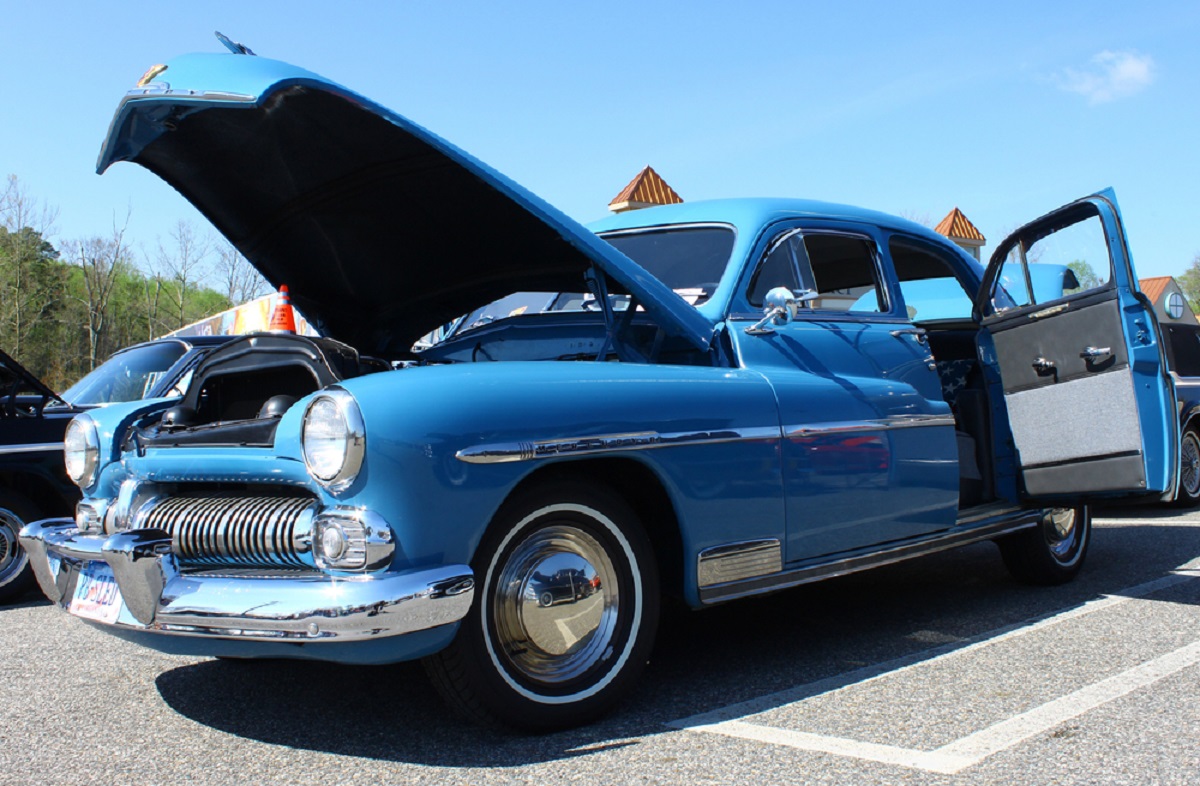
“Suicide doors” were a stylish but dangerous feature, as they opened from the rear instead of the front. If not properly latched, they could swing open at high speeds, putting passengers at risk of being ejected. Some early luxury cars, including Lincolns and Cadillacs, had this design flaw. Modern suicide doors now come with better locking mechanisms to prevent accidents.
Related: 15 Insanely Clever Driving Hacks Every Car Owner Wishes They Knew Sooner
Glass That Shattered Like a Weapon

Before the introduction of laminated safety glass, car windows would shatter into deadly shards upon impact. This posed a massive risk to drivers and passengers, leading to severe cuts and even fatal injuries. Early windshields in the 1920s and 1930s lacked safety coatings, making them extremely hazardous. The development of shatter-resistant glass was a crucial step in automotive safety.
Unpadded Steering Wheels

Many early cars had steering wheels made entirely of hard metal or wood, increasing the risk of severe chest injuries in crashes. Without any form of padding, drivers could suffer broken ribs or internal damage upon impact. Some models even had sharp center caps, adding to the danger. The shift to padded, energy absorbing steering wheels made a significant difference in crash safety.
Related: 12 Most Unforgettable Movie Cars That Every Fan Wishes They Owned
Doors That Popped Open on Impact

Before improved latching systems, some cars had doors that would fly open in a crash, ejecting occupants onto the road. This was a major issue in early American and European vehicles, leading to severe injuries and fatalities. Weak latch mechanisms and poorly designed door frames made these cars especially dangerous. Stronger, crash tested locking systems eventually became standard, improving occupant safety.
Related: The 15 Biggest Disruptions in Car History That No One Saw Coming
Many old cars featured innovative but hazardous designs that put lives at risk rather than protecting them. From exploding fuel tanks to weak brakes and rigid steering columns, these dangerous features contributed to countless accidents. While they may have seemed practical or stylish at the time, they ultimately forced automakers to rethink safety. Thanks to advancements in engineering and stricter regulations, modern cars have left these death traps in the past.
Disclaimer: This list is solely the author’s opinion based on research and publicly available information.
15 Futuristic Car Innovations That Prove Tesla Is Playing a Different Game

The automotive world has seen some jaw dropping innovations over the years, but few have shaken up the industry quite like Tesla’s Cybertruck. Love it or hate it, this futuristic beast has redefined expectations, pushing boundaries in design, technology, and performance. But Tesla isn’t alone automakers worldwide have introduced game changing advancements that are making cars smarter, safer, and more efficient. Here are 15 of the most mind blowing car innovations, including the ones that helped make Tesla’s Cybertruck an unstoppable force.
Read it here: 15 Futuristic Car Innovations That Prove Tesla Is Playing a Different Game
Top 12 Car Technologies That Will Be Standard in Every Vehicle by 2030

Automotive technology is evolving at an incredible pace, transforming the way we drive and interact with our vehicles. Features once reserved for luxury models, like AI powered assistance, self parking, and advanced safety systems, are quickly becoming industry standards. By 2030, many of today’s cutting edge innovations will be included in nearly every new vehicle. Here are 12 car technologies that will be standard in the next generation of cars.
Read it here: Top 12 Car Technologies That Will Be Standard in Every Vehicle by 2030
15 Car Features That Are a Complete Waste of Money

When buying a car, it’s easy to get tempted by high tech upgrades and luxury add-ons. However, not all features are worth the extra cost, some are gimmicks, others become outdated quickly, and a few are just plain unnecessary. Before you splurge on these so called “upgrades,” take a closer look at what you’re really paying for. These features may seem appealing at first, but they often add little value in everyday driving. These car features often turn out to be a complete waste of money.
Read it here: 15 Car Features That Are a Complete Waste of Money
You’ll love these related posts: