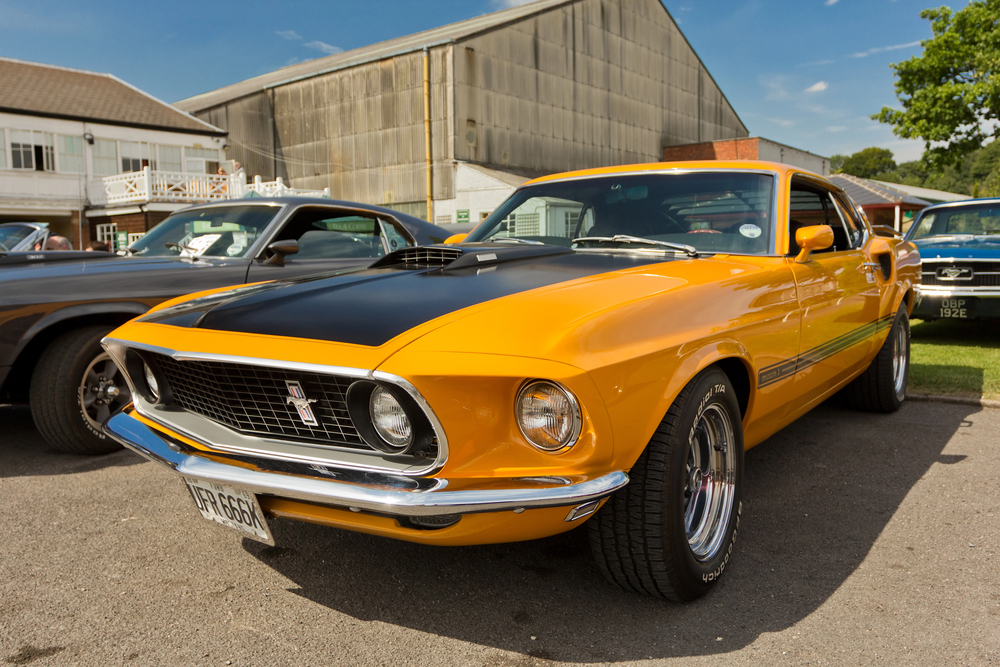
The Ford Model T might be the car that put America on wheels, but the Model A was the machine that gave driving style, comfort, and real capability. Introduced in 1927, the Model A marked a bold leap forward for Ford, pushing past the utilitarian charm of the T and diving into a new era of refinement and drivability. While the Model T was an engineering marvel of its time, it was basic in nearly every sense. The Model A, on the other hand, brought features, options, and a driving experience that truly felt like the future.
It Had a Real Manual Transmission
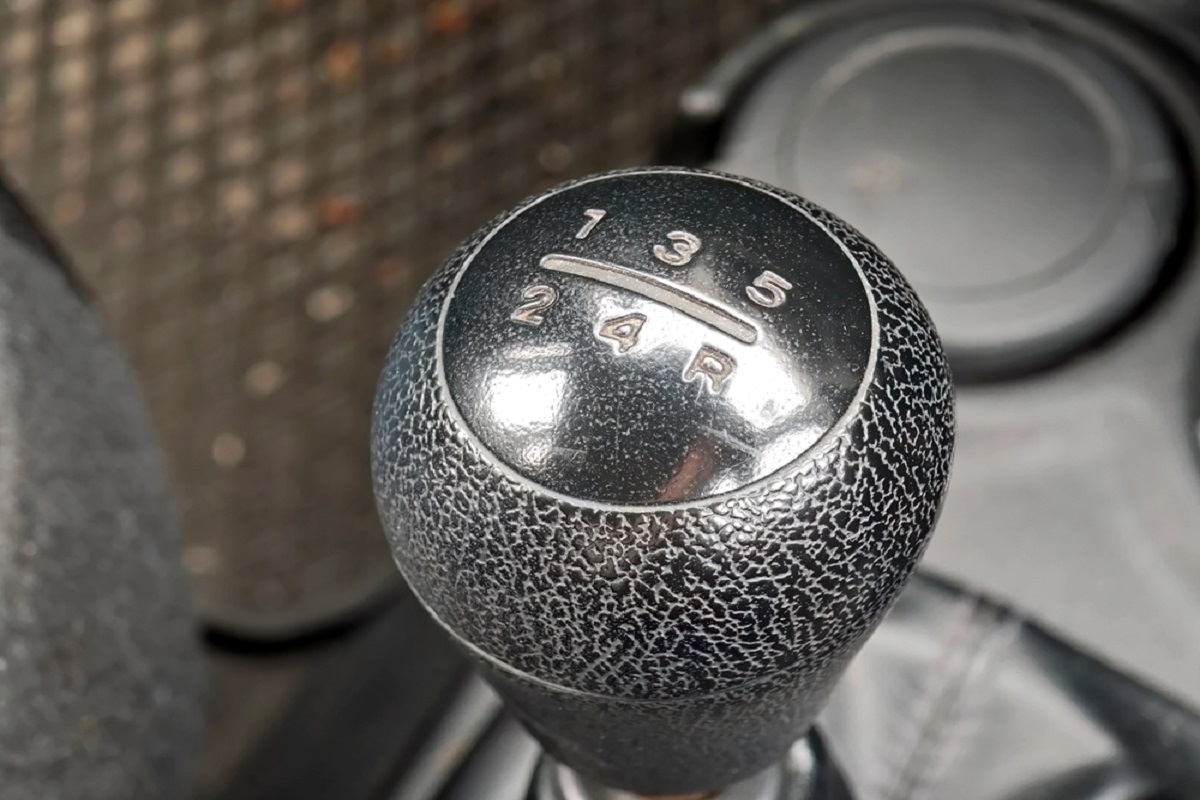
Unlike the strange, pedal-controlled setup in the Model T, the Model A introduced a three-speed manual gearbox with a clutch. This layout became the industry standard, and it offered more intuitive control. For drivers of the time, it felt like stepping into a modern machine rather than wrestling with a mechanical puzzle.
The Engine Was Stronger and Smoother
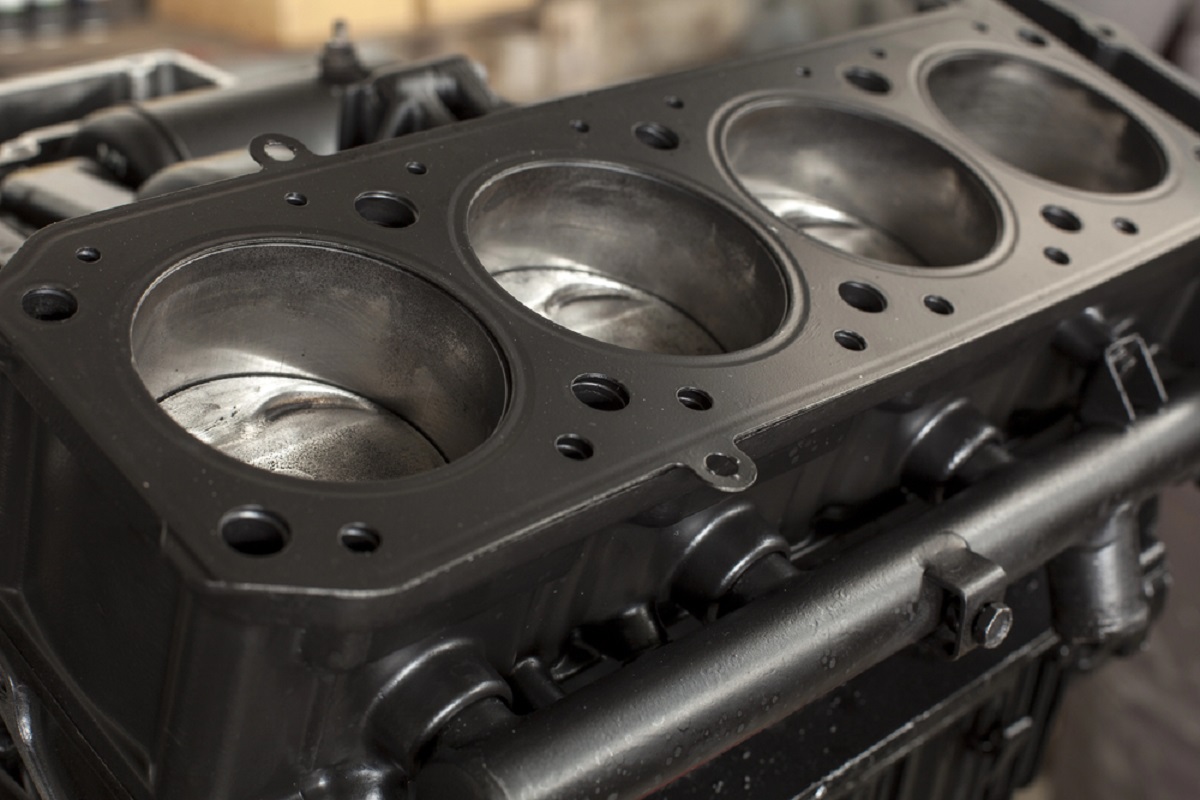
The Model A came equipped with a 3.3-liter four-cylinder engine that pushed out 40 horsepower, almost double the output of the T. More importantly, it ran smoother and was easier to maintain. This boost in power made the car more comfortable on hills and highways, improving its usability in everyday life.
It Had Shock Absorbers and a Better Suspension
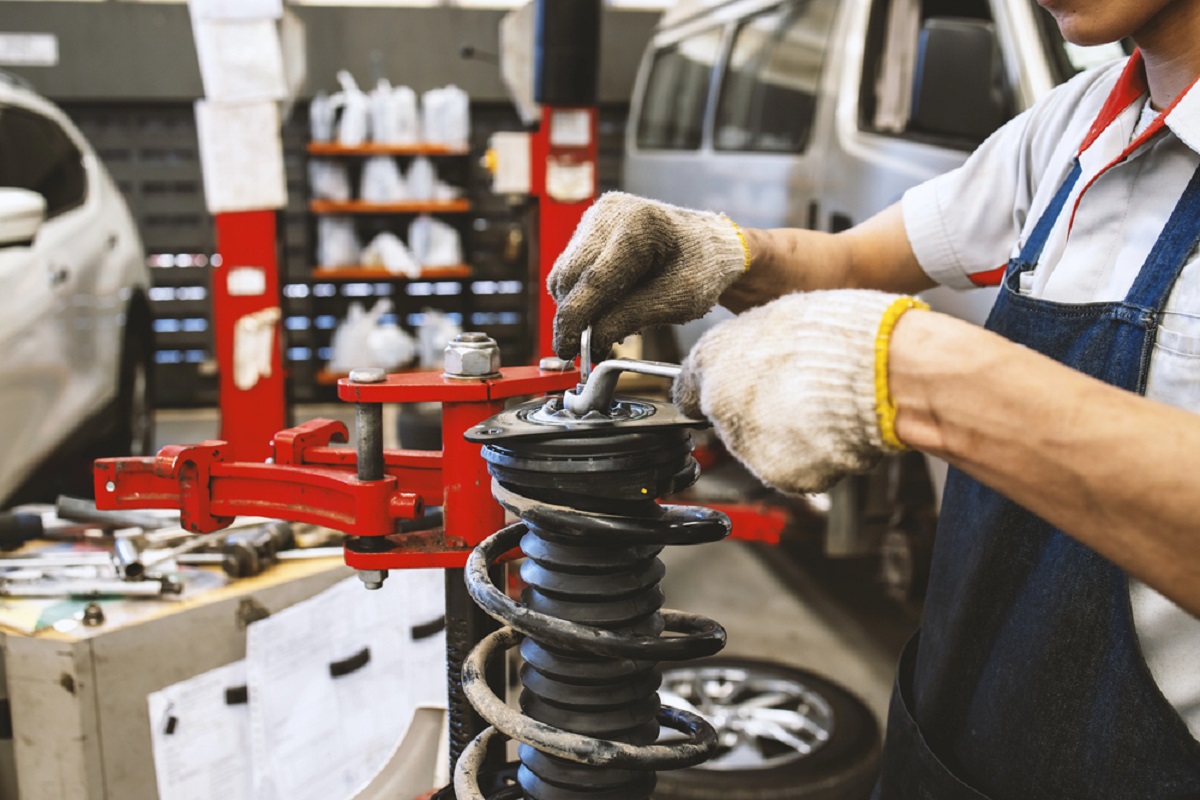
While the Model T bounced along with minimal suspension, the Model A introduced modern shock absorbers that drastically improved ride quality. Roads in the late ’20s were far from perfect, and the added comfort was immediately noticeable. It helped position the Model A as a more premium, sophisticated option.
The Styling Was More Refined and Attractive
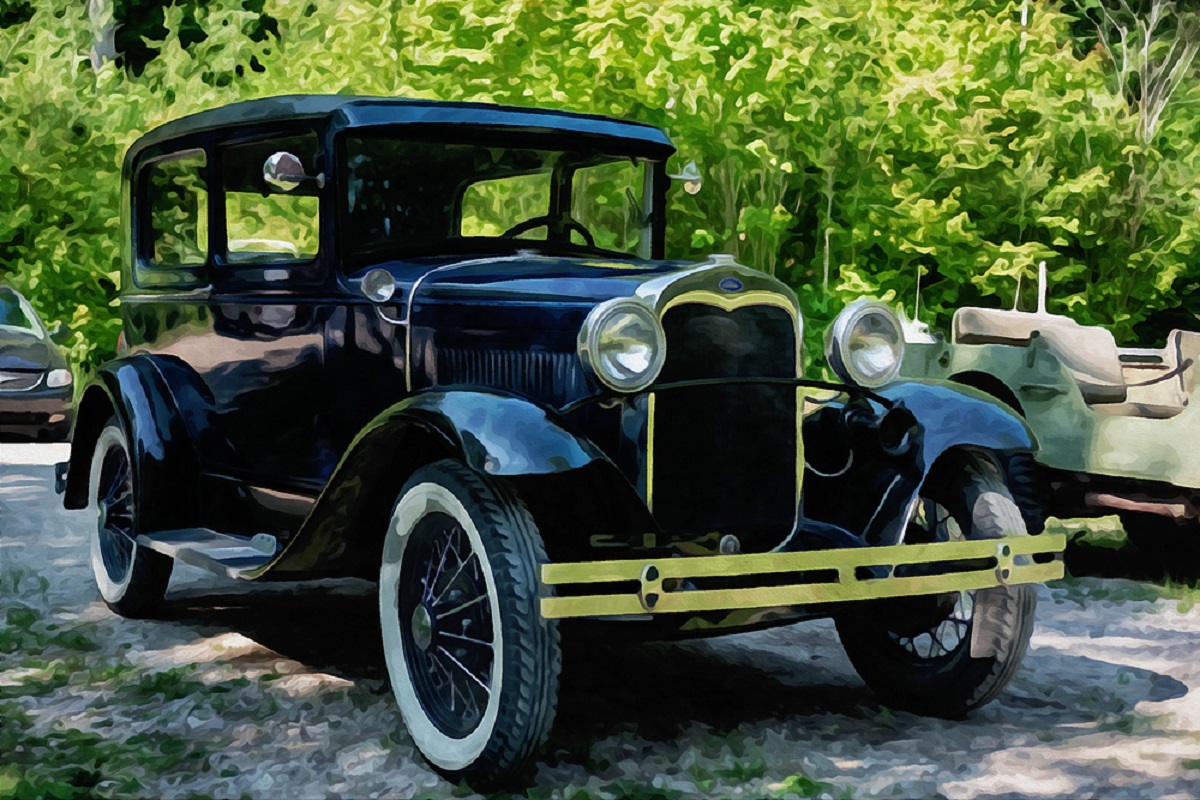
Where the Model T looked like a workhorse, the Model A offered style and elegance with more flowing lines, better proportions, and a refined silhouette. Customers could even choose from a variety of colors instead of just black. For buyers wanting a car that looked as good as it drove, the Model A delivered.
Related: 11 Reasons PHEV Pickups Are The Future Truck Buyers Crave
It Featured Hydraulic Brakes on All Four Wheels
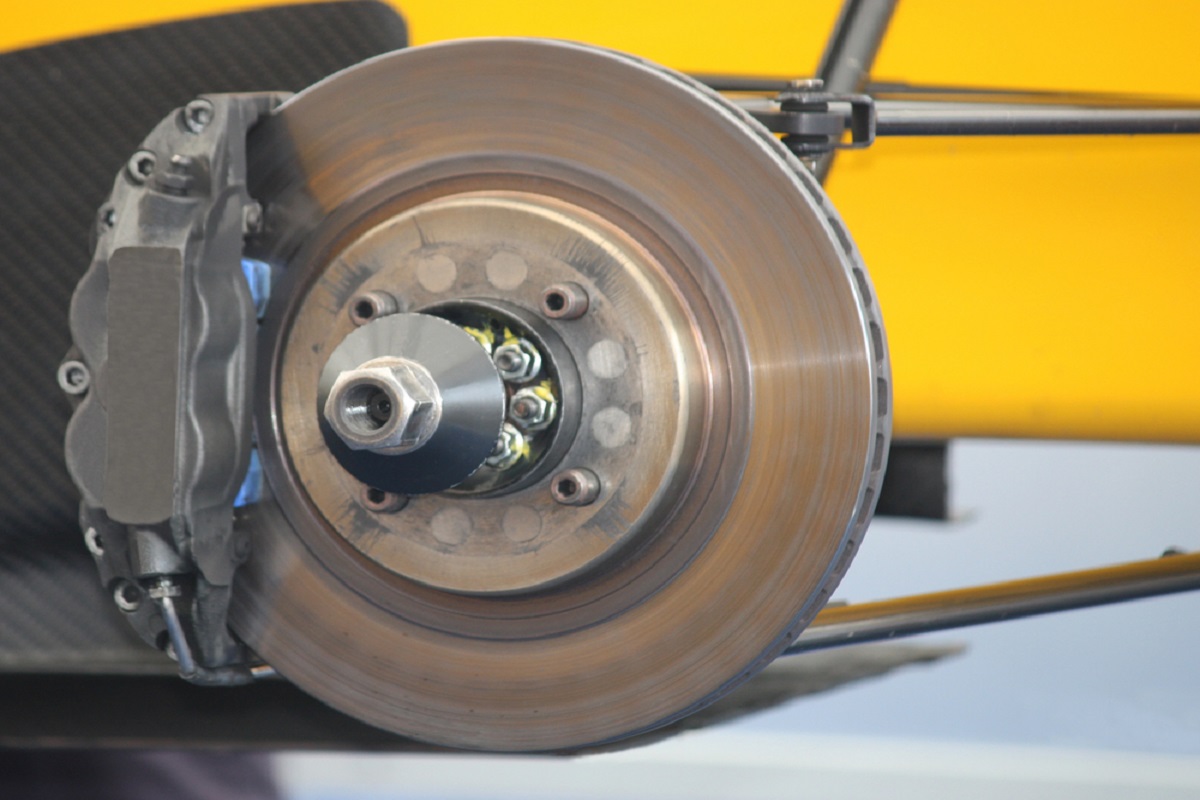
Unlike the Model T’s rear-only mechanical brakes, the Model A offered braking on all four wheels, a huge safety and performance improvement. Drivers enjoyed better stopping distances and more confidence in traffic. It marked a turning point for automotive safety during an era when many cars skimped on it.
Related: How These 12 Regenerative Systems Are Transforming Modern Cars
It has better Build Quality Overall
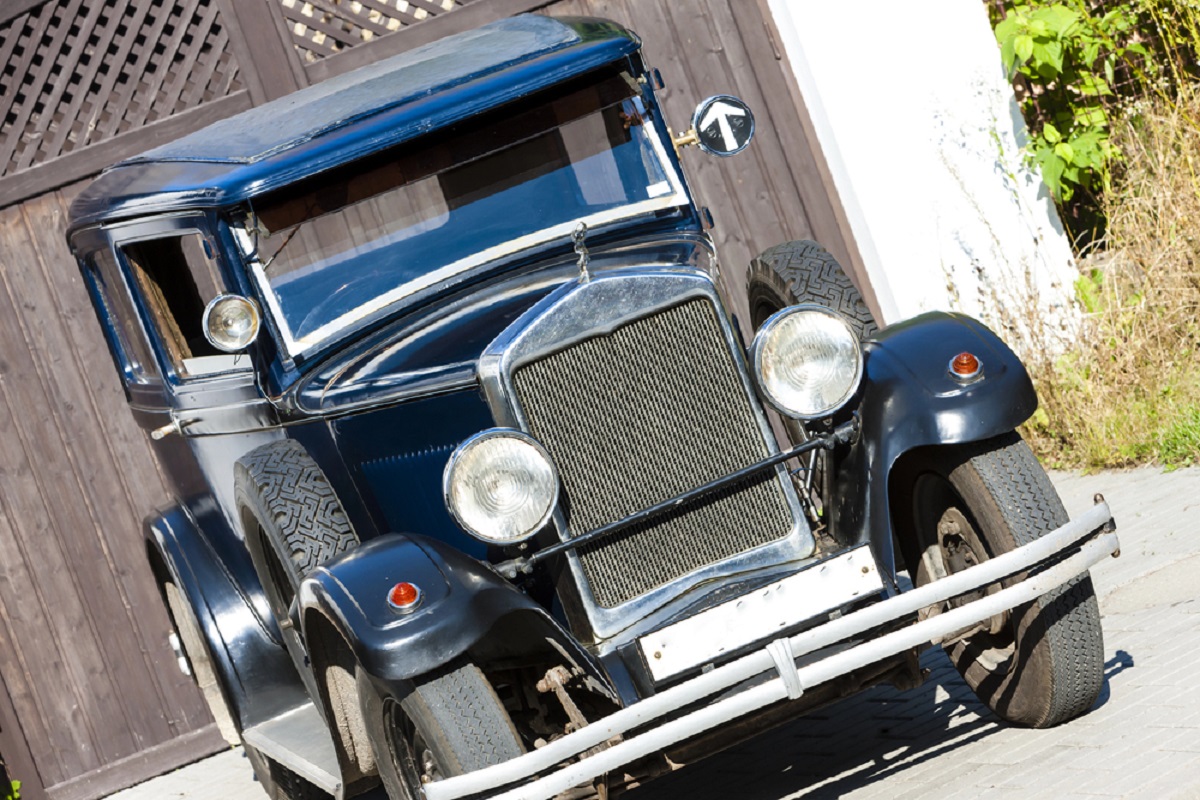
The advancements in Ford’s production methods meant that the Model A benefited from tighter panel gaps, cleaner welds, and sturdier overall construction. It no longer rattled and creaked like its predecessor, thanks to upgraded materials and improved attention to assembly details. Owners noticed that the car aged more gracefully, with doors that stayed aligned and interiors that held up better over time.
Related: 10 Reasons Why Mazda’s Iconic SP Is The Most Anticipated Sports Car Of The Year
Driving Dynamics Were More Engaging

From improved steering responsiveness to more confident cornering, the Model A handled the road with a finesse that surprised many drivers at the time. The tighter suspension and better balance made the car feel less like a lumbering machine and more like a proper touring vehicle. It was a car that responded to driver input with precision, offering a taste of what automotive pleasure could be.
Related: 12 Surprising Ways Electric Cars Spark Youth Creativity And Innovation
The Cooling System Was More Reliable
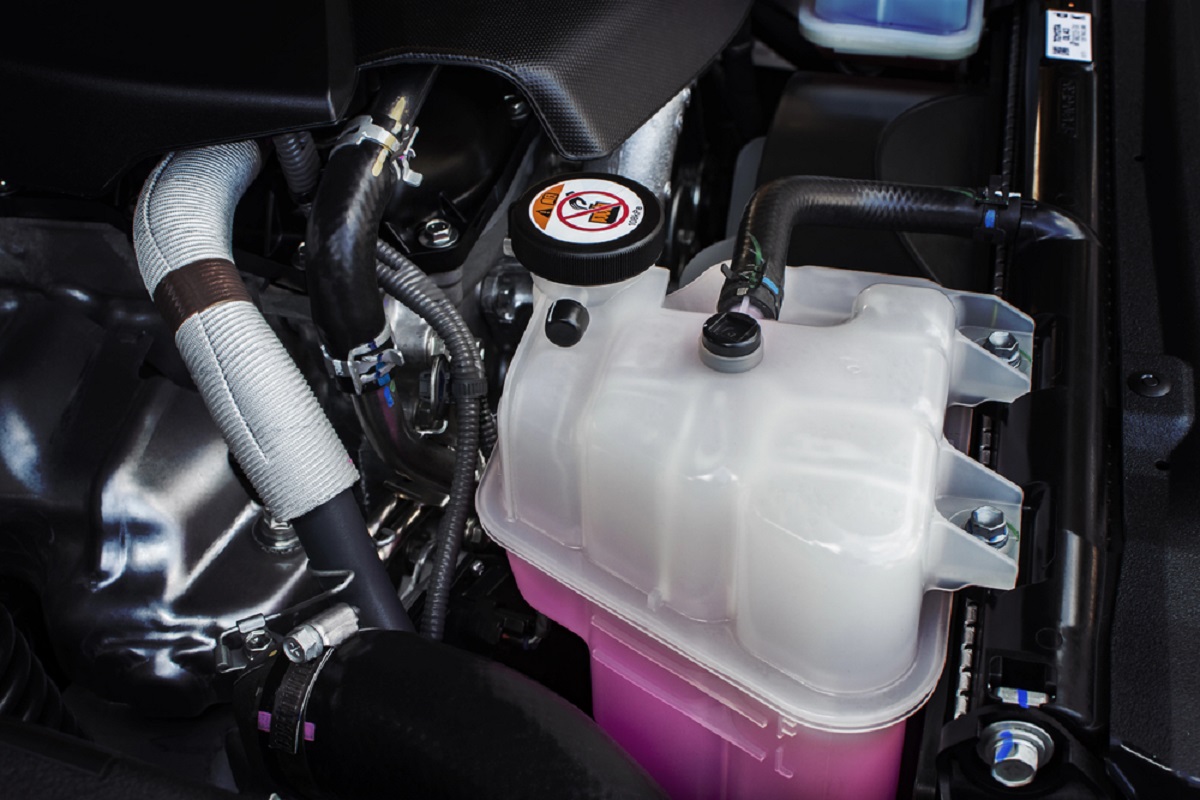
Overheating was a constant issue with the Model T, but the Model A introduced a water pump-driven cooling system that worked far more efficiently. Drivers could travel longer distances without worrying about the radiator boiling over. This upgrade added peace of mind, especially during long rural drives.
Related: 10 Surprising Ways Car Digitalization Is Unlocking Hidden Customer Insights
It Was Easier to Maintain and Service

While both cars were built with simplicity in mind, the Model A’s systems were more logically laid out and easier to repair with common tools. Parts were becoming more standardized, and owners found that upkeep took less time and frustration. Mechanics appreciated the improvements, and so did daily drivers.
Related: 12 Essential Tips For Picking The Perfect Engine Oil Grade For Any Season And Climate
It Signaled the Future of Ford Engineering
More than just a successor, the Model A previewed where Ford was heading in terms of innovation, design, and driver experience. It wasn’t just a replacement, it was a statement that Ford had learned from the past and was building for the next generation. Its influence can still be seen in how cars are engineered today.
Related: 10 Reasons The 2025 Taycan Turbo GT Weissach’s 0–60 Time Is Insane
The Model T may get all the headlines for launching the automotive revolution, but the Model A deserves equal credit for refining what it meant to own and drive a car. It was faster, safer, more comfortable, and better-looking, all things drivers appreciated even in its time. With smarter engineering and more user-friendly features, the Model A elevated the everyday driving experience. In many ways, it was the car that transitioned America from novelty to necessity. And yet, despite all these advantages, the Model A still sits in the long shadow of the T, deserving far more of the spotlight.
Disclaimer: This list is solely the author’s opinion based on research and publicly available information.
10 Ways Ford Could Reinvent ST And RS For The EV Era

As Ford transitions into the electric age, there’s a growing question around how its iconic ST and RS performance badges will evolve. These names have long stood for speed, agility, and everyday excitement traits that could thrive even more with electric power. The challenge lies in keeping the emotion and energy alive while embracing quiet motors and heavy batteries. Ford has the tools and legacy to do it, and here’s how they might reshape their performance future.
Read it here: 10 Ways Ford Could Reinvent ST And RS For The EV Era
10 Ford Cars That Were A Steal When You Got Your License

There’s something unforgettable about the first car you drive after getting your license, especially when it delivers both value and style. Ford has a long history of producing affordable, reliable, and surprisingly fun vehicles that make perfect first cars. These models weren’t just easy on your wallet, they were also easy to drive, easy to maintain, and often came packed with personality. Whether it was their sleek design, efficient fuel economy, or trusted durability, these Fords hit the sweet spot for new drivers.
Read it here: 10 Ford Cars That Were A Steal When You Got Your License
10 Ford Cars So Rare Most People Have Never Seen One

When it comes to iconic American automakers, Ford has produced a long line of well-known vehicles. But beyond the household names like the Mustang and the F-150, Ford has also released some extremely rare models that flew under the radar. These cars were built in limited numbers or for specific markets, making them nearly impossible to spot on the road today. Whether discontinued too soon or never sold in the U.S., these rare Fords remain fascinating chapters in the brand’s rich history.
Read it here: 10 Ford Cars So Rare Most People Have Never Seen One
You’ll love these related posts: