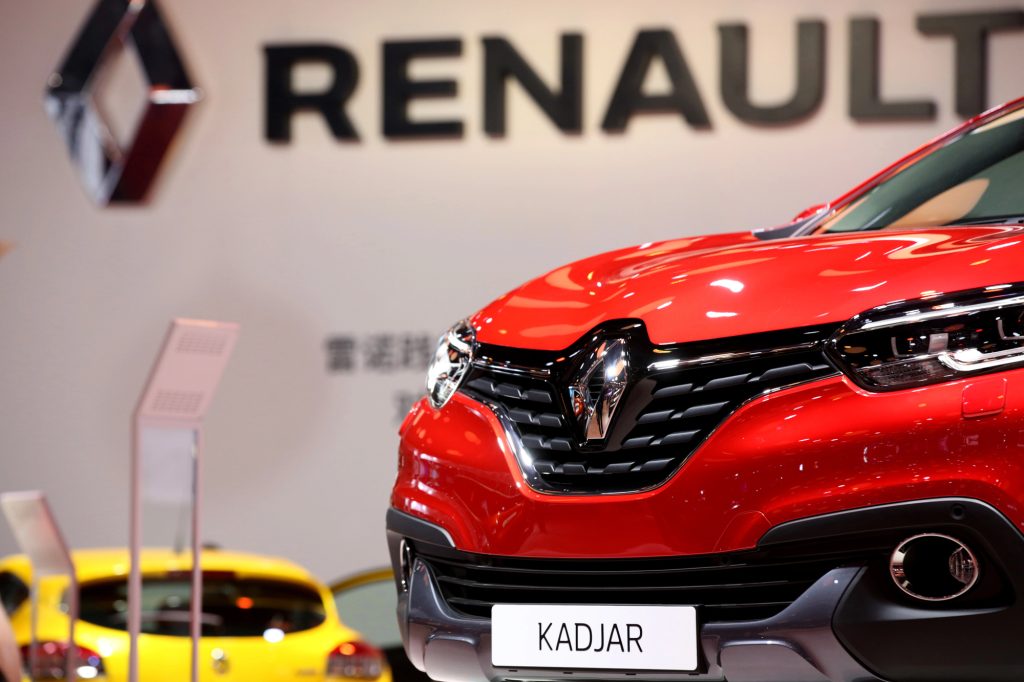
Renault’s legacy stretches far beyond just the streets of Paris, it’s a story of innovation, resilience, and bold steps that helped shape the global auto industry. From historic racing wins to groundbreaking design and technology, Renault has continuously pushed the envelope. Whether navigating post-war recovery or electrifying the future, the brand has managed to stay relevant by staying inventive. These 14 pivotal moments show exactly why Renault continues to capture attention across generations and borders.
Founding the Renault Brothers’ Company in 1899

The legacy began when Louis, Marcel, and Fernand Renault teamed up to create the Société Renault Frères. Their ambition was to create a lightweight, fast car, and they succeeded. Their early innovation in direct drive was one of the first of its kind, setting the tone for a company built on engineering breakthroughs.
The 1906 French Grand Prix Victory
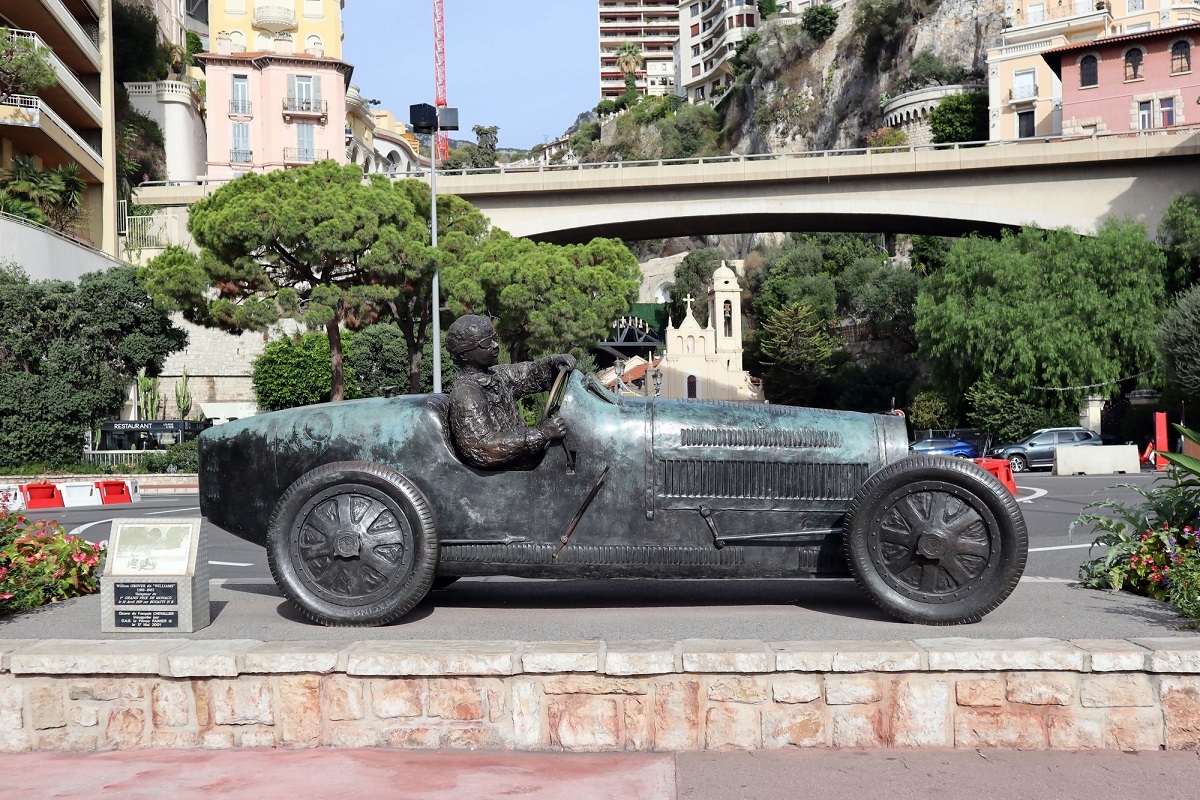
Renault’s triumph at the very first official Grand Prix in 1906 with the Renault AK 90CV was a game-changer. The win proved not only the brand’s technical expertise but also its endurance capabilities, beating larger engines through clever engineering. This iconic victory elevated Renault to international recognition and inspired countless racing developments across Europe.
Wartime Vehicle Production in WWI

During World War I, Renault shifted from civilian vehicles to crucial military equipment, including the FT light tank. The Renault FT revolutionized armored warfare with its rotating turret and became a global standard. Their efforts in manufacturing wartime vehicles marked Renault as a patriotic and essential industrial force during the global conflict.
Creation of the 4CV Post-WWII
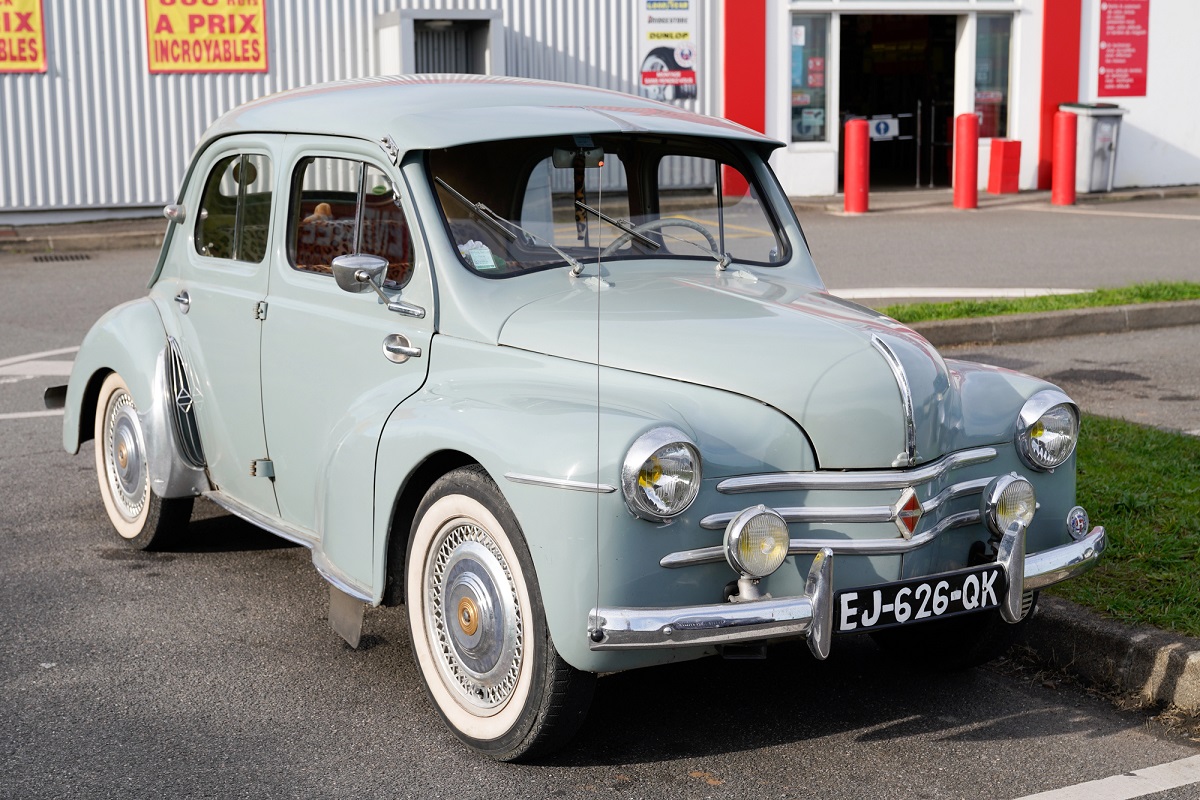
The Renault 4CV was developed in secret during the German occupation and launched to symbolize France’s post-war renewal. It was small, economical, and ideal for mass mobility, becoming one of France’s best-selling cars. Its affordability helped restore French pride and mobility in a time of widespread recovery and hardship.
Related: 11 Hidden Gem Islands In Europe You Can Drive To In A Campervan
Introduction of the Renault 16 in 1965

As the world’s first mass-produced hatchback, the Renault 16 introduced versatility that wasn’t seen in mid-size family cars. It featured a flexible interior layout that made it perfect for both families and professionals. The car’s blend of style and utility earned it the 1965 European Car of the Year title.
Related: 12 Game-Changing Features In Ford’s EV Gear Shifter That Will Make You Rethink Electric Cars
Launch of the R5 Supermini in 1972

The Renault 5 was a supermini ahead of its time, offering charm, efficiency, and urban agility in one affordable package. Its cheeky design and economical performance made it especially popular with young drivers. The R5’s long production run and global appeal laid the foundation for Renault’s dominance in the compact segment.
Related: 14 New Electric Cars You Need To Know About In 2025
Entering Formula One in 1977

When Renault introduced its turbocharged F1 engine, skeptics laughed, but they weren’t laughing for long. The company pioneered turbo technology in racing, reshaping performance standards forever. Renault’s bold vision in Formula One paved the way for future champions and secured its place in motorsport innovation.
Related: 15 Insanely Complicated Cars That Mechanics Avoid
Winning the Constructors’ Title in 2005

With Fernando Alonso at the wheel, Renault won both the Drivers’ and Constructors’ Championships in 2005. The feat marked a high point in the company’s F1 history, demonstrating precision, strategy, and technical dominance. It also rekindled interest in the Renault brand among new generations of performance enthusiasts.
Related: How Honda Engineered Some Of The Fastest Cars In Racing History
Innovation with the Scenic in 1996

The Renault Scénic was the first car to make the compact MPV mainstream in Europe, combining clever storage with family-friendly design. Its success led to many imitations, but none captured the same balance of comfort and creativity. The Scenic redefined how small families thought about utility vehicles.
Related: 12 Sneaky Ways Car Payments Are Getting Higher And How Smart Drivers Are Fighting Back
Unveiling the Avant-Garde Twingo in 1992

The Twingo broke design rules with its single-volume shape, digital dashboard, and joyful personality. It was a breath of fresh air in a market crowded with conservative compacts. Renault’s willingness to take design risks paid off as the Twingo became a European icon of accessible fun.
Related: 15 AI Secrets That Could Make EV Battery Degradation A Thing Of The Past
Strategic Alliance with Nissan in 1999

The Renault-Nissan Alliance became a trailblazer in cross-continental partnerships, promoting efficiency while preserving brand independence. It allowed the companies to share R&D, production platforms, and global distribution networks. The alliance created one of the largest automotive groups in the world, positioning Renault as a global leader.
Related: 14 Jaw-Dropping Ways Used EVs Are Outperforming Gas Cars In 2025
Bold Electric Vision with the Zoe in 2012

Renault committed early to electric mobility with the Zoe, a car designed from the ground up as an EV. The Zoe delivered real-world range, affordability, and a sleek design, making electric driving accessible. Its commercial success helped solidify Renault’s role as an EV pioneer in Europe.
Related: 12 Alarming Signs The Trucking Industry Is Headed For Disaster Sooner Than You Think
Development of the E-Tech Hybrid Lineup

Renault’s E-Tech hybrids combine Formula One-inspired technology with fuel-saving innovation for daily driving. The system intelligently switches between electric and gas for optimal performance. With these models, Renault reaffirmed its commitment to clean mobility while enhancing driving pleasure.
Related: How Trade Wars And Tariffs Are Reshaping The Motorcycle Scene In The US
Embracing Design Boldness with the Renault Trezor Concept
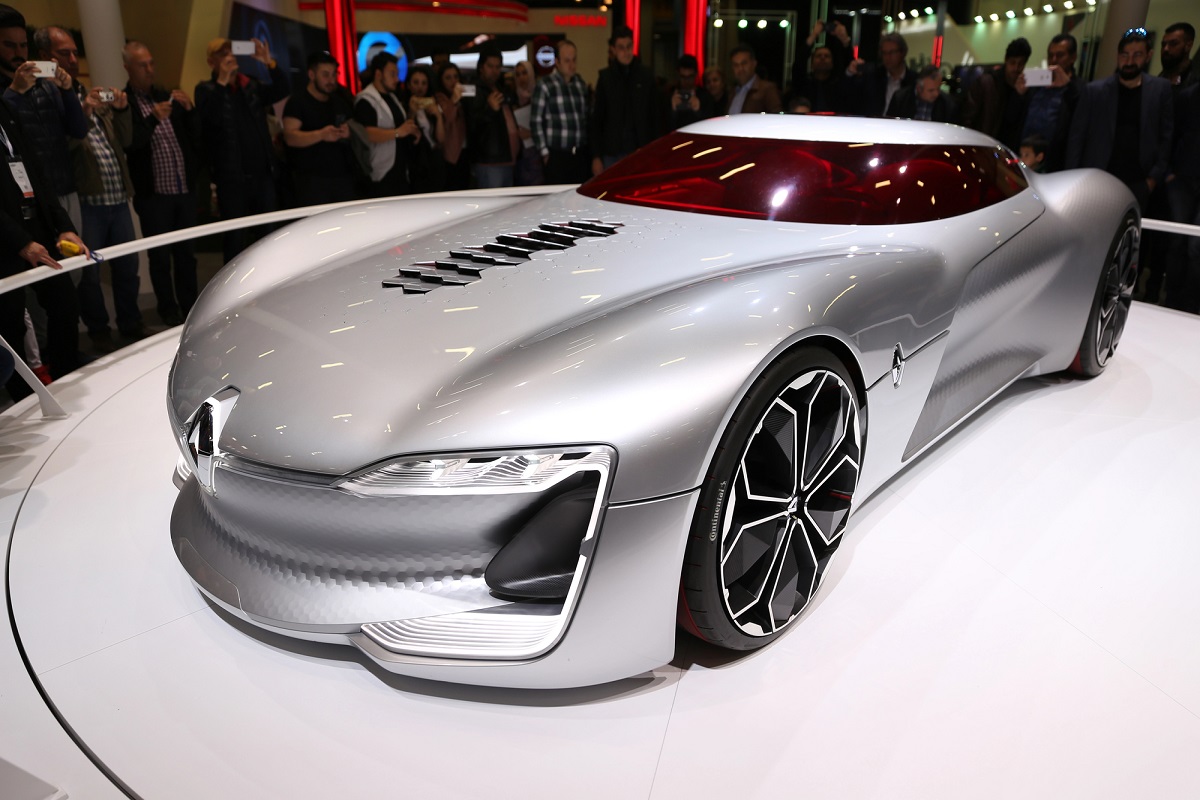
The Trezor concept was more than eye candy, it represented Renault’s emotional reconnection with design and identity. Its all-electric platform and fluid lines foreshadowed Renault’s future direction. The DeZir inspired a new design language that would shape Renault’s entire lineup in the coming years.
Related: The Influence Of Motorcycle Clubs On American Biker Culture Over The Decades
Renault’s journey is one marked by ambition, resilience, and an enduring love for innovation. From crafting tanks and compact cars to shaping Formula One and electric mobility, the brand’s legacy is undeniably rich. Each chapter has been defined by pushing boundaries and redefining what’s possible. As Renault leans into its electric and hybrid future, one thing remains clear: the brand’s story is far from over. With a legacy like this, the best moments may still lie ahead.
Disclaimer: This list is solely the author’s opinion based on research and publicly available information.
11 Unstoppable Legacy Of Renault In Formula 1
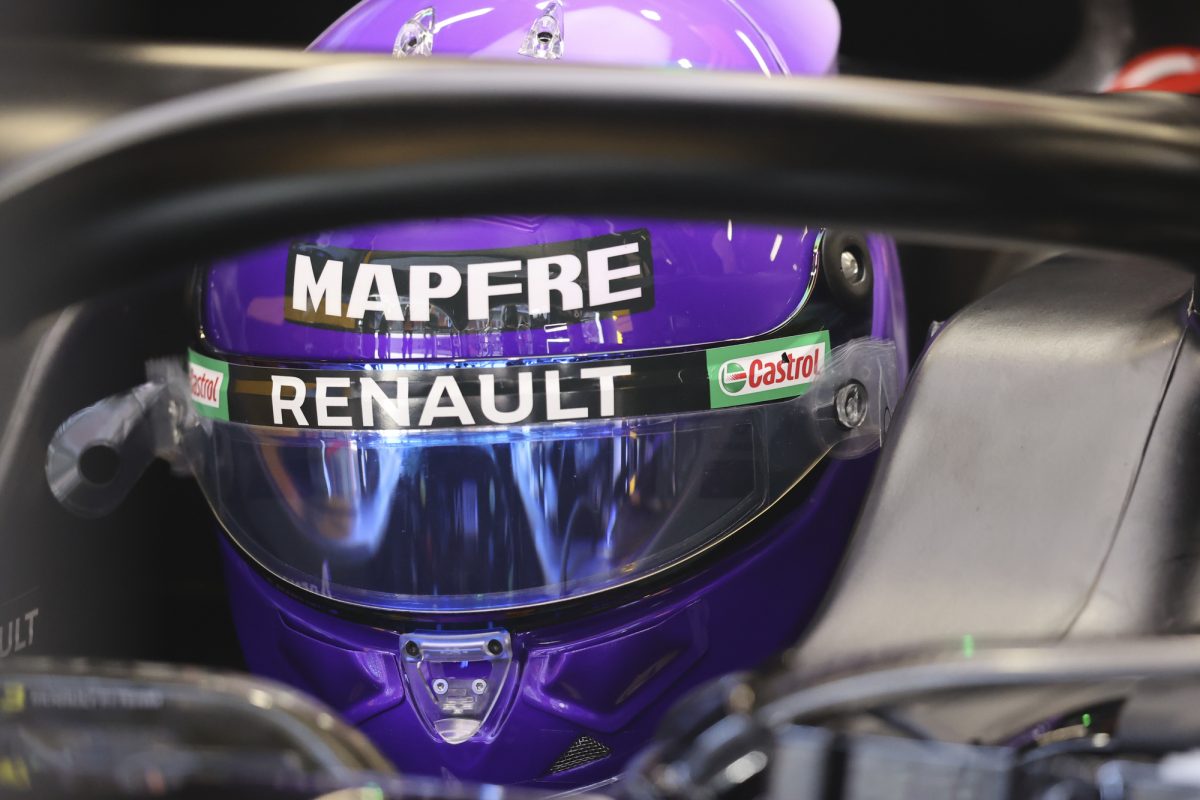
Renault has shaped Formula 1 with engineering innovations, dominant performances, and a commitment to excellence. From pioneering turbocharged engines to winning championships, its influence spans multiple eras. Marked by groundbreaking technology and legendary drivers, Renault’s impact on F1 remains unstoppable.
Read it here: 11 Unstoppable Legacy Of Renault In Formula 1
Nissan’s 12 Bold Moves That Could Redefine Global Car Manufacturing

Nissan has long been at the forefront of automotive innovation, often surprising both critics and consumers with bold decisions that challenge industry norms. From pioneering electric vehicles to revolutionizing production processes, the brand has made daring moves that could change how cars are built and driven worldwide. These strategies go beyond mere technological advancement; they represent a broader vision for a smarter, more sustainable automotive future. Below are 12 standout moves that signal a powerful shift in the automotive landscape, driven by Nissan’s relentless pursuit of progress.
Read it here: Nissan’s 12 Bold Moves That Could Redefine Global Car Manufacturing
10 Massive Mistakes That Nearly Wrecked The Volvo V60’s Legacy

The Volvo V60 has long been known for its sleek design, exceptional safety features, and reliability. However, the journey to maintaining its legacy hasn’t been entirely smooth. Several mistakes made throughout its development and production nearly tarnished its reputation. Despite these setbacks, the V60 managed to overcome them, regaining its place in the market and earning back its loyal customer base. Here are the 10 major missteps that almost derailed the Volvo V60’s legacy.
Read it here: 10 Massive Mistakes That Nearly Wrecked The Volvo V60’s Legacy
You’ll love these related posts:
- How Social Media Is Transforming Motorcycle Culture And Bringing Riders Together
- From Traffic Jams To Open Roads Why Motorcycle Commuting Is On The Rise
- Are Speed Traps About Safety Or Just A Cash Grab
- 12 Smart And Costly Mistakes To Avoid When Pulled Over By The Police
- A Look Inside The Incredible Car Collection Of Donald Trump