In-car entertainment has undergone a dramatic transformation over the past few decades, evolving from basic cassette players to sophisticated streaming apps. The way we listen to music, watch videos, and interact with our vehicles has been revolutionized by digital technology. With the decline of physical media and the rise of on-demand entertainment, cars have become mobile entertainment hubs.
Cassette Players to CDs

In the 1980s and early 1990s, cassette players were the primary source of in-car music. CDs quickly replaced cassettes, offering better sound quality and easier track navigation. Car manufacturers began phasing out cassette decks in favor of CD players as technology advanced. This shift marked the beginning of digital music’s dominance in vehicles.
CD Changers to MP3 Players
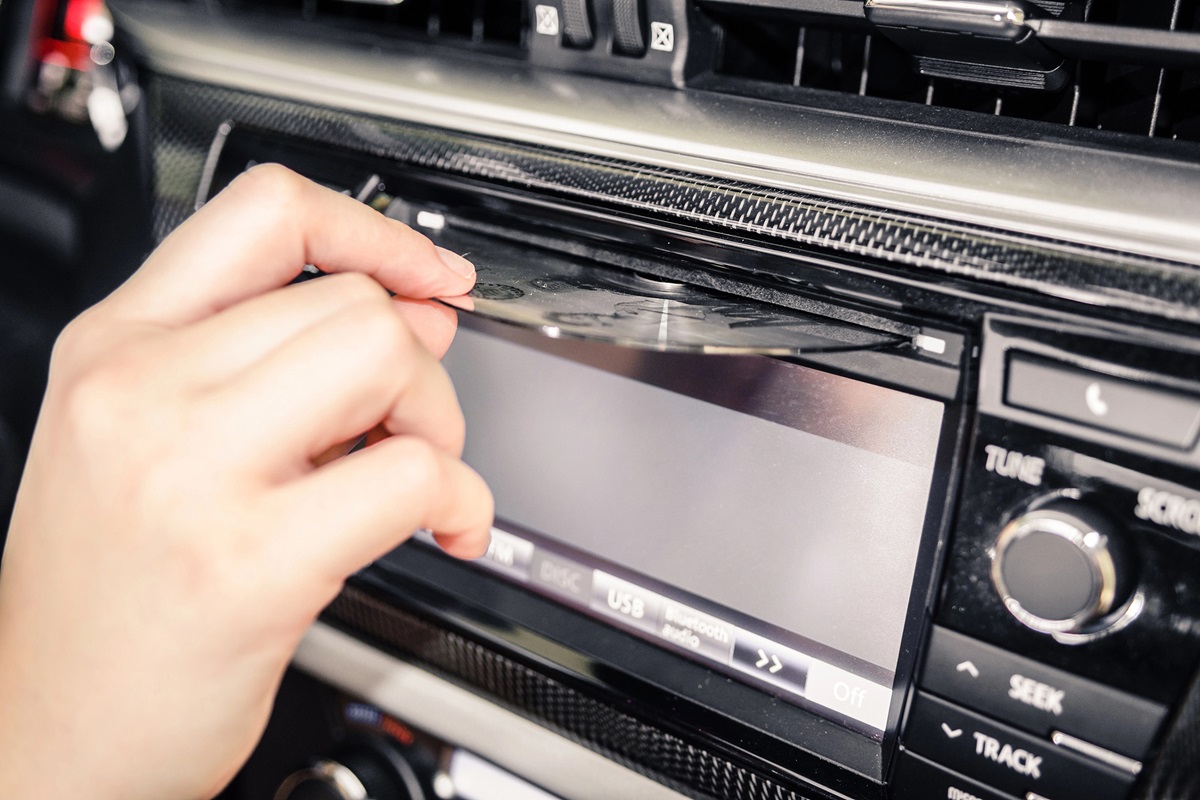
Early CD players required swapping discs manually, but multi-disc changers allowed drivers to store several albums at once. The introduction of MP3 players in the early 2000s changed the game, as drivers could carry thousands of songs on a single device. Cars soon integrated auxiliary ports and USB connections to support portable music players. This made music collections more accessible and customizable on the road.
iPod Integration to Bluetooth Audio
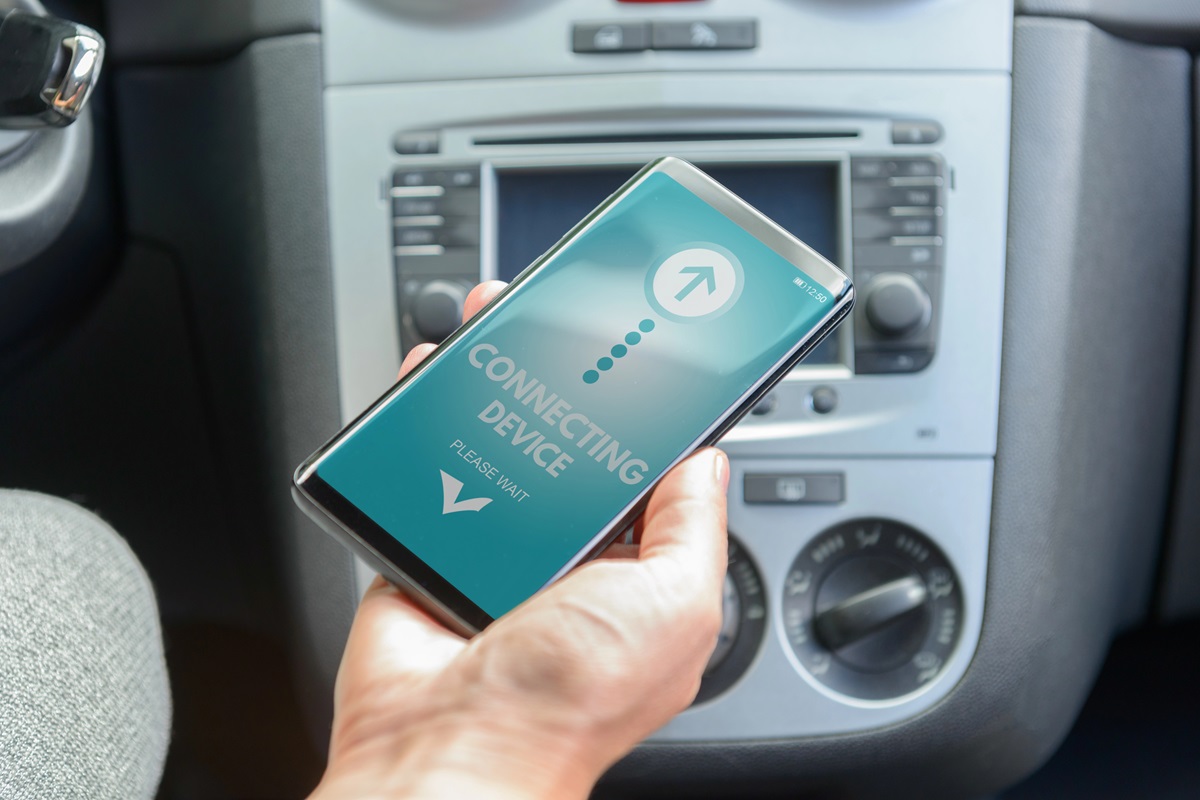
As iPods became popular, car manufacturers started including direct iPod connections in their audio systems. However, Bluetooth audio soon replaced wired connections, allowing drivers to stream music wirelessly from their phones. This eliminated the need for physical media and cables, making in-car entertainment more convenient. Bluetooth quickly became a standard feature in modern vehicles.
Satellite Radio Revolution
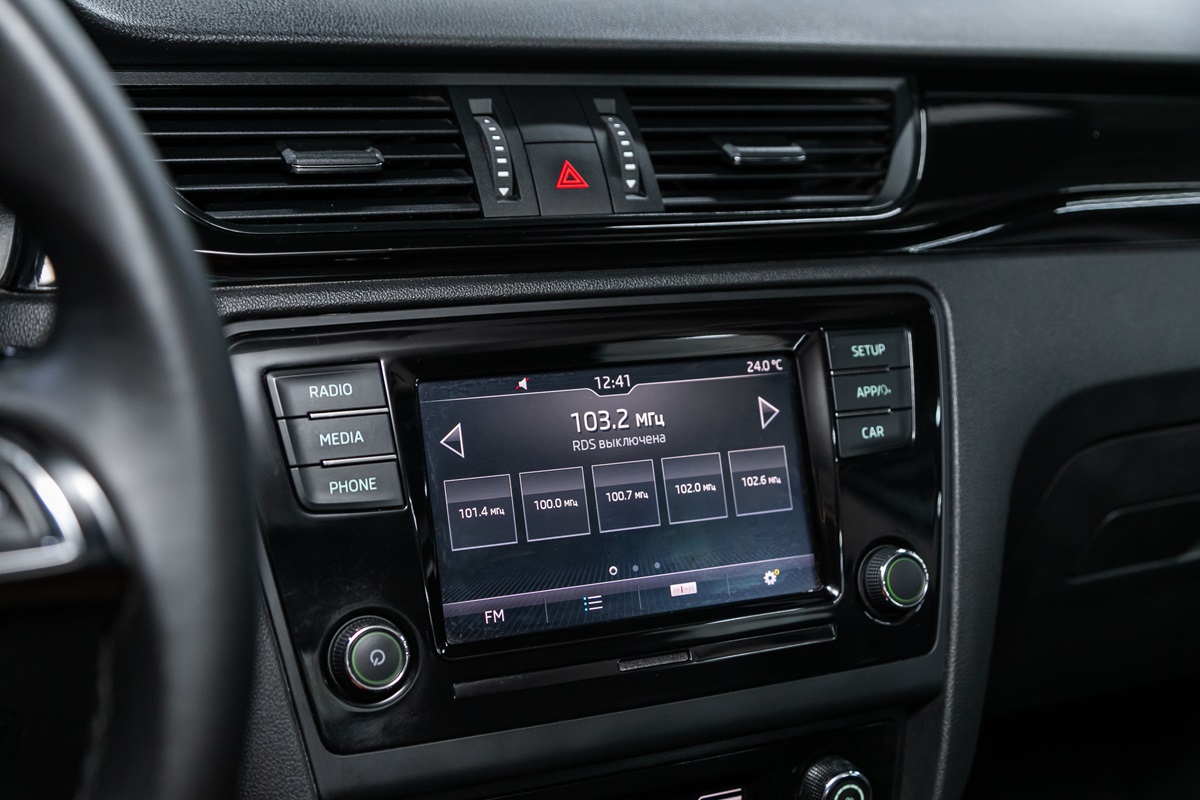
Satellite radio emerged in the early 2000s, offering hundreds of channels with clear, static-free sound. Unlike traditional AM/FM radio, satellite radio provided exclusive content, including music, talk shows, and sports. Services like SiriusXM gained popularity, giving drivers an alternative to CDs and MP3 players. Despite competition from streaming services, satellite radio remains a popular option for in-car entertainment.
Related: 12 Bizarre Cleaning Hacks That Will Transform Your Car’s Interior
AM/FM Radio Decline

For decades, AM/FM radio was the primary source of music and news in cars. The rise of digital streaming and personalized playlists has led to a decline in traditional radio listenership. Many drivers now prefer on-demand content over live radio broadcasts. While AM/FM radio is still available, it plays a smaller role in modern car entertainment systems.
Related: 12 Insanely Clever Anti-Theft Hacks That Could Save Your Car
AUX Cables to Wireless Streaming
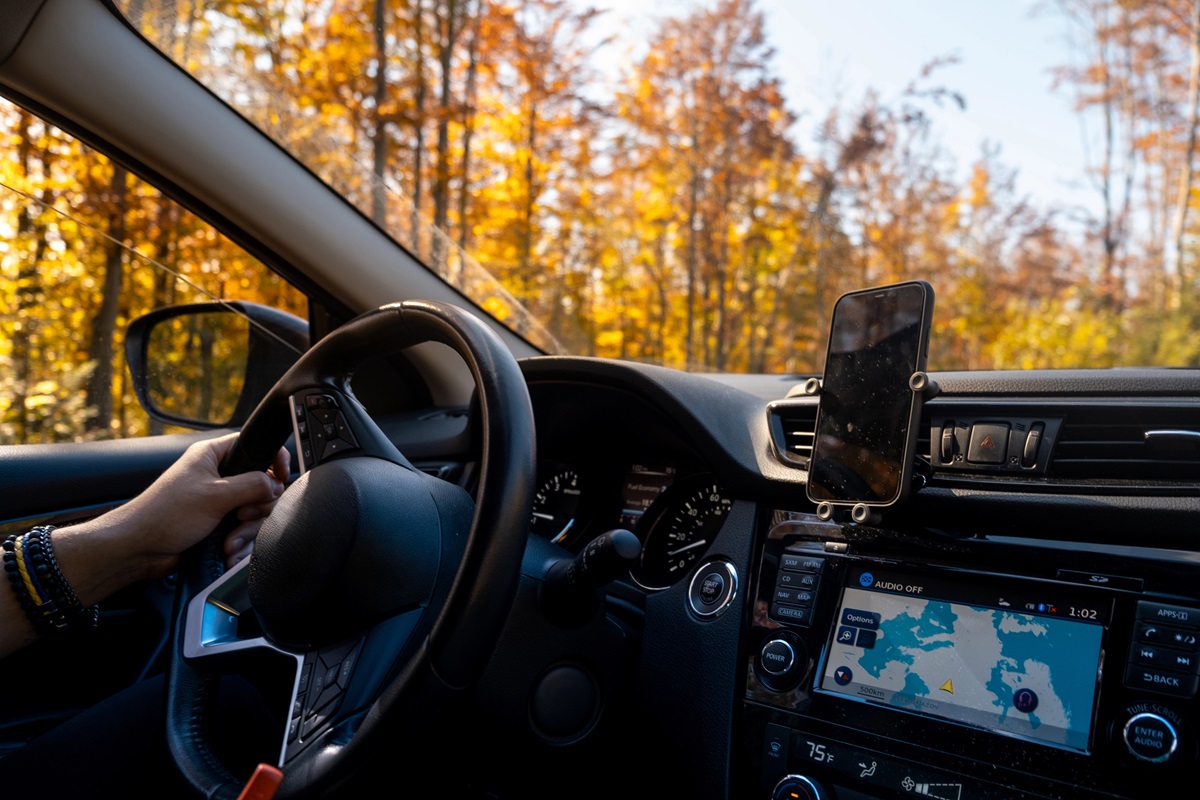
Before Bluetooth became widespread, AUX cables were the go-to solution for connecting external music players. These cables allowed drivers to play music from their phones or MP3 players through the car’s audio system. With the rise of wireless technology, AUX ports have been largely phased out in favor of Bluetooth streaming. This shift has made music playback more seamless and hands-free.
Related: 13 Car Shopping Apps That Practically Guarantee You The Best Deal
CD Players Disappearing
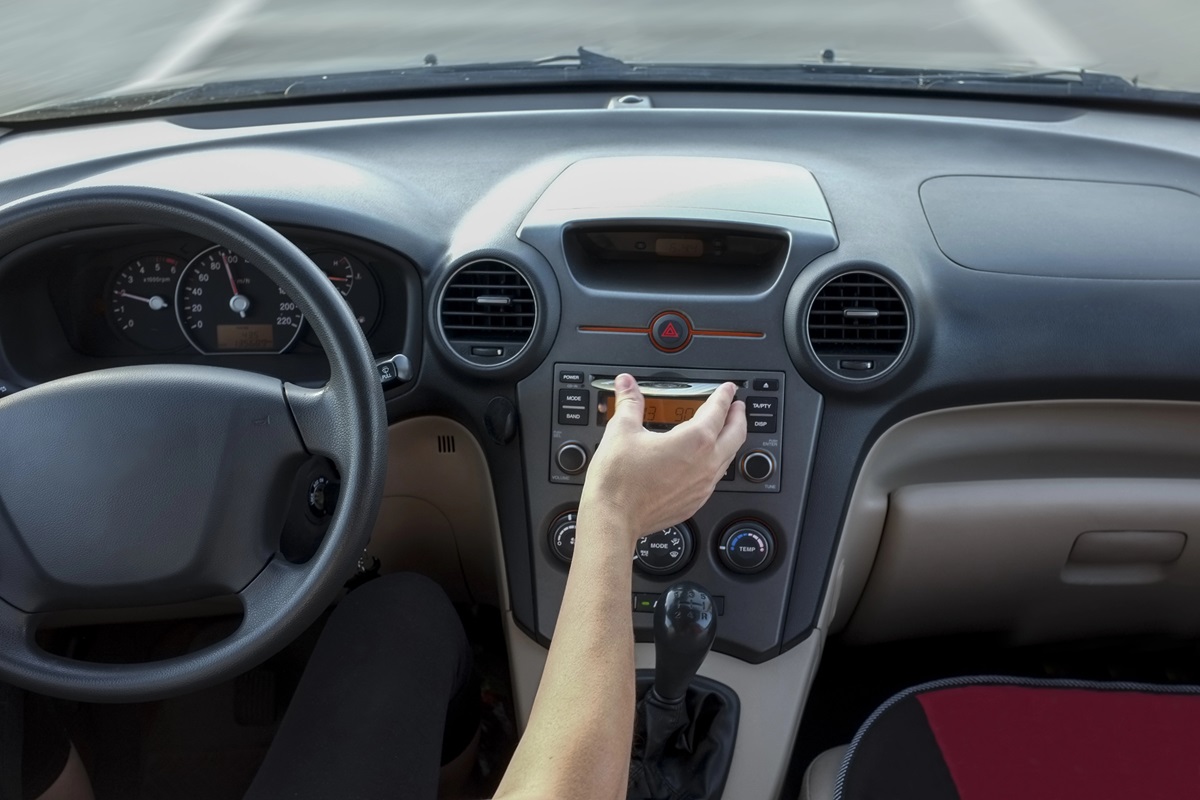
CD players were once a standard feature in every vehicle, but they are now becoming obsolete. Modern cars are ditching CD slots in favor of touchscreen infotainment systems with digital music capabilities. Many drivers no longer carry CDs, as streaming services provide unlimited access to music. The disappearance of CD players marks the end of physical music media in vehicles.
Related: 12 Corvette Competitors That Are Bringing The Heat In 2026
Smartphone Integration with Apple CarPlay and Android Auto
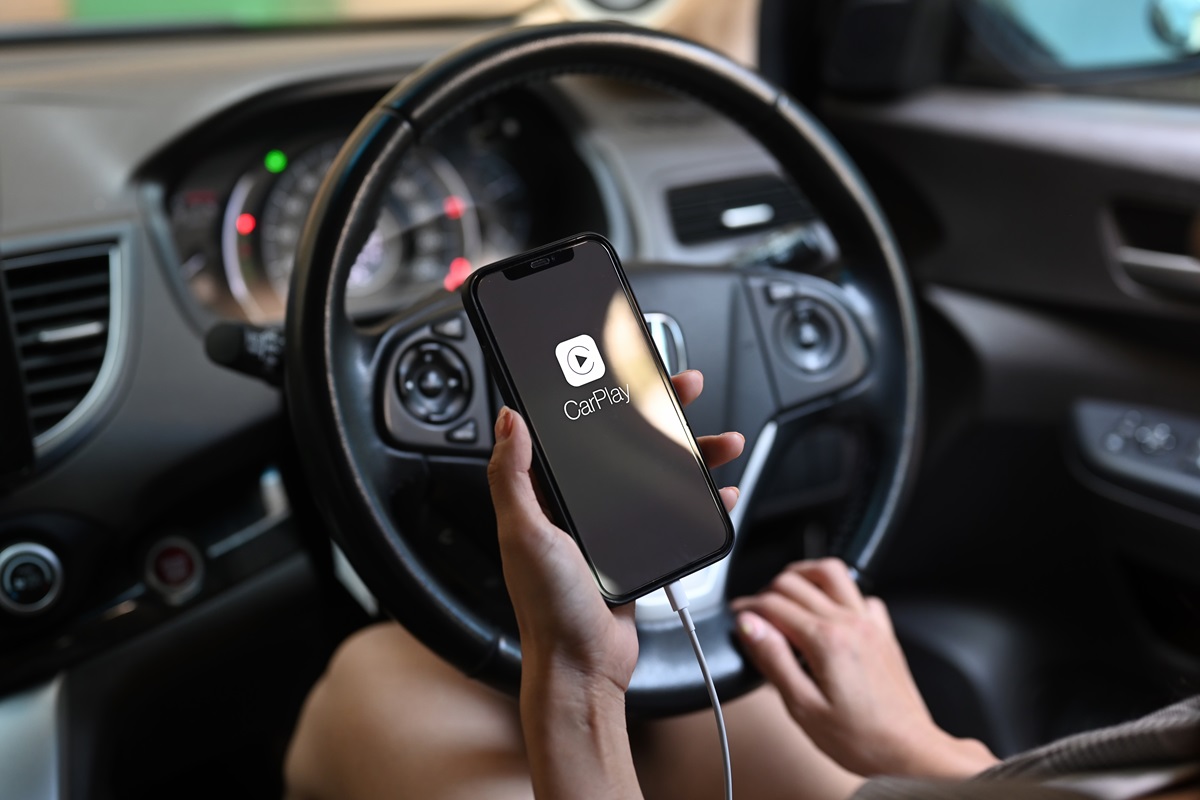
Apple CarPlay and Android Auto have revolutionized in-car entertainment by seamlessly integrating smartphones with vehicle systems. Drivers can access music, navigation, and messaging apps directly through their car’s touchscreen. These systems provide a safer and more convenient way to use smartphones on the road. As a result, many car owners no longer rely on built-in entertainment options.
Related: 12 Auto Podcasts That Every Car Lover Should Have On Their Playlist
Voice-Controlled Entertainment
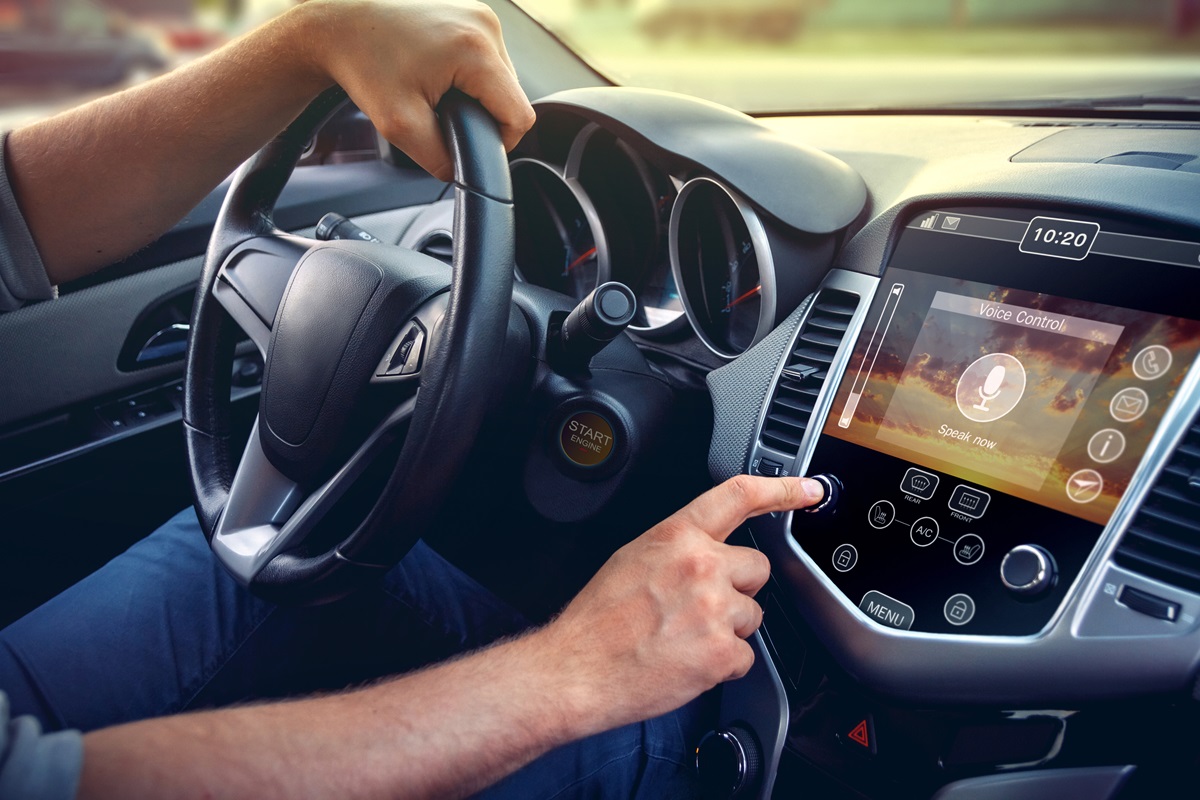
With advancements in voice recognition technology, drivers can now control their in-car entertainment systems hands-free. Voice assistants like Siri, Google Assistant, and Alexa allow users to play music, change radio stations, or adjust volume with simple commands. This reduces distractions and enhances convenience while driving. Voice control is becoming a standard feature in newer vehicle models.
Related: 12 Secrets to Earning Passive Income With Your Car
Streaming Apps Replace Physical Media
Music streaming services like Spotify, Apple Music, and Pandora have completely replaced CDs and MP3s for many drivers. These apps offer millions of songs on demand, personalized playlists, and offline listening options. Instead of carrying CDs or downloading songs, users can access an endless library of music through an internet connection. Streaming has become the primary way people listen to music in their cars.
Related: 11 Supercars With Designs Inspired By Jets, Rockets, And Sci-Fi
In-Car Wi-Fi Connectivity
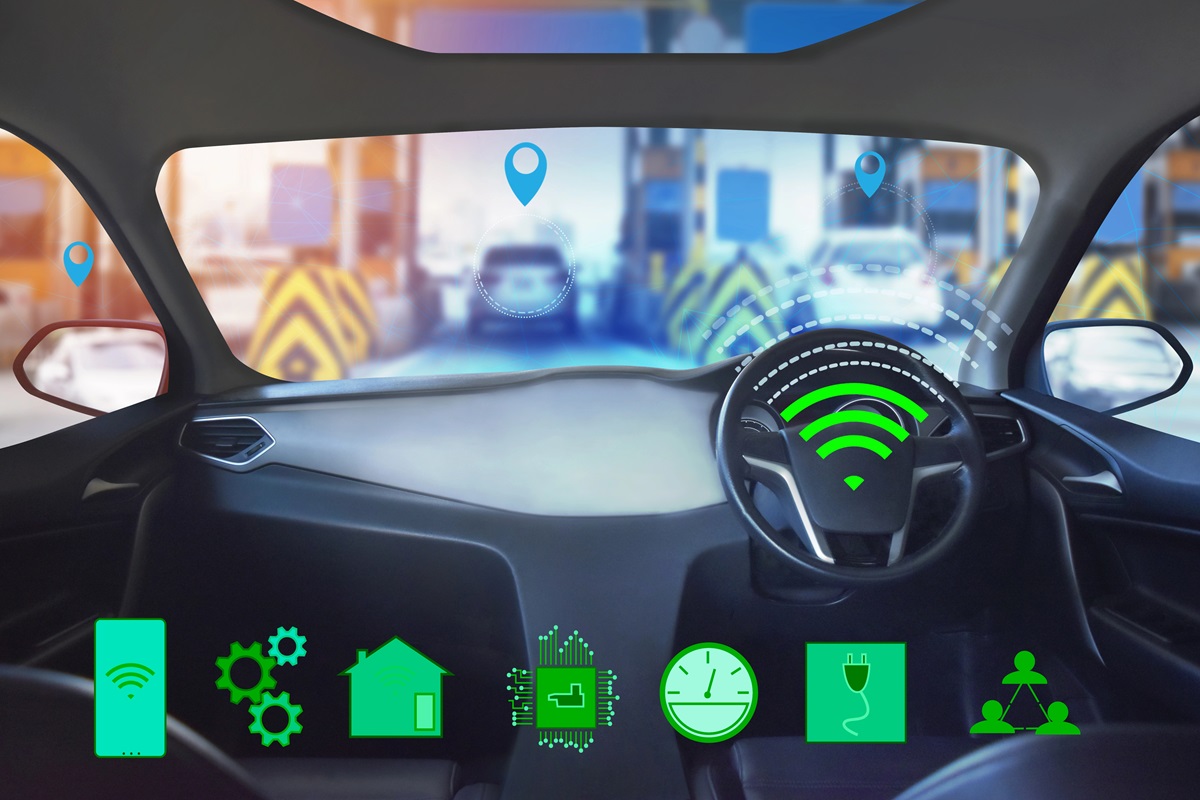
Many modern vehicles now come equipped with built-in Wi-Fi, allowing passengers to stream music, movies, and even work on the go. In-car Wi-Fi enables uninterrupted access to online entertainment without relying on mobile data. This feature is especially useful for long road trips, where streaming services and navigation apps require a stable connection.
Related: 12 Alternative Fuels That Could Make Gas Cars Obsolete
The evolution of in-car entertainment from CDs to streaming apps has transformed how drivers and passengers experience music and media. Bluetooth, voice control, and smartphone integration have replaced physical media, making entertainment more accessible and convenient. AI-driven playlists, in-car Wi-Fi, and gaming features have further enhanced the driving experience. As technology continues to evolve, the future of in-car entertainment will become even more immersive and personalized.
Disclaimer: This list is solely the author’s opinion based on research and publicly available information.
12 Road Car Engines So Good They Feel Like They’re From Another Planet

Some engines aren’t just mechanical marvels, they’re works of art. Whether it’s insane horsepower, next level engineering, or mind blowing reliability, these engines have earned their place in automotive history. Here are 12 road car engines that are so good, they feel like they’re from another planet!
Read it here: 12 Road Car Engines So Good They Feel Like They’re From Another Planet
12 Gas-Powered Cars That Outshine EVs In Style

While electric vehicles are making waves in the automotive world, there’s something undeniably special about the timeless style of gas-powered cars. From classic muscle cars to ultra-luxurious sedans, these vehicles boast design elements, craftsmanship, and character that EVs often struggle to match. Whether it’s bold aesthetics, aggressive stances, or iconic details, these gas-powered beauties prove that style isn’t just about efficiency, it’s about presence. Here are 12 gas-powered cars that outshine EVs in style
Read it here: 12 Gas-Powered Cars That Outshine EVs In Style
12 Alternative Fuels That Could Make Gas Cars Obsolete

As the world shifts toward sustainability, alternative fuels are gaining traction as viable replacements for gasoline. These fuels promise lower emissions, increased efficiency, and reduced dependence on fossil fuels, paving the way for a cleaner transportation future. Here are 12 alternative fuels that could eventually render gas-powered cars obsolete.
Read it here: 12 Alternative Fuels That Could Make Gas Cars Obsolete
You’ll love these related posts:
- 14 Shocking Reasons Owning a Car Could Soon Be Obsolete
- 15 Futuristic Auto Features That Feel Straight Out of a Sci-Fi Movie
- 11 Hidden Cybersecurity Threats That Could Shut Down Your Car Instantly
- 13 Terrifying Ways Driving Will Change Forever By 2030
- 13 Shocking Truths About The Trade War That Dealership Won’t Tell You