While many automakers embrace an electric future, some legendary brands remain committed to traditional engines. Whether due to heritage, engineering philosophy, or market strategy, these companies continue resisting the EV shift. They believe combustion engines offer superior emotion and performance. Here’s a look at automakers still holding out.
Bugatti

Bugatti is known for pushing performance limits, relying on its iconic W16 engines instead of battery power. The brand believes EVs can’t match the raw power and emotion of its combustion hypercars. Though Rimac now owns Bugatti, no fully electric model has been announced. Until battery tech improves significantly, that won’t change.
Koenigsegg
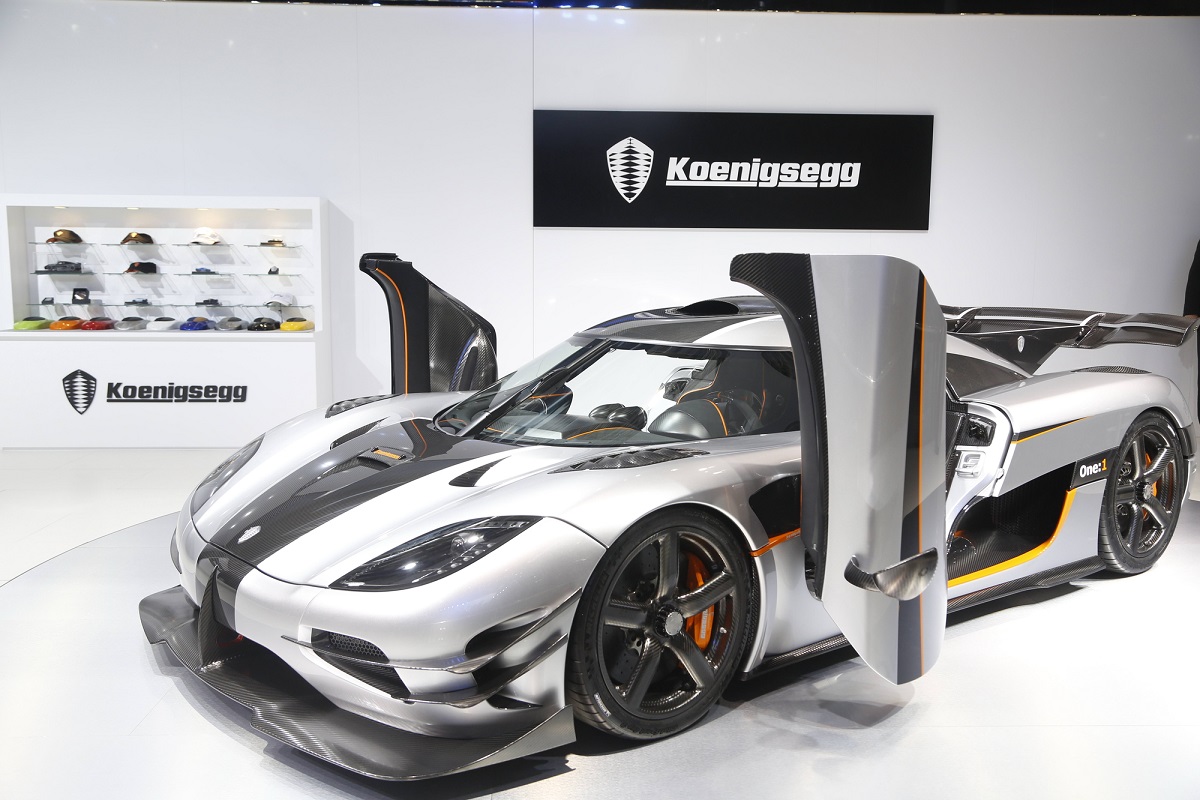
Koenigsegg refuses to abandon combustion, using cutting-edge tech like camless engines and hybrid-assisted turbos. The brand prioritizes lightweight engineering, which heavy EV batteries don’t support. While hybrids exist, a full EV doesn’t fit Koenigsegg’s philosophy yet. The company remains committed to pushing combustion advancements further.
Pagani

Pagani believes electric cars lack the emotional connection that combustion engines provide. The brand’s handcrafted supercars emphasize sound, feel, and mechanical engagement. Until batteries can replicate a V12’s visceral experience, Pagani will resist electrification. The company values tradition over modern technological changes.
Morgan

Morgan’s lightweight roadsters embrace traditional motoring, favoring natural aspiration over modern tech. The brand prioritizes simplicity, avoiding the complexity of electric drivetrains. Morgan’s heritage and customer demand keep it firmly rooted in combustion engines. Its timeless driving experience remains its primary selling point.
Related: 12 Gas-Powered Cars That Outshine EVs In Style
Caterham

Caterham’s cars are built for agility, and adding heavy batteries contradicts that philosophy. The brand’s iconic Seven models rely on compact gasoline engines for optimal power-to-weight balance. Until battery tech advances significantly, an electric Caterham is unlikely. The company prioritizes simplicity, tradition, and mechanical driving purity.
Related: 11 Ford Bronco Facts Every Owner (and Fan) Needs To Know
TVR

TVR’s return to the market remains centered on raw, high-horsepower V8 performance. The brand’s lightweight sports cars focus on driver engagement, which an EV’s weight and silence can’t replicate. TVR remains committed to traditional power for now. Electric models don’t fit its aggressive design philosophy or thrilling driving dynamics.
Related: 11 Supercars With Designs Inspired By Jets, Rockets, And Sci-Fi
Dodge

Dodge built its brand on V8 muscle cars, prioritizing raw power and sound. While it’s introducing hybrid models, the company remains hesitant about fully electric muscle cars. For now, Dodge continues catering to drivers who crave combustion performance. A silent electric Challenger wouldn’t capture its legendary muscle car essence.
Related: 13 Classic Sports Cars You Can Own Without Constant Repairs
Ram

Ram trucks are designed for towing and hauling, areas where gasoline and diesel still dominate. While competitors push electric pickups, Ram remains committed to traditional powertrains. The brand is taking a slow approach to EV adoption. Many truck buyers still prefer proven, fuel-powered reliability and long-distance capability.
Related: 12 Insider Tips Every Toyota Highlander Owner Should Know
Suzuki

Suzuki’s global success comes from producing affordable, fuel-efficient cars. The brand focuses on hybrids rather than full EVs, especially in emerging markets. Until electric infrastructure improves, Suzuki sees little reason to transition completely. Cost-conscious buyers remain a key part of Suzuki’s market strategy and long term growth.
Related: 12 Corvette Competitors That Are Bringing The Heat In 2026
Lamborghini

Lamborghini’s naturally aspirated V10 and V12 engines define its identity. While the brand is adding hybrid technology, it hasn’t confirmed a full EV. Lamborghini remains focused on delivering the emotion and power its customers expect. A silent Lamborghini wouldn’t deliver the same thrilling supercar experience.
Related: 12 Honda Cars That Are Set To Dominate The Roads In 2025
Rolls-Royce

Rolls-Royce is slowly transitioning toward electric but still values its powerful V12 engines. While an EV is coming, the brand remains committed to smooth, refined combustion power. Rolls-Royce won’t rush to abandon tradition. Luxury buyers still appreciate the prestige and timeless appeal of a V12.
Related: 11 Must-Know Tire Buying Tips That Every Driver Should Read
McLaren

McLaren embraces hybrid tech but hasn’t committed to full electrification. The brand prioritizes lightweight engineering, making heavy EV batteries a challenge. Until battery technology improves, McLaren is sticking with combustion assistance. Its focus remains on performance, aerodynamics, and driving engagement.
Related: 12 Underrated Japanese Cars That Just Won’t Die
Aston Martin

Aston Martin is known for luxurious, high-performance combustion engines. While the company is developing hybrids, full electrification isn’t a priority yet. Aston Martin remains cautious about losing the signature driving experience its buyers love. For now, tradition outweighs rapid technological adoption.
Related: 12 Stunning Volkswagens That Redefined Style And Performance
While the auto industry pushes EVs, these brands continue resisting change. Whether for heritage, performance, or strategy, they remain committed to combustion power, for now. As regulations tighten, they may have to reconsider. Until then, tradition keeps these engines alive.
Disclaimer: This list is solely the author’s opinion based on research and publicly available information.
11 Japanese Car Brands That Influenced The Auto Industry

Japan has shaped the global auto industry with innovation, reliability, and groundbreaking performance. From fuel-efficient compacts to high-powered sports cars, Japanese brands have redefined engineering standards and motorsport dominance. Their influence spans decades, with advancements in technology, safety, and efficiency that continue to push the industry forward. Here are 11 brands that left a lasting mark on automotive history.
Read it here: 11 Japanese Car Brands That Influenced The Auto Industry
12 Car Brands That Might Not Make It Through the EV Takeover

The electric vehicle revolution is reshaping the automotive industry, and not every car brand will survive the transition successfully. Legacy automakers with outdated strategies, struggling finances, or a slow approach to electrification could face serious trouble in the coming years ahead. As governments push for EV adoption and consumers demand better battery technology, these brands may struggle to keep up, or disappear entirely from the market forever.
Read it here: 12 Car Brands That Might Not Make It Through the EV Takeover
15 Car Brands That Have Earned Insane Loyalty From Their Customers

Some car brands don’t just sell vehicles, they create lifelong fans. Whether it’s through bulletproof reliability, exhilarating performance, or cutting-edge innovation, these brands have earned die-hard loyalty. From rugged off-roaders to sleek luxury sedans, these manufacturers know how to keep customers coming back. They’ve built trust, passion, and an unbreakable customer connection.
Read it here: 15 Car Brands That Have Earned Insane Loyalty From Their Customers
You’ll love these related posts: