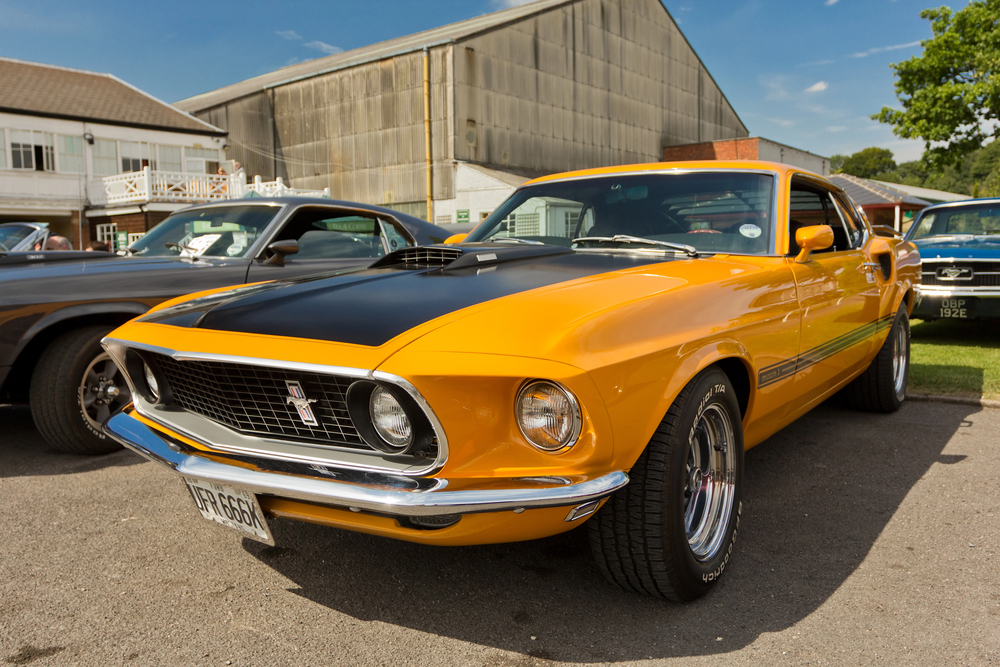
The electric vehicle revolution is reshaping the automotive industry, and not every car brand will survive the transition successfully. Legacy automakers with outdated strategies, struggling finances, or a slow approach to electrification could face serious trouble in the coming years ahead. As governments push for EV adoption and consumers demand better battery technology, these brands may struggle to keep up—or disappear entirely from the market forever.
Chrysler
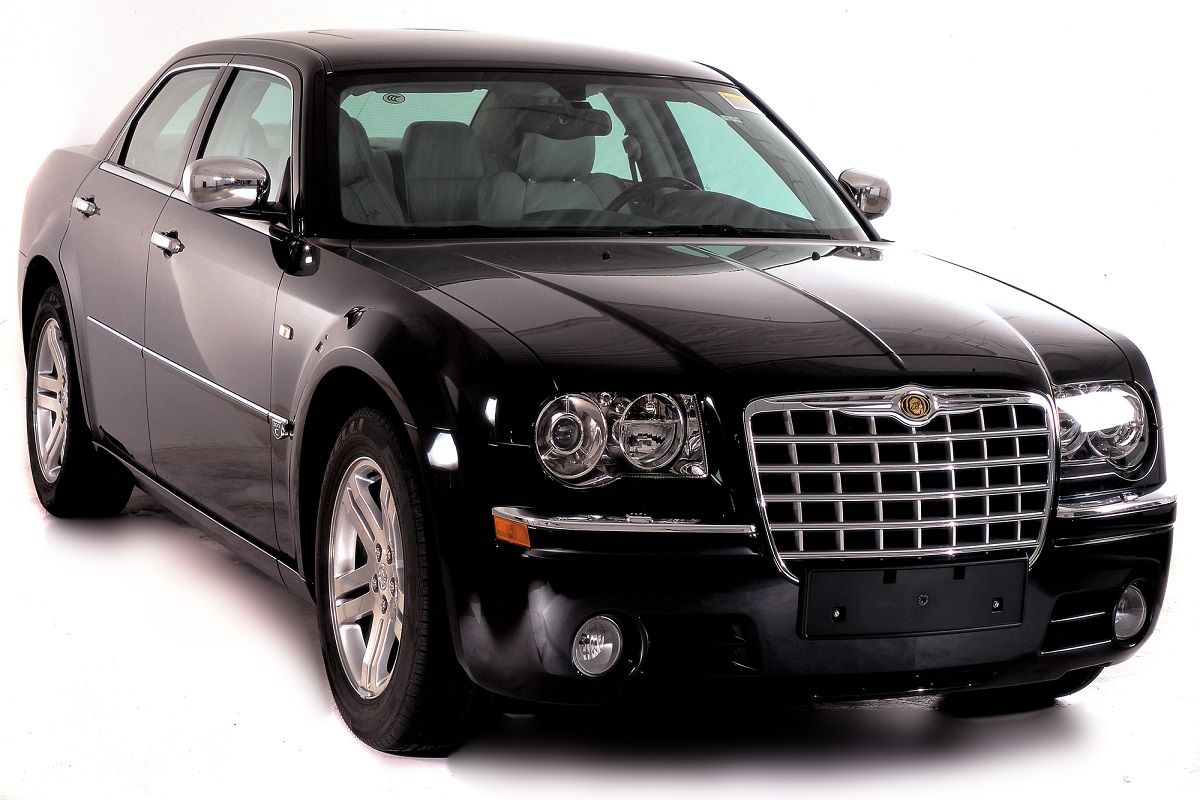
Once an American icon, Chrysler now survives on a shrinking lineup, minimal investment in electrification, and outdated design. While parent company Stellantis has ambitious EV plans, Chrysler has yet to introduce a mass-market electric vehicle successfully, leaving its future uncertain in an industry shifting rapidly toward EVs and modern technology.
Mitsubishi

Mitsubishi has fallen behind in innovation, relying heavily on aging models, outdated features, and weak global sales performance. With few electric models in development or production, the brand risks being overshadowed by more aggressive competitors globally, making survival in the EV era increasingly difficult and uncertain.
Alfa Romeo
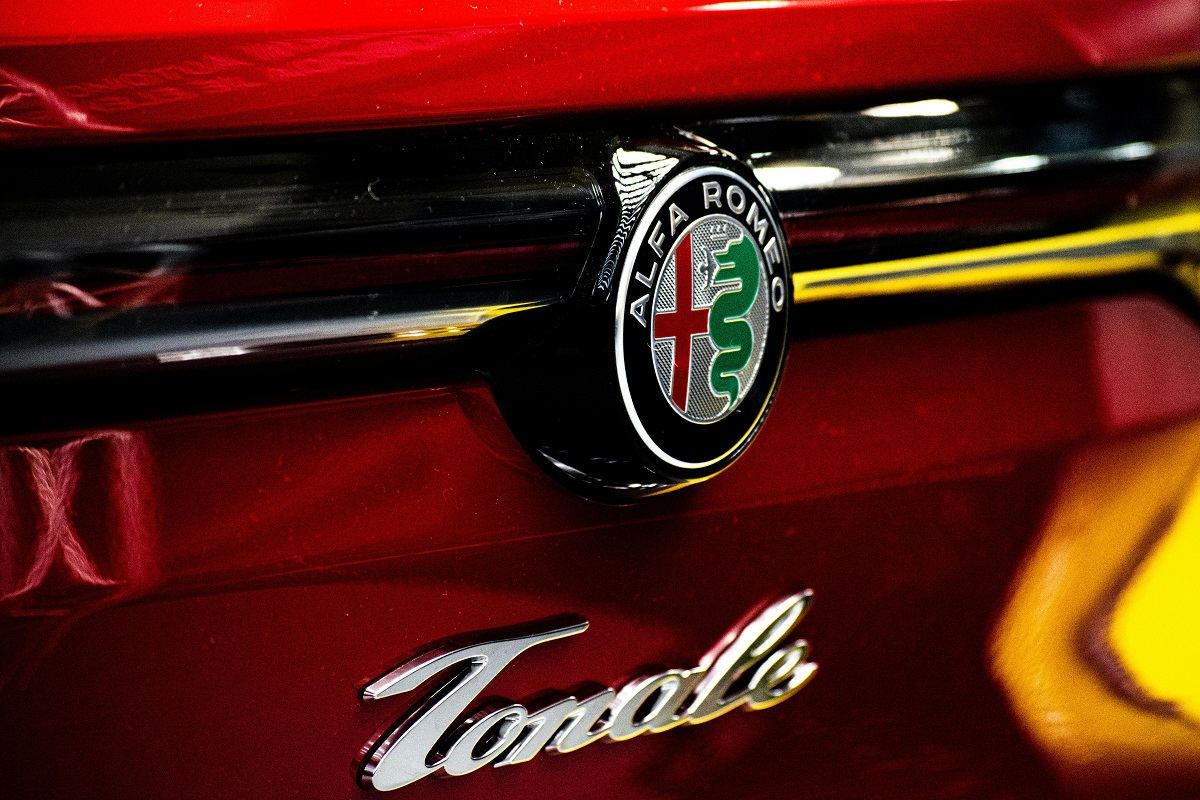
Despite its passionate fan base, Alfa Romeo has struggled with sales, reliability issues, and an unclear EV roadmap. As luxury automakers race to electrify their brands and lineups, Alfa’s lack of a compelling EV strategy puts its survival at risk, especially against rivals like Tesla, BMW, and Mercedes-Benz worldwide.
Dodge
Dodge is known for its powerful V8 muscle cars, but with emissions regulations tightening worldwide, that legacy is in jeopardy soon. The brand has promised an electric muscle car lineup, but whether it can capture the same excitement, engagement, and market appeal remains to be seen, making its future highly uncertain.
Related: 15 Insanely Clever Driving Hacks Every Car Owner Wishes They Knew Sooner
Jaguar
Jaguar was an early EV adopter with the I-PACE model, but it has struggled with sales, identity, and global market positioning. While plans to go fully electric by 2025 sound ambitious and forward-thinking, financial struggles and inconsistent management could put Jaguar’s future at risk or even worse.
Related: 11 Hidden Ways The Trump Trade War Is Quietly Driving Up Car Prices
Buick

Buick has relied on a shrinking, older customer base for decades, with its strongest market being China and some U.S. cities. While GM is pushing EVs across multiple brands aggressively, Buick’s weak presence in the U.S. and limited innovation could spell trouble if it fails to attract younger, more tech-savvy EV buyers.
Related: 12 Scary Car Warning Lights and Sounds You Should Never Ignore
Infiniti
Nissan’s luxury brand, Infiniti, has fallen behind premium competitors in electrification, market presence, and cutting-edge automotive innovation. While its parent company has EV experience with the Nissan Leaf, Infiniti’s lack of a compelling EV lineup makes its future uncertain in the evolving and highly competitive luxury market segment.
Lotus

Lotus has entered the EV space with the Evija hypercar, but its low production volume, niche appeal, and high pricing could make survival difficult. Competing with mainstream EV brands, high-performance manufacturers, and luxury powerhouses like Porsche and Tesla will be an uphill battle, requiring significant innovation and investment soon.
Related: 15 Nostalgic ’80s & ’90s Cars That Are Making A Comeback
Genesis
Hyundai’s luxury division, Genesis, has seen success in its early years but still has a developing EV strategy and market presence. While Genesis has promising models like the GV60, its long-term survival depends on gaining a stronger foothold in the premium EV space, where competition remains fierce and ever-changing.
Related: 15 Cars That Defined Boomer Childhoods and Are Now Ultimate Collectibles
Maserati
Maserati has announced plans for an electric future ahead, but its inconsistent track record in innovation, reliability, and consumer appeal raises concerns. Competing against Tesla, Lucid, and traditional luxury brands like Mercedes-Benz may be a challenge, potentially putting Maserati’s survival at risk in the ever-evolving automobile industry.
Acura
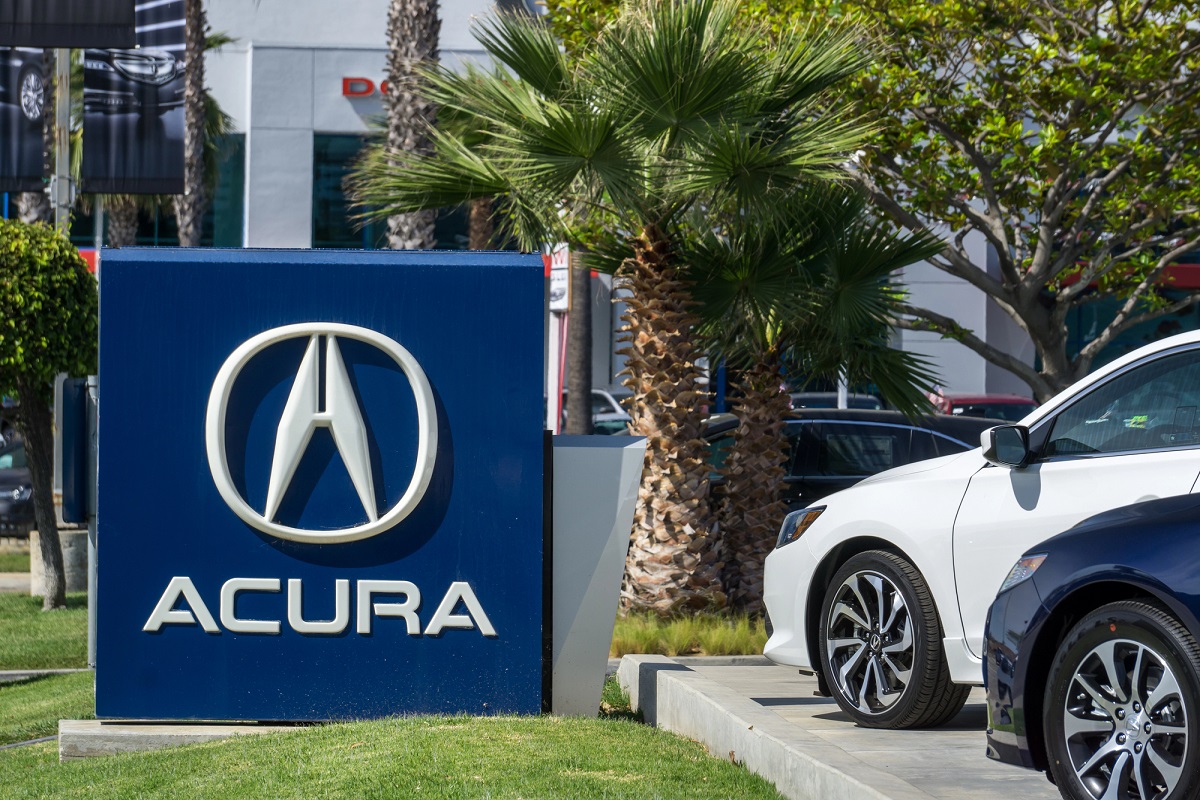
Honda’s luxury arm, Acura, has yet to establish a strong EV presence, brand loyalty, and consumer trust in the growing electric space. With premium brands like Mercedes, BMW, and Audi leading the EV charge aggressively, Acura must act quickly to avoid being left behind or fading into irrelevance completely.
Related: 15 Game Changing Car Tricks That Will Transform How You Drive
Suzuki

Suzuki’s focus on small, affordable cars has worked well in developing markets but faces challenges adapting to EV technology. As electrification becomes the industry norm worldwide, Suzuki may struggle to compete with larger automakers making aggressive EV investments, which could ultimately threaten the brand’s longevity and sustainability.
Related: 12 Scary Car Emergencies and Exactly What to Do to Stay Safe
The EV revolution is not just about new technology, it’s about survival, adaptability, and market competitiveness. Brands that fail to innovate, electrify, or capture consumer interest could vanish in the coming years, unable to keep up with evolving trends. While some automakers will adapt and thrive with aggressive EV strategies, others may not make it through the transition successfully. As the industry evolves, only the most forward-thinking automakers will remain standing, shaping the future of transportation in a rapidly electrifying, competitive, and dynamic world.
Disclaimer: This list is solely the author’s opinion based on research and publicly available information.
12 Cheap Electric Cars That Won’t Leave You Stranded

Switching to an electric vehicle (EV) doesn’t have to mean sacrificing affordability or range. Many budget-friendly EVs offer impressive mileage per charge, modern features, and reliable performance without breaking the bank. Whether you’re looking for a compact city commuter or a longer-range option for road trips, these 12 affordable electric cars ensure you get the best value without constantly worrying about charging.
Read it here: 12 Cheap Electric Cars That Won’t Leave You Stranded
14 Hybrid SUVs That Are Crushing Gas Cars in 2025

Hybrid SUVs are rapidly outpacing traditional gasoline-powered vehicles in 2025, offering superior fuel efficiency, lower emissions, and cutting-edge technology. With stricter environmental regulations and rising fuel costs, automakers are focusing on hybrid powertrains to deliver better performance and sustainability. These SUVs combine electric motors with gasoline engines to maximize efficiency while maintaining the power and convenience of conventional SUVs
Read it here: 14 Hybrid SUVs That Are Crushing Gas Cars in 2025
Luxury Electric Sedans: Which One Reigns Supreme?

Luxury electric sedans offer top-tier performance, advanced technology, and premium comfort. Automakers are pushing boundaries with cutting-edge design, high-end interiors, and impressive range. With so many options on the market, choosing the best one can be challenging. Here’s how today’s top luxury EVs compare.
Read it here: Luxury Electric Sedans: Which One Reigns Supreme?
You’ll love these related posts:
- Car Maintenance Made Easy: 15 Essential FAQs Every Driver Should Read!
- Mechanic-Approved! 12 Expert Answers to Your Car Problems
- The Ultimate Car Owner’s Guide: 15 Common Auto Questions Solved
- 13 Self-Healing Car Paint That it Finally Becoming a Reality?
- 12 Cheapest Electric Cars That Still Have Great Range