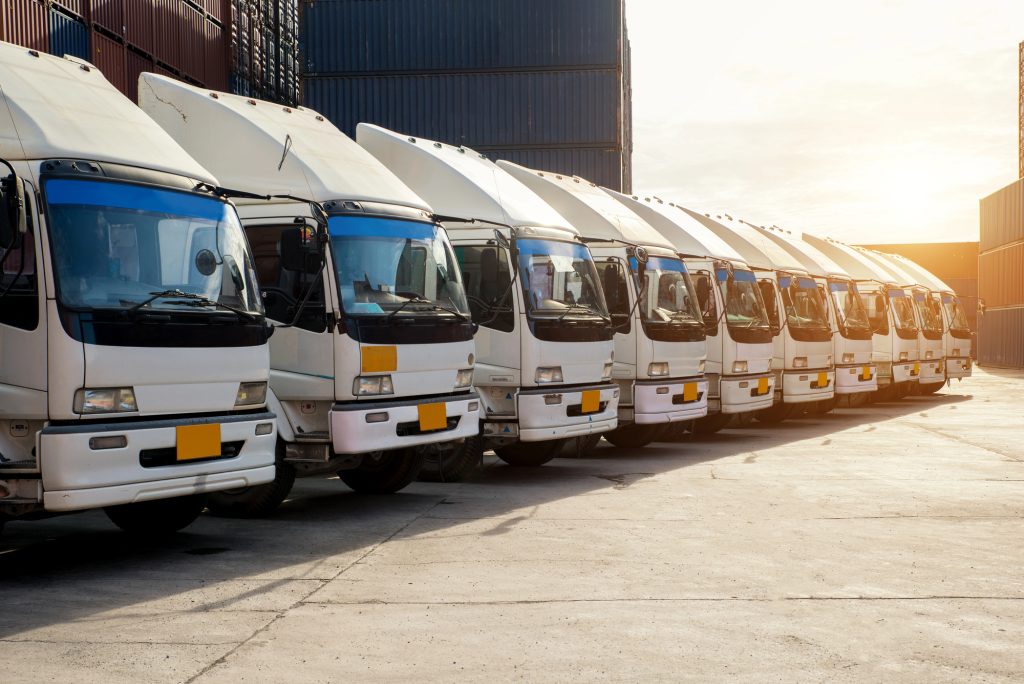
The trucking industry is at a turning point, with diesel-powered trucks facing competition from electric alternatives. As technology advances and environmental concerns grow, many are questioning whether diesel trucks will remain dominant or if electric trucks will take over the roads. Factors such as cost, efficiency, infrastructure, and sustainability play crucial roles in this debate. Trucking companies, independent drivers, and policymakers all have a stake in determining the future of freight transportation.
Fuel Costs

Diesel prices fluctuate based on global oil markets, sometimes making operations unpredictable for trucking companies. Electric trucks, on the other hand, benefit from lower energy costs, especially when charged during off-peak hours. Over time, reduced fuel expenses could make electric trucks a more economical choice for long-term use.
Initial Purchase Price

Diesel trucks have a significantly lower upfront cost compared to electric trucks, making them more accessible to independent drivers and small businesses. Electric trucks, while more expensive initially, may become more affordable as battery technology advances and production scales up. The long-term savings on fuel and maintenance could help offset the high initial investment.
Maintenance Requirements
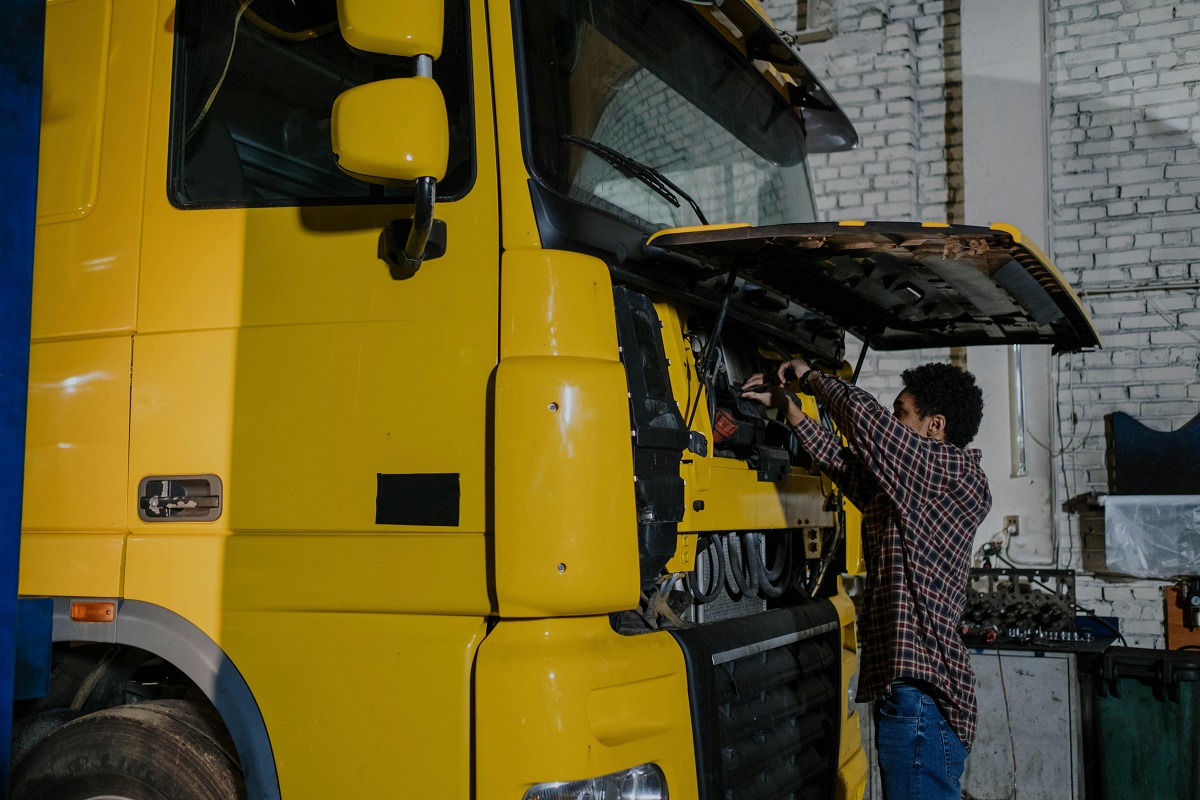
Diesel engines require regular maintenance, including oil changes, filter replacements, and emissions system upkeep. Electric trucks have fewer moving parts and don’t require oil changes, reducing the overall maintenance burden. This lower maintenance demand could lead to fewer breakdowns and increased uptime for truckers.
Environmental Impact

Diesel trucks emit carbon dioxide, nitrogen oxide, and other pollutants that contribute to air pollution and climate change. Electric trucks produce zero tailpipe emissions, making them a cleaner option for the environment. With stricter emissions regulations worldwide, companies may be incentivized to adopt electric vehicles.
Related: 13 Brilliant Ways Car Designers Are Making Vehicles Greener Than Ever
Range and Battery Life

Diesel trucks can travel long distances on a single tank, making them ideal for long-haul routes. Electric trucks currently face limitations in range due to battery capacity, though advancements in battery technology are improving this issue. As charging networks expand and battery efficiency increases, electric trucks could become more viable for long-distance transportation.
Related: 15 Classic Czech Cars That Were Engineering Marvels
Charging Infrastructure

While diesel refueling stations are widespread and easily accessible, electric charging infrastructure is still developing. Trucking companies considering electric fleets must account for the availability of charging stations along their routes. A well-established charging network will be crucial for electric trucks to compete with diesel.
Related: 15 Insane Dodge Ram Builds That Will Make You Rethink Pickup Trucks
Government Incentives

Many governments are offering incentives, tax breaks, and grants to encourage the adoption of electric trucks. These financial benefits can help offset the high initial cost and make electric trucks more attractive to fleet operators. Diesel trucks, however, may face increasing taxes and stricter emissions regulations that add to their long-term costs.
Related: 12 Jaw Dropping Jaguar Classics That Every Collector Dreams Of
Power and Performance

Diesel trucks have long been valued for their powerful engines and high torque, making them capable of handling heavy loads. Electric trucks, while still developing, offer instant torque and smoother acceleration, which can improve driving efficiency. As battery and motor technology improve, electric trucks may soon rival or surpass diesel in performance.
Related: 13 Jaw-Dropping Reasons Car Lovers Are Obsessed With AI-Powered Vehicles
Fleet Transition Challenges
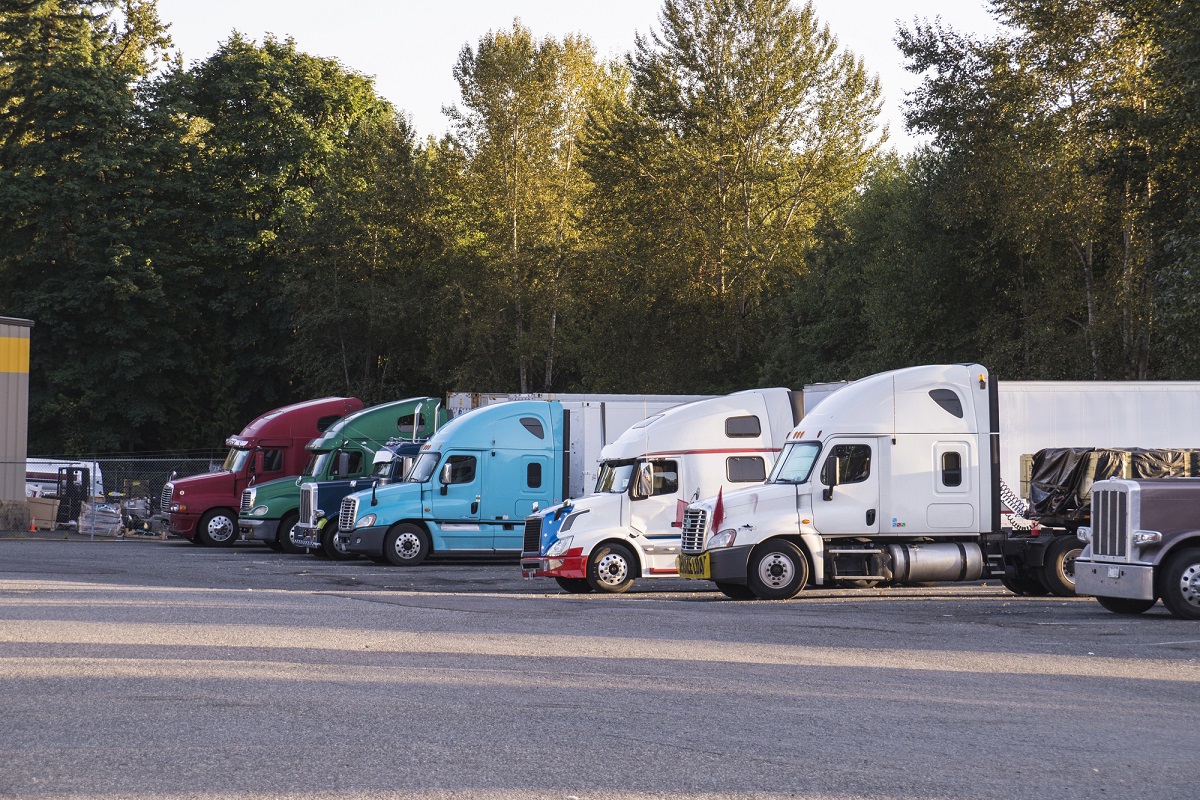
For companies with large diesel fleets, transitioning to electric requires significant investment in new vehicles, charging infrastructure, and driver training. This transition is not immediate and must be planned strategically to avoid disruptions. While beneficial in the long run, the initial hurdles may slow widespread electric truck adoption.
Related: 11 Startling Reasons People Still Don’t Trust Self-Driving Cars
Energy Grid Dependence

Electric trucks rely on charging stations connected to power grids, which raises concerns about energy availability and demand surges. Diesel trucks are not dependent on electricity and can refuel quickly at any station. A more resilient power grid with renewable energy sources will be necessary to support widespread electric trucking.
Related: 12 Genius Reasons Rear Seat Passenger Detection Is Now A Must-Have
Long-Term Cost Savings

Although electric trucks have higher upfront costs, their lower fuel and maintenance expenses can result in long-term savings. Diesel trucks, while cheaper initially, may have higher operational costs over their lifetime. Companies must weigh these financial factors when considering fleet investments.
Related: 13 Legendary Car Brands That Refuse To Build Electric Vehicle
Adaptability to Different Routes

Diesel trucks are highly adaptable, functioning efficiently in various terrains and weather conditions. Electric trucks may face challenges in extreme weather, such as cold temperatures reducing battery efficiency. As battery technology advances, electric trucks will likely become more reliable across diverse routes.
Related: 13 Game-Changing Driver-Assistance Features That Are Saving Lives On The Road
The future of trucking is evolving, with diesel and electric trucks competing for dominance. While diesel remains the industry standard due to its reliability and widespread infrastructure, electric trucks offer promising advantages in cost savings, sustainability, and technological innovation. Challenges such as charging infrastructure and battery range must be addressed before electric trucks can fully compete. As regulations tighten and environmental concerns grow, the shift toward electric trucks may accelerate.
Disclaimer: This list is solely the author’s opinion based on research and publicly available information.
The Future of Electric Pickup Trucks: What’s Coming Next

Electric pickup trucks are advancing with greater range, power, and efficiency. Automakers are investing heavily in electrification, driving innovation in performance, technology, and sustainability. From next-gen batteries to enhanced towing, these trucks will redefine electric driving. Here are some key developments shaping their future.
Read it here: The Future of Electric Pickup Trucks: What’s Coming Next
11 Costly Mistakes People Make When Buying A Used Truck

Buying a used truck can be a smart way to save money, but one wrong move can turn your purchase into a costly headache. From overlooking key inspections to misjudging ownership costs, many buyers make mistakes that lead to unexpected repairs, safety issues, or financial losses. To ensure you get the best deal and avoid buyer’s remorse, knowing what to watch out for is crucial. Here are 11 costly mistakes people make when buying a used truck.
Read it here: 11 Costly Mistakes People Make When Buying A Used Truck
11 Things No One Tells You Before Buying A Diesel Vehicle
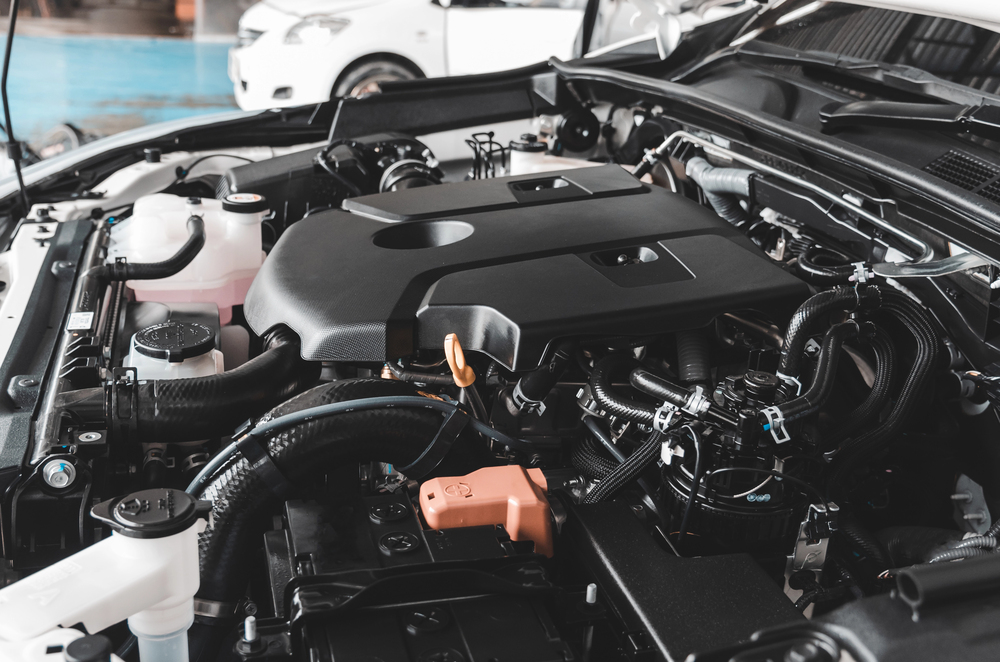
Diesel vehicles offer fuel efficiency, longevity, and strong towing capabilities, making them a popular choice for many drivers. However, there are several factors that potential buyers might not be aware of before making a purchase. From maintenance costs to emission regulations, owning a diesel vehicle comes with unique advantages and challenges. Here are 11 important things no one tells you before buying a diesel vehicle.
Read it here: 11 Things No One Tells You Before Buying A Diesel Vehicle
You’ll love these related posts:
- 12 Stunning Breakthroughs In Synthetic Fuels That Could Shake Up The Auto Industry
- 11 Awesome Reasons Why Automakers Are Turning Car Interiors Into High Tech Lounges
- The Engineering Marvels That Took Cars To A Million Miles
- 12 Insane Details About the Jet-Powered Volkswagon Camper Van That You Won’t Believe
- 14 Ways Social Media Is Changing How You Buy Cars