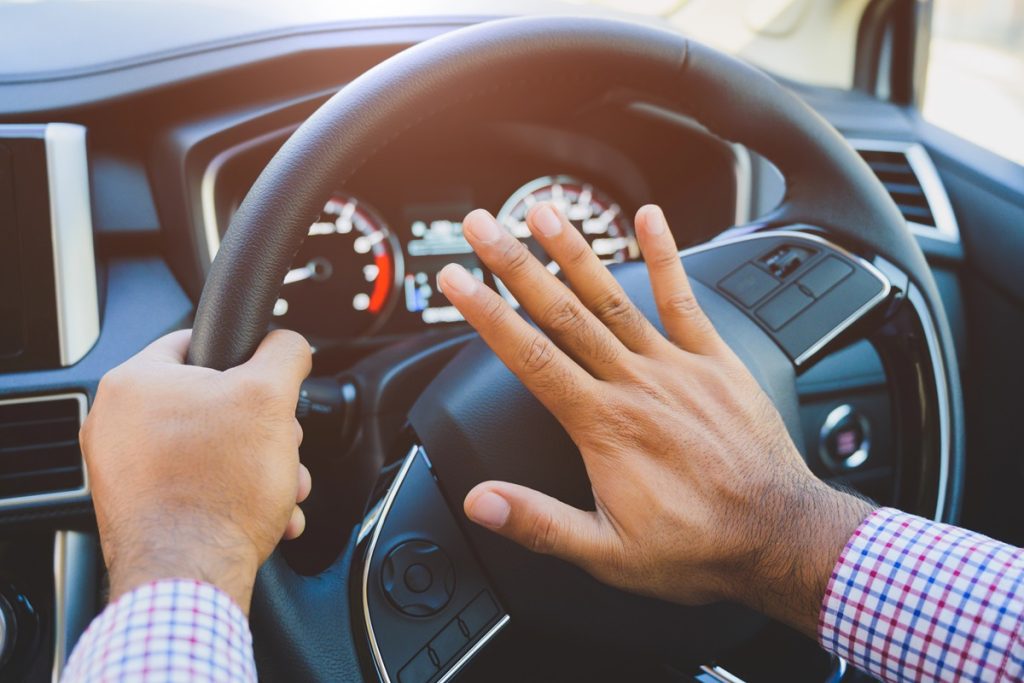
Modern cars aren’t just smarter, they’re becoming expert weather forecasters too. Thanks to real-time weather technology, vehicles can now adapt instantly to changing conditions, offering drivers safer, smoother, and more informed journeys. From advanced sensors to predictive analytics, today’s cars are more prepared than ever to tackle rainstorms, icy roads, and even unexpected fog. Let’s explore 10 brilliant ways real-time weather tech is helping cars stay one step ahead of the storm.
Real-Time Rain Detection Sensors
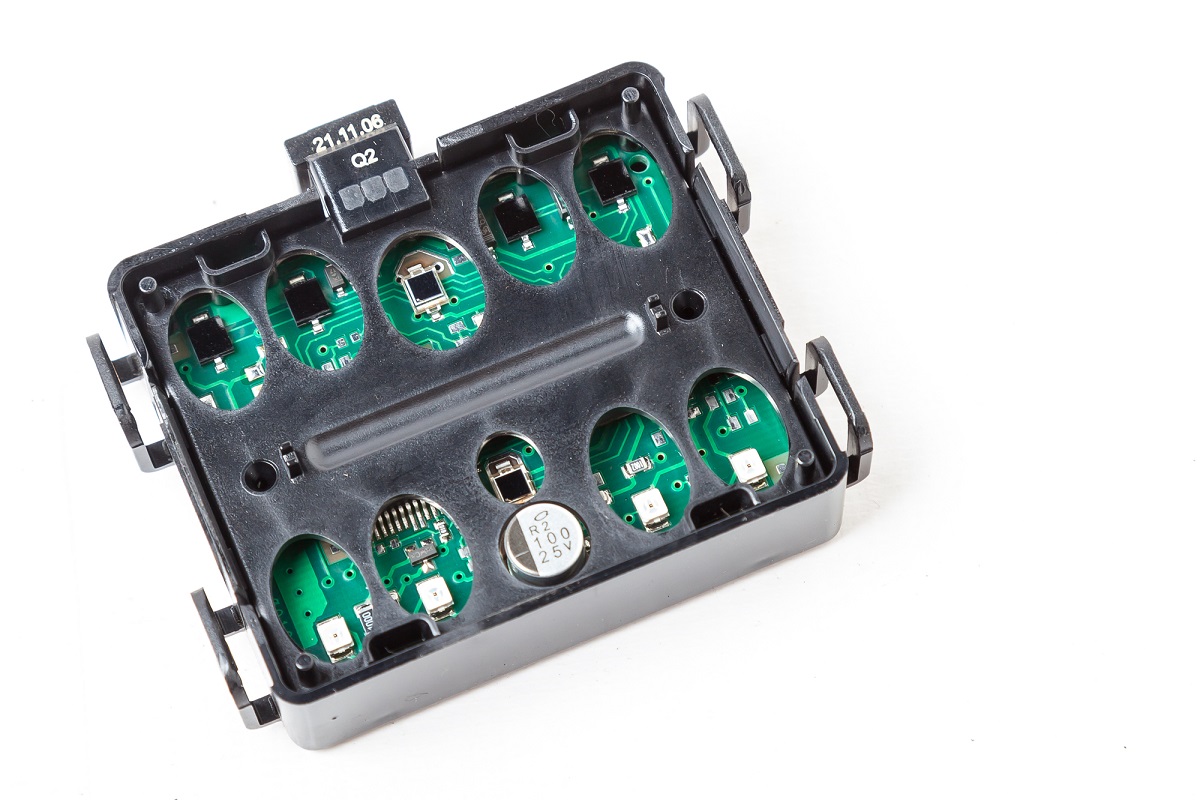
Modern vehicles use precise rain sensors to detect the first drops of precipitation and activate wipers automatically. These sensors adjust the wiper speed based on the intensity of the rain, ensuring maximum visibility without distracting the driver. This feature helps prevent delayed reactions during sudden downpours, which is critical for road safety.
Automatic Traction Adjustments for Wet Roads
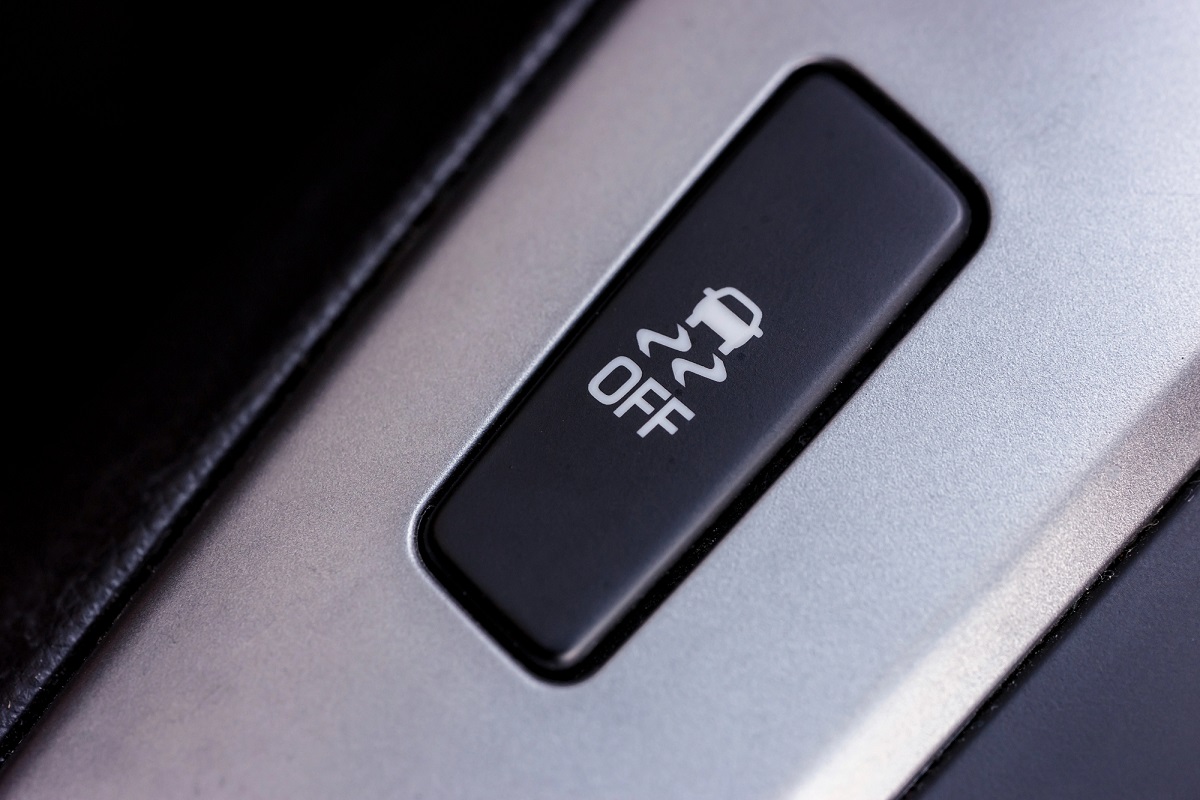
When real-time data detects rain or a slick surface, many cars can automatically adjust traction control and braking systems. These adaptations help drivers maintain stability and prevent skidding, especially during abrupt stops or sharp turns. By working silently in the background, they enhance safety without requiring driver intervention.
Instant Fog Light Activation
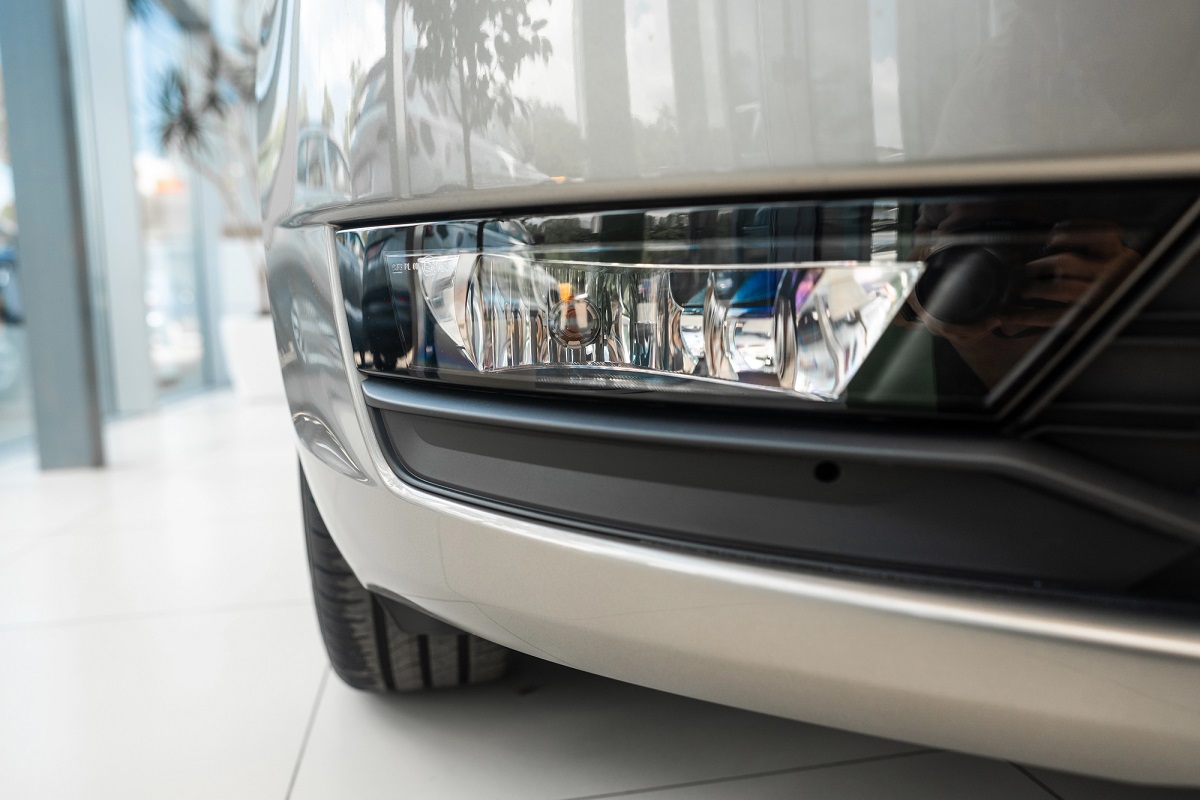
Some vehicles can detect changes in humidity and visibility that indicate approaching fog and automatically activate fog lights. This immediate response ensures that drivers are better seen by others while improving their ability to navigate through thick mist. It removes the guesswork and keeps journeys safer, especially on winding or rural roads.
Dynamic Speed Limit Adjustments

Certain connected vehicles can receive real-time updates about hazardous weather conditions ahead and suggest or enforce lower speed limits. This proactive system not only keeps drivers informed but also helps prevent accidents caused by driving too fast for the current road conditions. Dynamic speed adjustments make highways much safer during sudden weather shifts.
Related: 10 Quick Fixes That Could Get Your Dead Car Running Again
Ice Warning Alerts Based on Temperature and Road Data

Real-time weather tech combines temperature readings with sensor input to detect black ice risks and issue warnings to the driver. In some cases, these systems can even automatically reduce throttle response to prevent sudden slips. This heads-up notification system is particularly vital during early mornings and in areas prone to rapid temperature drops.
Related: 12 Survival Tips Your Car Needs Before Hitting A Desert Road Trip
Predictive Wind Gust Alerts

Some cars equipped with advanced weather data can alert drivers to strong crosswinds that could affect vehicle handling. These alerts give drivers a chance to adjust their speed or grip the wheel more firmly before being surprised by a sudden gust. It’s a small but vital warning that greatly improves stability and safety on exposed bridges and highways.
Related: 12 Car Vibration That Seem Harmless But Lead To Big Trouble
Automatic Window and Sunroof Closures
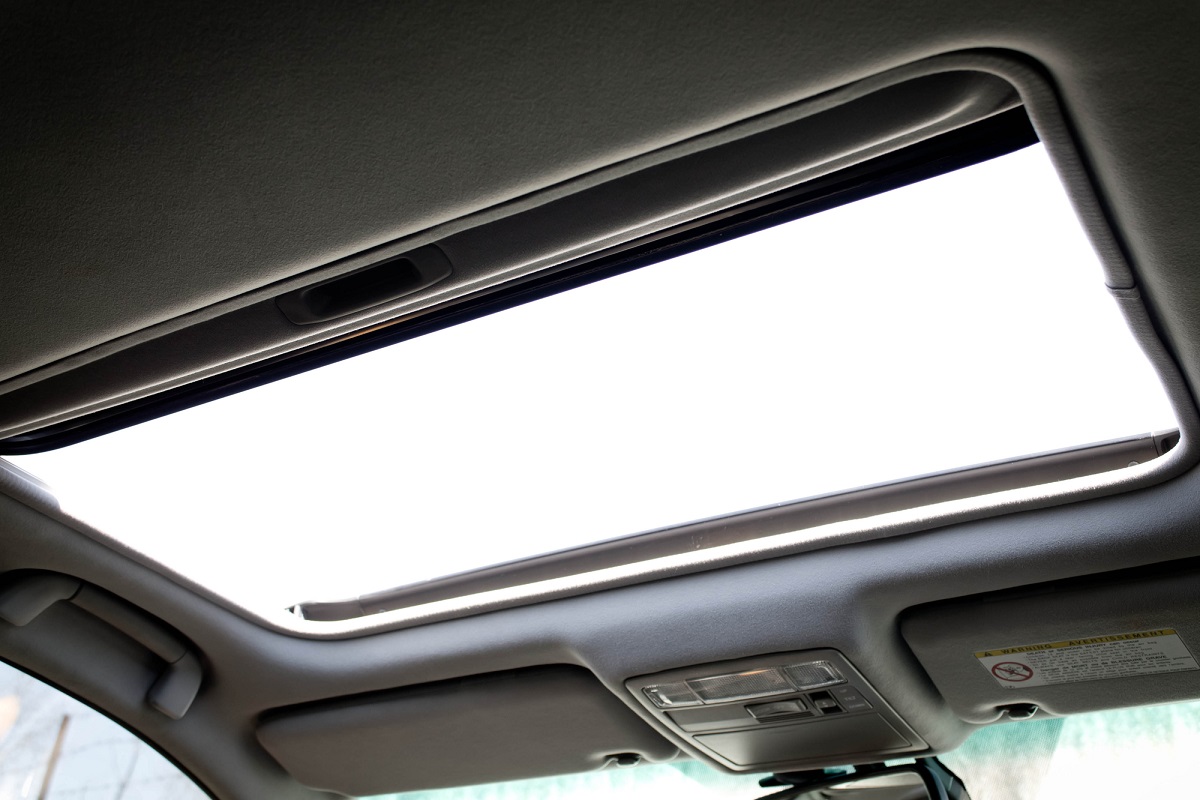
When rain is detected, some luxury and smart vehicles will automatically close open windows or sunroofs to prevent interior water damage. This feature is not just about comfort; it also prevents distractions or electrical issues caused by moisture inside the cabin. It’s a clever example of how real-time responsiveness can protect both the vehicle and its occupants.
Related: 10 Savage Machines That Run On Raw Cylinder Power
Real-Time Pothole and Flood Mapping
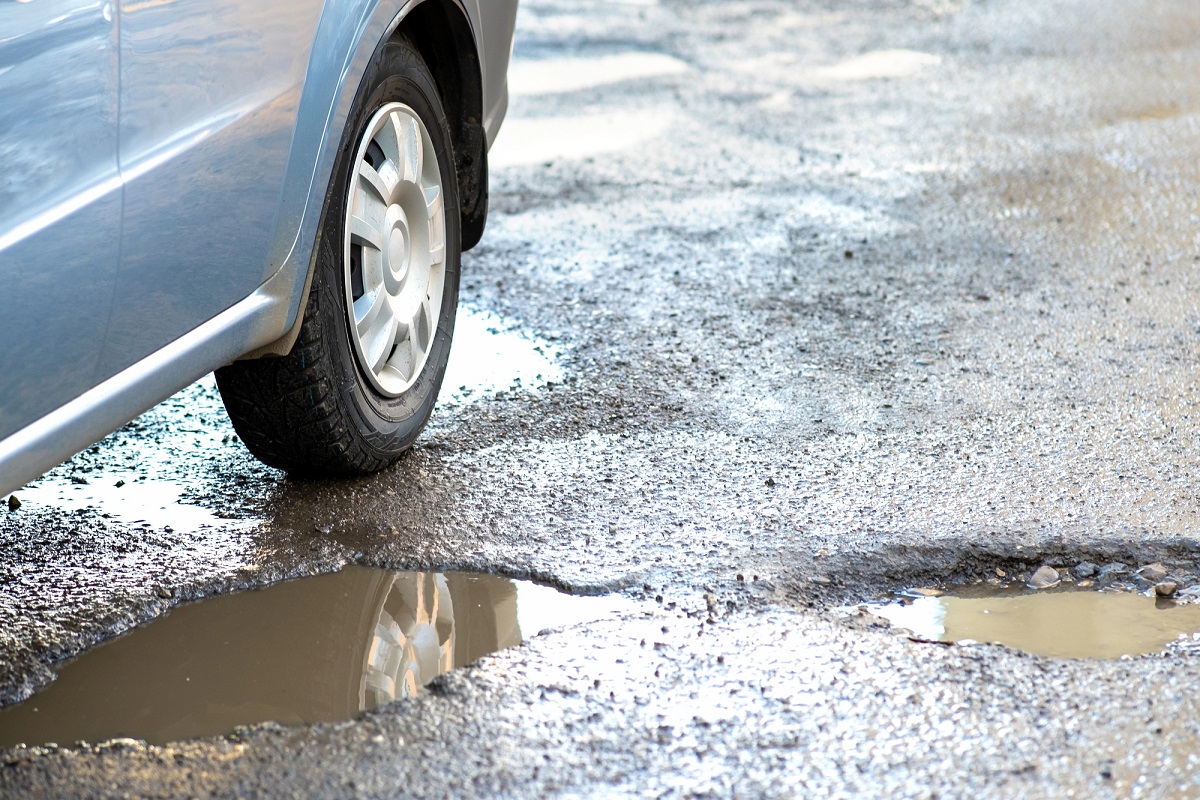
Newer navigation systems can integrate real-time road condition data, warning drivers about potholes, flooding, or other storm-related hazards ahead. Drivers are alerted early enough to change lanes or routes if needed, avoiding costly damage and dangerous situations. This feature turns weather reporting into an active defense against hidden road dangers.
Related: 10 Cars So Difficult To Drive They Terrify Pros
Tire Pressure Monitoring Systems Adjusted for Temperature Swings

Modern tire pressure monitoring systems (TPMS) now factor in real-time temperature changes to give more accurate alerts. As temperatures drop rapidly during a storm, tire pressure can fall, increasing the risk of blowouts or poor traction. These smarter systems help drivers act quickly before the weather-related pressure loss causes problems.
Related: 12 Car Market Shifts That Could Cost You Big This Spring
Adaptive Cruise Control that Adjusts to Weather
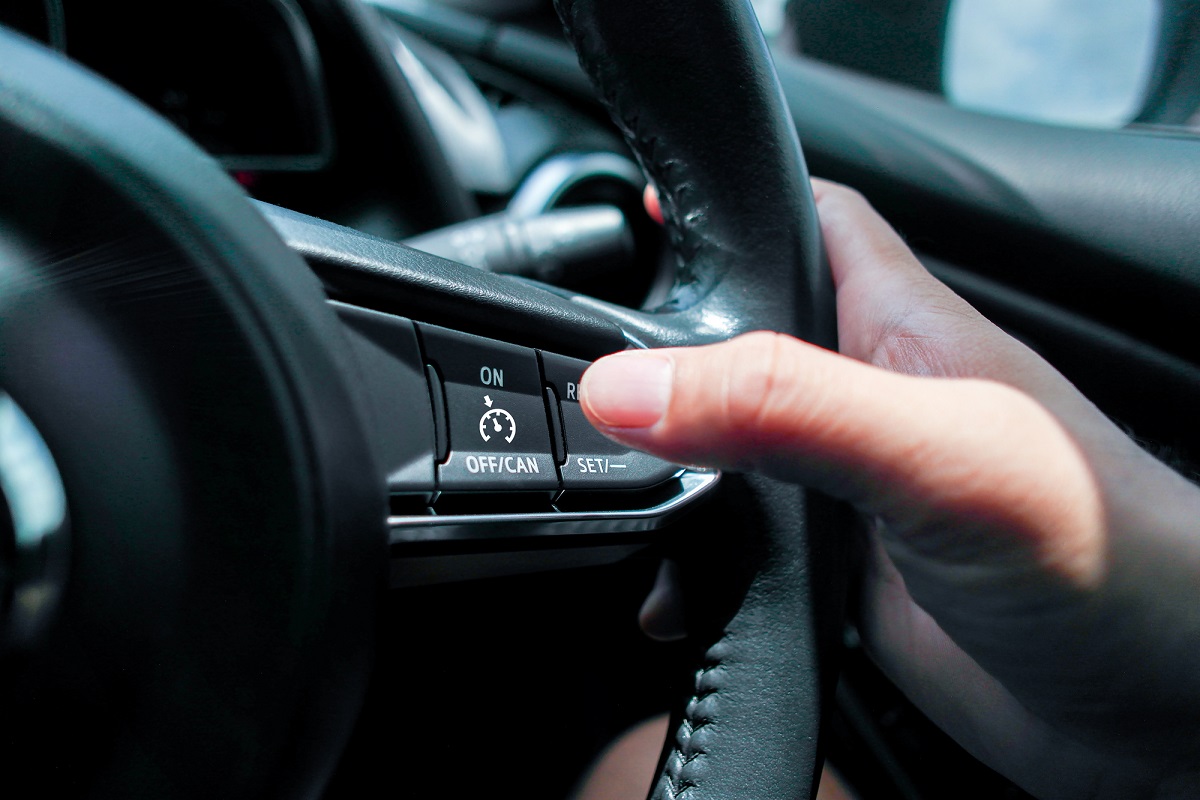
Some adaptive cruise control systems are now capable of factoring weather conditions into their automated driving decisions. If rain or fog is detected, the car may increase following distances and reduce cruising speed automatically. This creates a safer, more responsive form of assisted driving perfectly tuned to the surrounding environment.
Related: 11 Hidden Ways Car Air Purifiers Protect Your Health And Boost Comfort
Real-time weather technology is quietly revolutionizing the way we drive, making journeys far safer even when the skies turn hostile. By integrating environmental data into every aspect of vehicle performance, today’s cars are better equipped than ever to handle storms, floods, and ice. From instant warnings to dynamic route adjustments, these innovations show just how far car tech has come. The future of driving isn’t just smart, it’s storm-ready.
Disclaimer: This list is solely the author’s opinion based on research and publicly available information.
11 Life Saving Reasons Night Vision Features Are Essential For Every Driver

Driving at night can be one of the most dangerous aspects of being on the road, especially when visibility is limited and unexpected hazards can arise from anywhere. Fortunately, night vision technology is becoming more accessible in modern vehicles, offering drivers a powerful tool to detect danger long before it becomes visible to the naked eye. These systems use infrared sensors to read heat signatures and display what’s ahead even in complete darkness.
Read it here: 11 Life Saving Reasons Night Vision Features Are Essential For Every Driver
12 Eye-Opening Reasons Every Driver Needs A Dash Cam In 2025

Dash cams have become essential for modern drivers, offering protection, accountability, and valuable insights in unexpected situations. Whether for insurance claims, accident evidence, or security, these small devices provide peace of mind on the road. As technology advances, dash cams in 2025 will be more powerful, making them a must-have for every vehicle.
Read it here: 12 Eye-Opening Reasons Every Driver Needs A Dash Cam In 2025
12 Heated And Ventilated Seat Features You Didn’t Know You Needed
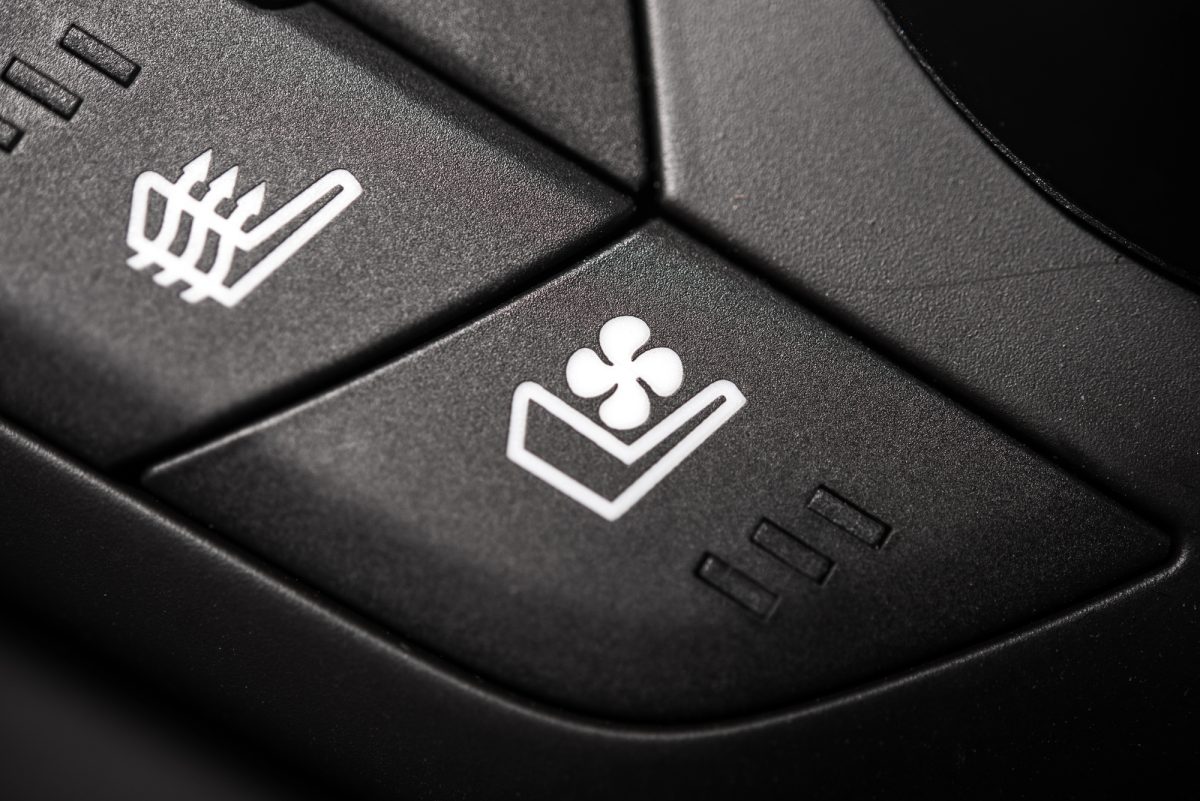
In today’s automotive world, comfort isn’t just a luxury, it’s an essential aspect of everyday driving. Heated and ventilated seats have transformed what we expect from our car interiors, combining technology and design to enhance the driver and passenger experience. These features go far beyond just warming or cooling; they reflect thoughtful innovations that support health, safety, convenience, and even performance. The following 12 features will show just how valuable these seats have become, and why they might just be the upgrade you didn’t realize you were missing.
Read it here: 12 Heated And Ventilated Seat Features You Didn’t Know You Needed
You’ll love these related posts:
- These 10 Dodge Charger Upgrades Are Flipping The Muscle Car Rulebook
- 10 Car Models That Trigger Deep Nostalgia And What It Means
- 10 Alarming Consequences Of Improper Car Disposal For Our Planet
- 10 Common Car Mistakes That Could Lead To A Towing Disaster
- 10 Red Flags Your Car Is Overloaded And How To Solve It Fast