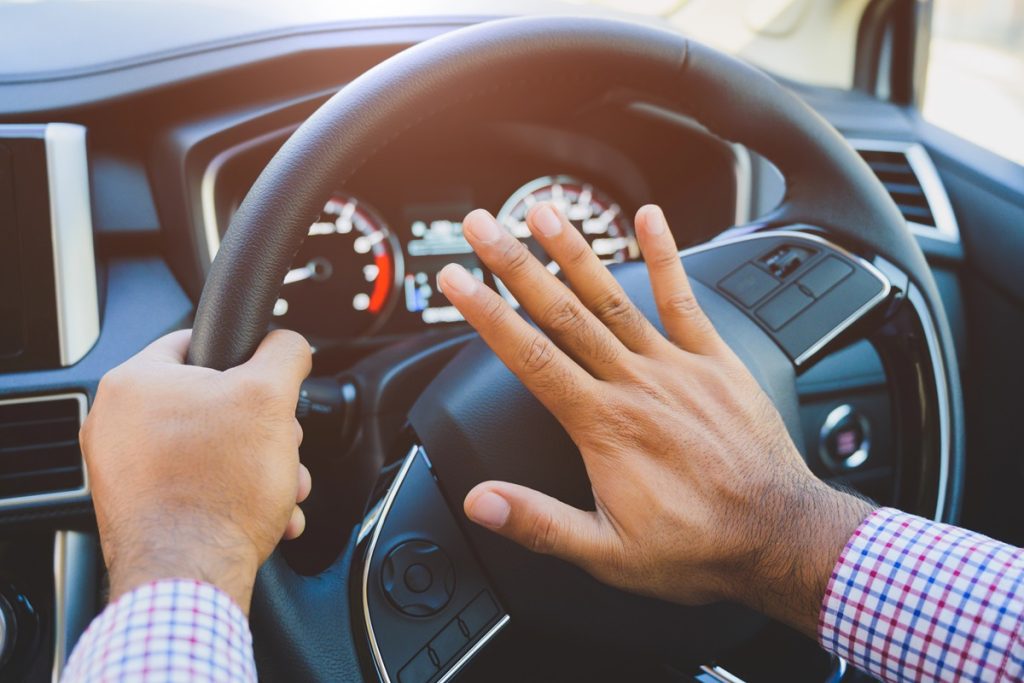
Brakes are your car’s most essential safety feature, but they rarely fail all at once. Instead, they send subtle warning signs long before disaster strikes, if you know what to listen for. From strange noises and new vibrations to an odd smell after stopping, each symptom tells a story. Here are 10 brake warning signs that could save your life and wallet if caught early.
Squealing or Screeching Sounds
A high-pitched squeal when you press the brake pedal usually means your brake pads are worn thin. Manufacturers design them with wear indicators that squeal on purpose as an early alert. Ignoring this sound can lead to rotor damage and expensive repairs. Catching it early means a simple pad swap fast and affordable.
Grinding Noise When Braking

Grinding is a sign that your brake pads are completely worn down and the metal backing is rubbing against the rotors. This causes deep grooves that ruin the rotor surface and reduce stopping power. It’s a clear sign of neglect and often results in costly replacements. Immediate attention is crucial to restore proper braking performance.
Vibrating Brake Pedal

If your brake pedal shakes or pulses when you stop, it could mean your rotors are warped. This often happens when they overheat from hard or repeated braking. The vibration reduces braking efficiency and can make it harder to stop safely. Replacing or resurfacing the rotors usually solves the issue.
Soft or Spongy Pedal Feel

A soft pedal that sinks to the floor may indicate air in the brake lines or a fluid leak. This compromises hydraulic pressure, making the brakes slow to respond. It’s one of the most dangerous symptoms and requires immediate inspection. Bleeding the lines or fixing the leak can restore firmness and safety.
Related: 11 Car Brands That Deliver The Best In-Car Audio Experience
Dashboard Brake Warning Light

Modern cars use sensors to detect brake problems and trigger warning lights. If you see the brake light or ABS light, don’t ignore it, it could mean low fluid, worn pads, or an electrical fault. These alerts are your car’s way of saying something needs attention. A quick diagnostic scan will uncover the issue
Related: 13 Eastern European Cars That Spark Nostalgia
Burning Smell After Braking

A sharp chemical or burning smell after hard braking usually points to overheated pads or clutch components. This is common after driving downhill or towing heavy loads. Overheating can cause brake fade and even lead to brake failure. Allowing brakes to cool and inspecting them afterward is key.
Related: 11 Small Luxury Cars That Offer Premium Performance
Brake Pedal Requires More Pressure

If you find yourself pressing harder than usual to stop, your brake pads could be near the end of their life. It may also indicate issues with the master cylinder or brake booster. Delayed response adds unnecessary risk to every drive. Replacing worn parts can bring braking effort back to normal.
Related: 12 Cars With The Best-Looking Rear Designs
Visible Fluid Leaks Near Wheels

Brake fluid leaks often leave a slick, amber-colored puddle near one or more wheels. This fluid is essential for hydraulic brake function. A leak in the system means a loss of pressure and a major safety hazard. Get it fixed before the pedal goes flat and leaves you with no stopping power.
Related: 11 Classic Cars That Resemble Hatchbacks But Aren’t
High-Pitched Clicking Sound

A clicking sound when applying the brakes could indicate a loose pad or component inside the caliper. The pad might be shifting or vibrating when the brakes are used. While it may not affect braking power immediately, it can cause uneven wear or damage over time. A simple inspection can confirm and correct the problem.
Related: 11 Classic Fiberglass Cars You Didn’t Know Came From Big Brands
Brake Pedal Feels Too Firm

An overly stiff pedal may point to issues with the brake booster or vacuum system. This makes it harder to brake efficiently, especially at lower speeds. It’s less common but can reduce confidence in your vehicle’s stopping power. Mechanics can diagnose booster or line issues and restore pedal feel.
Related: 12 Stunning Cars From The World’s Biggest Automakers
Your brakes will never stop warning you, if you know how to listen. Each sound, smell, and sensation is your car’s way of saying something’s wrong, and early detection is always cheaper than a full repair. These warning signs may seem small, but they carry serious consequences if ignored. Keeping your brake system in top shape isn’t just smart maintenance, it’s essential for your safety every time you hit the road.
Disclaimer: This list is solely the author’s opinion based on research and publicly available information.
10 Dangerous Risks You Take When You Skip Brake Flushes
Many drivers are unaware of the true power and purpose of the ‘B’ gear, especially in automatic and hybrid vehicles. Often overlooked and misunderstood, this gear plays a crucial role in vehicle control, particularly in situations requiring enhanced braking or when navigating tricky terrain. Knowing when and how to use the ‘B’ gear can save your brakes, improve safety, and prevent serious mechanical damage.
Read it here: 10 Dangerous Risks You Take When You Skip Brake Flushes
15 Secret Hazards Of Towing An AWD Car In Neutral That Could Lead To Expensive Repairs

Towing an all-wheel-drive (AWD) vehicle might seem straightforward, but there are hidden dangers that could cost you thousands in repairs if not done correctly. Many car owners assume placing their vehicle in neutral is a safe solution, but with AWD systems, this can lead to catastrophic damage. Understanding the specific risks and how to avoid them is essential to protecting your investment and ensuring safe towing practices.
Read it here: 15 Secret Hazards Of Towing An AWD Car In Neutral That Could Lead To Expensive Repairs
Mechanics Hate These 15 Tricks To Keep Your Motorcycle Running Like New

Keeping your motorcycle in peak condition doesn’t always require expensive repairs or constant trips to the shop. With the right knowledge and a few simple tricks, you can extend your bike’s lifespan and performance without breaking the bank. Many mechanics won’t tell you these secrets because they thrive on costly maintenance jobs. However, by taking charge of your motorcycle’s upkeep, you can save money, ride with confidence, and prevent unexpected breakdowns.
Read it here: Mechanics Hate These 15 Tricks To Keep Your Motorcycle Running Like New