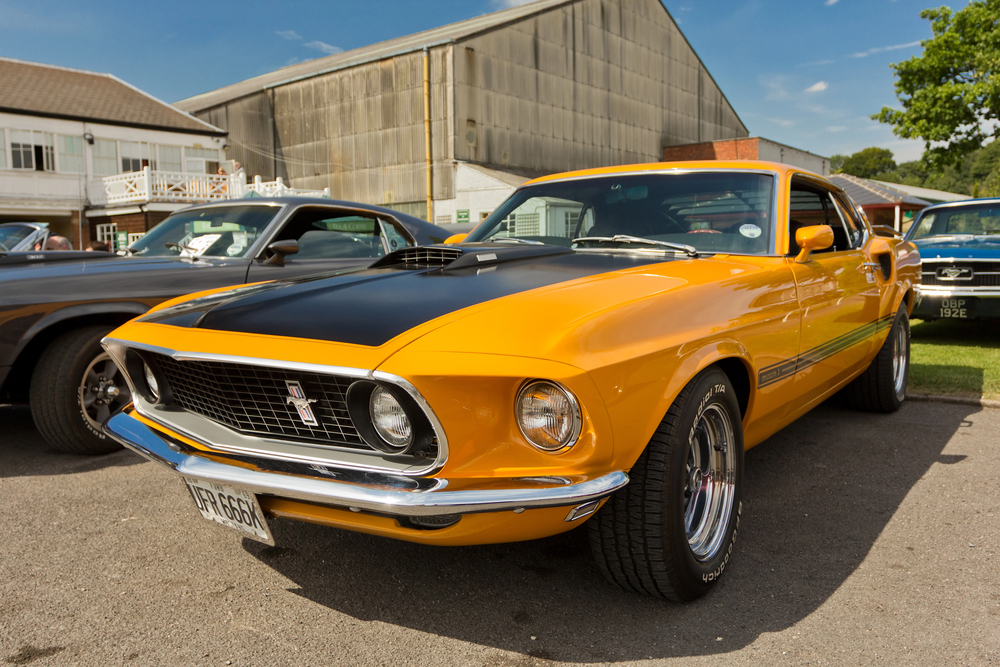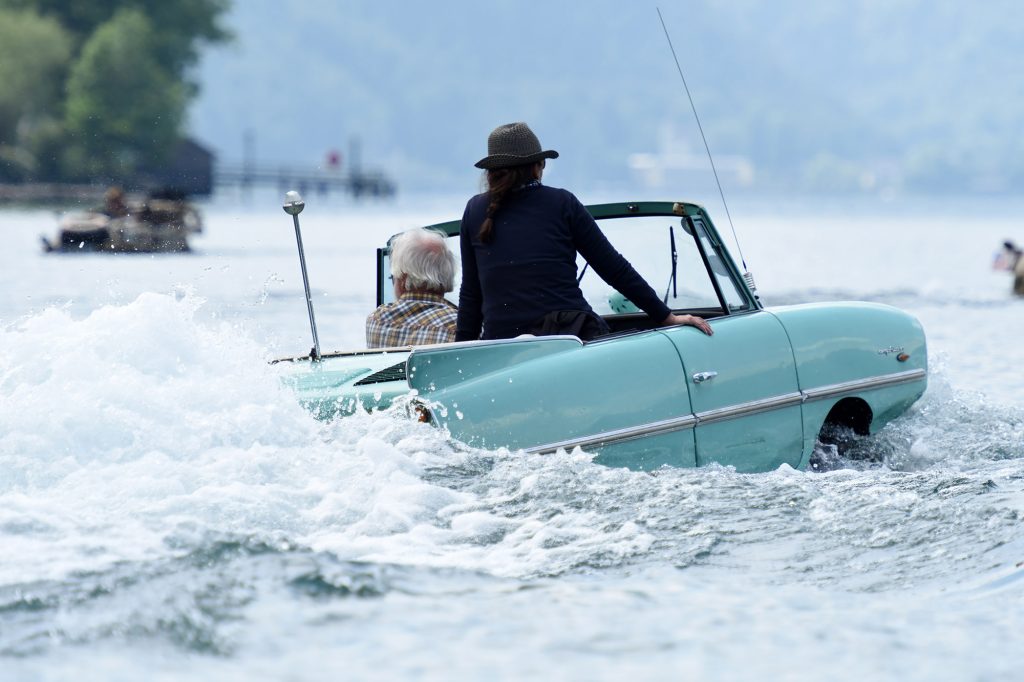
Sleek amphibious cars capture the imagination like few other vehicles, promising seamless transition between land and water with futuristic flair. While they appear to blend two worlds perfectly, the truth behind their operation is layered with complexities. From engineering compromises to regulatory hurdles, there’s a lot more to these hybrid machines than meets the eye. Despite their appeal, ownership and operation involve unexpected costs, limits, and responsibilities.
They’re Often Heavier Than They Look

To function in both land and water, amphibious cars require waterproofing, reinforced bodies, and extra propulsion systems, all of which add weight. Designers must strike a balance between durability and buoyancy, which often results in vehicles that look agile but drive more like tanks. This extra bulk can affect both fuel efficiency and road handling.
Road Performance is Compromised
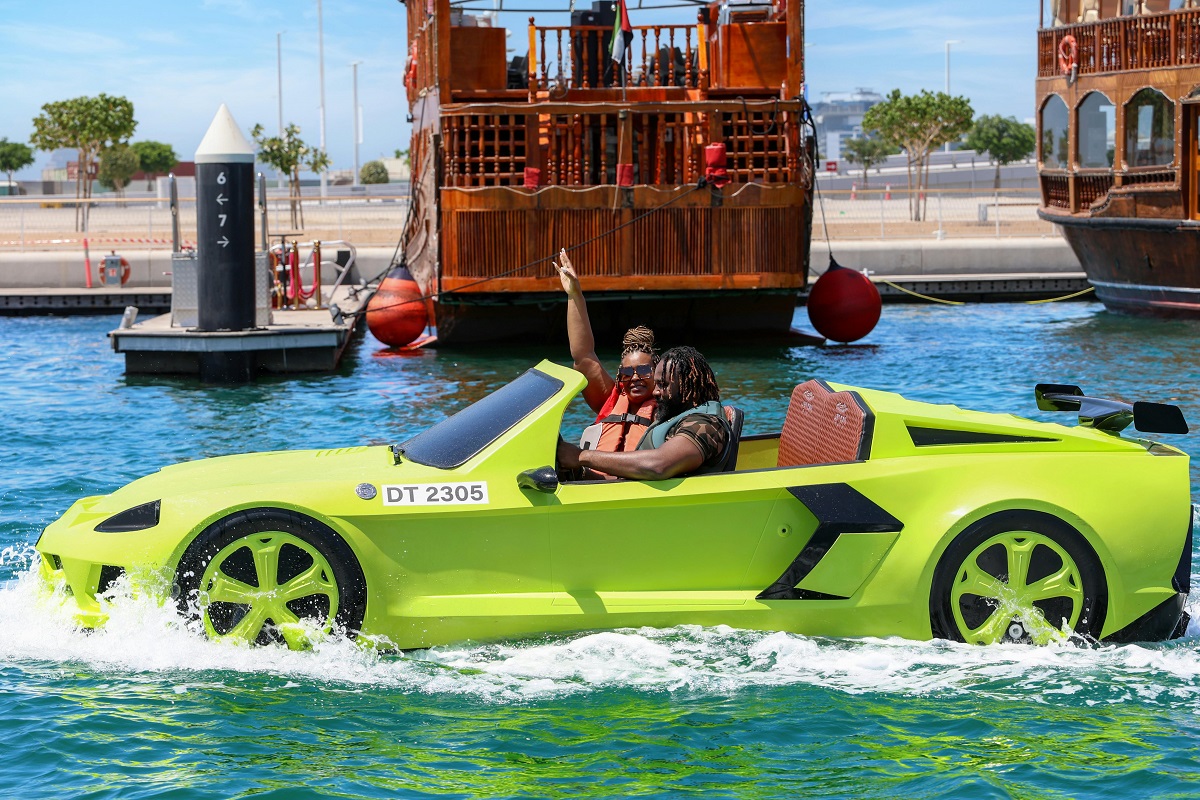
Though they may look sporty, amphibious vehicles often underperform compared to standard road cars in speed, maneuverability, and comfort. The additional equipment required for water travel introduces trade-offs in suspension tuning and weight distribution. Drivers used to nimble coupes or sedans may find the on-road experience underwhelming.
Water Handling isn’t Always Smooth
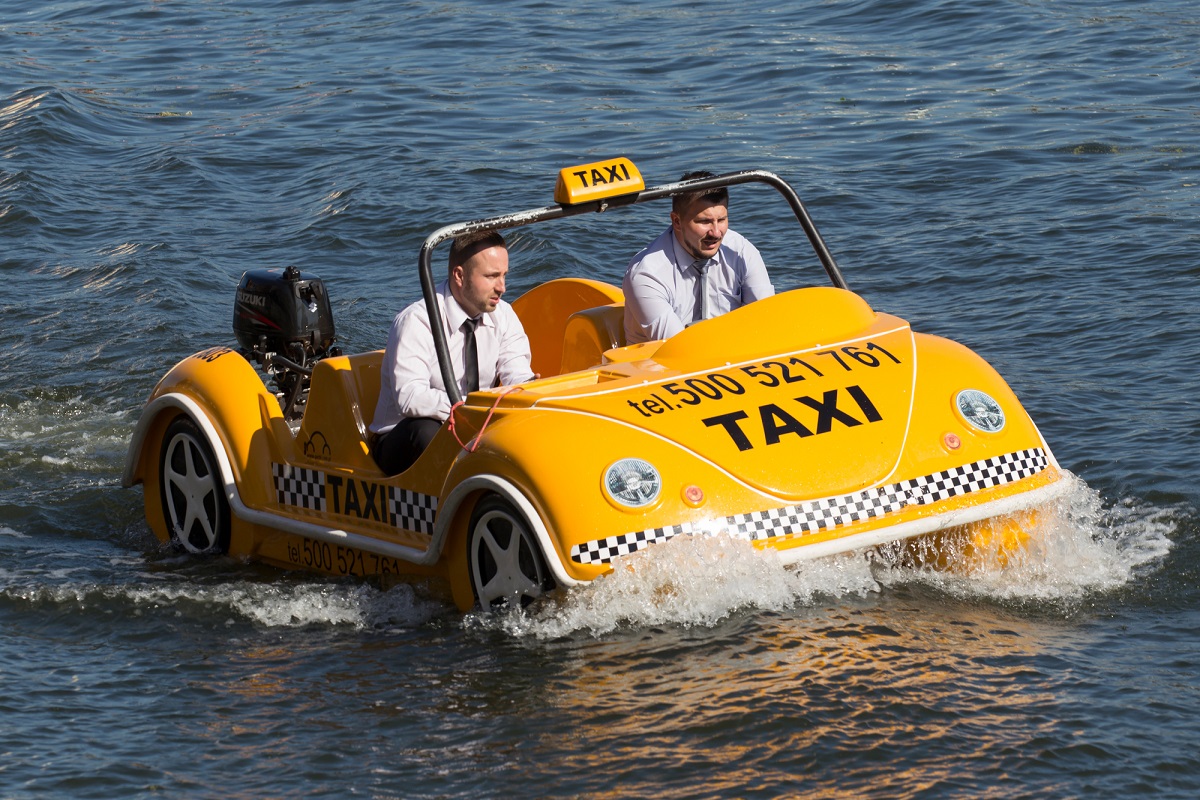
While amphibious cars can float and move through water, they don’t handle like boats. Waves, currents, and wind resistance have a bigger impact due to their hybrid design, which lacks the deep hull stability of marine vessels. Piloting one across even small waves can feel like navigating a plastic tub with wheels.
Maintenance is Complicated

Maintaining an amphibious vehicle requires knowledge of both automotive and marine mechanics. Saltwater exposure, waterproof seals, and dual propulsion systems all create unique service demands. Regular mechanics may not be familiar with the necessary repairs, which can mean frequent trips to specialists.
Related: These 13 Denton Junkyard Finds Looked Like Scrap Until Their Real Value Was Revealed”
Licensing Can Be Confusing

Depending on your country or state, you may need both a driver’s license and a boating license to operate an amphibious car legally. This dual requirement can catch new owners off guard and delay their ability to enjoy the vehicle fully. Regulations often differ dramatically across regions, so research is critical before purchase.
Related: 12 JDM Legends Gaining Value Fast This Spring Before They Become Unaffordable
Insurance Costs More Than You’d Expect

Insuring an amphibious vehicle involves covering both automotive and marine risk, leading to higher premiums. Many insurers treat them as specialty items, often requiring custom policies that come with stricter conditions and added costs. It’s not uncommon for amphibious car insurance to be more expensive than insuring both a car and a boat separately.
Related: 12 Costly Uber Slipups Parents Make Every Spring When Traveling with Kids
Corrosion is a Constant Threat

Despite being built for water use, many amphibious vehicles are vulnerable to corrosion, especially when exposed to saltwater. Protective coatings wear off over time, and even small breaches can lead to significant damage. Regular rinsing, maintenance, and inspections are essential to keep the car from rusting away.
Related: 11 BMW Museum Cars So Revolutionary They Nearly Broke The Rules Of Design
They’re Not Allowed Everywhere

Some lakes, rivers, and coastal zones prohibit amphibious vehicles due to concerns over pollution, safety, or disruption to wildlife. Access restrictions vary widely, meaning you can’t always take your car-boat hybrid where you please. These limitations can reduce the spontaneity that makes the concept so appealing.
Related: 12 Cars That Went Full Throttle In Canadian Road Movies
They Attract More Attention Than You Might Want

Driving an amphibious car often means turning heads, answering questions, and becoming the center of attention wherever you go. While this can be fun at first, it may become overwhelming or tiresome over time, especially when privacy is preferred. Not everyone is ready for celebrity-level stares just by parking at the lake.
Related: 12 Cars That Stole The Scene In Canadian Road Films
Fuel Efficiency isn’t Great

These vehicles often suffer from poor fuel economy, as their engines must power both wheels and props in different environments. The need to maintain buoyancy and manage drag leads to higher fuel consumption than traditional vehicles. Combined with limited tank space, this can restrict both range and practicality.
Related: These 15 Deadly Roadside Dangers Put Truckers At Risk Every Day
They’re Rare and Expensive

Producing a car that can also act as a boat involves complex engineering, rigorous testing, and limited runs, resulting in high price tags. Even basic models can cost more than high-end luxury cars, placing them firmly in the novelty or collector category. For most, it’s a lifestyle choice rather than a practical investment.
Related: Women In Trucking Are Breaking Stereotypes And Changing The Industry
Amphibious cars offer a unique thrill, blending the freedom of the road with the allure of the open water, but they come with baggage that’s often glossed over in glossy brochures. Between mechanical complexity, environmental sensitivity, and real-world limitations, owning one is less about convenience and more about commitment. They’re part innovation, part novelty, and part challenge rolled into one sleek package. Still, for the adventurous few, the dream of driving into the sea remains a worthy pursuit.
Disclaimer: This list is solely the author’s opinion based on research and publicly available information.
12 Amphibious Cars That Let You Drive on Land and Water

Amphibious cars are a fascinating blend of automotive and marine engineering, designed to function both on roads and in water. These unique vehicles have been built for military use, recreation, and even practical transportation across rivers and lakes. Some are sleek speedboats with wheels, while others are rugged off-road machines capable of crossing water bodies with ease. Here are 12 amphibious cars that prove driving isn’t limited to just roads.
Read it here: 12 Amphibious Cars That Let You Drive on Land and Water
The Most Unbelievable Car Ever Created

Some cars are built to be practical, some to be fast, and others to be luxurious. But then there are the ones that completely defy expectations, cars that look like they belong in a sci-fi movie, have engineering that seems impossible, or were simply too outrageous for mass production. Whether they were futuristic concepts, high-performance machines, or just plain bizarre, these are the most unbelievable cars ever created.
Read it here: The Most Unbelievable Car Ever Created
The Best And Worst Cars In 007 History
James Bond’s cars are as legendary as his gadgets, suits, and one-liners. Over the decades, 007 has driven some of the most iconic vehicles ever put on screen, sleek sports cars, armored sedans, and even an amphibious Lotus. But not every Bond car was a winner. Some were forgettable, impractical, or just plain bizarre. Here’s a look at the best and worst cars in James Bond history.
Read it here: The Best And Worst Cars In 007 History
You’ll love these related posts:
- 12 Life Threatening Driving Mistakes to Avoid During Rainy Season
- Here’s How To Stop Spring Showers From Ruining Your Car’s Paint
- These 13 Genius Car Gadgets Will Instantly Upgrade Your Spring Driving Experience
- 11 Worst Cars For Traveling With A Dog And What To Buy Instead
- 11 Tesla Cyber Van Robo Taxi Details That Are Raising Serious Questions