Honda’s decision to shift CR-V production from Canada to the United States stunned industry watchers and loyal fans alike. For years, the CR-V rolled confidently off Canadian lines, earning a reputation for build, quality, and reliability. But behind the scenes, Honda was recalibrating its strategy to reflect new priorities around labor, logistics, and long-term growth. The move not only affects manufacturing plants but also signals broader changes in how automakers view North American production. Here are 10 surprising reasons Honda made this bold relocation decision.
U.S. Demand Outpaced Canadian Supply

The CR-V remains one of Honda’s most popular vehicles, with the U.S. market accounting for a significant chunk of its global sales. As consumer appetite for crossovers surged across American suburbs and cities, Canadian factories simply couldn’t keep pace. By moving production stateside, Honda ensures faster delivery and avoids bottlenecks in getting its flagship SUV to eager buyers.
Logistics Efficiency

Shipping vehicles from Canada to major American markets added time, complexity, and cost to Honda’s distribution system. Building the CR-V closer to the point of sale simplifies transportation, reduces emissions from shipping, and slashes fuel and freight expenses. It’s a win-win that gives dealers quicker inventory restocks and trims Honda’s logistical overhead.
Labor Cost Dynamics

The cost of labor has shifted in recent years, with southern U.S. states offering competitive wages and fewer union constraints compared to parts of Canada. U.S.-based workers also benefit from newer training models geared toward modern automotive assembly. Honda took advantage of this shift to boost productivity and reduce labor-related expenses without sacrificing quality.
EV Strategy Realignment

As Honda eyes a future dominated by electric vehicles, it needs its Canadian plants to focus on next-gen platforms and EV components. Moving CR-V production frees up space and resources to retool those facilities for electric production. It’s part of a larger blueprint to electrify Honda’s lineup while preserving efficiency and performance benchmarks.
Related: 11 Genius Tricks That Will End Your Parallel Parking Nightmares For Good
Tax Incentives From U.S. States

Many American states rolled out enticing incentive packages to lure automakers, including tax credits, grants, and infrastructure upgrades. Honda tapped into these offers to offset the costs of relocating and setting up new production lines. These incentives improve profit margins and make long-term investment more sustainable in competitive regions.
Related: These 15 Cars That Forever Changed The Course Of History
Tariff and Trade Policy Adaptation

Shifting trade agreements and tariff regulations under various administrations made cross-border manufacturing riskier. By building CR-Vs within the U.S., Honda avoids potential import taxes or disruptions from policy changes. The move cushions the company against international trade disputes that could upend production or pricing.
Related: 11 Reasons PHEV Pickups Are The Future Truck Buyers Crave
Streamlining the North American Supply Chain

The CR-V shares parts and platforms with other Honda models produced in the U.S., allowing for better parts integration and supplier coordination. Localizing production improves turnaround time for components and cuts down on customs clearance delays. A leaner, more synchronized supply chain keeps assembly lines moving and reduces waste.
Related: How These 12 Regenerative Systems Are Transforming Modern Cars
Canada Plant Reassignment

Rather than shutting down Canadian facilities, Honda is giving them a new mission focused on cutting-edge models. The freed-up capacity may support high-tech hybrid builds, future EVs, or exclusive trim lines. This reallocation ensures the plants remain viable while aligning production with evolving consumer and environmental needs.
Related: 10 Reasons Why Mazda’s Iconic SP Is The Most Anticipated Sports Car Of The Year
Manufacturing Synergy with U.S. Facilities

Honda’s U.S. plants have upgraded assembly processes, automation, and worker training tailored to modern SUV demands. Adding the CR-V to this environment amplifies synergy and unlocks scale efficiencies across the board. It’s easier to maintain consistency and quality when several models share engineering and production infrastructure.
Related: 12 Surprising Ways Electric Cars Spark Youth Creativity And Innovation
Proximity to Research and Development

Honda’s American R&D centers work hand-in-hand with their production facilities to refine vehicle design, performance, and safety. Locating CR-V assembly closer to these think tanks enhances collaboration and shortens development cycles. It also allows real-time testing and feedback integration into the production process.
Related: 10 Surprising Ways Car Digitalization Is Unlocking Hidden Customer Insights
Honda’s move to relocate CR-V production from Canada to the U.S. is far more than a logistical update, it’s a statement of intent. From optimizing costs and logistics to future-proofing EV readiness, each reason reveals layers of strategic thinking. While it changes the dynamic for Canadian operations, it opens the door to new possibilities on both sides of the border. Honda isn’t just moving a car line; it’s reshaping its production blueprint for a new automotive era. And in doing so, it reinforces the CR-V’s role as a key pillar in its U.S. success story.
Disclaimer: This list is solely the author’s opinion based on research and publicly available information.
12 Honda CR-V Headaches That Every Buyer Should Know About

The Honda CR-V is one of the most popular compact SUVs, known for its reliability, fuel efficiency, and practicality. However, like any vehicle, it has its share of common issues that buyers should be aware of before making a purchase. From transmission problems to infotainment glitches, certain model years have been plagued with recurring headaches. Here are 12 Honda CR-V issues that every buyer should know before committing to this SUV.
Read it here: 12 Honda CR-V Headaches That Every Buyer Should Know About
15 Honda Showdowns That Will Change The Way You See The Brand Forever
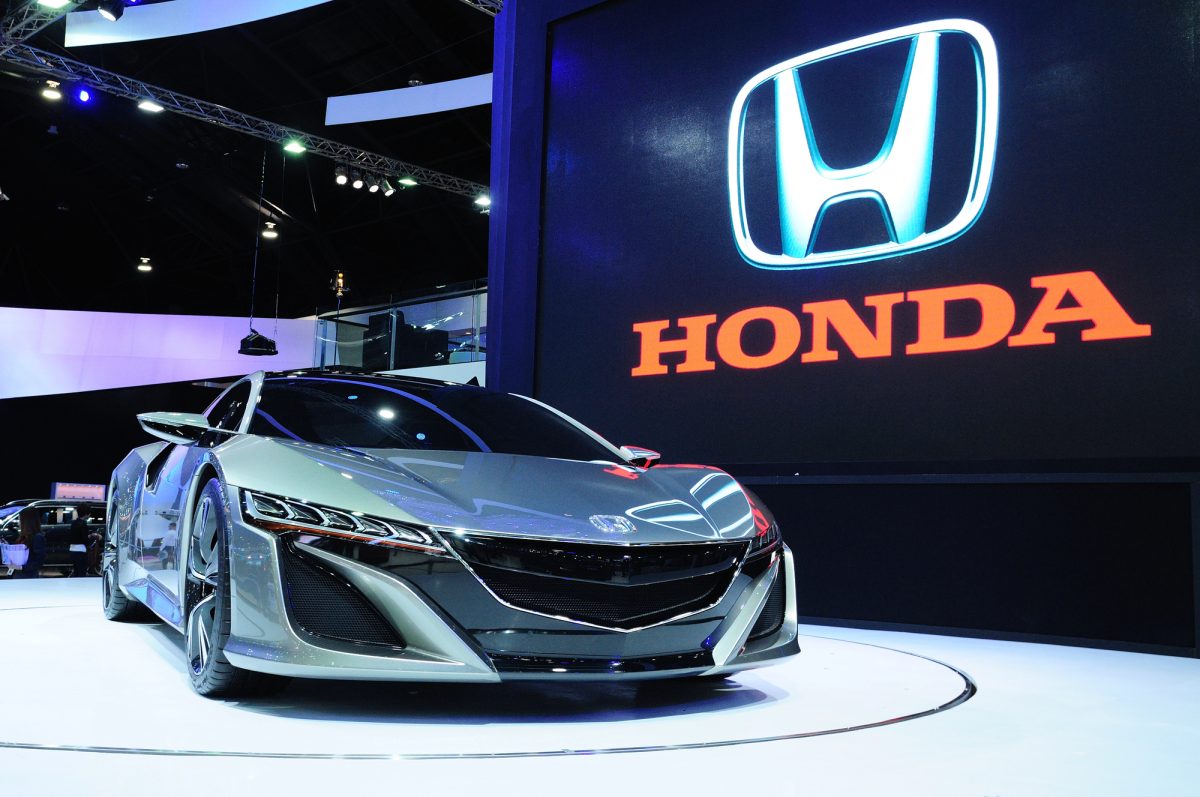
Honda has built a legacy on reliability, innovation, and performance, but some moments in its history have truly redefined the brand’s identity. Over the years, Honda has stepped into arenas where few expected it to thrive and came out stronger, smarter, and even more beloved. These legendary showdowns showcase Honda’s ability to outmaneuver competitors, break expectations, and win over new generations of drivers. Here are 15 Honda battles that forever changed how the world sees this iconic automaker.
Read it here: 15 Honda Showdowns That Will Change The Way You See The Brand Forever
11 Honda Ridgeline Secrets That Will Instantly Upgrade Your Ride

The Honda Ridgeline is a unique midsize truck that blends SUV-like comfort with pickup utility. While it may not have the traditional body-on-frame design of its rivals, it offers several hidden features that enhance its versatility. From innovative storage solutions to high-tech upgrades, the Ridgeline is packed with secrets that can improve your driving experience. Here are 11 Honda Ridgeline secrets that will instantly upgrade your ride.
Read it here: 11 Honda Ridgeline Secrets That Will Instantly Upgrade Your Ride
You’ll love these related posts:
- 11 Reasons This New Nissan EV Is Basically A Maxima For Broke But Bougie Drivers
- 12 Chilling Facts About How Automakers Can Remotely Kill Your Car
- 10 Shocking Ways Cybertruck Crushed Fisker Ocean In A Record Breaking $8K Loss
- 14 Best Moments In Renault’s Legacy
- 10 Used Cars You Must Grab Now Before Prices Shoot Back Up