The Koenigsegg CCXR Trevita is one of the rarest and most expensive hypercars ever built, celebrated for its diamond-weave carbon fiber and extreme performance. With only a handful ever made, attention to detail should be impeccable, but one Arizona man’s sharp eye revealed a shocking factory flaw. Here are 10 reasons why he spotted the error and how his meticulous observation turned a dream car into a mystery.
Discrepancy in Carbon Fiber Weave Pattern
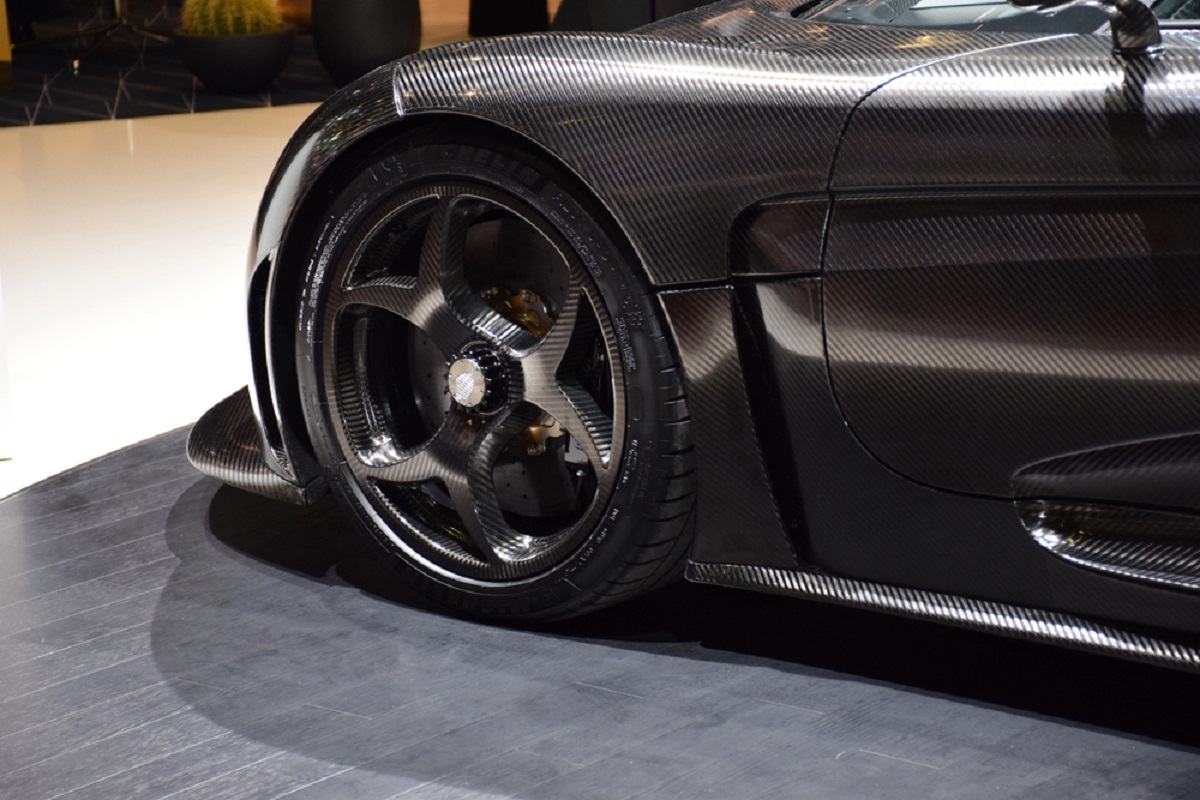
One of the first red flags he noticed was an inconsistency in the carbon fiber weave across the body panels. The CCXR Trevita’s hallmark is its shimmering diamond-weave finish, but one panel looked misaligned and lacked the trademark luster. His trained eye immediately recognized it as a possible deviation from factory standards, raising his suspicion.
Off-Center Koenigsegg Badge
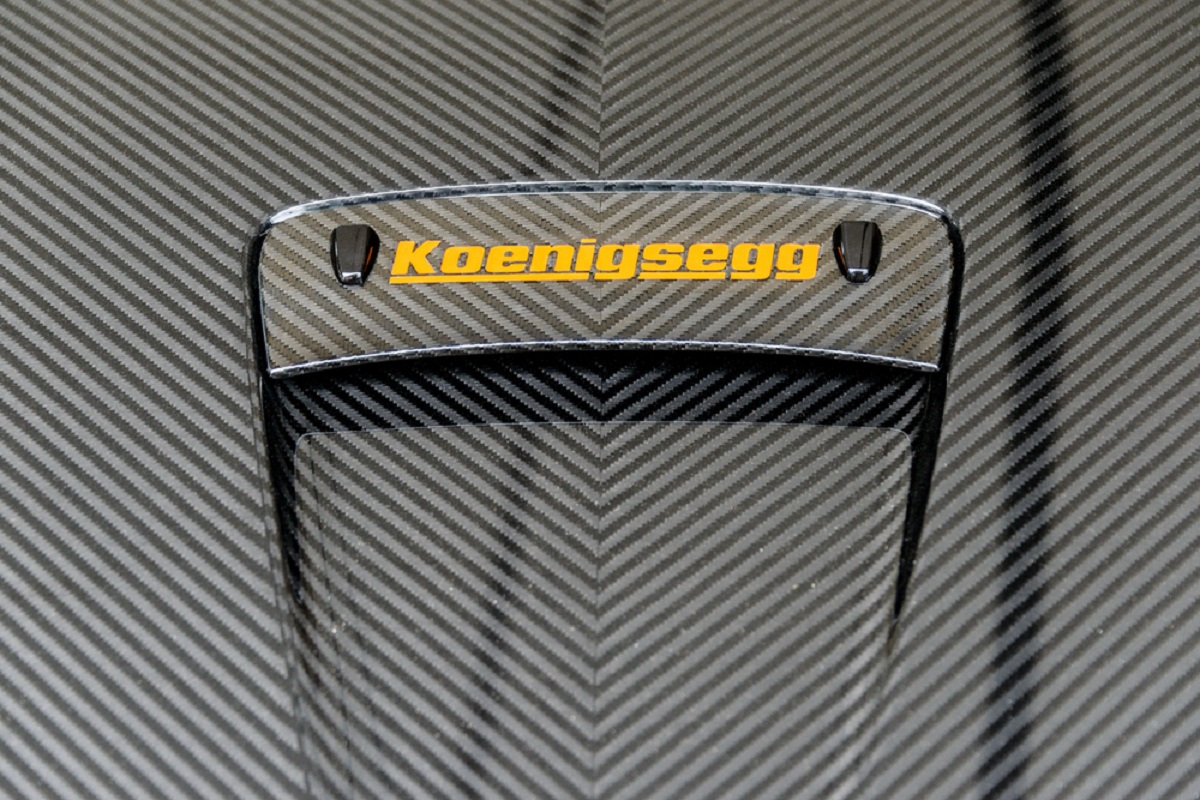
The Koenigsegg badge is always aligned with extreme precision, but this particular car had its emblem slightly off-center. It was a small detail, barely noticeable to the average eye, but it clashed with the brand’s obsessive reputation for symmetry and perfection. That minor misalignment further supported the idea that something was off on the factory floor.
Asymmetrical Rear Diffuser
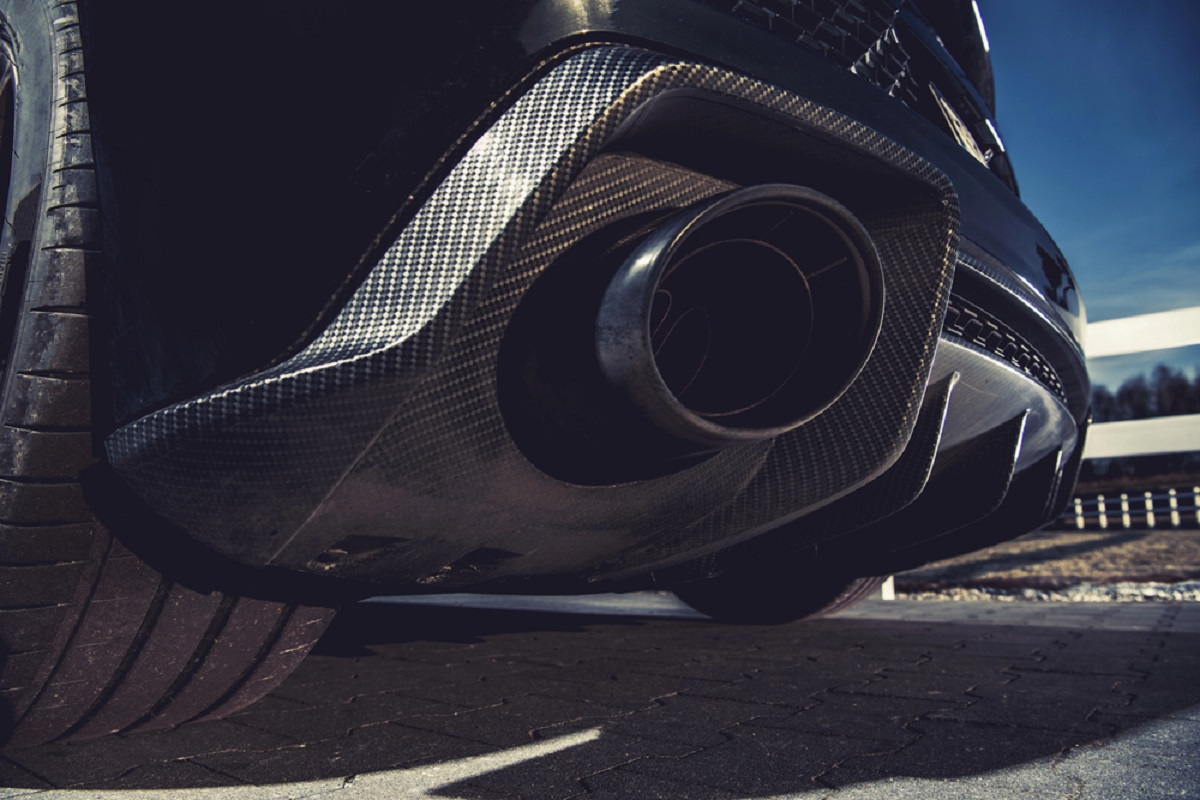
He took note of an unusual angle on one side of the rear diffuser, which appeared more flared out than the opposite end. This was not a design feature found on any other CCXR Trevita and clearly disrupted the visual balance of the rear. Considering the aerodynamic importance of this part, it sparked concern about whether it left the factory like that or had been altered afterward.
Discoloration in the Diamond Finish

When the sun hit the carbon weave just right, he observed that a section of the front fender had a slight yellowish tint compared to the rest. Since the Trevita is known for its shimmering silver-white carbon look, the discoloration indicated either a production inconsistency or poor material application. The anomaly hinted at a one-off mistake that should never have passed quality control.
Related: 15 Secret Hazards Of Towing An AWD Car In Neutral That Could Lead To Expensive Repairs
Mismatched Interior Stitching

Inside the cabin, he observed that the stitching on the driver’s seat didn’t match the pattern or thread color on the passenger side. For a car of this caliber, such a deviation suggested something unusual, either a factory oversight or an undocumented custom order. This misalignment deepened the mystery and pointed toward a production anomaly.
Related: 12 Waxing Habits That Are Ruining Your Car’s Shine And What To Do Instead
The Wheel Offset Was Slightly Uneven
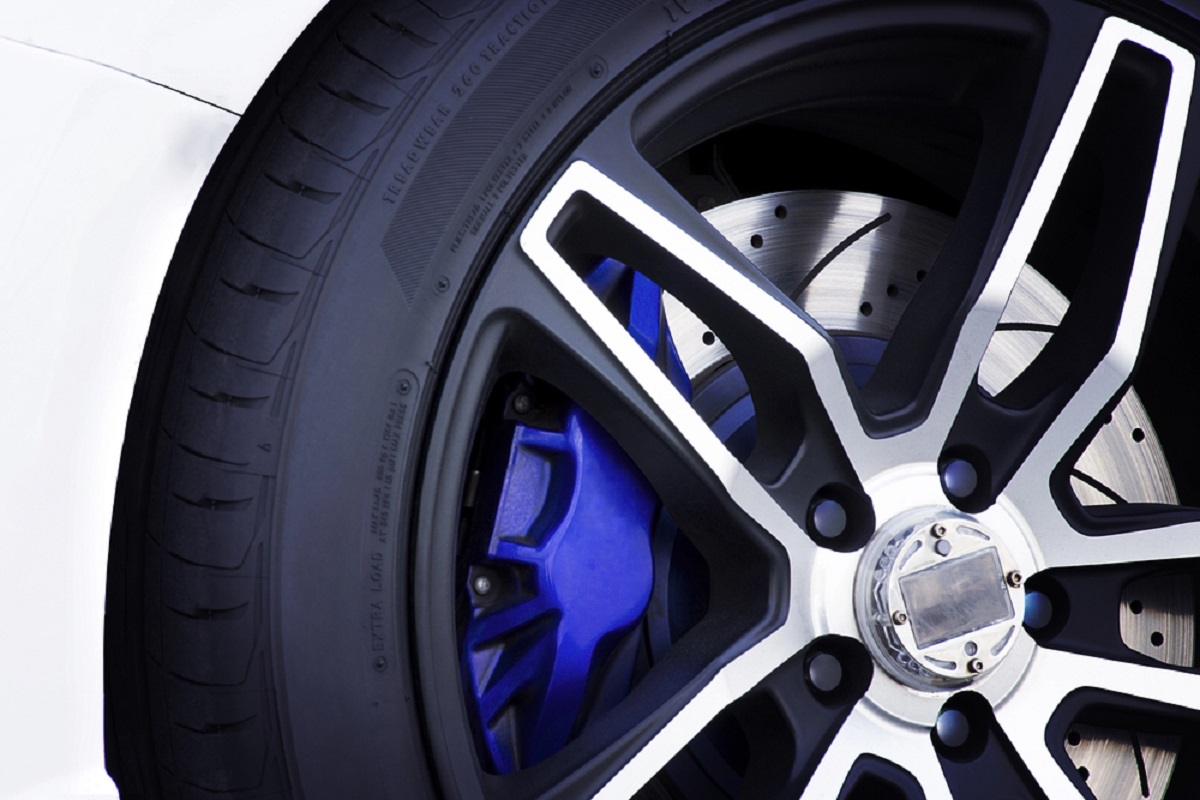
Using precision measuring tools, he found that one rear wheel had a slightly different offset compared to the other, by just a few millimeters. While minor, this affected how the car sat visually and potentially how it handled at high speeds. Such a flaw in a hypercar that prioritizes aerodynamics and stability was nearly unthinkable.
Related: 10 Dangerous Risks You Take When You Skip Brake Flushes
Slight Irregularity in Panel Gaps
A Koenigsegg’s body panels are usually fitted with laser-guided precision, but he noticed a very slight variation in panel gap widths near the hood. Though just a fraction of an inch off, it broke the seamless illusion of the car’s design. It was another detail suggesting that this Trevita may have left the factory in a rushed or flawed state.
Related: 10 Massive Mistakes That Nearly Wrecked The Volvo V60’s Legacy
Interior Plate Didn’t Match Public Registry

The plaque under the glove compartment bore a different model number than what was recorded in the Koenigsegg registry. This misprint or misplacement hinted that parts may have been switched, miscatalogued, or even recycled in error. It added to the argument that this specific unit had deviated from standard production processes.
Related: 12 Genius Ways To Bring Dead Car Batteries Back To Life Before You Waste Money On A New
One Tail Light Sat Lower Than the Other

Looking closely at the rear lighting assembly, he noticed that the left tail light was mounted slightly lower than the right. It wasn’t just a visual oddity, it raised questions about whether it had been installed incorrectly or if the chassis had a production flaw. That kind of asymmetry simply shouldn’t exist on such a limited-production hypercar.
Related: 10 Ferrari F80 Moments That Made The Supercar World Stop And Stare
Unexpected Serial Number Location

Unlike other Trevitas, this car’s serial number had been engraved in a different location under the hood. While still genuine, the placement deviated from what’s expected, suggesting a mistake or miscommunication during the build process. This difference hinted that the vehicle may have followed a unique or mistaken assembly protocol.
Related: 13 Revolutionary Features That Set The 2025 Ram 1500 And Ford F 150 Ahead Of The Pack
Finding a flaw in one of the world’s rarest hypercars is no easy feat, but this Arizona man proved that keen observation and deep knowledge can uncover even the most well-concealed mistakes. His discovery didn’t just raise eyebrows; it challenged assumptions about quality control at the highest levels of car manufacturing. Each detail he noticed, while small on its own, collectively painted a picture of an unusual misstep in Koenigsegg’s elite production process.
Disclaimer: This list is solely the author’s opinion based on research and publicly available information.
10 Secrets That Koenigsegg Hid Inside The Gemera

Koenigsegg, known for pushing the boundaries of hypercar performance, has created something truly extraordinary with the Gemera. A four-seater hypercar that combines jaw-dropping performance with luxury and advanced technology, the Gemera is a marvel of engineering. But as with all Koenigsegg creations, there are hidden details that only true enthusiasts can fully appreciate. Here are 10 secrets that Koenigsegg has cleverly hidden inside the Gemera.
Read it here: 10 Secrets That Koenigsegg Hid Inside The Gemera
10 Savage Machines That Run On Raw Cylinder Power

There’s something undeniably thrilling about machines powered by massive cylinder engines that roar with unfiltered force. These beasts weren’t built for subtlety, they were built to dominate roads, racetracks, and rugged terrain with raw mechanical energy. Unlike modern electric or hybrid models, these machines wear their power with pride, unrefined and unapologetically aggressive. Their engines are works of art, pushing performance to the limits with every rev. Here are 10 savage machines that run purely on raw cylinder power and remind us what real muscle looks and sounds like.
Read it here: 10 Savage Machines That Run On Raw Cylinder Power
12 Bugatti Repairs That Cost More Than A New Luxury Car
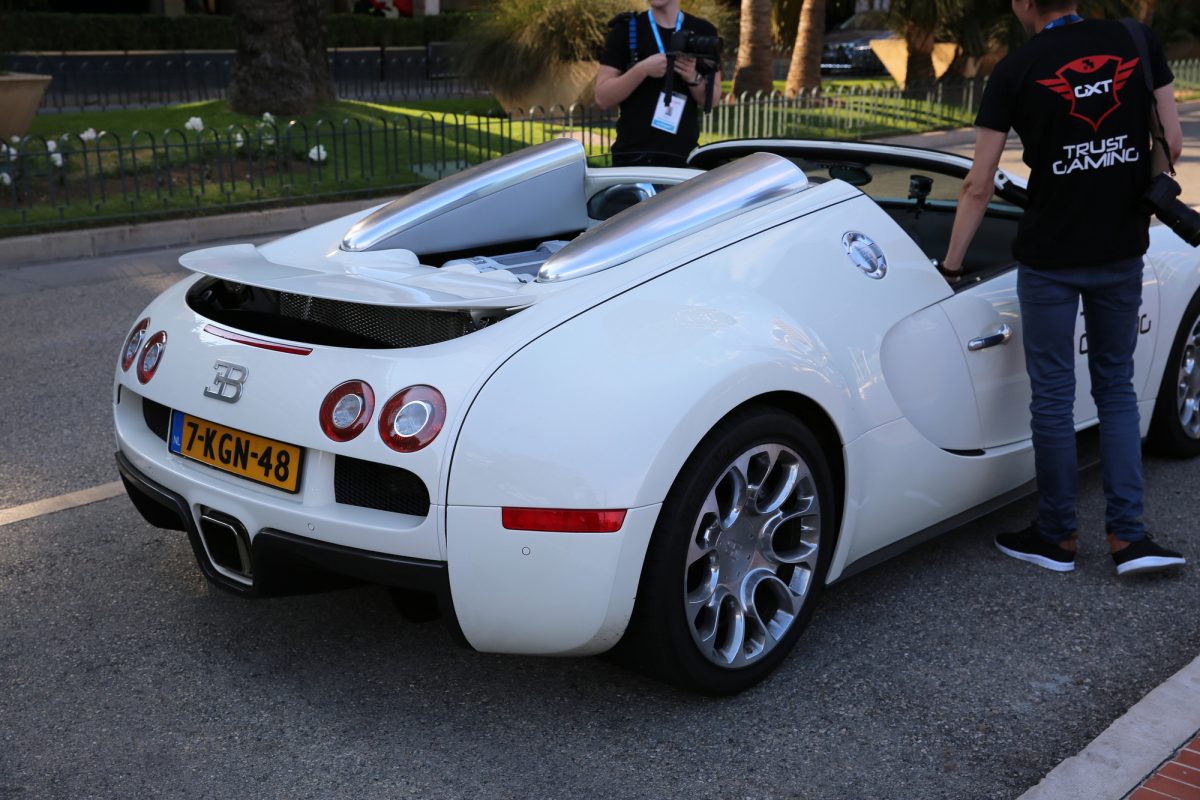
Bugatti is known for crafting hypercars that blend engineering precision with jaw-dropping performance, but that exclusivity comes at a steep price, especially when something breaks. Repairs on a Bugatti aren’t just expensive, they often exceed the cost of high-end luxury vehicles altogether. From tire changes to fluid replacements, even the most basic maintenance involves ultra-specialized tools, bespoke parts, and factory-trained technicians. These 12 examples show just how mind-blowingly costly it can be to maintain one of the world’s most prestigious automobiles.
Read it here: 12 Bugatti Repairs That Cost More Than A New Luxury Car
You’ll love these related posts:
- 12 Unbelievable Car Features You Didn’t Know Existed But Are In Your Car Right Now
- 12 Legendary Chevy Muscle Cars from ’69 That No One Realized Were So Rare
- 10 Jaw Dropping Facts About The Ford Supercar That Couldn’t Be Street Legal
- 10 Reasons Skipping Solo Drives Is The Hottest Earth Day Trend
- 11 Retro Car Accessories That Will Make You Wonder Why They Ever Disappeared