Every time we get behind the wheel, our choices on the road impact more than just our destination. Many everyday driving habits, often overlooked or considered harmless, can cause serious disruption to natural habitats. From pollution and noise to irresponsible parking and off-road adventures, our cars are more connected to environmental damage than we might think. Below are 10 car habits that could be quietly but steadily destroying the natural world around us.
Using Loud Engines or Aftermarket Exhausts

Upgrading to louder exhaust systems may appeal to car enthusiasts, but the extra noise can be a nightmare for wildlife. Constant engine roars disturb animals’ sleep cycles, feeding routines, and communication patterns, especially in areas bordering forests or reserves. Noise pollution has a ripple effect, creating stress and displacing species from their habitats.
Washing Cars Near Storm Drains

Car soap, oil, grease, and dirt often wash directly into storm drains when vehicles are cleaned in driveways or on streets. These pollutants are carried into streams, rivers, and lakes, where they contaminate aquatic ecosystems and poison marine life. Visiting professional car wash facilities, which treat wastewater, is a far more environmentally friendly alternative.
Driving Through Flooded Trails or Riverbeds

Crossing natural water features by vehicle may seem harmless but often stirs up sediments that cloud water and damage spawning grounds for fish. The weight of the car compresses riverbanks and kills surrounding plant life, and pollutants from tires and undercarriages leak into the water. This not only disrupts fragile aquatic ecosystems but can also lead to long-term erosion and habitat loss.
Speeding Through Rural or Forested Roads

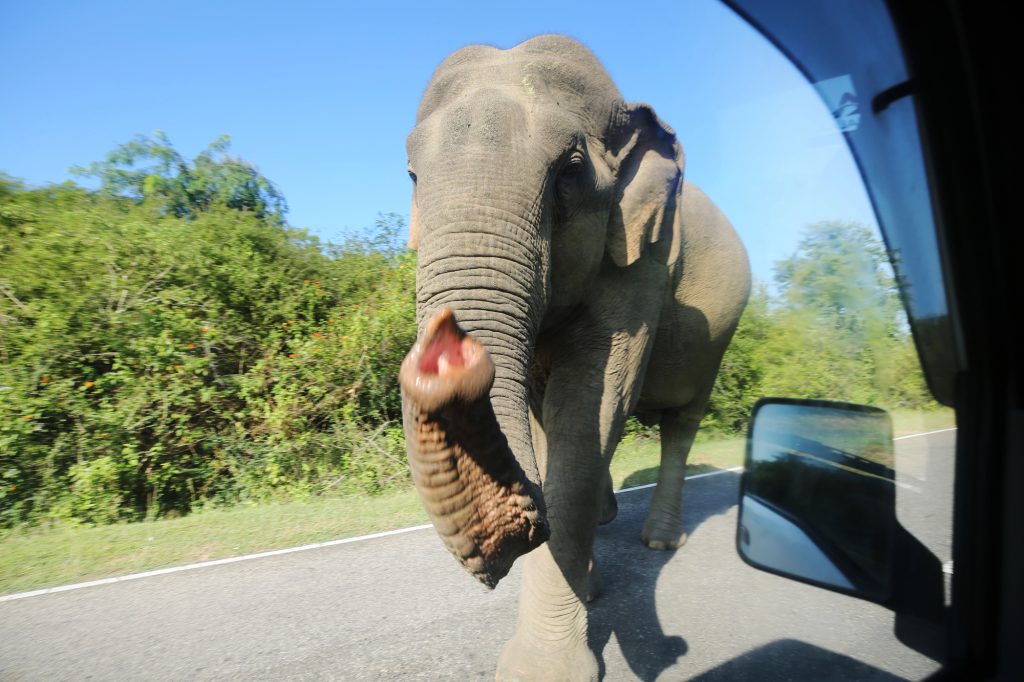
Speeding in areas near woods or grasslands puts wildlife at serious risk of vehicle collisions. Many animals, especially nocturnal ones, can’t react fast enough to avoid a fast-moving car, resulting in deadly outcomes. Slower speeds give both drivers and animals a better chance to avoid tragedy and help maintain the natural order in those areas.
Related: 11 Stunning Electric Toy Cars So Realistic Even Adults Want One
Ignoring Wildlife Crossing Zones

Wildlife crossing signs are placed in high-traffic areas for animals like deer, foxes, or turtles that frequently pass through. Ignoring these zones increases the chance of hitting animals that may be crossing, especially during seasonal migrations. Respecting these signs by reducing speed and staying alert can help protect both drivers and biodiversity.
Related: 13 Insane Cars Owned by America’s Biggest Music Stars
Poor Vehicle Maintenance

Neglecting to fix fluid leaks or worn-out parts leads to the release of harmful substances into the environment. Fluids like antifreeze and oil seep into the ground or wash into nearby waterways, affecting plants and animals alike. Regular maintenance ensures your car runs cleanly and helps prevent contamination of local ecosystems.
Related: 11 Must-Visit Destinations In Europe For Every Petrolhead
Parking on Grass or Unpaved Surfaces

Pulling over onto grassy or dirt patches may seem harmless, but it crushes undergrowth and affects soil structure. This destroys small insect colonies, disrupts underground root systems, and can initiate erosion. Choosing proper parking areas helps preserve green spaces and prevents the degradation of fragile environments.
Related: 12 Insane Details About the Jet-Powered Volkswagon Camper Van That You Won’t Believe
Tailgating in Dusty Areas
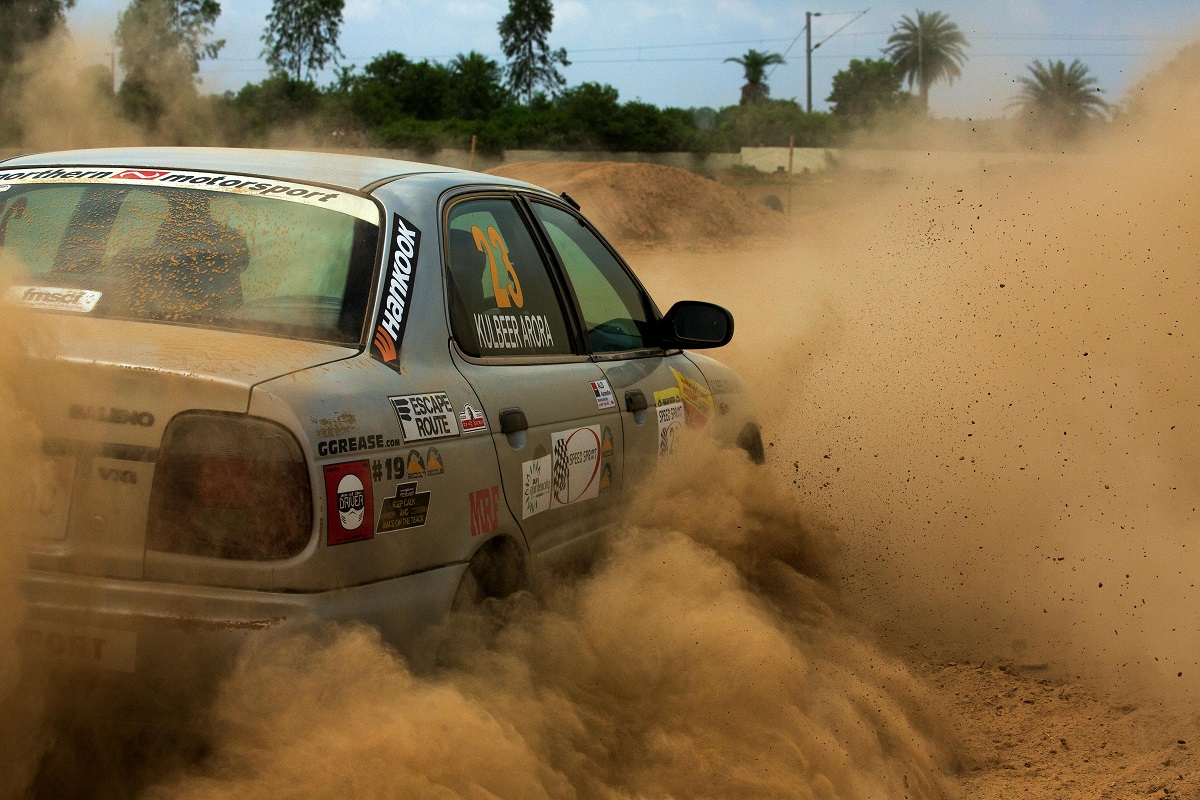
Following too closely on dirt roads kicks up excessive dust that can blanket nearby vegetation, interfering with its ability to photosynthesize. The dust also creates respiratory issues for animals and insects living near the road. By maintaining a safe distance, you protect visibility, reduce environmental damage, and promote safer driving.
Related: 12 Jaw Dropping Vintage Caravans You’ll Wish You Owned
Leaving Headlights on in Nature Reserves

Bright lights at night disorient nocturnal creatures, interfering with their natural behaviors such as hunting, mating, and foraging. This can cause long-term behavioral shifts that weaken entire populations. Dimming headlights or switching to low beams when driving through nature-heavy areas at night supports a healthier, more stable ecosystem.
Related: 11 Copycat Cars That Look Like The Real Deal But Cost Way Less
Using Aggressive Driving Tactics

Speeding, weaving through traffic, and slamming brakes may seem like personal driving preferences, but they create additional emissions and stress for animals nearby. Aggressive driving also leads to increased tire wear, producing microplastics that end up in the soil and water. Adopting a calmer driving style makes roads safer and protects the environment in the long run.
Related: 13 Wildest Vehicle Conversions From Around The Globe
Our vehicles, though essential in daily life, carry unseen consequences for the world around us. The habits we practice behind the wheel can either help protect or silently damage the ecosystems we depend on. Every action, from how we drive to where we park, can either contribute to the problem or be part of the solution. By recognizing these harmful habits and making simple changes, we can become more responsible drivers and environmental stewards.
Disclaimer: This list is solely the author’s opinion based on research and publicly available information.
11 Things No One Tells You About Sleek Amphibious Cars

Sleek amphibious cars capture the imagination like few other vehicles, promising seamless transition between land and water with futuristic flair. While they appear to blend two worlds perfectly, the truth behind their operation is layered with complexities. From engineering compromises to regulatory hurdles, there’s a lot more to these hybrid machines than meets the eye. Despite their appeal, ownership and operation involve unexpected costs, limits, and responsibilities.
Read it here: 11 Things No One Tells You About Sleek Amphibious Cars
10 Alarming Consequences Of Improper Car Disposal For Our Planet

Improper car disposal is a growing environmental concern that often goes unnoticed in daily conversations. When old vehicles are dumped or abandoned without proper recycling, they can release hazardous substances into our soil, water, and air. From leaking fluids to rotting plastic and metals, the damage quietly accumulates and endangers ecosystems and public health. Beyond pollution, these actions contribute to resource waste and increase the burden on already stressed landfills.
Read it here: 10 Alarming Consequences Of Improper Car Disposal For Our Planet
13 Ways 3D Printing Is Making Cars Faster, Stronger, And Cheaper

3D printing is revolutionizing the automotive industry, reshaping how cars are designed, manufactured, and maintained. By enabling rapid prototyping, lightweight components, and cost-effective production, this technology is driving innovation at an unprecedented pace. From major automakers to independent startups, 3D printing is unlocking new possibilities that make vehicles faster, stronger, and more affordable. Here’s how it’s transforming the road ahead.
Read it here: 13 Ways 3D Printing Is Making Cars Faster, Stronger, And Cheaper
You’ll love these related posts:
- 12 Drop-Dead Gorgeous ‘50s Convertibles Everyone Wishes They Owned
- 12 Ultimate Drift Machines That’ll Make You Feel Like A Pro Racer
- 11 Real-Life Versions of Disney Pixar Cars That’ll Blow Your Mind
- 13 Shockingly Profitable Cars That Barely Depreciate
- 14 Mind-Blowing Bugatti Performance Facts That Will Leave You Stunned