Most drivers think of cars as simply a way to get from point A to point B. But what many don’t realize is how these machines can silently disrupt ecosystems, often without any obvious signs. From the tiniest insects to large land animals, vehicles have unexpected impacts on the natural world. Understanding these subtle consequences can help us all drive more mindfully. Here are 10 ways your car could be harming wildlife without you even realizing it.
Noise Pollution Scares Wildlife Into Hiding

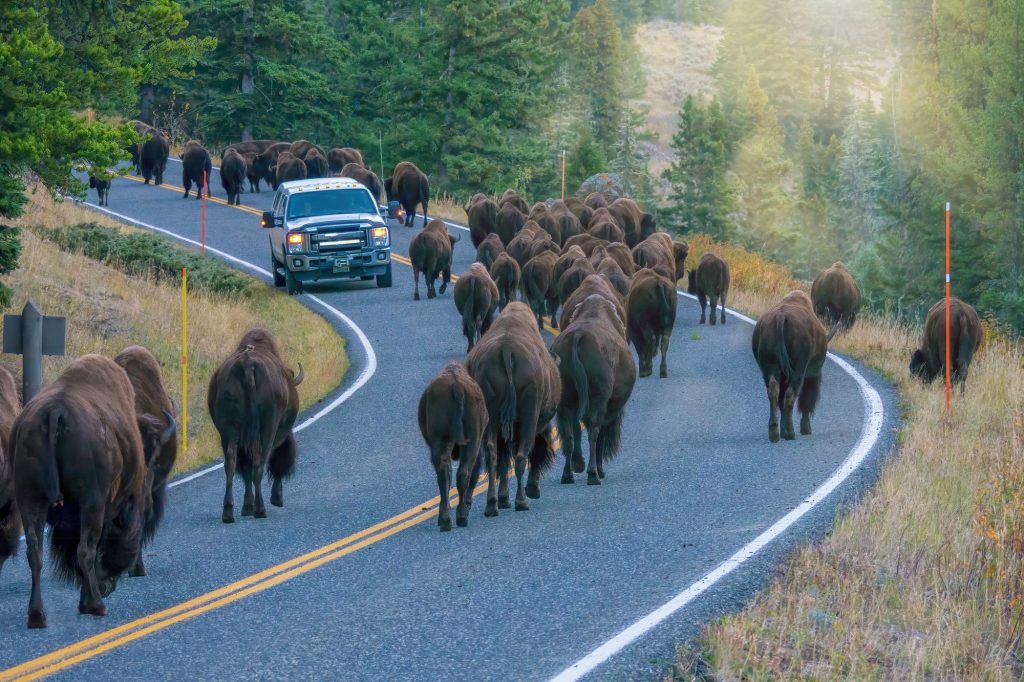
The roar of passing vehicles may seem routine to us, but to animals, it’s a constant and disruptive threat. Wildlife near busy roads often abandon nesting grounds and feeding spots to escape the unnatural sounds. Over time, this creates a ripple effect where animals either adapt poorly or relocate, sometimes into more dangerous or less hospitable areas.
Leaked Fluids Contaminate Habitats
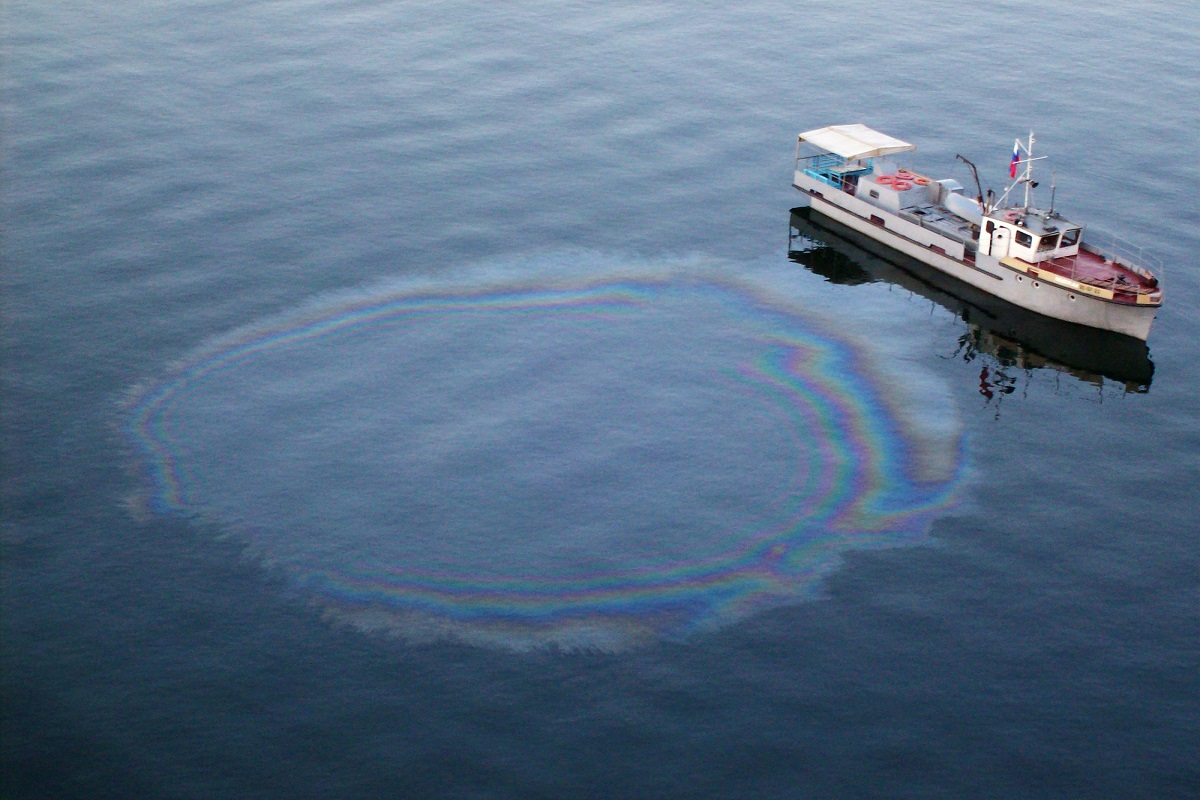
Fluids like oil, antifreeze, and brake fluid often leak unnoticed, seeping into the soil and running off into nearby streams and wetlands. These substances are highly toxic to amphibians, fish, and even birds that depend on clean water sources. The damage can persist long after the fluid disappears, poisoning the ecosystem from the ground up.
Windshields Kill Insects at Alarming Rates

Each time you drive at high speed through a rural or wooded area, insects collide with your windshield, grille, and bumper. This contributes to a significant decline in insect populations, including pollinators crucial for plant reproduction. Over time, this insect loss affects birds and other animals that rely on them for food, disrupting the entire food chain.
Tires Crush Hidden Life Underfoot
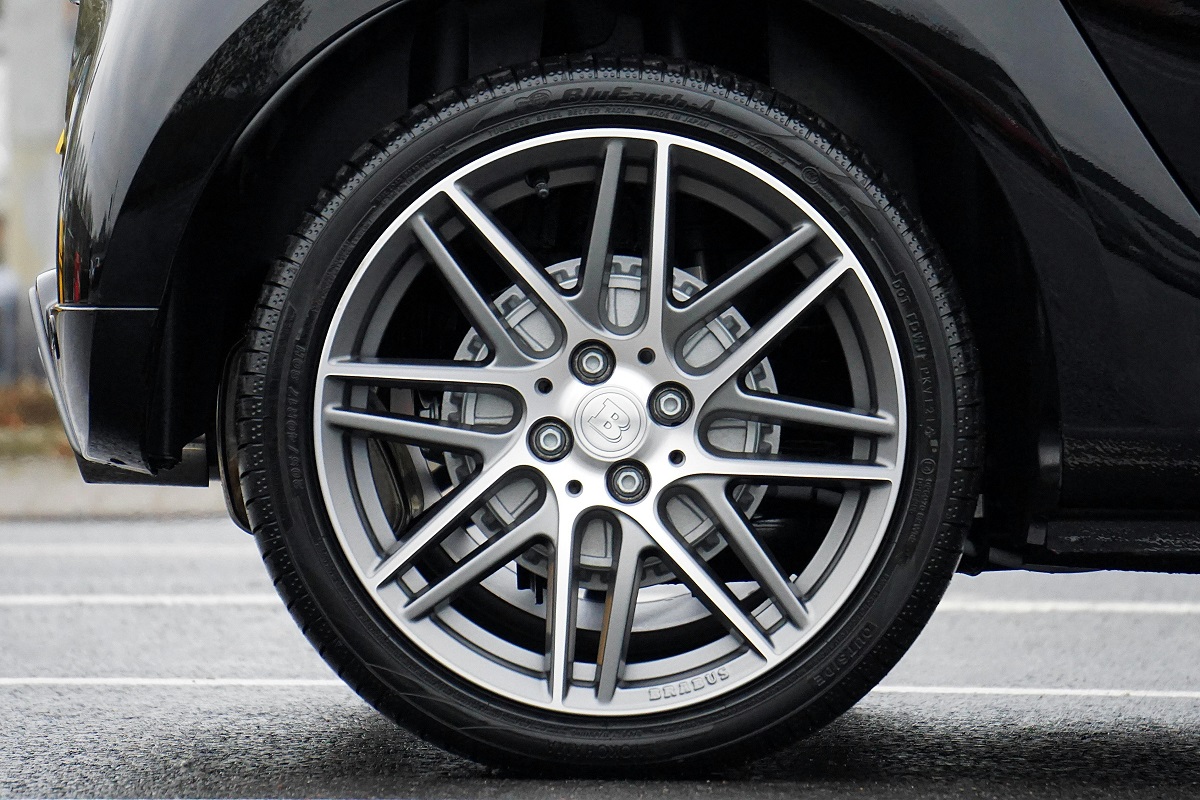
Your tires often make contact with more than just pavement, they can crush small animals that are difficult to see. Reptiles basking on warm roads or ground-nesting birds sheltering in roadside grasses are especially at risk. Even a slow-moving vehicle can inflict damage that permanently alters a tiny creature’s world.
Related: 11 Electric Cars With Monster-Sized Batteries
Warm Car Engines Attract Animals Seeking Shelter

When temperatures drop, many small animals seek warmth and may crawl into engine bays or wheel wells. Starting your car without checking can tragically harm or kill creatures like cats, squirrels, and chipmunks. It’s a grim reminder of how even stationary vehicles pose a danger to unsuspecting wildlife.
Related: 11 Stunning Electric Toy Cars So Realistic Even Adults Want One
Off-Road Driving Destroys Natural Habitats

Straying from marked paths during off-road adventures can crush delicate plant life and scare away animals from nesting zones. The tires compact soil, uproot vegetation, and often lead to erosion, turning vibrant habitats into barren stretches. These effects are magnified when multiple drivers repeat the same paths, leaving long-term scars on the environment.
Related: 11 Real-Life Versions of Disney Pixar Cars That’ll Blow Your Mind
Cars Spread Invasive Seeds and Species

When driving through varied landscapes, seeds, plant matter, and even tiny animals can cling to your tires, undercarriage, or bumper. This helps invasive species spread into areas where they outcompete native wildlife, causing long-term ecological damage. These non-native species disrupt the balance by altering food sources and nesting areas.
Related: 12 Ultimate Drift Machines That’ll Make You Feel Like A Pro Racer
Air Pollution Alters Animal Health and Reproduction

Exhaust emissions release harmful gases like nitrogen dioxide and carbon monoxide, which not only pollute the air we breathe, they affect wildlife directly. Prolonged exposure to these chemicals can impair reproduction, damage internal organs, and reduce lifespan in various species. Birds and small mammals near urban roads are especially vulnerable to this silent harm.
Related: 12 Drop-Dead Gorgeous ‘50s Convertibles Everyone Wishes They Owned
Salt Used on Roads Can Poison Nearby Wildlife

In winter, the salt spreads to melt ice and can be toxic to wildlife once it washes into the surrounding environment. Animals that lick the salt or drink contaminated runoff can suffer kidney damage or dehydration. Moreover, the salt damages vegetation and contaminates soil, further reducing the quality of food and shelter in the area.
Related: 13 Shockingly Profitable Cars That Barely Depreciate
Night Driving Disrupts Animal Migration Routes
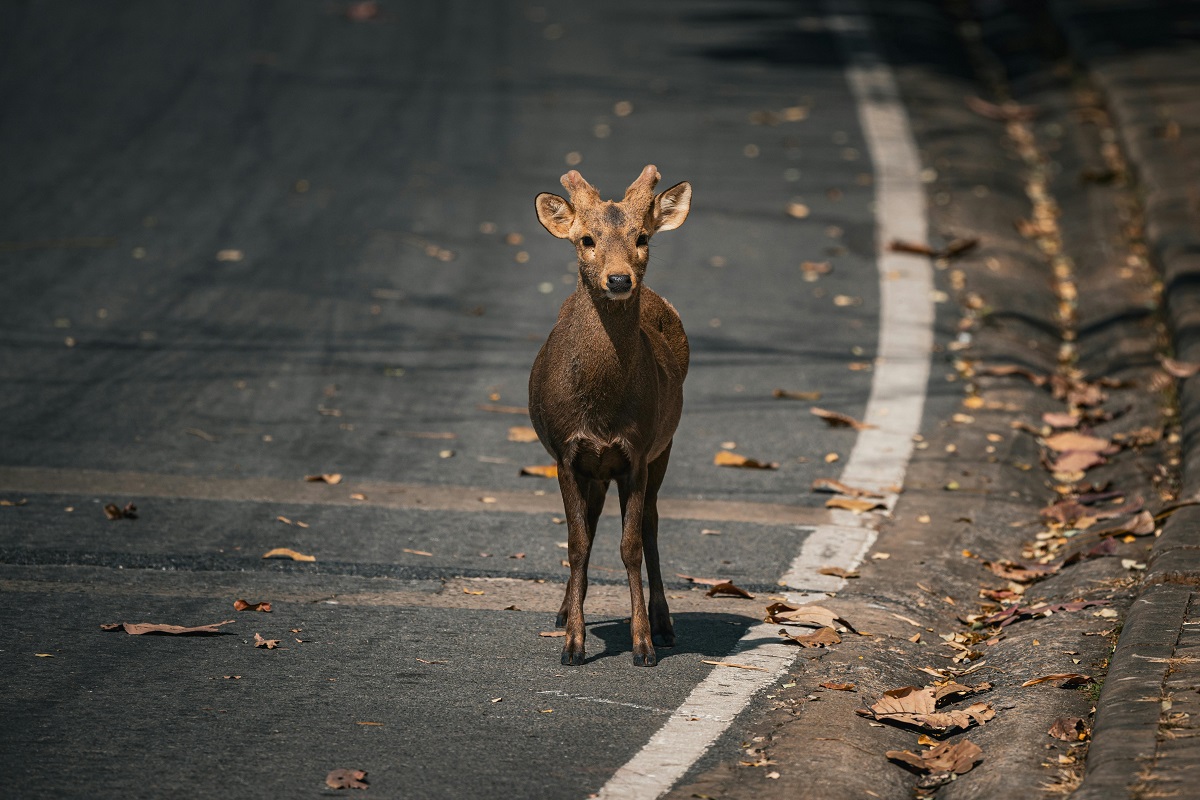
Many animals use celestial navigation during their seasonal migrations, and headlights or artificial lighting can confuse or mislead them. Roads interrupt natural travel corridors, forcing animals to cross dangerous terrain or completely change their paths. These detours reduce their chances of survival and lower reproductive success rates.
Related: 14 Mind-Blowing Bugatti Performance Facts That Will Leave You Stunned
Your car may be your key to freedom, but it can also be a silent threat to the world around you. The impact vehicles have on wildlife is vast, often unnoticed, and deeply woven into everyday travel. But by staying informed and taking small steps, drivers can reduce their footprint on the environment. Avoiding unnecessary driving, maintaining your vehicle, and respecting wildlife zones are a good start. A little awareness goes a long way in protecting nature’s most vulnerable creatures.
Disclaimer: This list is solely the author’s opinion based on research and publicly available information.
12 Car Vibration That Seem Harmless But Lead To Big Trouble

When your car starts to vibrate unexpectedly, it might be easy to dismiss it as a minor nuisance. Many drivers grow accustomed to these subtle shakes and shudders, thinking they’re just part of the driving experience. However, these vibrations often signal deeper mechanical issues that could spiral into major problems if left unchecked. Recognizing the causes behind these movements can save you from costly repairs and potential safety hazards. Here are 12 car vibrations that may seem harmless at first, but could lead to serious trouble if ignored.
Read it here: 12 Car Vibration That Seem Harmless But Lead To Big Trouble
13 Travel Trucks Built For Ultimate Road Trips

When it comes to hitting the open road, not all vehicles are built equally, especially when you’re chasing adventure and freedom. Travel trucks have emerged as the ultimate solution for road trippers who need power, comfort, and space without compromise. These trucks blend rugged utility with surprising luxury, offering everything from off-road readiness to cozy sleeping arrangements. Whether you’re heading to the mountains, deserts, or coastlines, the right travel truck can turn your trip into a journey of a lifetime.
Read it here: 13 Travel Trucks Built For Ultimate Road Trips
11 Hidden Downsides Of Algae Biofuels No One Is Talking About

Algae biofuels have been hailed as a sustainable alternative to fossil fuels, promising high energy yields with minimal environmental impact. However, beneath the surface, significant challenges threaten their widespread adoption and economic viability. From high production costs to unforeseen ecological effects, algae biofuels are not the perfect solution many believe them to be.
Read it here: 11 Hidden Downsides Of Algae Biofuels No One Is Talking About
You’ll love these related posts:
- 11 Copycat Cars That Look Like The Real Deal But Cost Way Less
- 12 Jaw Dropping Vintage Caravans You’ll Wish You Owned
- 12 Insane Details About the Jet-Powered Volkswagon Camper Van That You Won’t Believe
- 11 Must-Visit Destinations In Europe For Every Petrolhead
- 13 Insane Cars Owned by America’s Biggest Music Stars