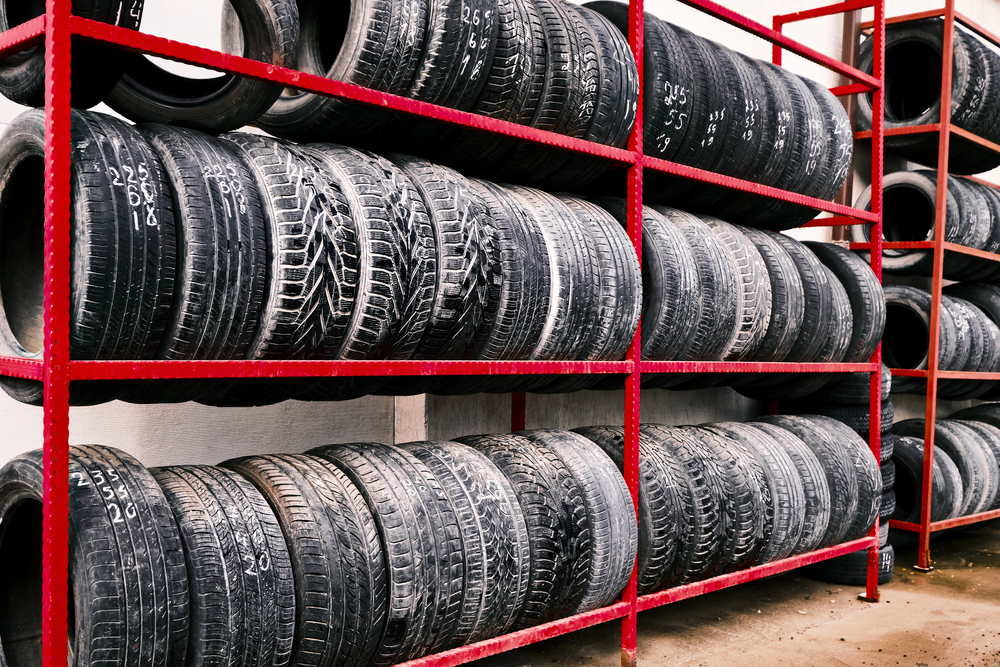
Tires are the unsung heroes of your car, always rolling, always gripping, and rarely getting the appreciation they deserve. But if you’re not careful, you could be shaving miles off their lifespan without even realizing it. From bad habits to simple maintenance mistakes, your tires could be wearing out way faster than they should. If you’re constantly replacing them (or feeling like you’re driving on slicks), it’s time to check if you’re making these costly errors.
Driving with Incorrect Tire Pressure
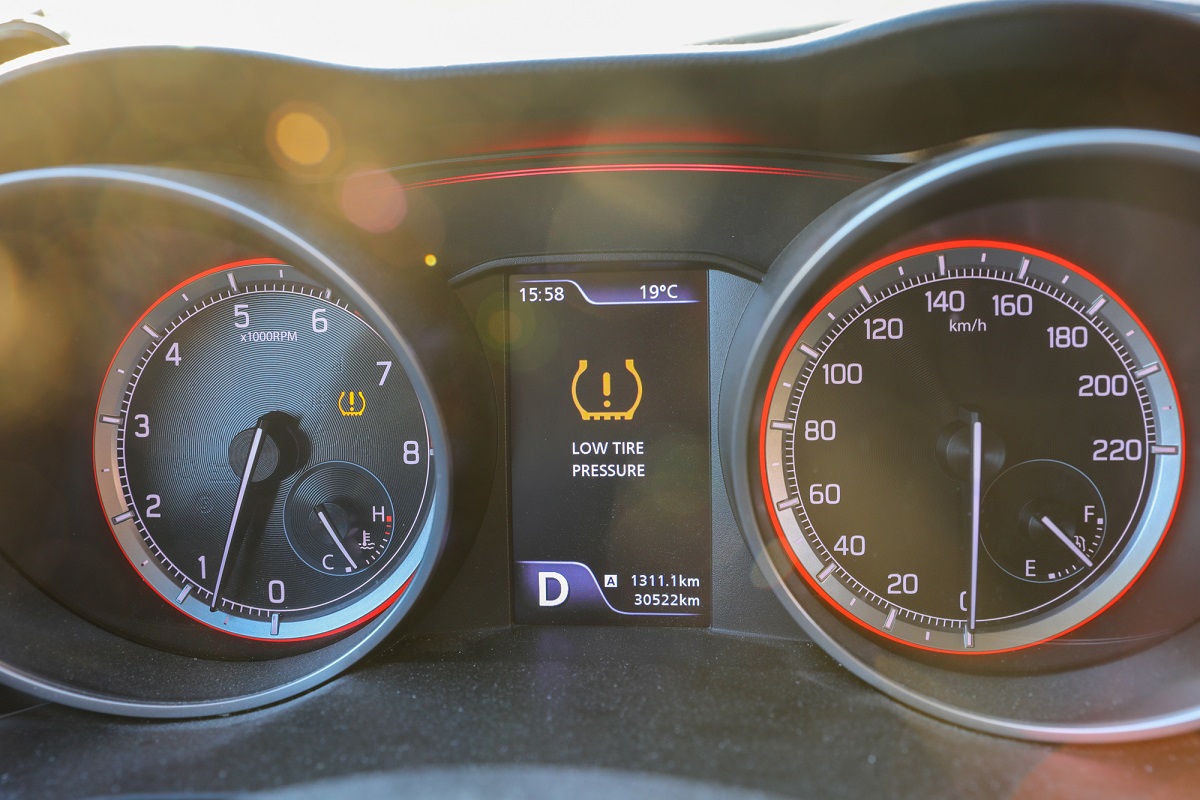
Underinflated or overinflated tires wear out unevenly, reducing their lifespan and compromising safety on the road. Low pressure causes excessive heat buildup, while high pressure leads to uneven tread wear. Checking and adjusting your tire pressure regularly can prevent premature wear, costly repairs, and unexpected tire blowouts.
Ignoring Wheel Alignments
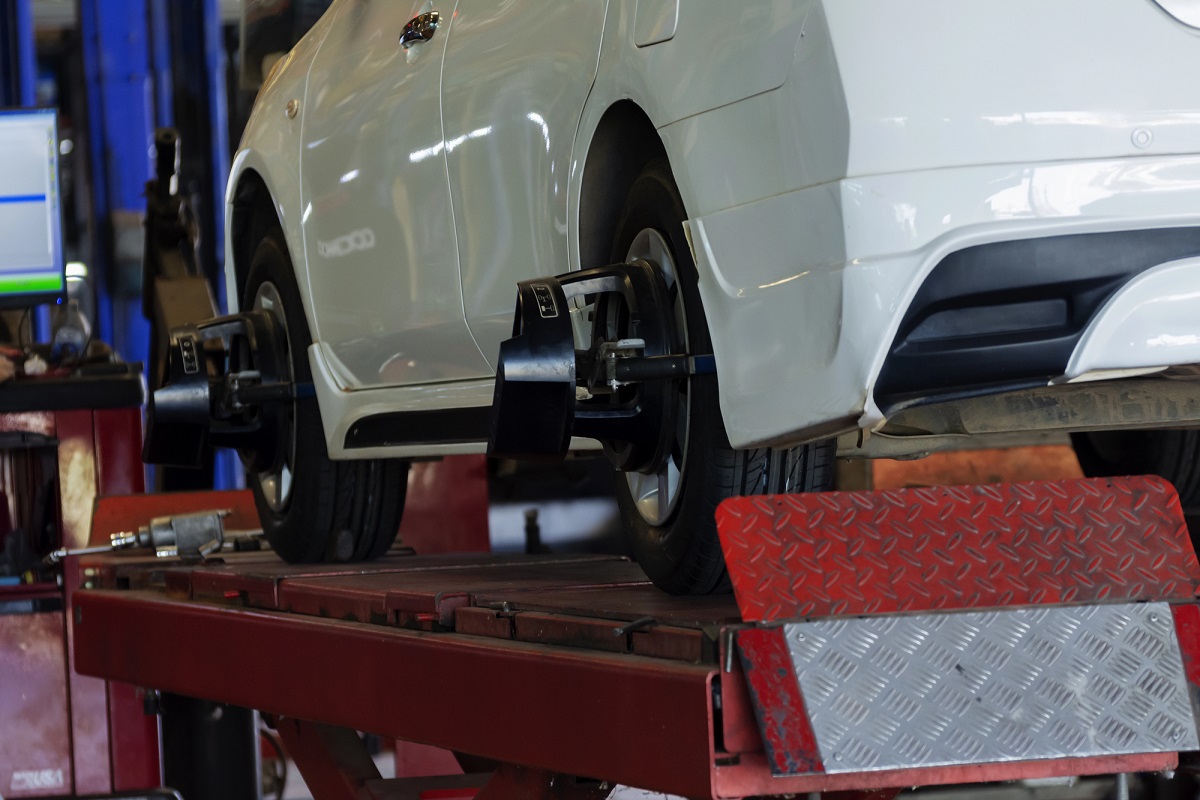
Misaligned wheels cause uneven wear, making your tires wear out faster on one side completely. If your car pulls to one direction or the steering feels off, it’s time for an alignment check. Regular alignments improve handling, fuel efficiency, and tire longevity, ensuring a smoother and safer ride.
Skipping Tire Rotations
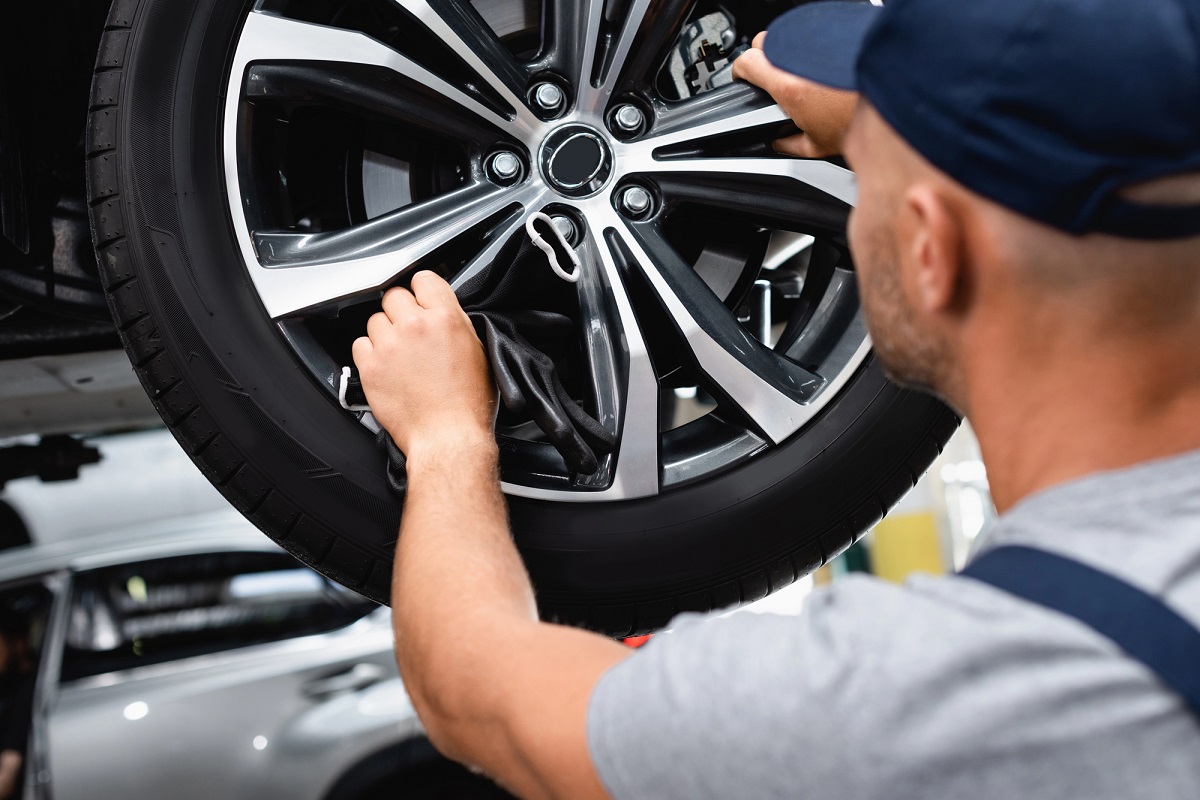
Failing to rotate your tires leads to uneven wear, shortening their lifespan and reducing overall performance. Front tires typically wear out faster due to steering and braking forces, affecting long-term durability. Rotating them every 5,000 to 8,000 miles ensures even wear, better stability, and extended tread life.
Driving Aggressively with Hard Braking and Acceleration

Sudden stops and quick take-offs put excessive stress on your tires, causing them to wear out faster. Burnouts and sharp turns also degrade the rubber more quickly, leading to frequent replacements. Smooth driving not only extends tire life but also improves fuel efficiency, handling, and overall driving experience.
Related: 15 Insanely Clever Driving Hacks Every Car Owner Wishes They Knew Sooner
Overloading Your Vehicle Beyond Limits

Carrying excessive weight increases tire strain, leading to faster tread wear and potential safety hazards on roads. Every tire has a load capacity, which should never be exceeded under any condition. Check your vehicle’s weight limits and avoid unnecessary loads to ensure safer handling and longer-lasting tires.
Related: 11 Hidden Ways The Trump Trade War Is Quietly Driving Up Car Prices
Driving on Rough Roads and Potholes

Constantly hitting potholes, curbs, and rough terrain accelerates tire damage, causing cuts, bulges, and tread separation issues. Avoiding rough roads and driving cautiously over obstacles can help preserve your tires for longer use. Properly inflated tires also absorb impact better, reducing wear and preventing sudden tire failures.
Related: 12 Scary Car Warning Lights and Sounds You Should Never Ignore
Using the Wrong Tire Type for Your Car
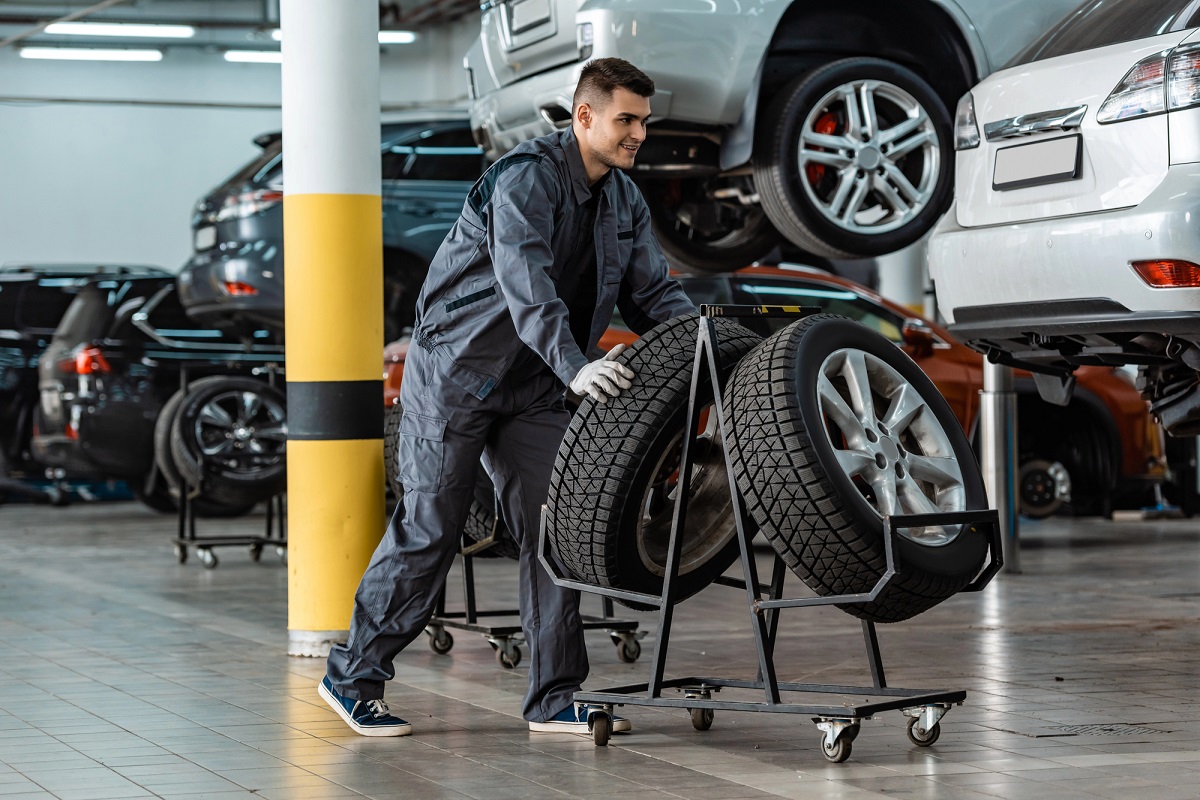
Mismatched or improper tires reduce performance and wear out unevenly, leading to premature tread loss and handling issues. Using summer tires in winter, or all-season tires for heavy loads, speeds up deterioration significantly. Always choose the right tires for your vehicle and driving conditions for maximum safety, control, and durability.
Driving at High Speeds Frequently

Excessive speed generates more heat and friction, which can break down the rubber and reduce tread life. The faster you drive, the quicker your tires degrade, leading to premature replacements. Maintaining moderate speeds extends tire life while improving safety, control, braking performance, and overall driving stability.
Related: 15 Nostalgic ’80s & ’90s Cars That Are Making A Comeback
Using Low-Quality or Old Tires
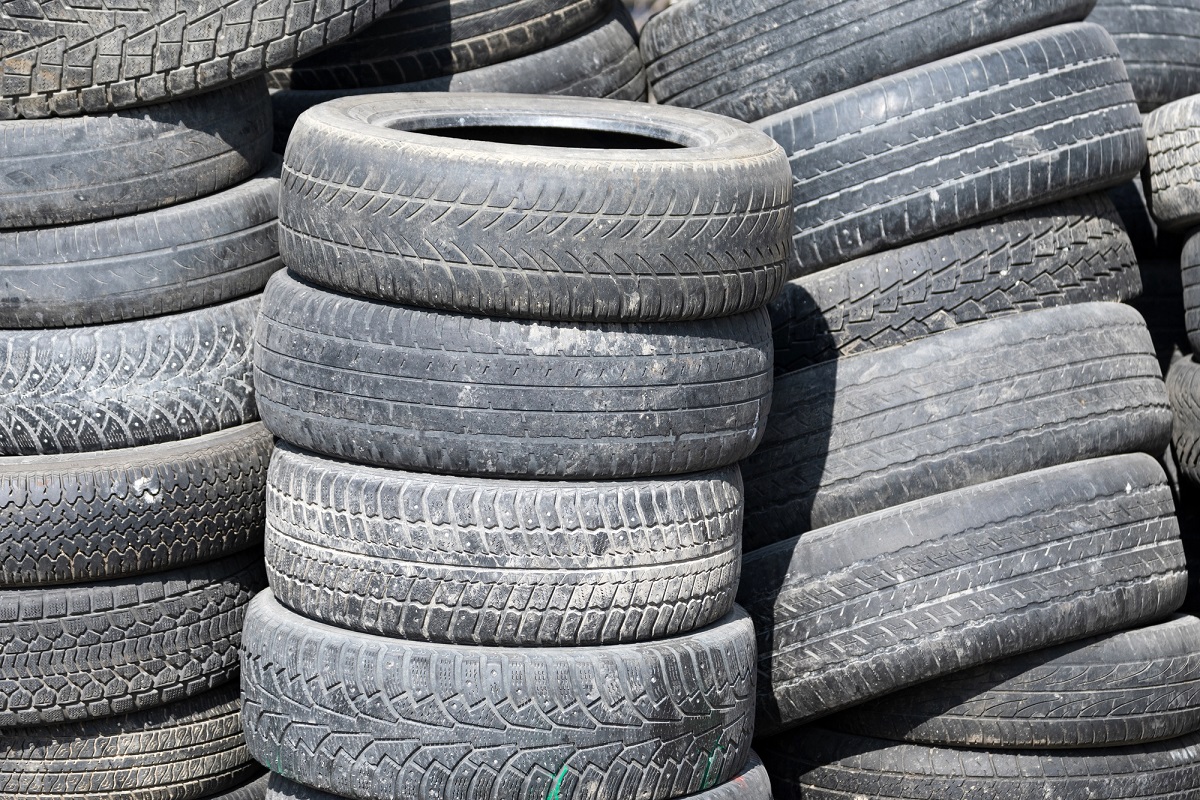
Cheap, low-quality tires tend to wear out much faster than premium options designed for durability and longevity. Old tires, even with good tread, lose their elasticity and grip over time, making them unsafe. Investing in high-quality tires and replacing them when needed ensures maximum longevity, traction, and overall driving safety.
Related: 15 Cars That Defined Boomer Childhoods and Are Now Ultimate Collectibles
Using Mismatched Tires on Your Car
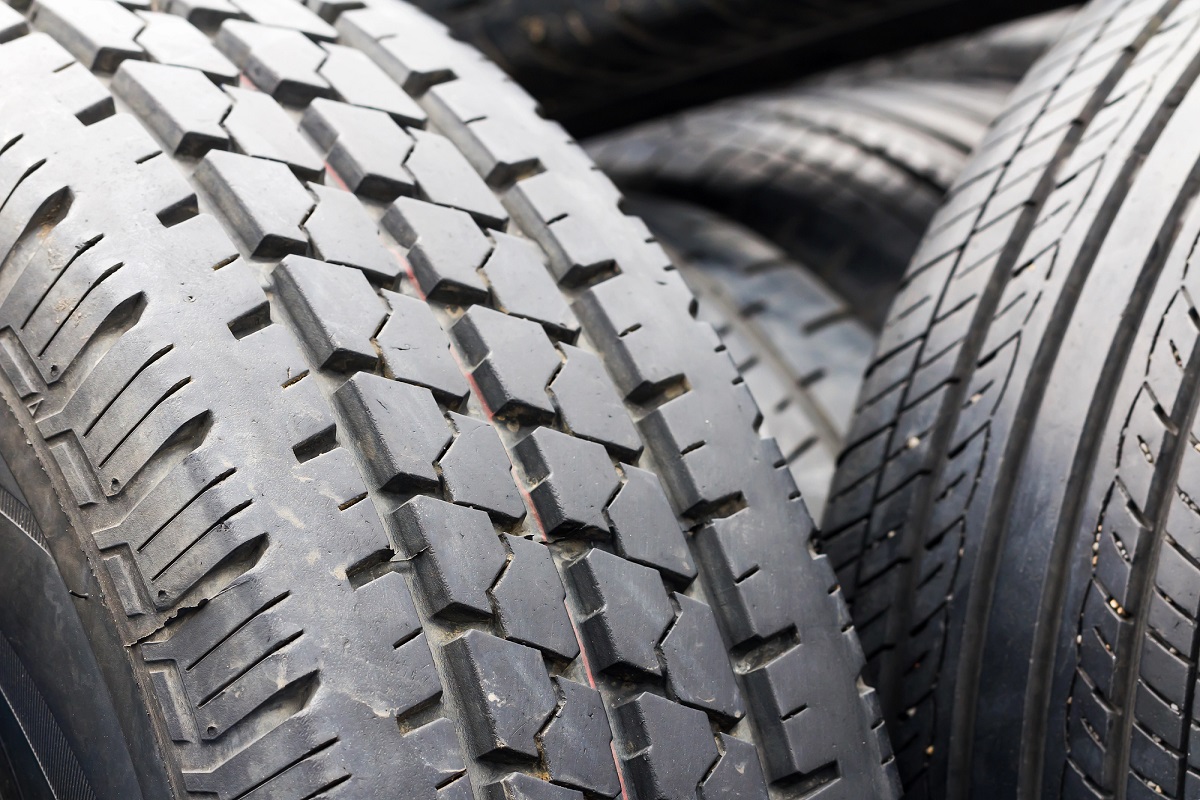
Mixing different brands, sizes, or tread patterns leads to uneven wear, handling issues, and reduced driving safety overall. Your car’s performance and stability rely on balanced, matching tires for smooth and controlled driving experiences. Always replace tires in full sets or matching pairs to ensure even wear, durability, and optimal handling.
Waiting Too Long to Replace Worn-Out Tires
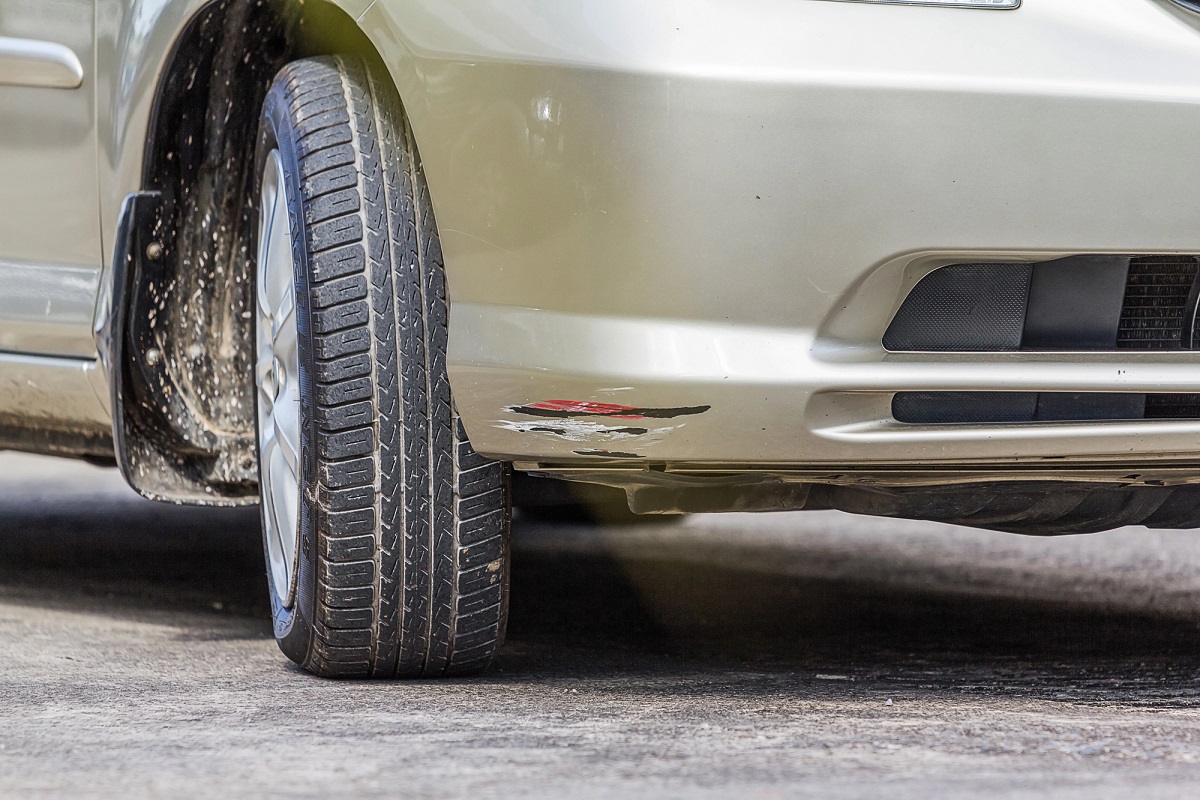
Driving on bald or heavily worn tires increases the risk of blowouts, poor traction, and hydroplaning in wet conditions. If the tread depth is below 2/32 of an inch, it’s time for a replacement immediately. Worn-out tires compromise safety, fuel efficiency, grip, and braking performance, making timely replacements essential for safe driving.
Related: 15 Game Changing Car Tricks That Will Transform How You Drive
Your tires take the brunt of every drive, and a little extra care goes a long way in keeping them rolling strong. Avoiding these mistakes won’t just save you money, it’ll improve your car’s safety, handling, and overall driving experience. So, check your tire pressure, rotate them regularly, and treat them right. Because when your tires last longer, so does your journey. Safe driving!
Disclaimer: This list is solely the author’s opinion based on research and publicly available information.
15 Insanely Clever Driving Hacks Every Car Owner Wishes They Knew Sooner

Becoming a better driver isn’t just about following the rules, it’s about mastering the little things that make driving smoother, safer, and more efficient. From handling bad weather to improving fuel economy, small changes can make a big difference. Whether you’re a new driver or a seasoned one, these tips will help you drive smarter and more confidently. Let’s hit the road with these must know driving essentials!
Read it here: 15 Insanely Clever Driving Hacks Every Car Owner Wishes They Knew Sooner
15 Cruise Control Mistakes That Put You at Risk on the Highway

Driving isn’t just about getting from point A to point B, it’s about doing it safely, efficiently, and with confidence. Whether you’re a new driver or a seasoned pro, knowing essential car basics can save you time, money, and stress. From routine maintenance to handling emergencies, these 15 auto essentials will help you become a smarter, more responsible driver. Let’s hit the road with knowledge on your side!
Read it here: 15 Cruise Control Mistakes That Put You at Risk on the Highway
14 Reasons Your Car’s Resale Value Is Dropping Fast

When it’s time to sell your car, you might be in for a rude awakening, its resale value could be far lower than you expected. Many factors can rapidly decrease what your vehicle is worth, some of which are out of your control, while others are completely avoidable. Whether it’s depreciation, wear and tear, or market trends, here are 14 reasons your car’s value is plummeting faster than you’d like.
Read it here: 14 Reasons Your Car’s Resale Value Is Dropping Fast
You’ll love these related posts: