The ongoing trade war has had profound effects on the automotive industry, often in ways dealerships prefer not to discuss. From increased costs to hidden fees, car buyers are unknowingly paying more due to geopolitical tensions and tariff disputes. While dealerships may advertise discounts and financing offers, the reality is that trade policies have made vehicle ownership more expensive and complex. Here are 13 shocking truths about the trade war that dealerships won’t tell you.
Tariffs Have Made New Cars More Expensive

One of the biggest effects of the trade war is the increased cost of vehicles due to tariffs on imported steel, aluminum, and car parts. Even domestically produced cars contain foreign components, meaning manufacturers pass those higher costs on to consumers. Dealerships may disguise this with promotional offers, but base prices have steadily risen.
Auto Loan Interest Rates are Higher Due to Economic Uncertainty

Economic instability caused by trade disputes has influenced interest rates, making car financing more expensive. Banks and lenders have adjusted their rates to account for market volatility, meaning consumers are paying more in interest over the life of a car loan. Dealerships rarely highlight these increased financing costs.
Tariffs on Imported Parts Increase Vehicle Prices
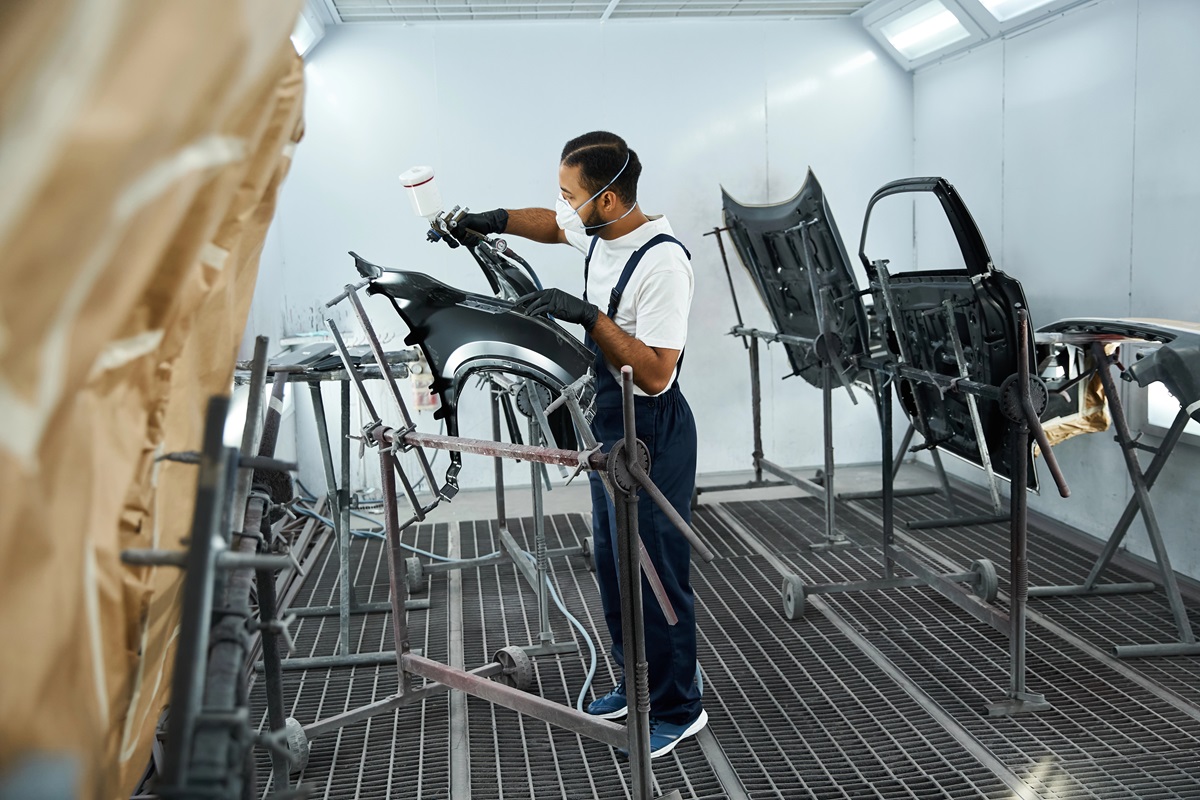
Many cars rely on imported parts, and tariffs on these materials have caused manufacturing costs to rise. Automakers pass these additional expenses onto consumers, making new vehicles more expensive than before. Even American-made cars contain foreign components, meaning no brand is truly immune to these price hikes. As a result, dealership markups have quietly grown to offset these increased costs.
Automakers are Reducing Standard Features

To keep costs down, some automakers have started reducing the number of standard features in new models. Features that were once included, such as advanced safety systems or high-quality infotainment systems, are now available only as costly upgrades. Dealerships present these stripped-down models as “affordable,” but in reality, buyers end up paying more to add features that were once standard. This tactic helps manufacturers and dealerships maintain profitability while appearing to keep prices stable.
Related: 12 Best Used Cars for Teen Drivers on a Budget
Dealership Fees are Quietly Increasing

To compensate for the rising costs of vehicles, many dealerships have increased administrative and processing fees. Buyers may not realize these additional costs until they review the final paperwork, by which point they feel committed to the purchase. Some dealerships also create new fees disguised as “service” or “delivery” charges that were previously included in the base price. These hidden costs add hundreds, if not thousands, to the final price of a vehicle.
Related: 12 Cheapest Electric Cars That Still Have Great Range
Trade-In Values are Lower Than Expected

Despite rising car prices, trade-in values have not increased at the same rate, leaving many car owners disappointed. Dealerships take advantage of this by offering lower trade-in prices while selling used vehicles at much higher markups. This practice increases dealership profits while forcing consumers to pay more out-of-pocket for their next car. Many customers don’t realize the true value of their trade-ins and end up accepting low-ball offers.
Related: 13 Celebrity Car Restorations: Bringing Classics Back to Life
Car Manufacturers Are Relocating Factories
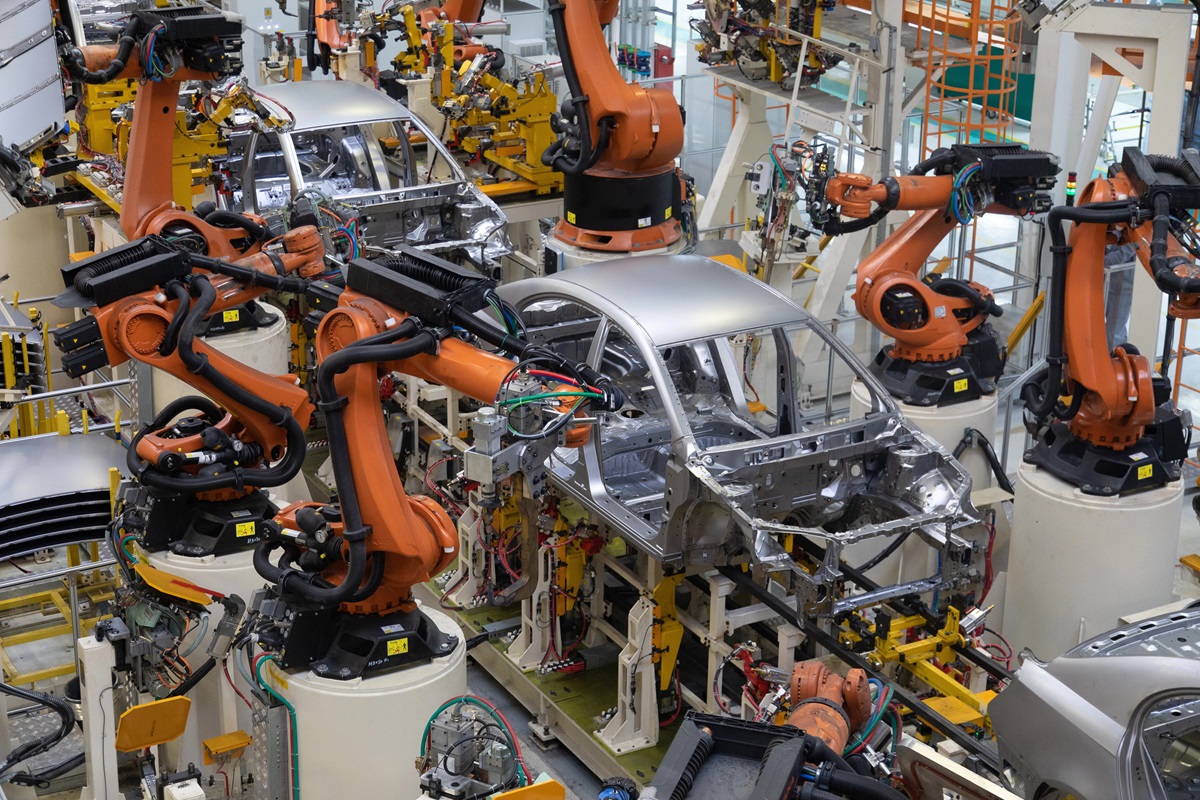
In response to tariffs, some automakers have moved production to different countries to avoid additional taxes. This shift has led to supply chain disruptions and occasional delays in vehicle deliveries. While manufacturers promote these moves as cost-saving measures, they often don’t translate to lower prices for consumers. Instead, dealerships continue to increase vehicle prices while using supply chain challenges as an excuse.
Auto Repair Costs Are Rising Too
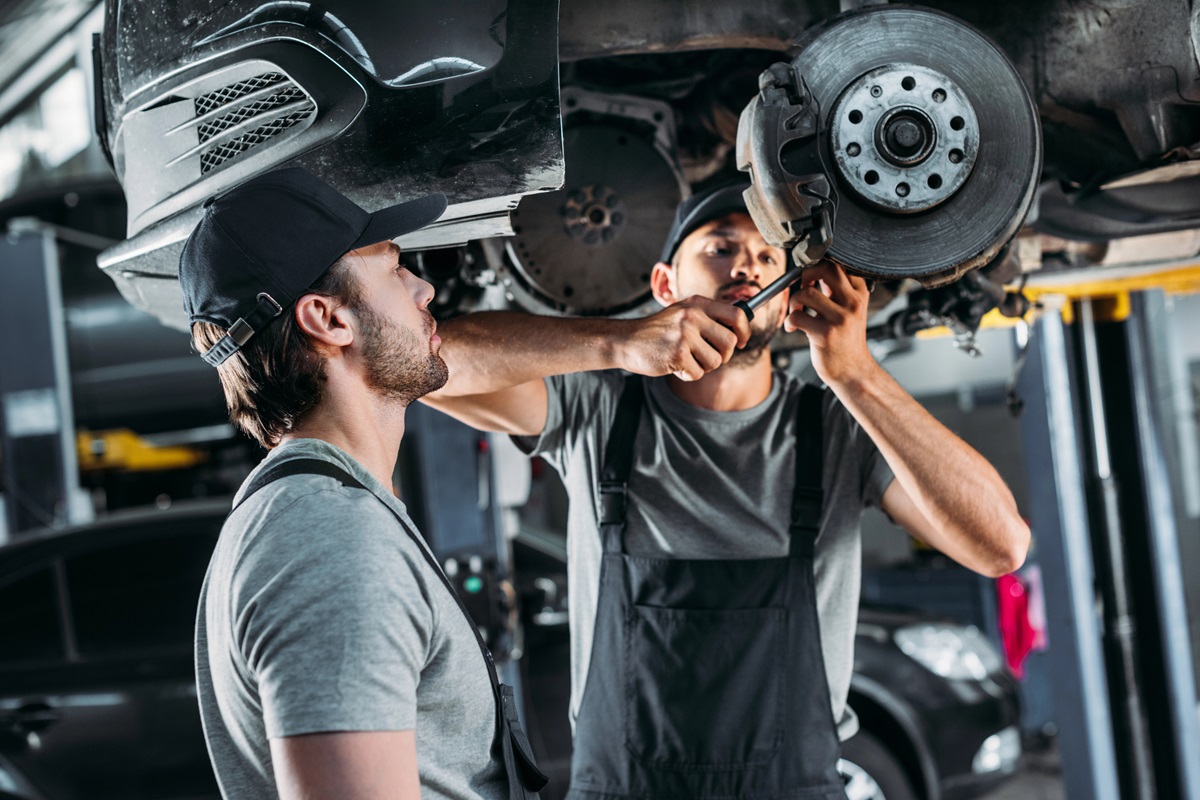
The trade war hasn’t just affected new car prices, it has also increased the cost of replacement parts. Tariffs on imported components have made repairs and maintenance more expensive, even for older vehicles. Dealerships and repair shops have raised their service fees, making car ownership more costly overall. Many drivers don’t realize this until they face an unexpected repair bill.
Related: 12 Loudest Stock Car Horns You Can Buy
Automakers are Lobbying Against Tariffs
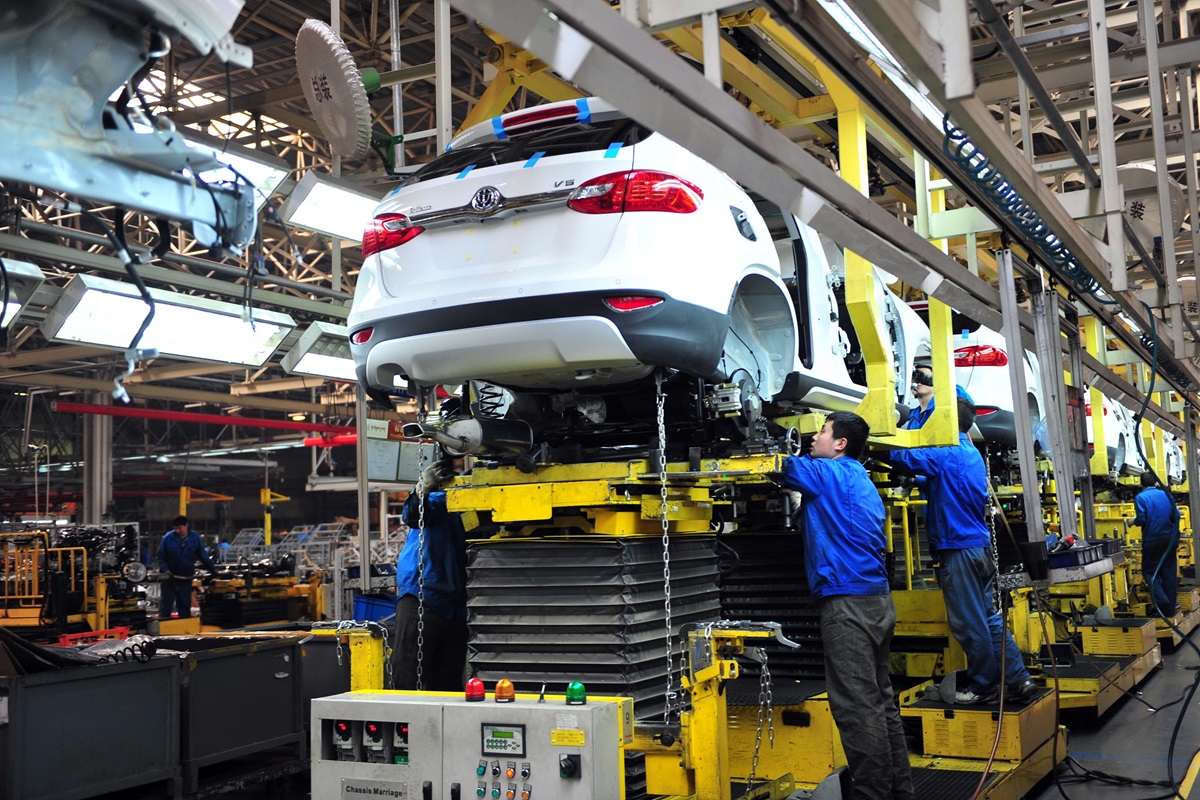
Major car manufacturers have actively lobbied governments to reduce or eliminate tariffs that hurt their bottom line. However, these efforts don’t always benefit consumers, as companies often use cost savings to boost profits rather than lower prices. Dealerships rarely mention this political influence, instead blaming high costs on unavoidable trade policies. In reality, industry lobbying plays a significant role in shaping pricing strategies.
Related: 13 SUVs Known for Holding Their Value and Staying on the Road for Over 200,000 Mile
Dealership Inventory is Shrinking
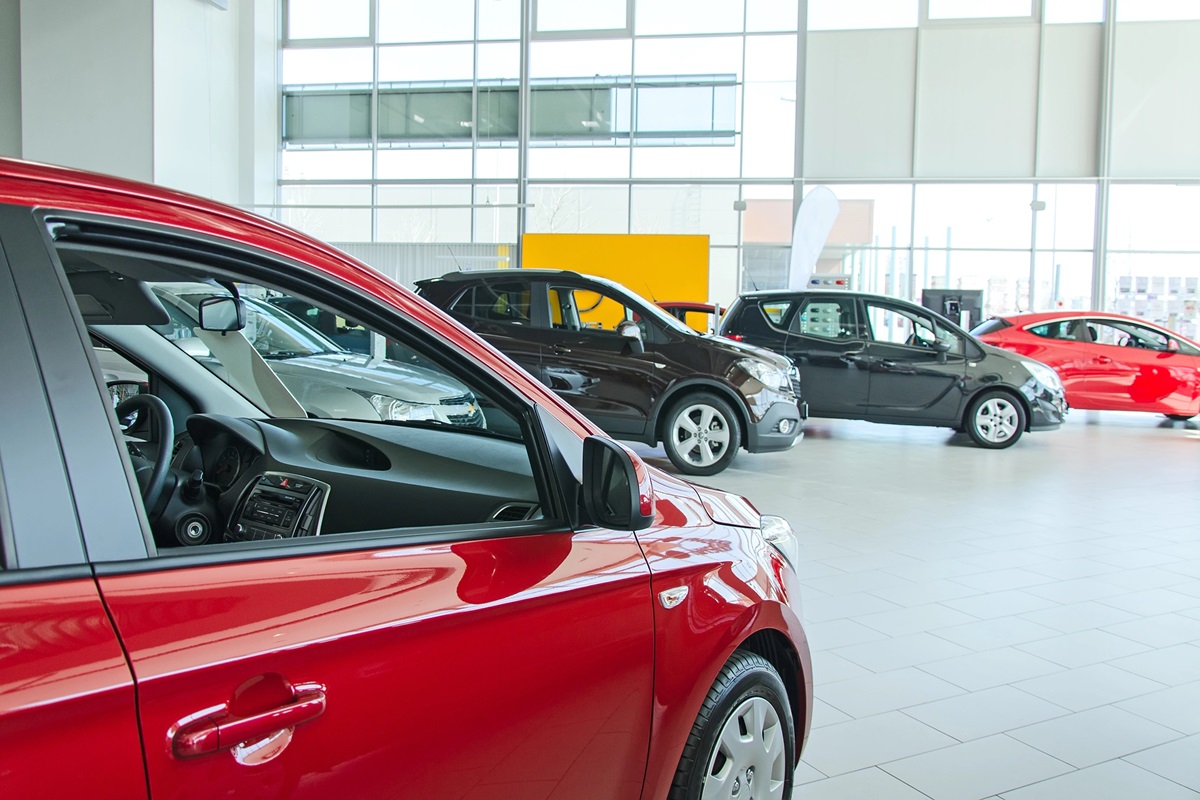
Some dealerships are keeping fewer vehicles in stock due to supply chain disruptions and higher costs. This artificial scarcity allows them to charge more for available vehicles while reducing incentives and discounts. Buyers often feel pressured to make quick decisions before stock runs out, leading to rushed purchases. This strategy benefits dealerships but limits consumer choices.
Imported Performance Cars are Harder to Get
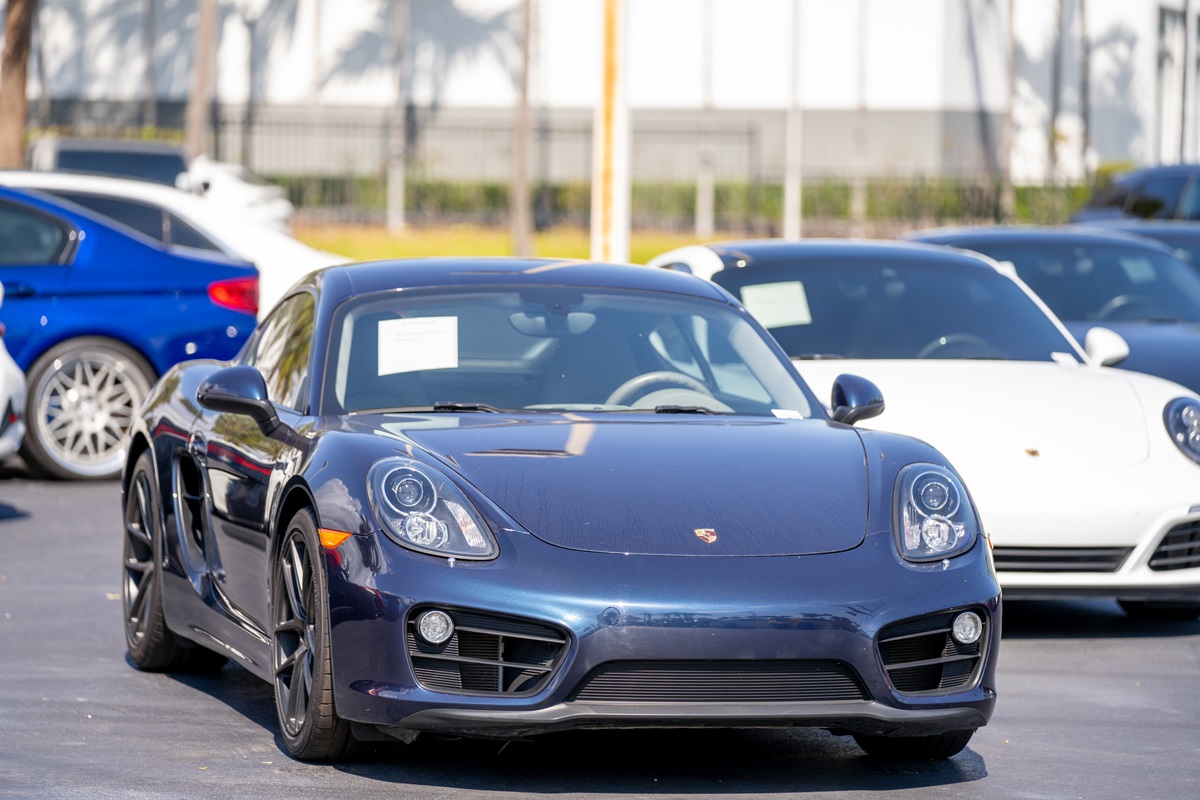
High-performance cars from brands like Ferrari, Porsche, and Lamborghini have seen increased prices due to import duties. These additional costs are passed down to buyers, making it more difficult for enthusiasts to own exotic cars. Some dealerships have even taken advantage of limited supply by adding extra markups. As a result, owning a performance car is more expensive than ever before.
Related: Affordable EVs That Actually Go the Distance – 13 Best Picks
EV Prices are Also Climbing
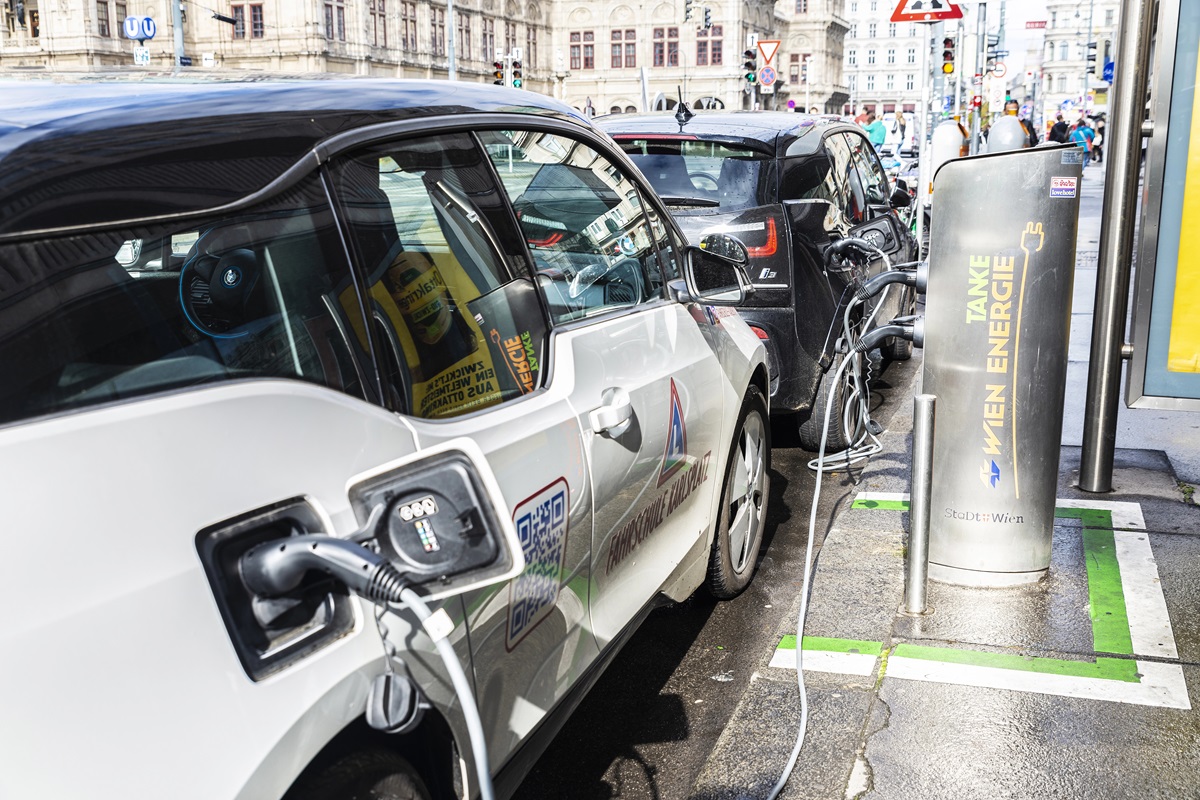
Electric vehicles (EVs) are particularly affected by trade tariffs, as many rely on imported lithium-ion batteries. With the cost of these batteries rising, EV prices have followed suit, making them less accessible to budget-conscious buyers. Government incentives help offset some costs, but they don’t fully counteract the price hikes caused by tariffs. Dealerships continue marketing EVs as the future of transportation, but they rarely disclose how trade policies have increased their costs.
Related: 14 Coolest Car Concepts That Never Made It to Production
Leasing is Becoming More Expensive

Leasing has long been an attractive option for those who want a new car without the high purchase price, but trade tariffs have made leasing more costly. The increase in vehicle prices affects lease residual values, causing monthly payments to rise. Many dealerships try to disguise this by extending lease terms or adjusting down payments. Buyers may think they’re getting a good deal, but they often end up paying more over time.
Related: Unique Car Names That Brings Character To Your Ride
The trade war has quietly reshaped the automotive industry, driving up car prices and changing the way dealerships operate. Hidden costs, rising fees, and supply chain disruptions have all contributed to making vehicles more expensive than ever before. While dealerships rarely disclose these details, consumers must be aware of how trade policies impact their buying decisions. Staying informed and negotiating wisely can help buyers avoid overpaying in this rapidly evolving market.
Disclaimer: This list is solely the author’s opinion based on research and publicly available information.
12 Used Car Buying Mistakes That Could Cost You Thousands Overnight

Buying a used car can be a smart way to save money, but it’s also a potential minefield of hidden problems. From sneaky sellers masking major issues to cars with a history of accidents, knowing what to look for is crucial. These 12 red flags will help you spot trouble before you sign the dotted line, saving you from expensive regrets. Don’t let a bad deal ruin your ride. Here’s what to watch out for.
Read it here: 12 Used Car Buying Mistakes That Could Cost You Thousands Overnight
The Secret History of Car Brand Logos: Hidden Meanings and Design Evolution

Car brand logos are more than just symbols; they tell stories of heritage, innovation, and identity. Many of the most recognizable logos have hidden meanings, subtle design choices, or deep historical significance that reflect the brand’s journey. Over time, these logos have evolved, adapting to modern aesthetics while retaining their core essence. Here’s a deep dive into the secret history, hidden meanings, and fascinating evolution of iconic car brand logos.
Read it here: The Secret History of Car Brand Logos: Hidden Meanings and Design Evolution
Luxury Electric Sedans: Which One Reigns Supreme?

Luxury electric sedans offer top-tier performance, advanced technology, and premium comfort. Automakers are pushing boundaries with cutting-edge design, high-end interiors, and impressive range. With so many options on the market, choosing the best one can be challenging. Here’s how today’s top luxury EVs compare.
Read it here: Luxury Electric Sedans: Which One Reigns Supreme?
You’ll love these related posts: