Formula 1 is often associated with iconic brands like Ferrari, Mercedes, and Red Bull, but many lesser known manufacturers play a crucial role behind the scenes. These companies provide engines, technology, and engineering expertise that power some of the fastest cars on the planet. While they may not always be front and center, their contributions have shaped the sport’s success. Here are 14 car manufacturers you might not realize are fueling F1’s greatest teams.
Honda

Honda has a rich history in F1, providing engines for multiple championship-winning teams. Their power units propelled Red Bull to victories, proving their engineering prowess. Despite stepping back from F1 in 2021, their technology remains influential. Even after their official exit, Honda-powered cars continue to dominate races.
Renault

Renault has been one of the most influential engine suppliers in F1 history, powering teams like Williams, Red Bull, and their own Renault works team. Their engines helped Red Bull dominate from 2010 to 2013, securing four consecutive championships. Even under the Alpine name, Renault continues to be a key player in the sport. Their commitment to innovation ensures they remain a force in the F1 world.
Porsche

Porsche’s involvement in F1 is less direct but still significant. The German automaker supplied turbocharged engines in the 1980s under the TAG-Porsche brand, powering McLaren to championships. While they have considered a return to the sport, their influence can still be seen in hybrid racing technology. Their expertise in high-performance engineering continues to impact F1 teams.
BMW

BMW powered Williams in the early 2000s, delivering one of the most powerful engines of the era. They later took over the Sauber team, forming BMW Sauber and achieving respectable results. Though they exited F1 in 2009, their influence remains in hybrid technology and performance engineering. Many of their advancements continue to shape modern racing.
Related: 12 Cheap Electric Cars That Won’t Leave You Stranded
Toyota
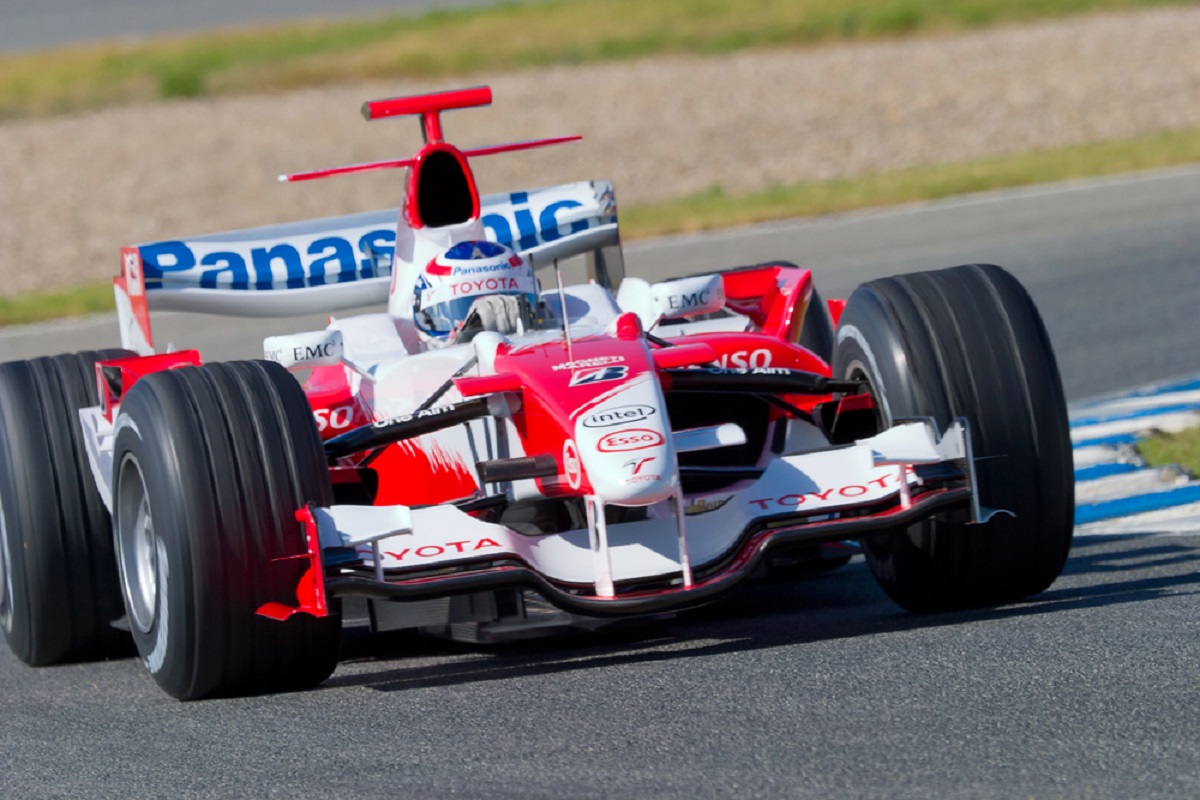
Toyota had a full works team in F1 from 2002 to 2009, but their impact goes beyond their direct participation. Their advanced wind tunnel and simulation technology are still used by teams today. Despite never winning a championship, their technical contributions have helped push the sport forward. Toyota remains a powerhouse in motorsport, influencing F1’s engineering landscape.
Related: The Ultimate Car Owner’s Guide: 15 Common Auto Questions Solved
Ford

Ford’s involvement in F1 dates back decades, with their legendary Cosworth DFV engine powering numerous championship-winning cars. Even in modern times, their technology and engineering contributions continue to impact engine development. Their recent partnership with Red Bull Powertrains signals a possible return to F1. Ford’s racing DNA remains deeply embedded in the sport.
Related: Mechanic-Approved! 12 Expert Answers to Your Car Problems
Maserati
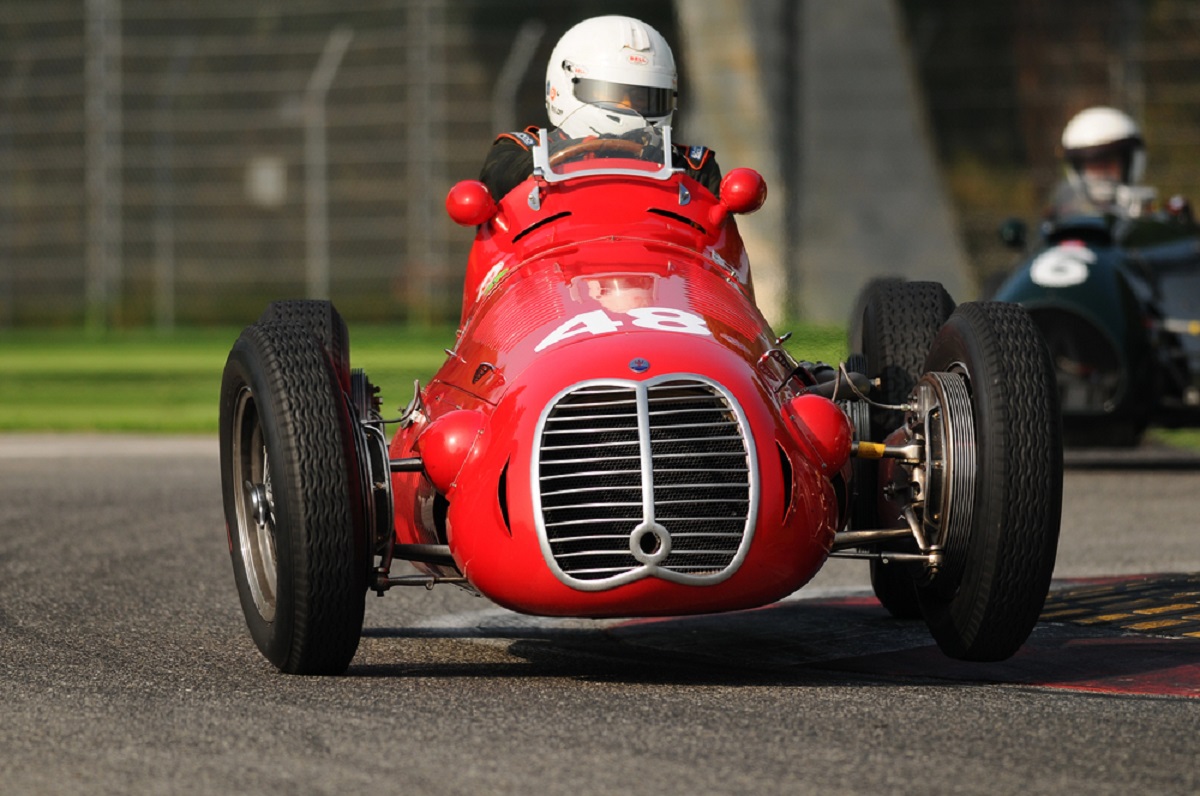
Maserati played a vital role in the early days of F1, winning the 1957 championship with Juan Manuel Fangio. Though no longer directly involved, their engineering expertise has influenced many teams. They have maintained a presence in motorsport, focusing on endurance and electric racing. Their legacy in F1 remains an important part of racing history.
Alfa Romeo
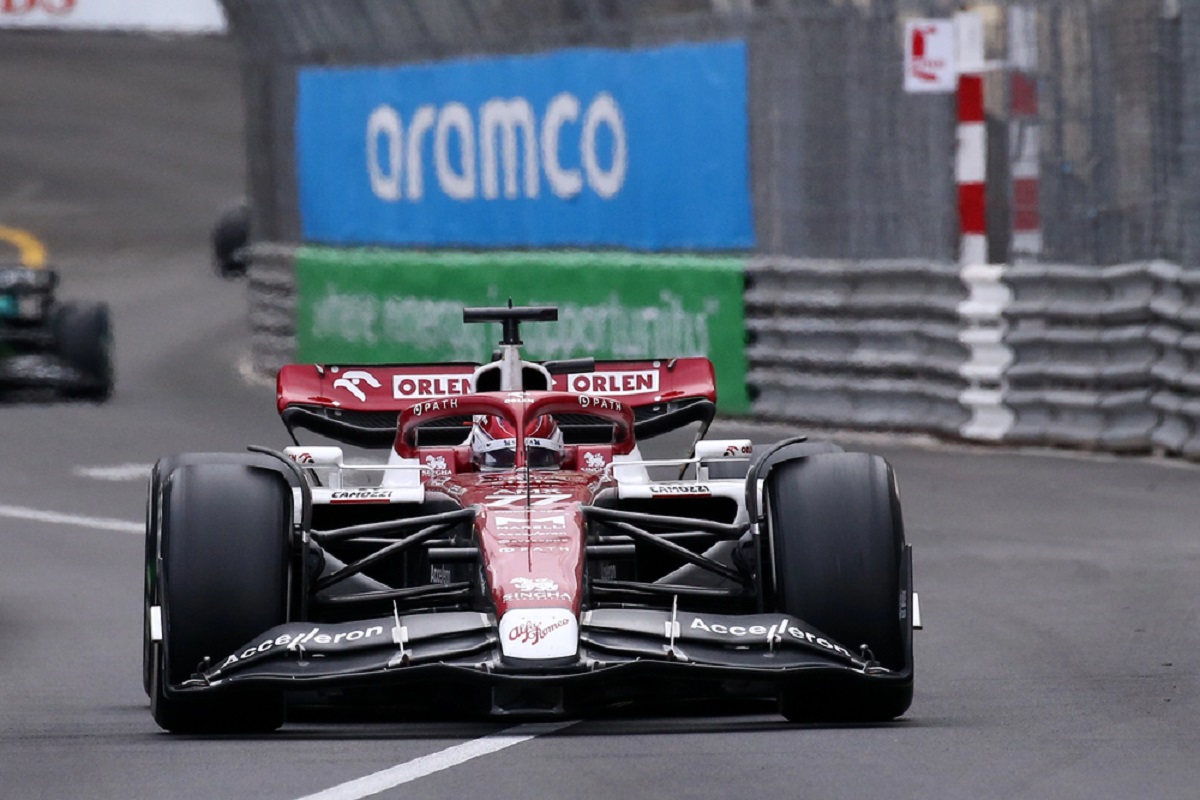
Alfa Romeo has been part of F1 since its earliest days, winning the first-ever championship in 1950. Though they left for many years, they returned as a title sponsor and technical partner of Sauber. Their expertise in performance engineering continues to shape the modern Alfa Romeo F1 Team. Even as the Sauber team prepares to transition, Alfa Romeo’s impact remains undeniable.
Related: Car Maintenance Made Easy: 15 Essential FAQs Every Driver Should Read!
Lamborghini
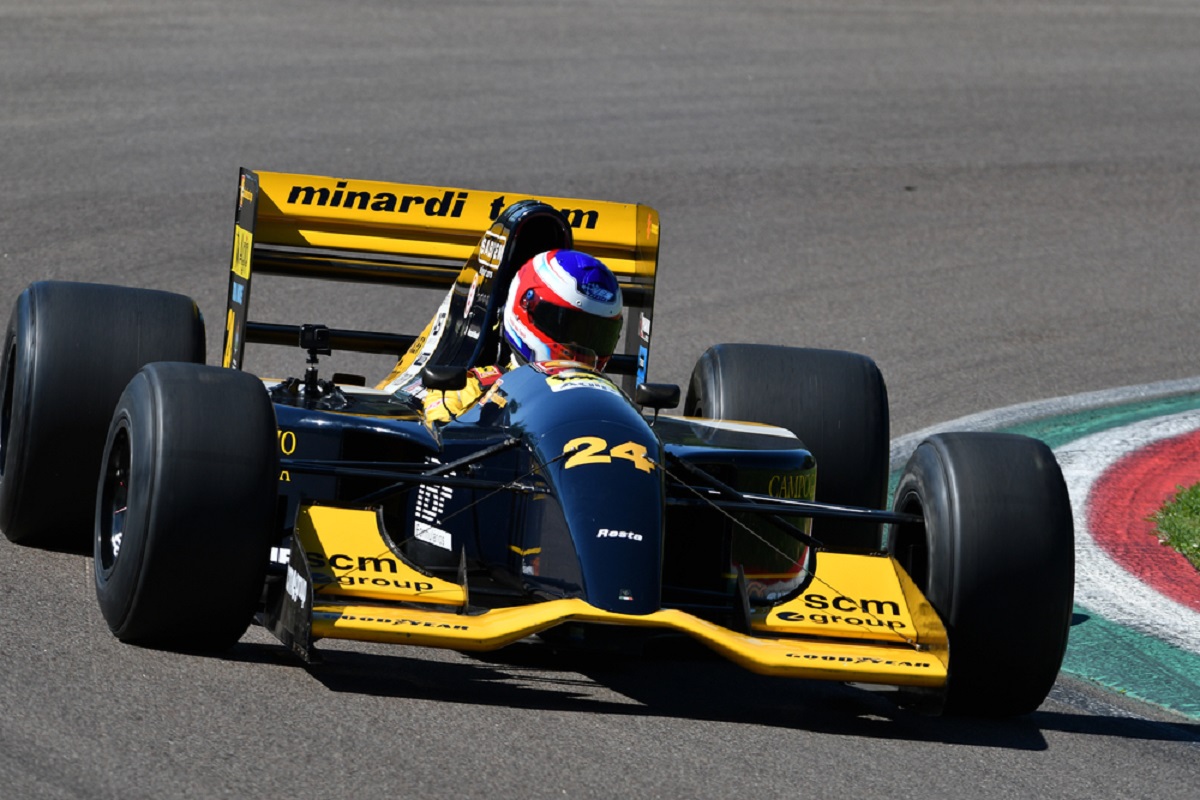
Lamborghini briefly entered F1 in the early 1990s as an engine supplier but failed to achieve major success. Despite their short-lived involvement, their V12 engines showcased incredible power. Today, Lamborghini’s advancements in hybrid performance technology influence F1’s power unit development. Their legacy continues to inspire innovation in high-performance motorsport.
Related: New or Used? 15 Crucial Car Buying FAQs Uncovered!
Aston Martin

Aston Martin returned to F1 as a works team in 2021, but their involvement dates back further. Their partnership with Red Bull in 2018-2020 contributed to groundbreaking aerodynamics and engineering solutions. Today, they continue to push the limits of performance with their state-of-the-art technology. As their team grows, Aston Martin’s presence in F1 is becoming stronger.
Peugeot

Peugeot supplied engines in the 1990s, most notably to McLaren and Jordan, but struggled with reliability. While they eventually left F1, their technology still plays a role in endurance and hybrid racing. Many of their innovations in turbocharging and fuel efficiency have influenced F1’s evolution. Their impact on motorsport engineering remains significant.
Related: Buying Your First Car? Read These 15 FAQs Before You Sign
Citroën

While Citroën has never directly competed in F1, its rally and performance expertise has contributed to motorsport engineering. Some of their suspension and aerodynamic innovations have found their way into Formula 1. Their influence is seen in how manufacturers approach handling and efficiency. Citroën’s motorsport heritage continues to shape automotive technology.
Related: 13 Hidden Dangers on the Road That Most Drivers Ignore
Chevrolet
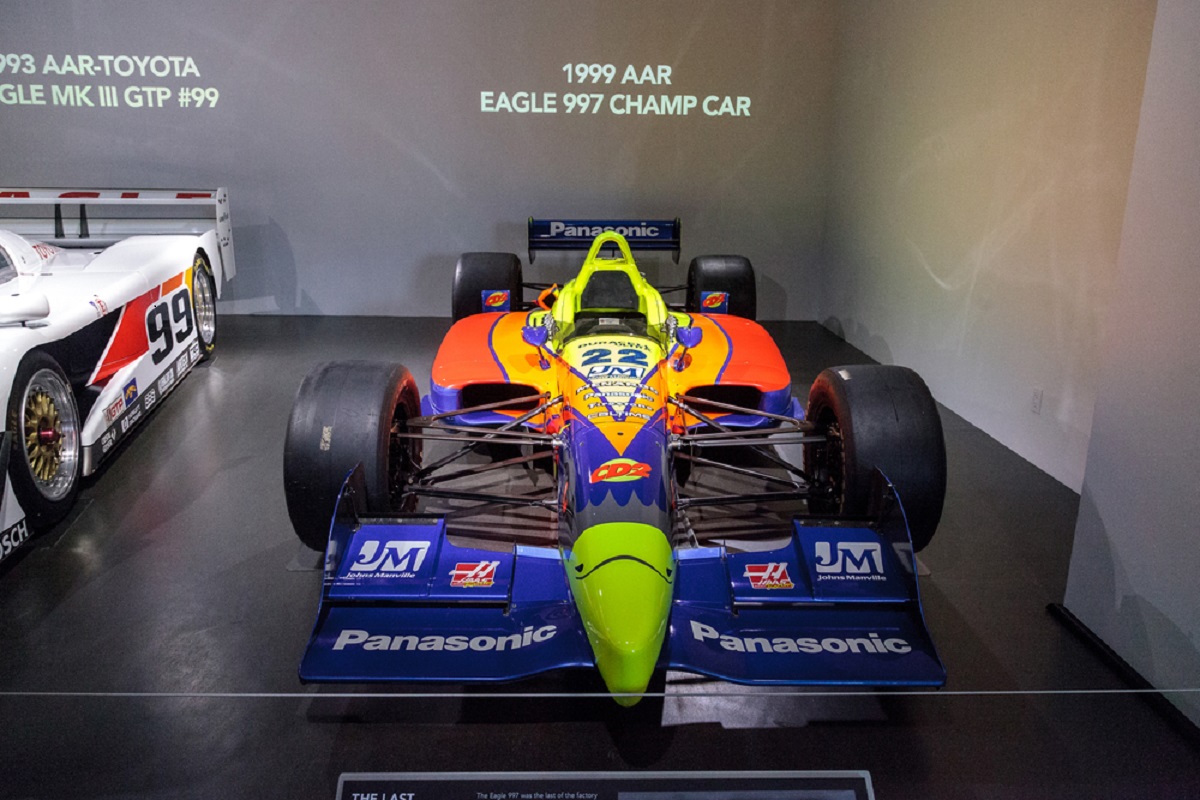
Chevrolet has never officially been in F1, but its presence in IndyCar and NASCAR has influenced high-performance engineering. Their advancements in engine efficiency and durability have contributed to F1’s hybrid power unit era. With GM now eyeing an F1 entry through Cadillac, Chevrolet’s involvement could grow in the near future. Their expertise in high-performance racing is undeniable.
Related: 15 Cruise Control Mistakes That Put You at Risk on the Highway
Cadillac

Cadillac has recently shown interest in entering Formula 1 through a partnership with Andretti Autosport. While they have no previous F1 experience, their history in endurance and high-performance racing positions them well. If their entry is approved, they could bring American engineering to F1 in a major way. Their involvement could redefine how American manufacturers compete at the highest level of motorsport.
Related: 12 Genius Upgrades That Will Transform Your Car’s Performance Instantly
Formula 1’s most dominant teams are often associated with well-known names, but many hidden players contribute to the sport’s success. Manufacturers like Honda, Renault, and BMW have supplied legendary power units, while brands like Aston Martin and Ford continue to shape F1’s engineering landscape. Even luxury brands like Maserati, Lamborghini, and Cadillac have left their mark on the sport. As F1 continues to evolve, these manufacturers will remain crucial in pushing the boundaries of speed and innovation.
Disclaimer: This list is solely the author’s opinion based on research and publicly available information.
The Secret History of Car Brand Logos: Hidden Meanings and Design Evolution

Car brand logos are more than just symbols; they tell stories of heritage, innovation, and identity. Many of the most recognizable logos have hidden meanings, subtle design choices, or deep historical significance that reflect the brand’s journey. Over time, these logos have evolved, adapting to modern aesthetics while retaining their core essence. Here’s a deep dive into the secret history, hidden meanings, and fascinating evolution of iconic car brand logos.
Read it here: The Secret History of Car Brand Logos: Hidden Meanings and Design Evolution
13 Celebrity Car Restorations: Bringing Classics Back to Life
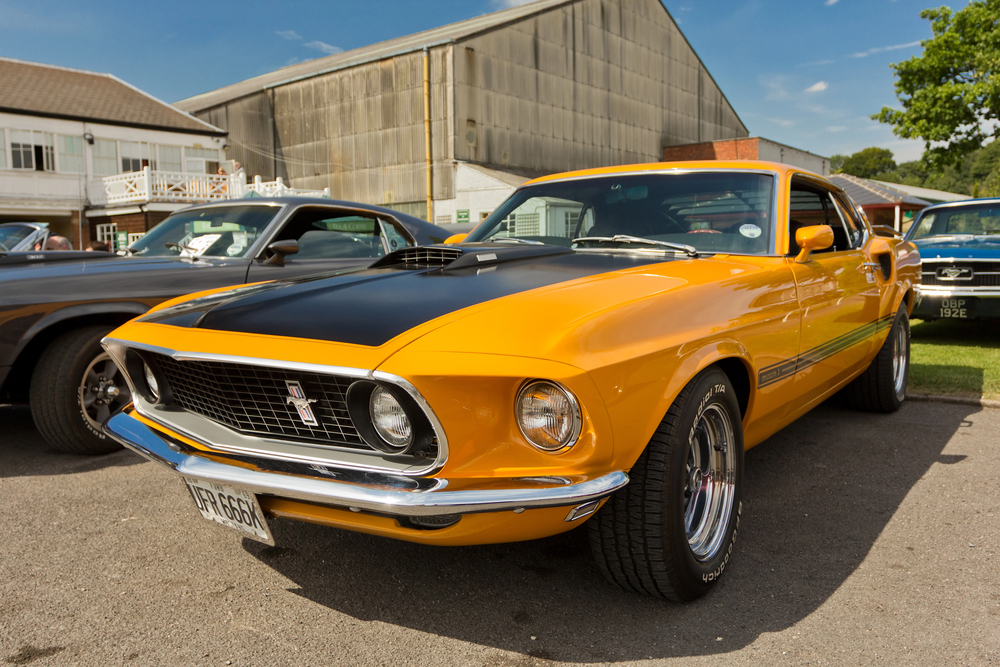
Celebrities don’t just collect luxury cars, many take pride in restoring classic automobiles to their former glory. Whether it’s a muscle car from the ‘60s or a vintage European beauty, these stars invest time and money to bring history back on the road. Here are 13 celebrities who have restored legendary cars with jaw-dropping results.
Read it here: 13 Celebrity Car Restorations: Bringing Classics Back to Life
12 Genius Upgrades That Will Transform Your Car’s Performance Instantly

Want more power, better efficiency, and a smoother ride? Whether you’re looking to enhance acceleration, fuel economy, or overall reliability, the right maintenance and driving habits can make a huge difference. From simple tune-ups to smart upgrades, these 12 expert backed tips will help you get the most out of your car. Let’s dive into the best ways to maximize your vehicle’s performance.
Read it here: 12 Genius Upgrades That Will Transform Your Car’s Performance Instantly
You’ll love these related posts:
- 14 Shocking Reasons Your Car Is Burning Gas Faster Than It Should
- 15 Cruise Control Mistakes That Put You at Risk on the Highway
- 12 Weird Ways Your Car Reveals More About You Than You Think
- 13 Smartest First Car Choices Millennials Can Make Without Regret
- 15 Nostalgic ’80s & ’90s Cars That Are Making A Comeback