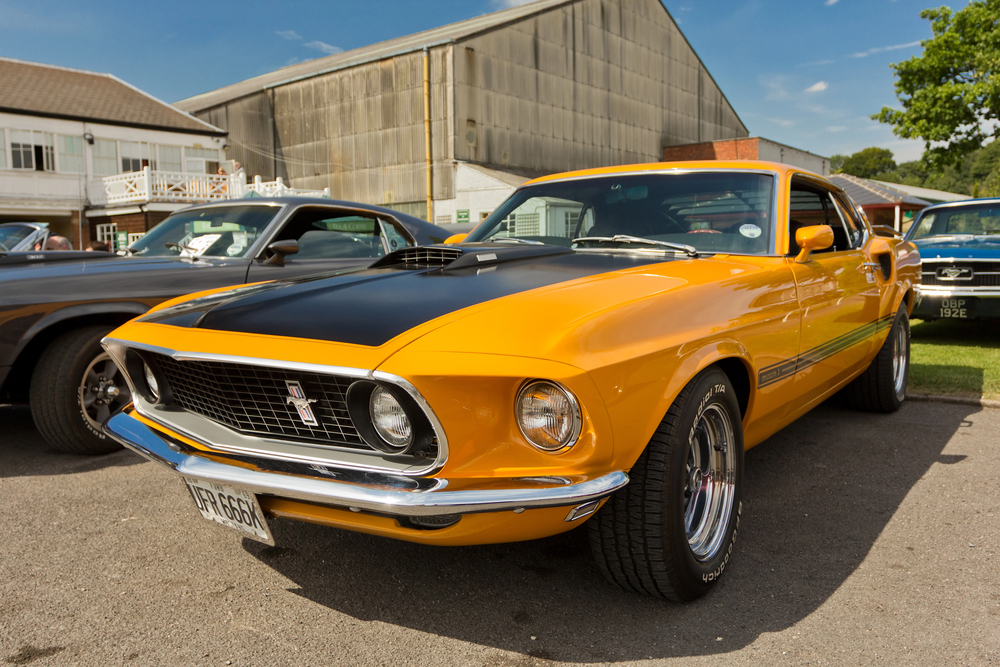
Buying a used car can be a smart way to save money, but it’s also a potential minefield of hidden problems. From sneaky sellers masking major issues to cars with a history of accidents, knowing what to look for is crucial. These 12 red flags will help you spot trouble before you sign the dotted line, saving you from expensive regrets. Don’t let a bad deal ruin your ride. Here’s what to watch out for.
Title Issues
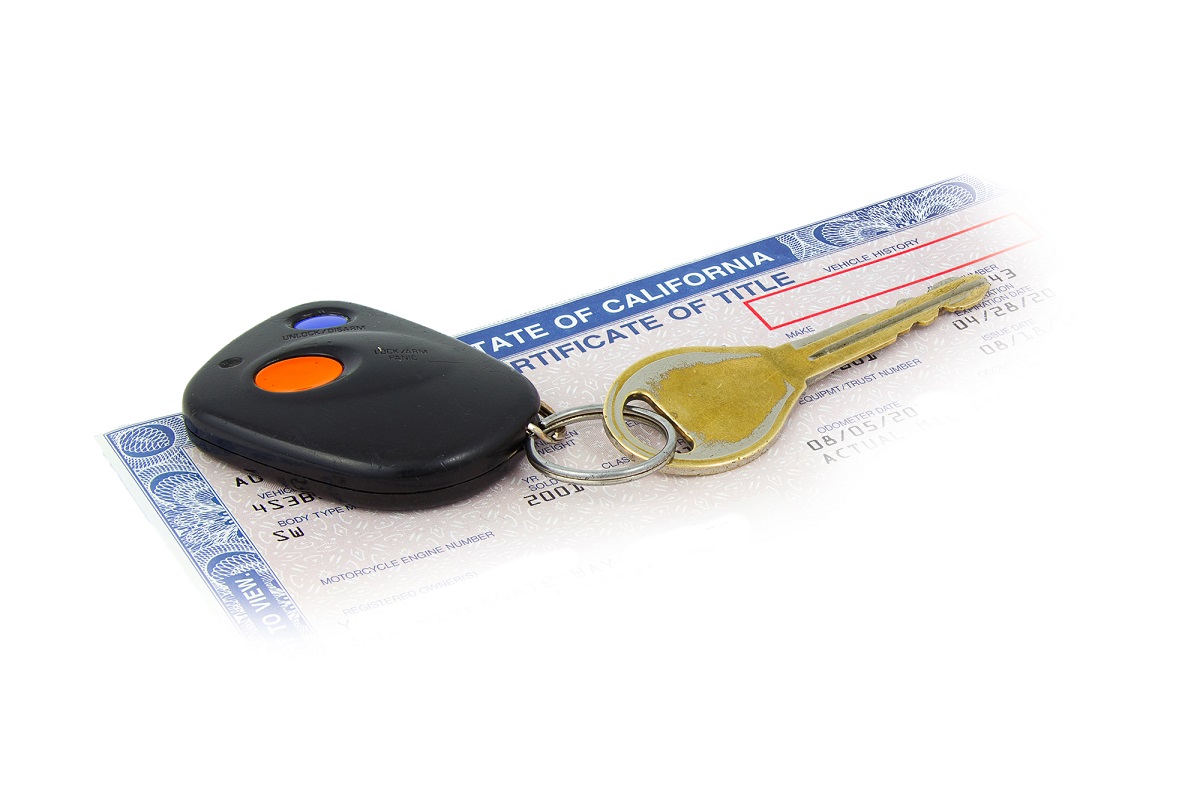
A salvage, rebuilt, or lemon law buyback title means the car has been in a major accident or had serious defects, leading to potential reliability issues. Always check the title history using a service like Carfax to avoid costly surprises and future headaches. A bad title can drastically lower resale value and increase repairs.
Inconsistent Mileage
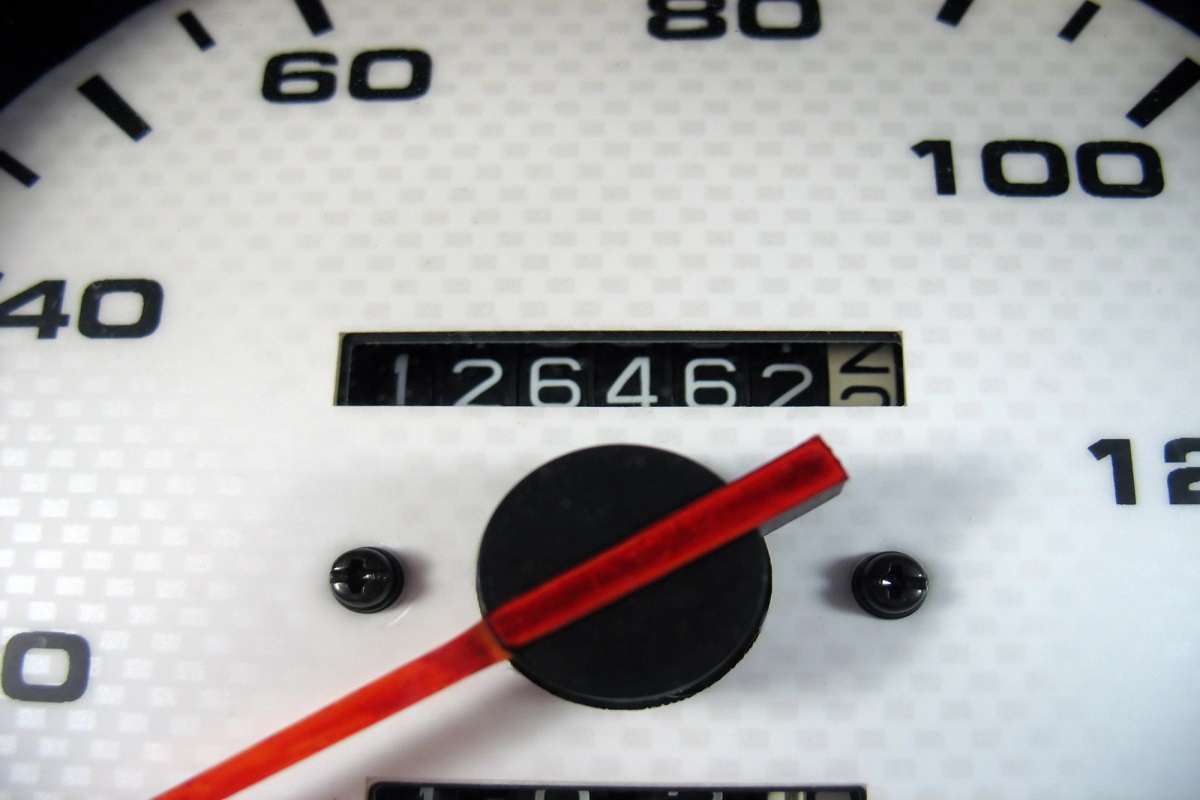
A car with mileage that seems too low for its age or shows inconsistencies on service records may have had its odometer rolled back, which is illegal. Compare the mileage with past maintenance records to ensure accuracy and detect possible fraud. A dishonest seller may be hiding years of wear and tear.
Mismatched Paint or Body Panels
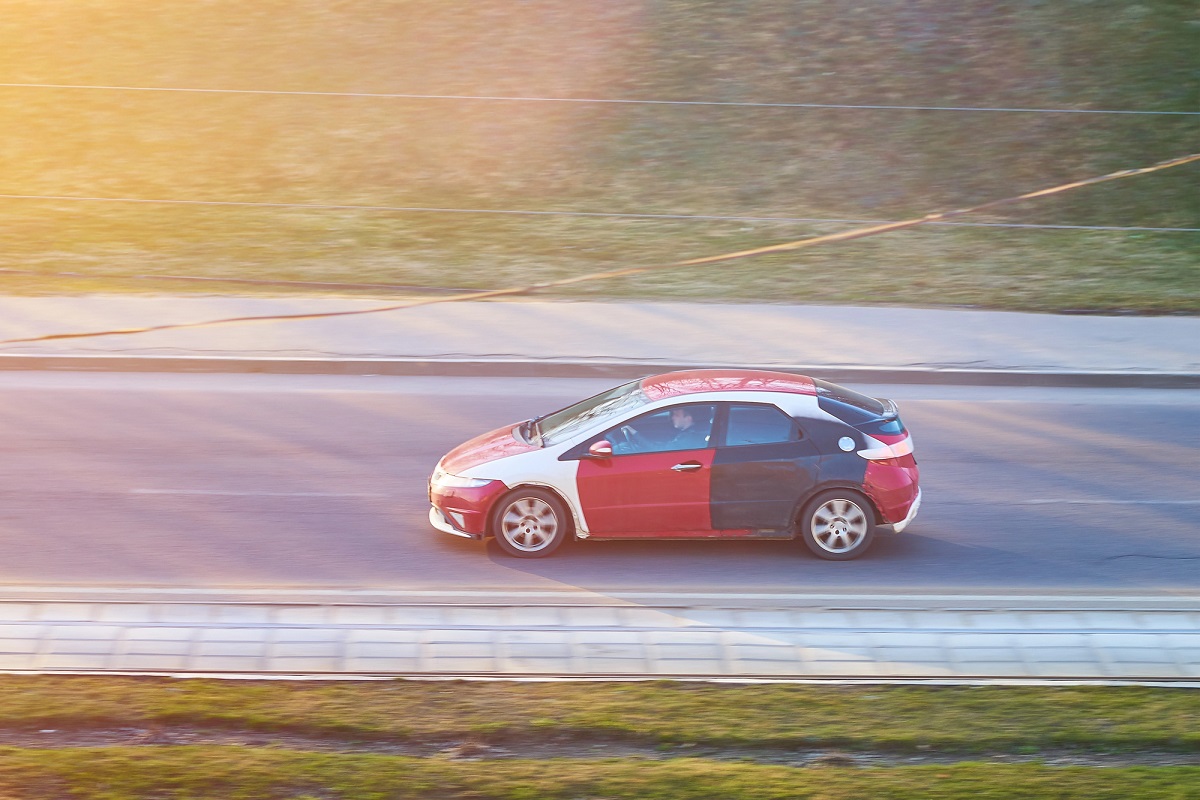
Different shades of paint or misaligned body panels can indicate past accidents or repairs, suggesting potential frame damage. Use a flashlight at an angle to check for uneven surfaces, hidden damage, or hasty repair work. Frame damage can seriously impact safety, alignment, and long term durability issues.
Rust or Corrosion

Excessive rust on the frame, undercarriage, or wheel wells can compromise the car’s structural integrity, leading to long term safety concerns. Check underneath the vehicle and inside door panels for signs of rust, flaking metal, or weak spots. Rust spreads quickly, weakening essential parts and reducing overall vehicle lifespan.
Unusual Engine Noises

Knocking, ticking, or excessive rattling under the hood can signal engine wear or internal damage, which may result in expensive repairs. Always listen closely to the engine at startup, while idling, and during acceleration for any concerning sounds. Ignoring noises can turn minor issues into catastrophic engine failures later.
Related Post: 12 Loudest Stock Car Horns You Can Buy
Smoke from the Exhaust
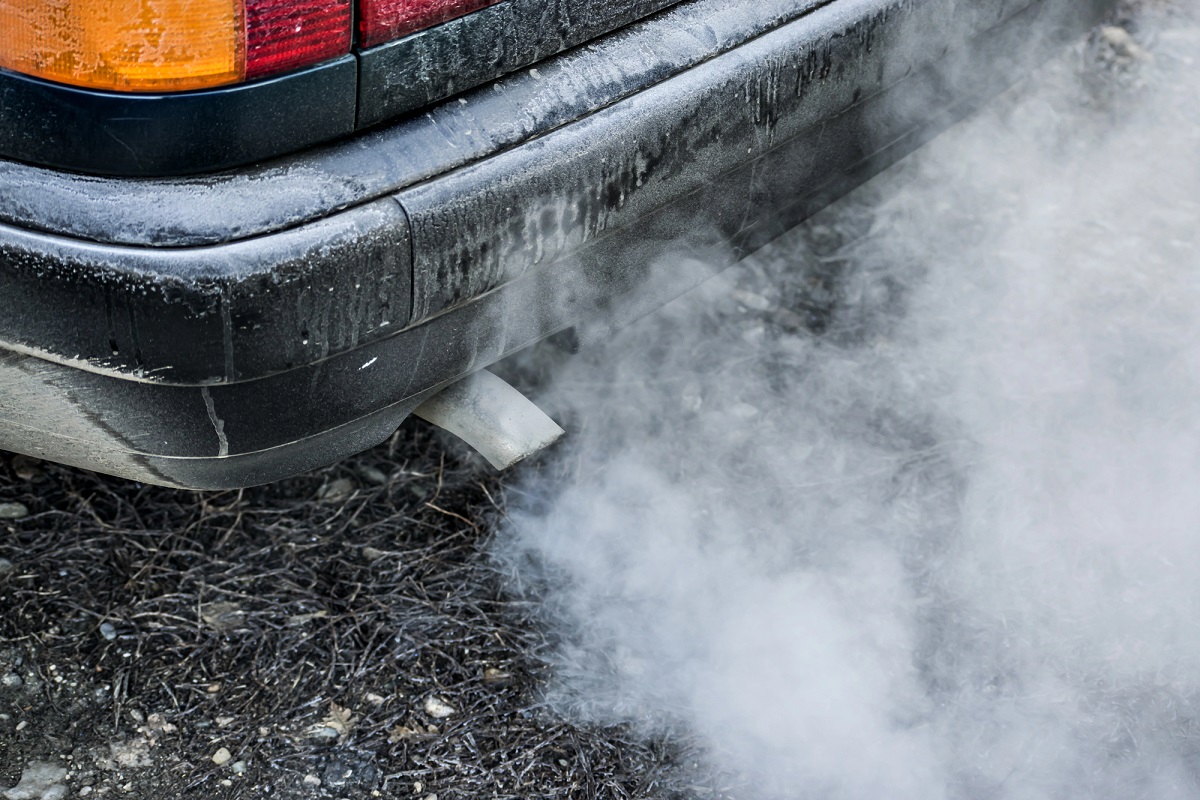
Blue smoke means burning oil, white smoke can indicate coolant leaks, and black smoke suggests fuel mixture issues, all requiring immediate attention. Any persistent smoke is a warning sign of potential engine trouble that could lead to costly repairs. Exhaust smoke type determines underlying problems, some requiring complete engine overhauls.
Related Post: 13 Celebrity Car Restorations: Bringing Classics Back to Life
Transmission Problems
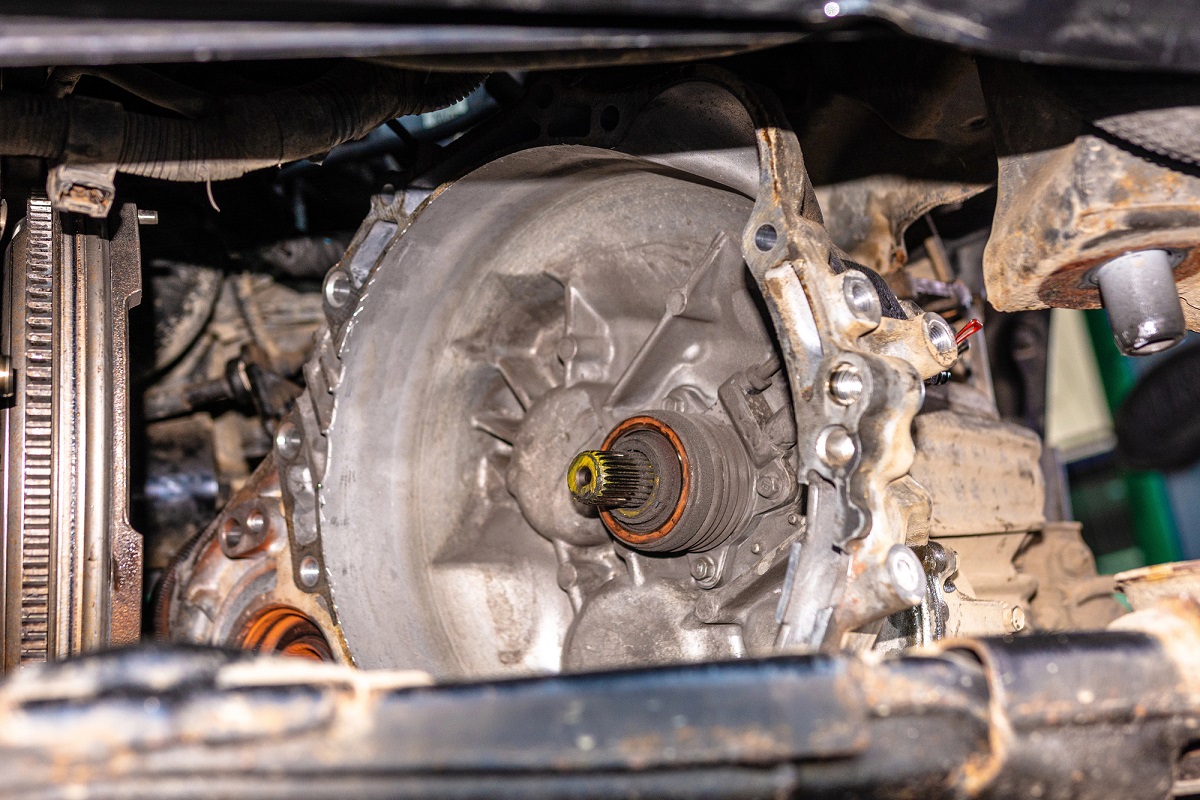
Slipping gears, delayed shifting, or rough transitions between gears could mean the transmission is failing, leading to significant mechanical issues. Take the car for a test drive and pay close attention to how smoothly it shifts in different conditions. Transmission repairs are notoriously expensive, often costing thousands in unexpected expenses.
Related Post: 15 Car Features That Are a Complete Waste of Money
Leaks Under the Car
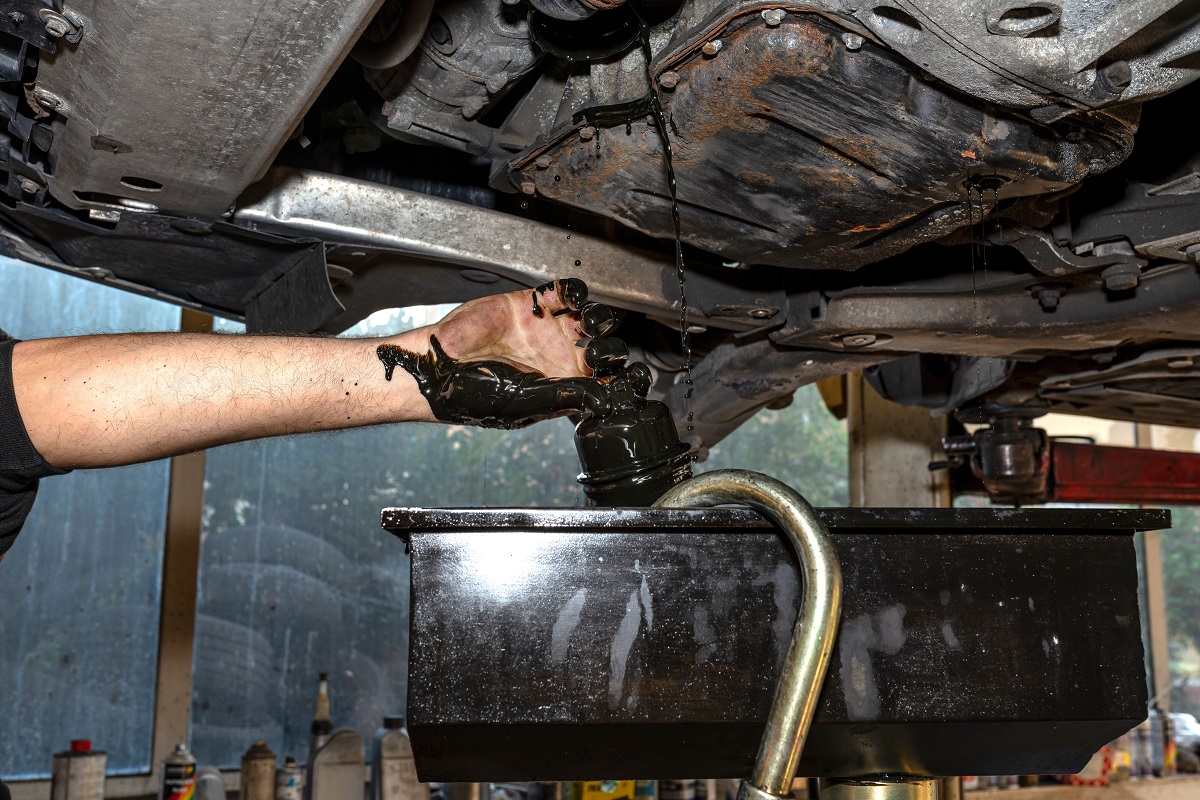
Oil, coolant, transmission fluid, or brake fluid leaks can lead to expensive repairs, mechanical failures, or unsafe driving conditions. Look under the car after it’s been parked for a while to spot any fresh drips or puddles. Any leaks indicate neglect, poor maintenance, and potential system failures in future.
Related Post: 12 Cheapest Electric Cars That Still Have Great Range
Check Engine Light Stays On
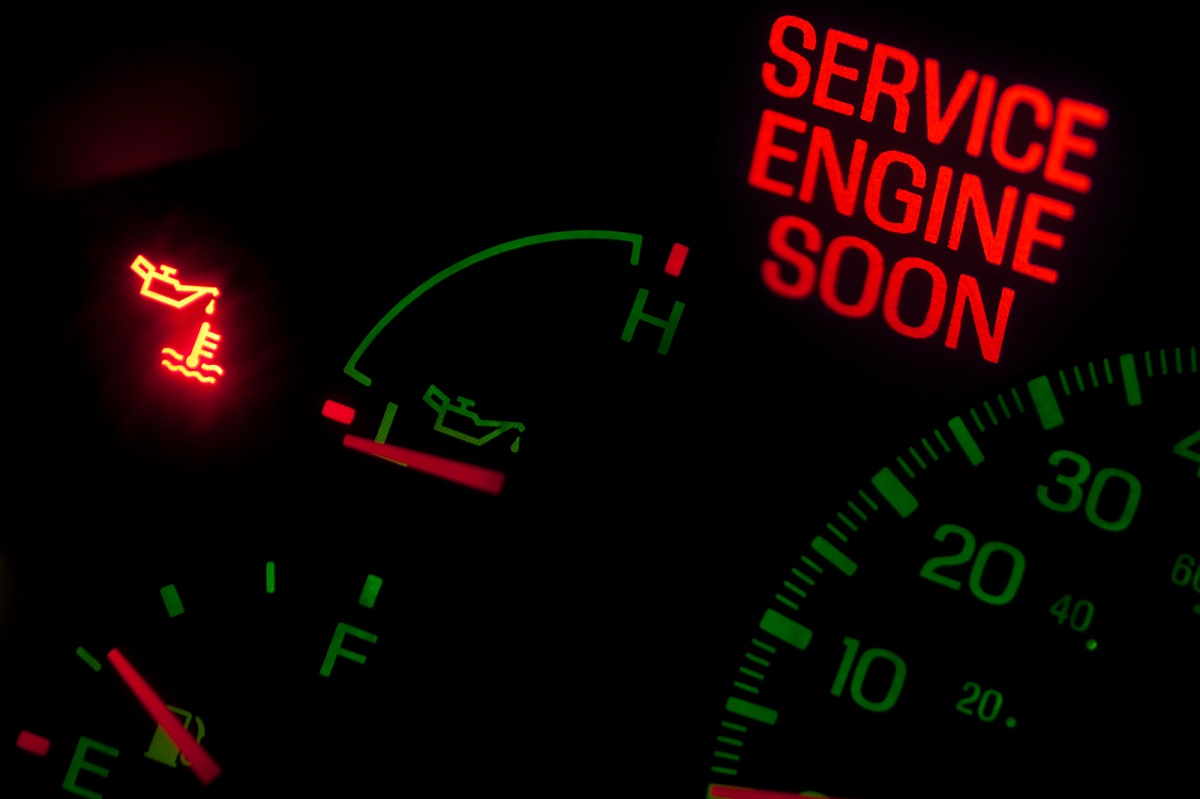
A constantly illuminated check engine light could mean anything from a loose gas cap to a failing catalytic converter. Have the car scanned with an OBD II reader to pinpoint the exact issue before making a decision. Ignoring this light can lead to bigger, more expensive problems later.
Related Post: The Future of Electric Pickup Trucks: What’s Coming Next
Strong Odors Inside the Car

A moldy, musty, or burning smell inside the car may indicate water leaks, electrical issues, or previous flood damage. Check under the carpets and in the trunk for damp spots, rust, or mildew buildup. Lingering odors suggest hidden problems that could become major repair headaches.
Related Post: Luxury Electric Sedans: Which One Reigns Supreme?
Overheating Issues

If the temperature gauge rises quickly or steam comes from the hood, the car may have cooling system problems. Look for low coolant levels, radiator leaks, or signs of previous overheating damage. An overheating engine can cause severe internal damage, requiring a costly rebuild.
Related Post: 15 Cruise Control Mistakes That Put You at Risk on the Highway
Electrical Malfunctions
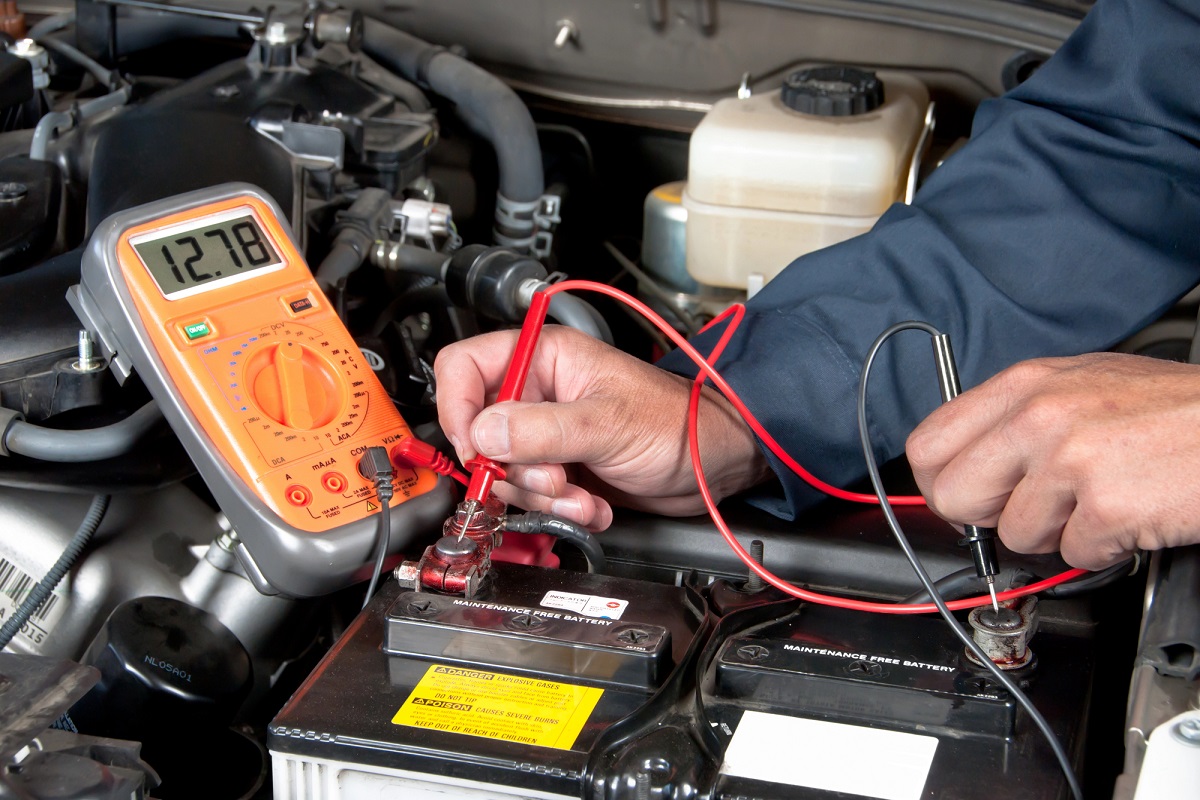
Faulty power windows, malfunctioning dashboard lights, or non working radio displays may indicate deeper electrical issues. Check that all electronic features function properly before finalizing the purchase. Electrical failures can be expensive to diagnose and repair, sometimes requiring extensive rewiring.
Related Post: 13 Hidden Dangers on the Road That Most Drivers Ignore
Buying a used car can be a great way to save money, but only if you avoid hidden pitfalls. By watching for these red flags, you can steer clear of costly repairs and frustrating surprises down the road. A little extra research and attention to detail can make all the difference in finding a reliable, long-lasting vehicle. Take your time, trust your instincts, and don’t be afraid to walk away if something feels off!
Disclaimer: This list is solely the author’s opinion based on research and publicly available information.
12 Best Used Cars for Teen Drivers on a Budget

Buying a used car for a teen driver requires balancing affordability, safety, and reliability. The best choices have strong safety ratings, good fuel economy, and low maintenance costs. From compact sedans to practical hatchbacks, these budget-friendly options offer dependable transportation without overspending. Here are 12 great used cars for teen drivers.
Read it here: 12 Best Used Cars for Teen Drivers on a Budget
New or Used? 15 Crucial Car Buying FAQs Uncovered!

Buying a car is a big decision, whether you’re considering a brand new model or a reliable used vehicle. With so many options, financing choices, and hidden costs, it’s important to make an informed choice. This guide answers 15 common car-buying questions to help you find the best deal for your needs and budget.
Read it here: New or Used? 15 Crucial Car Buying FAQs Uncovered!
14 Cars That Make More Sense to Buy Pre-Owned

Most new cars lose a significant chunk of their value the moment they leave the dealership, making pre-owned options a smarter financial choice. Some models, however, stand out because they offer exceptional reliability, lower depreciation, and nearly the same features as their brand new counterparts at a fraction of the price. Whether it’s a luxury sedan, a rugged SUV, or a performance car, buying used can get you more bang for your buck. Here are 14 cars that make the most sense to buy pre-owned.
Read it here: 14 Cars That Make More Sense to Buy Pre-Owned
You’ll love these related posts: