Electric cars have sparked a revolution, but with that shift comes a flood of myths and misinformation that just won’t go away. From claims about their range to questions about environmental impact, many people still cling to outdated or exaggerated ideas. These myths are often spread by skeptics, misinformed drivers, or industries slow to adapt, clouding the truth about what EVs offer. Here are 12 of the biggest lies people still believe about EVs debunked once and for all.
Electric Cars Are Too Expensive
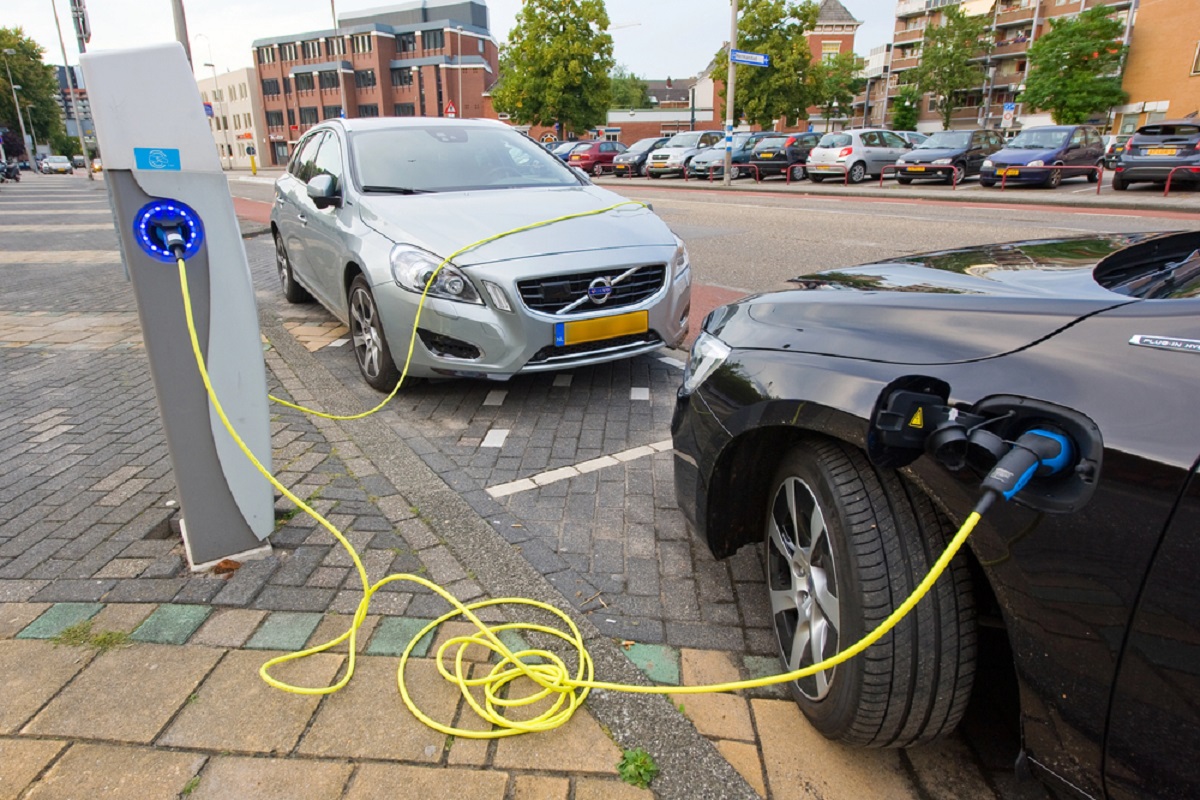
Many people still believe EVs are only for the wealthy, but that’s no longer the case. While luxury electric models exist, the market now offers a range of affordable options from brands like Chevrolet, Hyundai, and Nissan. With government tax credits, utility rebates, and long-term savings on gas and maintenance, EVs are becoming a financially smart choice for the average driver.
Batteries Don’t Last Long
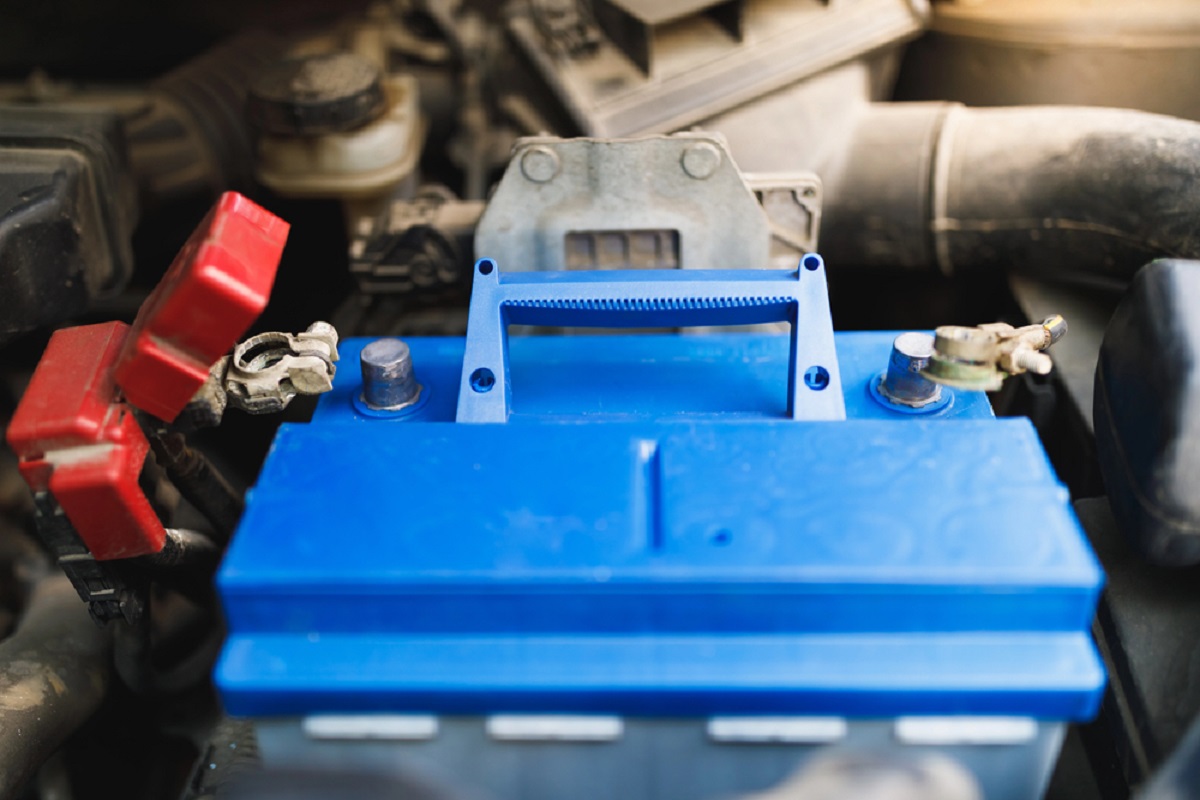
The fear that EV batteries will degrade quickly and become useless is based on early technology that has since evolved. Today’s batteries are engineered for longevity, often lasting over a decade with proper care and use. Most manufacturers offer battery warranties of 8 years or 100,000 miles, and real-world usage has shown minimal loss in capacity over time.
There Aren’t Enough Charging Stations
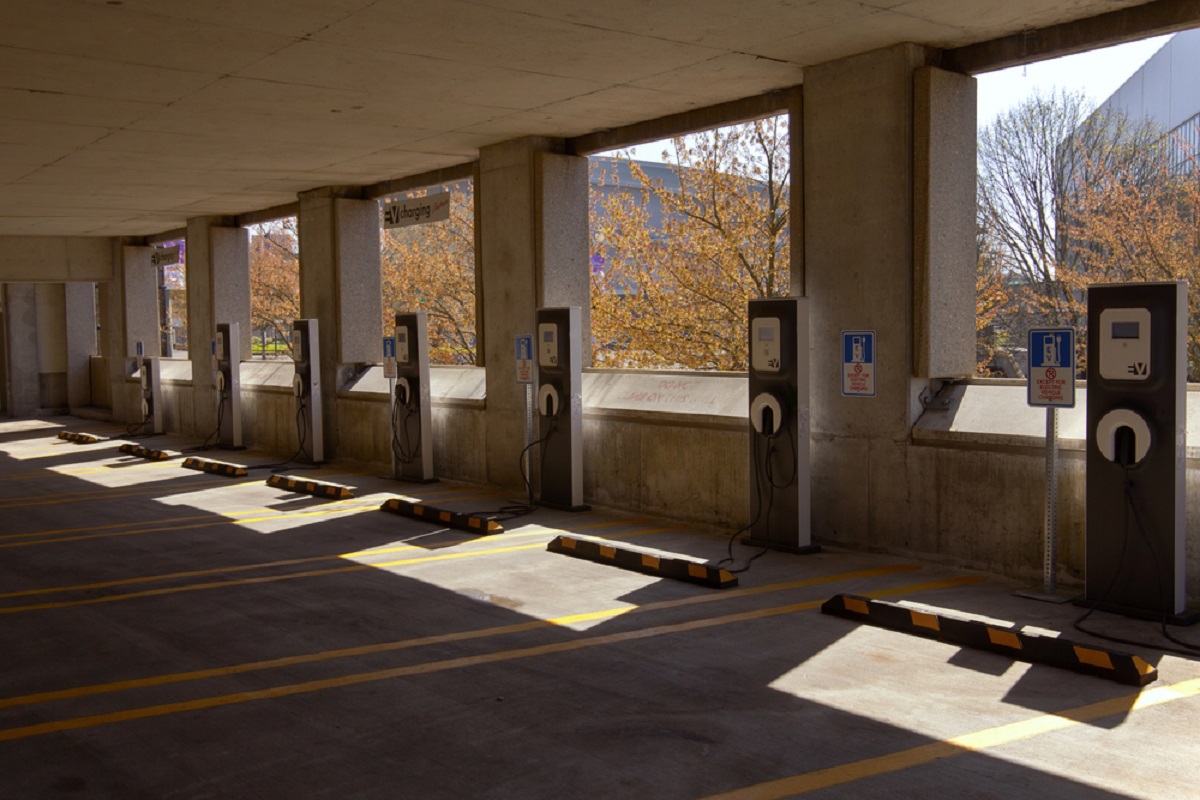
One of the biggest concerns about EVs is finding a place to charge, but infrastructure is improving rapidly. Thousands of public chargers are being added every month, with fast-charging stations popping up along highways, shopping centers, and workplaces. In addition, the majority of charging still happens at home, which eliminates the need for daily public charging for most drivers.
You Can’t Drive EVs in Cold Weather
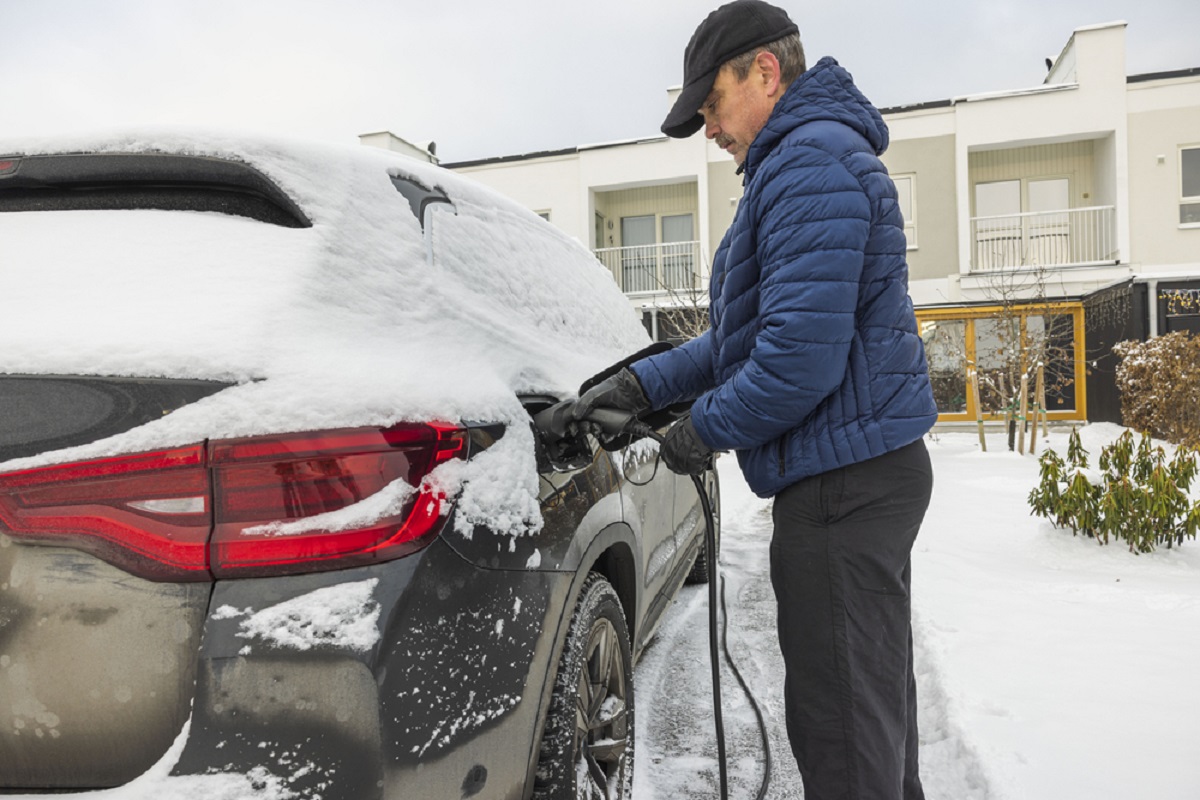
Cold weather can affect range, but it doesn’t make electric cars undrivable or unreliable. Modern EVs come with heated batteries, remote start apps, and thermal management systems to mitigate the effects of freezing temperatures. Many drivers in snowy regions successfully use EVs year-round by preconditioning the cabin and keeping their cars plugged in when parked.
Related: 11 Hidden Ways Car Air Purifiers Protect Your Health And Boost Comfort
Electric Cars Are Slower than Gas Cars
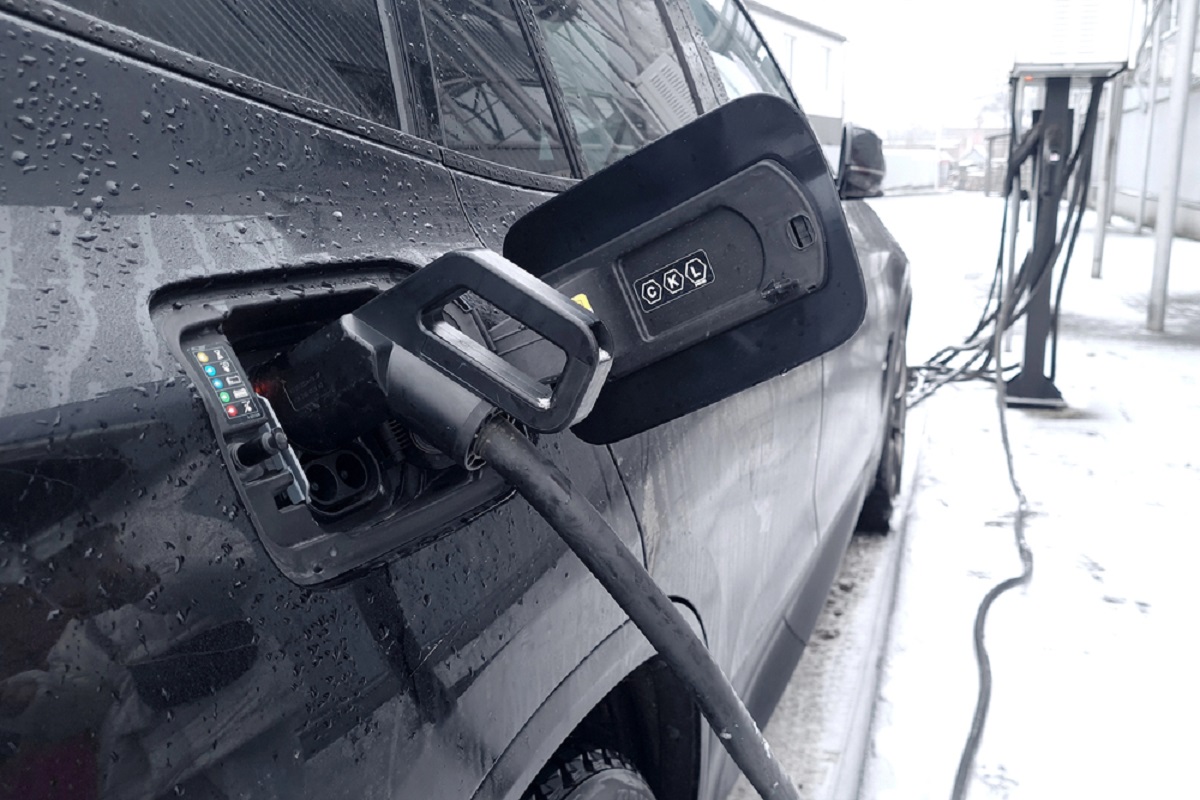
It’s a common myth that EVs lack performance, but the opposite is often true thanks to their instant torque and direct acceleration. Even base-level electric cars can go from 0 to 60 mph faster than many traditional sedans. High-performance EVs from Tesla, Lucid, and Porsche rival or exceed the speed and agility of the best combustion-engine sports cars.
Related: 12 Car Market Shifts That Could Cost You Big This Spring
EVs Are Unsafe in Crashes
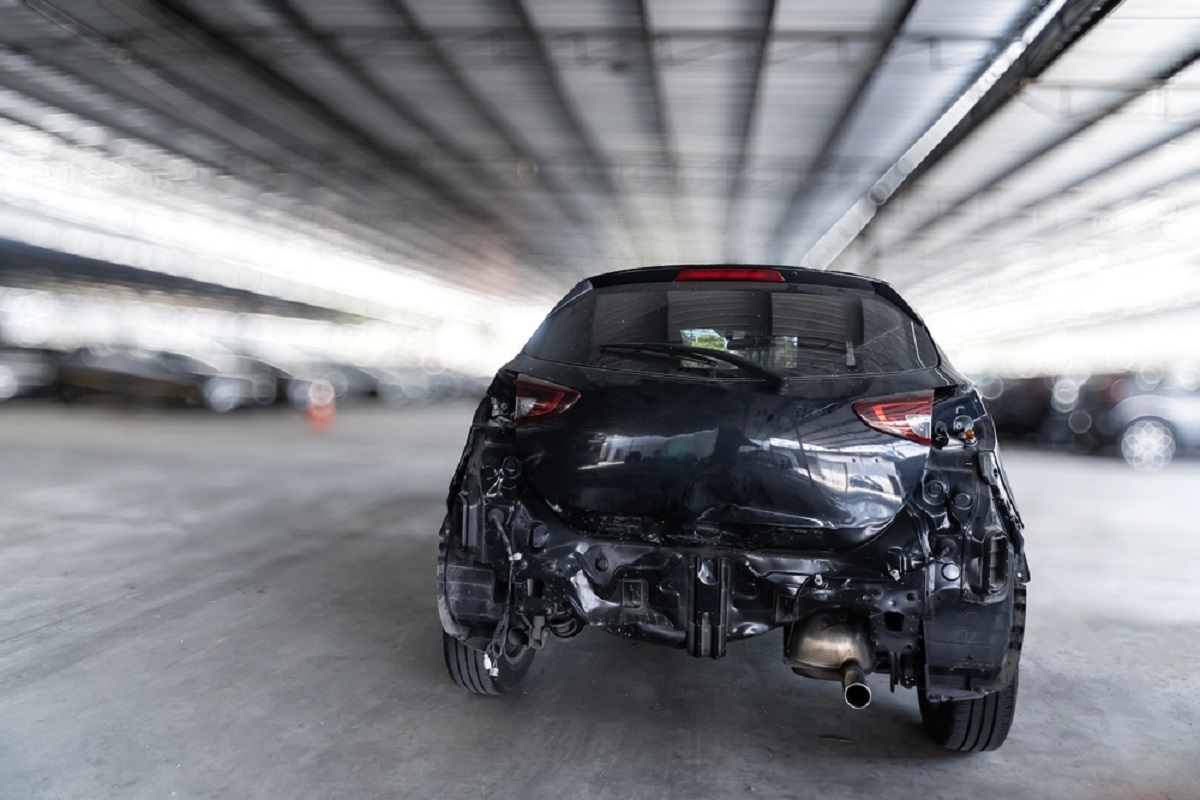
The myth that electric vehicles are more dangerous in collisions is largely unfounded and contradicted by safety data. Many EVs achieve top ratings in crash tests due to their strong structure and low center of gravity. Battery packs are well protected, and in some cases, the absence of an engine bay improves crumple zones and front-end impact absorption.
Related: 10 Hyundai Cars That Vanished And Left Everyone Stunned
There’s No Market for Used EVs
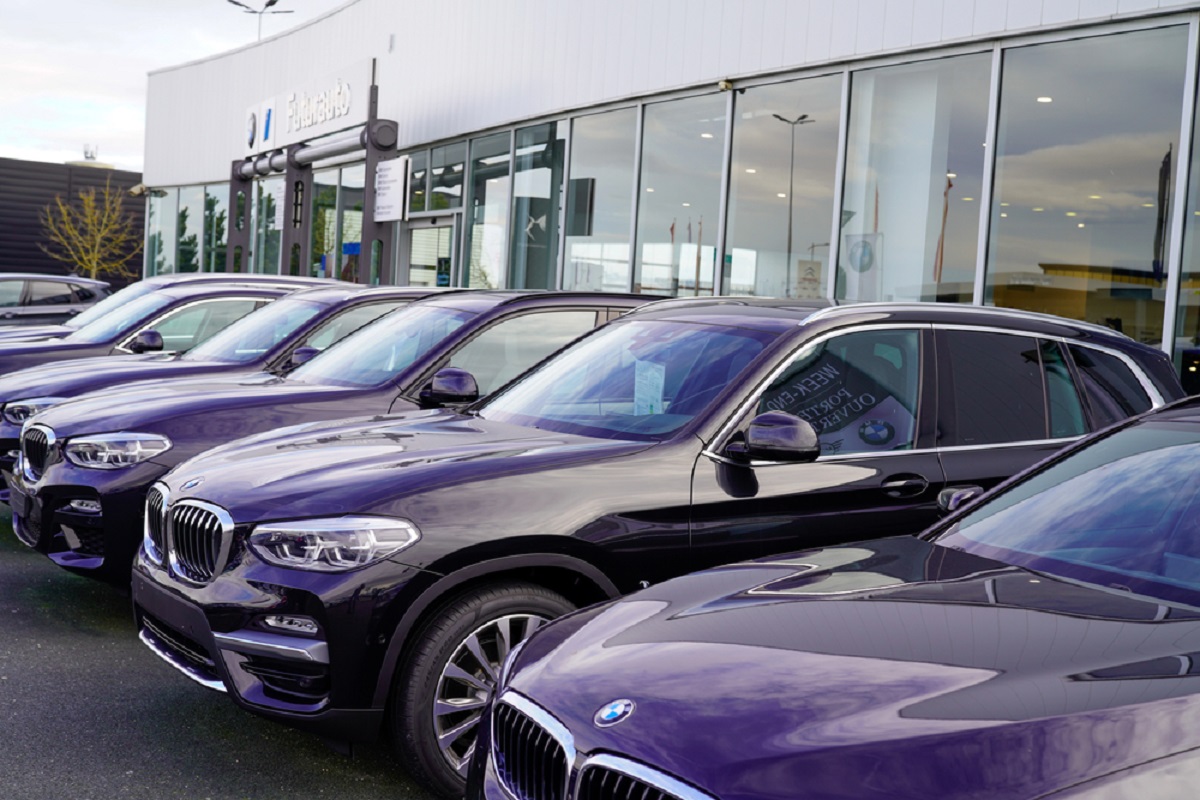
Contrary to popular belief, the used EV market is growing quickly and proving to be a great option for budget-conscious buyers. More early adopters are trading in their older EVs for newer models, creating a robust supply of reliable used electric cars. Certified pre-owned programs and battery health reports also make it easier for buyers to feel confident in their purchases.
Related: 15 Deadly Engine Cleaning Errors You Can’t Afford To Make
Electricity is Just as Dirty as Gasoline

Some argue that EVs are no better for the environment because they rely on fossil-fueled electricity, but this oversimplifies the facts. Even on a coal-heavy grid, EVs emit less carbon over their lifetime than internal combustion vehicles. As renewable energy continues to replace fossil fuels, EVs become even cleaner with time, something gasoline cars can never achieve.
Related: 13 Car Colors That Will Boost Or Ruin Your Resale Value
EV Batteries Can’t Be Recycled
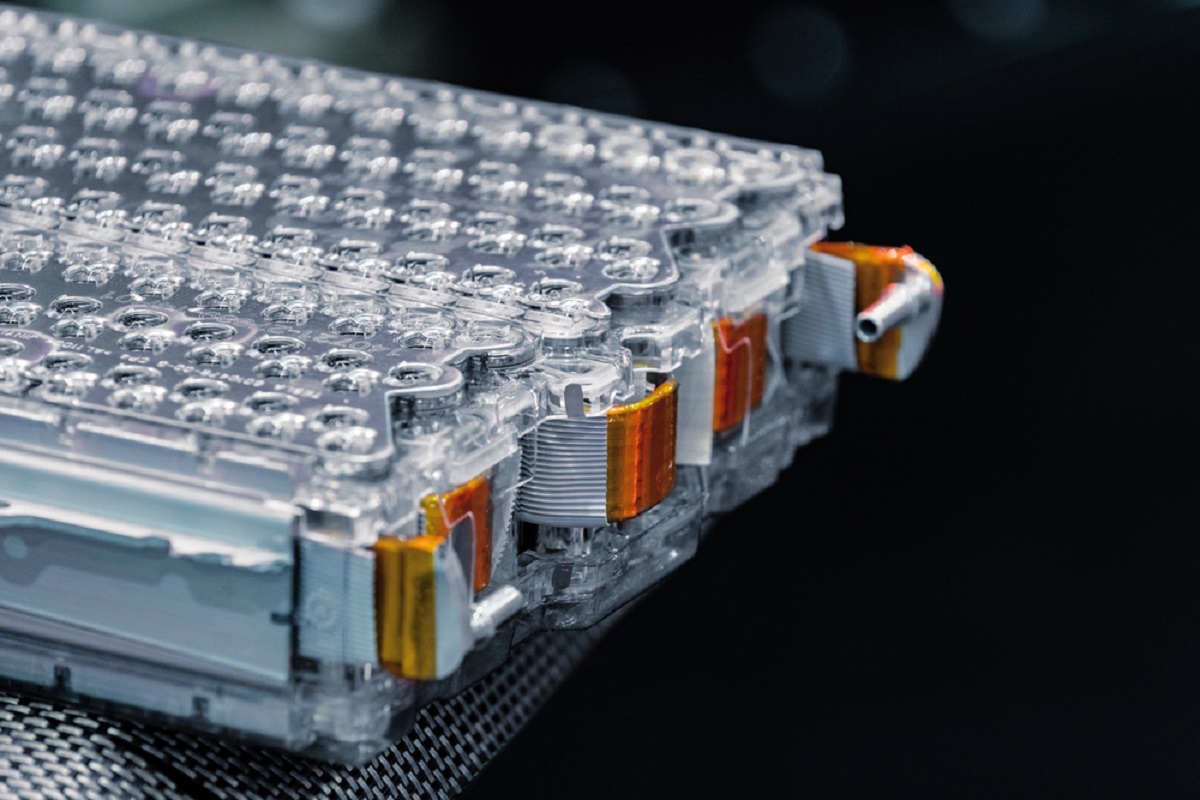
This persistent myth ignores the growing industry around battery recycling and second-life usage. Companies like Redwood Materials and Li-Cycle are innovating ways to extract valuable metals like lithium, nickel, and cobalt for reuse in new batteries. Some EV batteries also find a second life in stationary energy storage systems after they’re no longer optimal for vehicles.
Related: 14 Audio Features That Will Transform Your Car Into A Mobile Concert Venue
Electric Cars Don’t Feel “Normal” to Drive
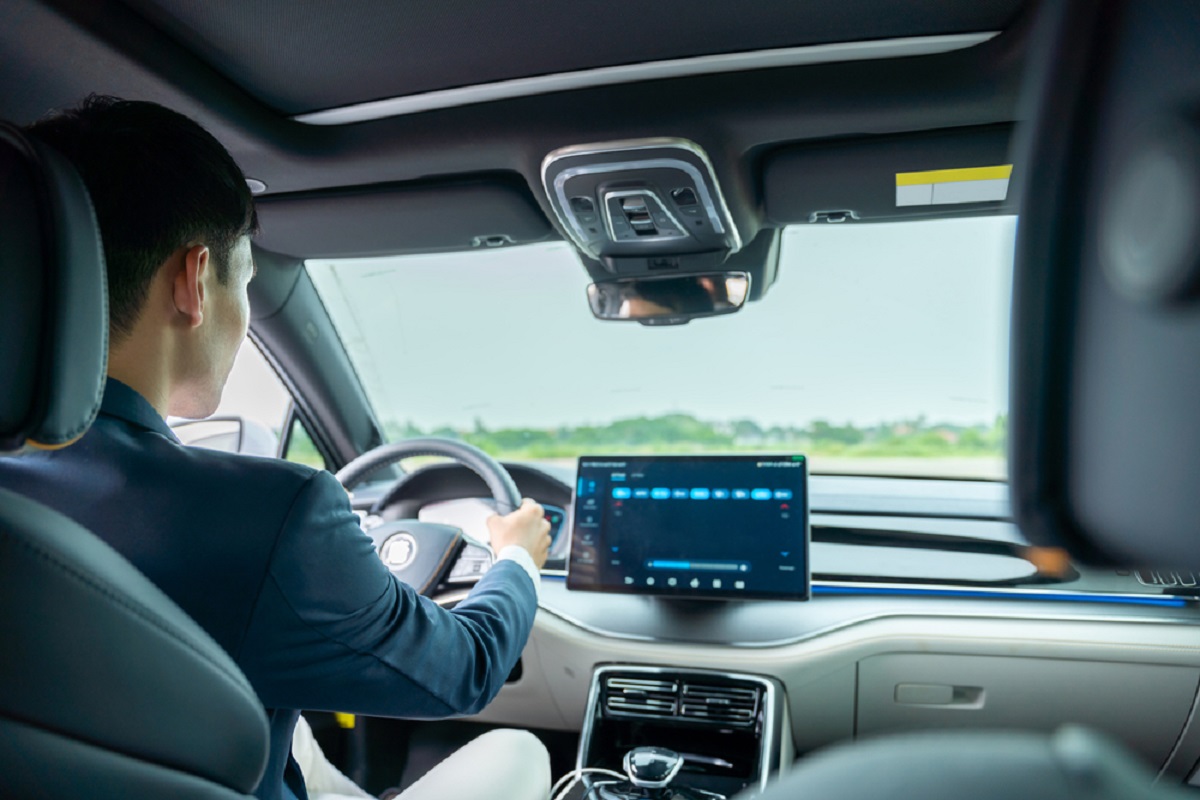
The idea that EVs feel unnatural to drive stems from their quiet motors and regenerative braking, but these features quickly become intuitive. Most drivers report that the smooth, responsive acceleration and minimal noise enhance the driving experience. Once adjusted, many find going back to a gas car feels less refined.
Related: 14 Unexpected Ways Your Car Is Impacting Your Day Without You Realizing
You Can’t Take Road Trips in an EV
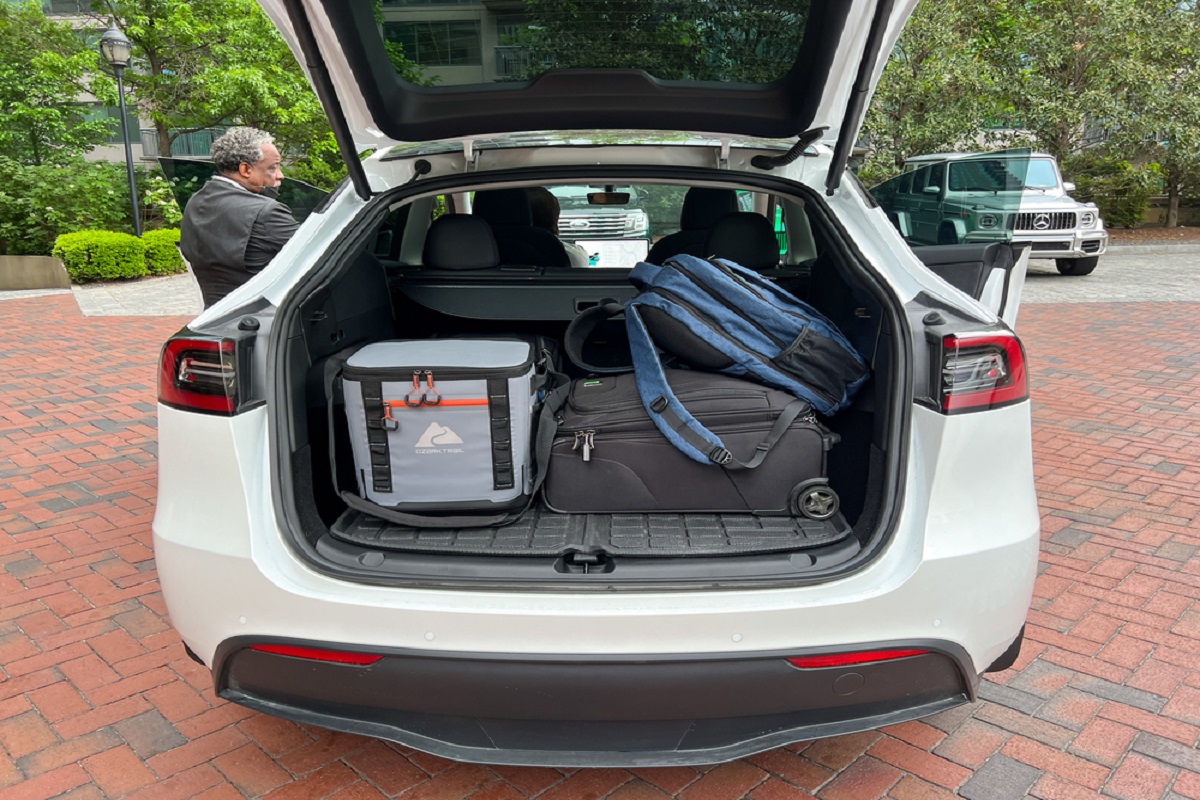
It’s true that road tripping in an EV requires a bit more planning, but it’s far from impossible. Charging networks like Tesla Superchargers, Electrify America, and others now offer coast-to-coast coverage. Navigation apps help plan stops, estimate charging times, and minimize delays, allowing for comfortable long-distance travel with minimal hassle.
Related: 12 Genius Ways Public Transit Could End Your Daily Gridlock
EVs Don’t Save That Much Money
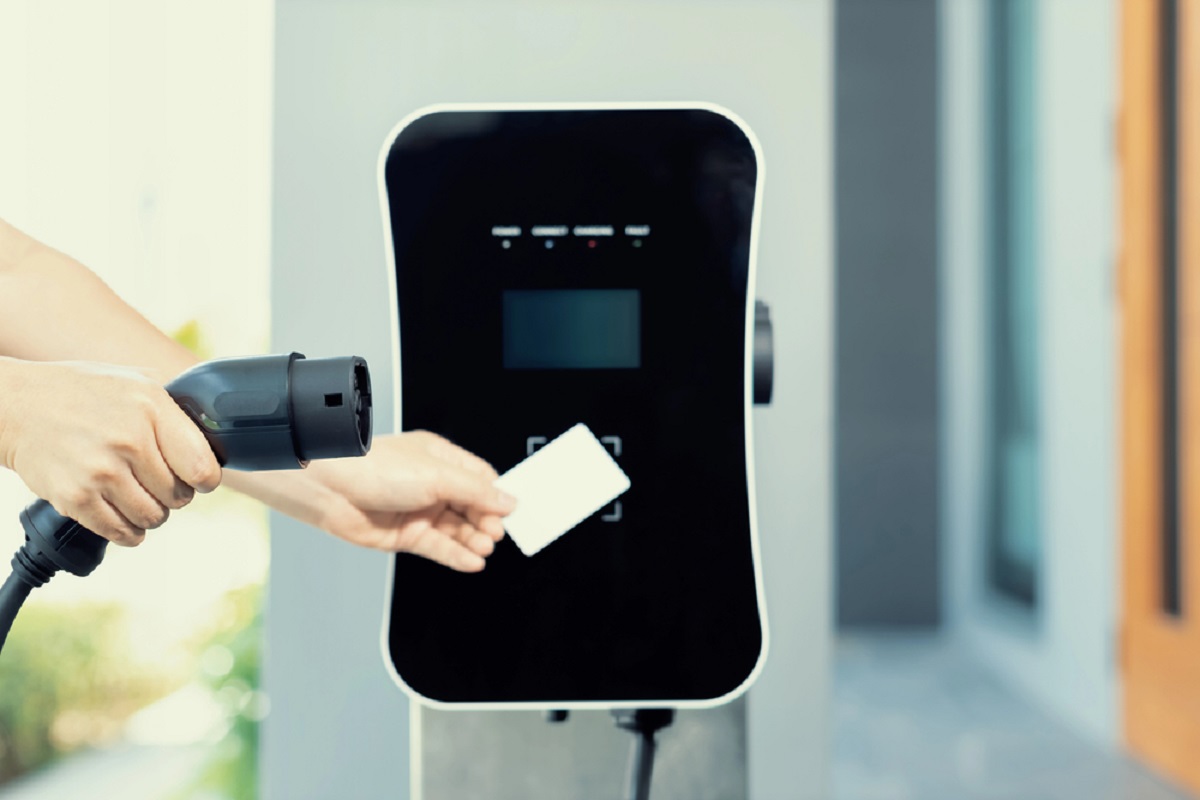
This myth fails to account for the full cost of ownership, where EVs often win by a wide margin. Electricity is cheaper than gasoline in nearly every region, and EVs require less maintenance due to fewer moving parts, no oil changes, and regenerative braking. Over several years, these savings add up and often outweigh the higher upfront cost.
Related: 12 Genius Car Mods That Add Style And Value Without Breaking The Bank
Electric vehicles are often misunderstood because of outdated myths and the fear of change, but the truth is far more exciting. As battery tech, charging infrastructure, and vehicle design improve, these lies are being exposed one by one. What once seemed like major drawbacks are now quickly becoming outdated concerns. EVs offer a cleaner, smarter, and more efficient way to drive. And as the world shifts toward sustainability, the truth about electric cars is finally starting to shine through.
Disclaimer: This list is solely the author’s opinion based on research and publicly available information.
11 Electric Car Myths That Could Leave You Regretting Your Choice
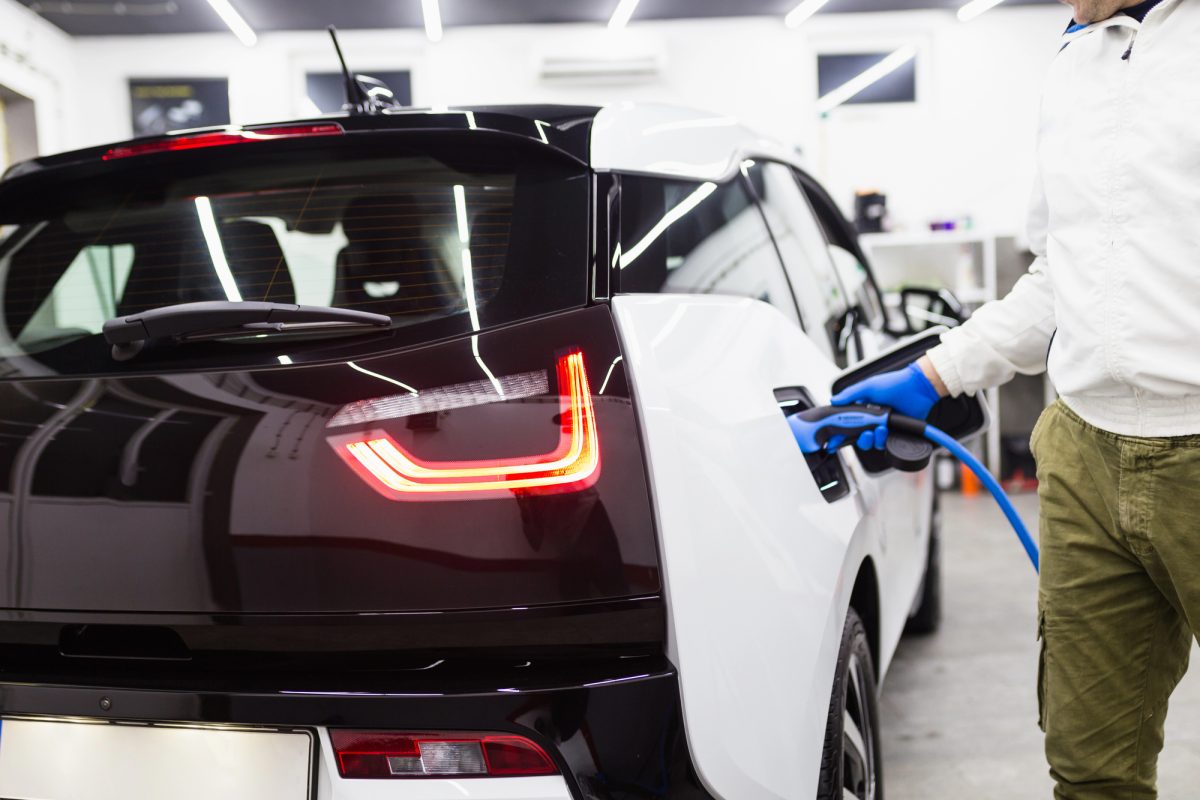
Electric vehicles (EVs) are growing in popularity, with promises of sustainability, cost savings, and high-tech features leading the way. However, a significant number of myths and misconceptions still surround EVs, often creating confusion for potential buyers. These misunderstandings can influence decisions, leaving many unaware of what ownership truly entails. As EV technology continues to evolve, separating fact from fiction becomes more critical than ever.
Read it here: 11 Electric Car Myths That Could Leave You Regretting Your Choice
13 Electric Cars That Are So Fast They Put Supercars To Shame
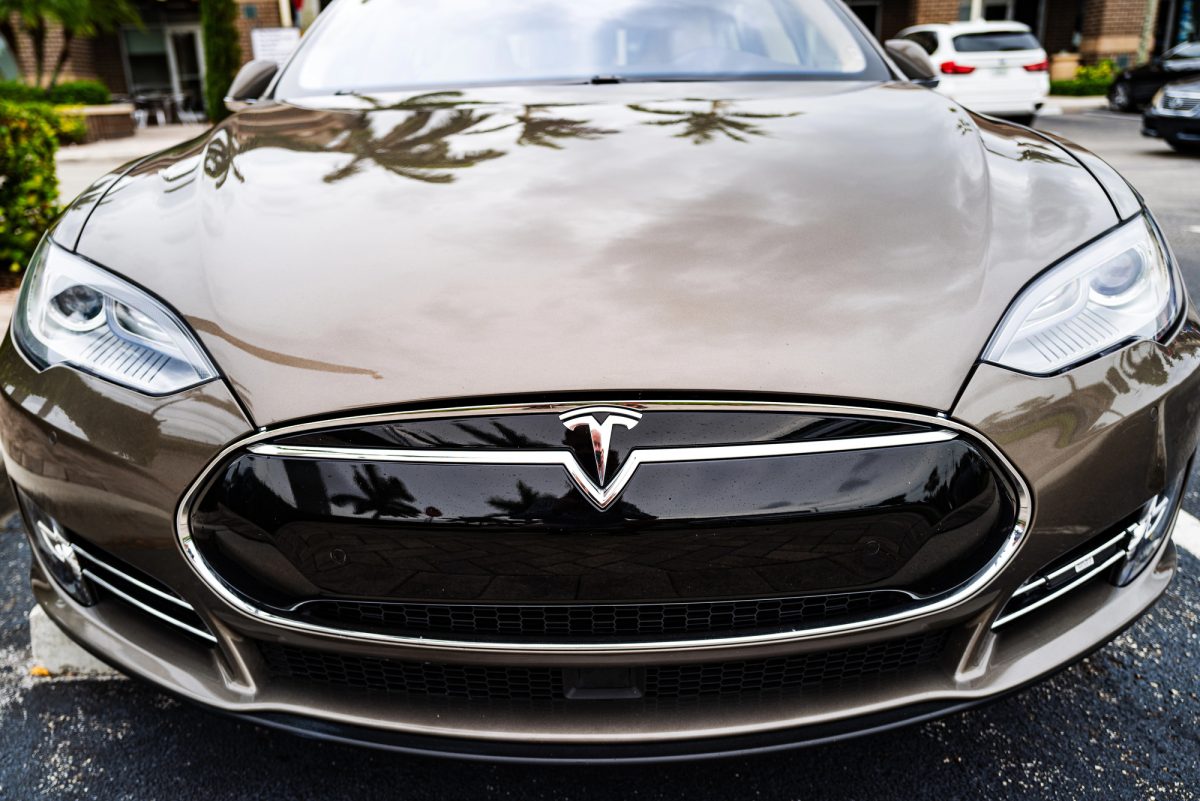
Electric cars have shattered the misconception that they are merely eco-friendly alternatives to traditional vehicles. With cutting-edge technology, instant torque, and mind-blowing acceleration, some EVs outperform even the most revered supercars. These electrified beasts have rewritten the rules of performance, proving that sustainability and speed can go hand in hand. Here are 13 electric cars that redefine what it means to go fast.
Read it here: 13 Electric Cars That Are So Fast They Put Supercars To Shame
14 New Electric Cars You Need To Know About In 2025
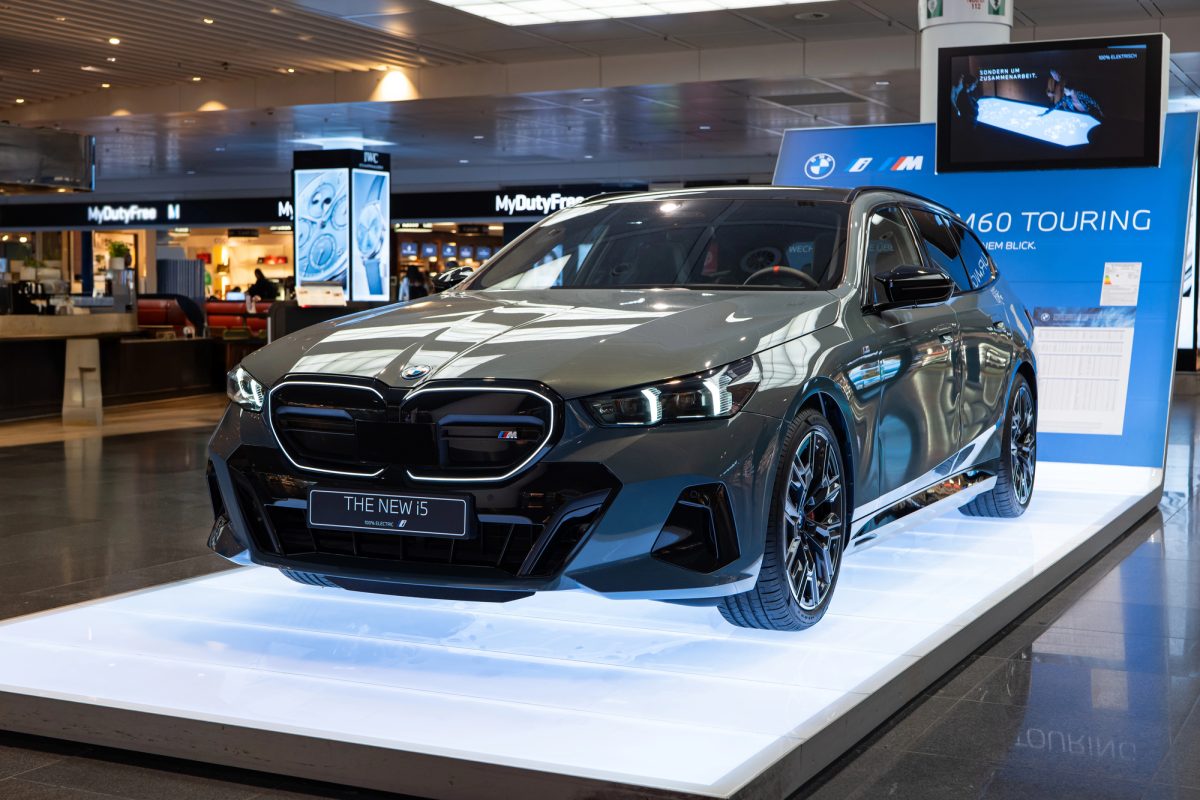
The electric vehicle (EV) revolution is in full swing, with automakers pushing boundaries in range, performance, and technology. As battery advancements improve and charging infrastructure expands, 2025 promises an exciting lineup of new EVs. From high-performance supercars to practical daily drivers, these models showcase the future of electric mobility. Here are 14 new electric cars you need to know about in 2025.
Read it here: 14 New Electric Cars You Need To Know About In 2025
You’ll love these related posts:
- 10 Common Car Mistakes That Could Lead To A Towing Disaster
- 10 Alarming Consequences Of Improper Car Disposal For Our Planet
- 10 Red Flags Your Car Is Overloaded And How To Solve It Fast
- 10 Car Models That Trigger Deep Nostalgia And What It Means
- These 10 Dodge Charger Upgrades Are Flipping The Muscle Car Rulebook