Mazda isn’t just another car company, it’s a brand filled with bold engineering choices, underdog victories, and designs that broke the mold. While many automakers play it safe, Mazda has consistently gone against the grain, often to incredible effect. From rotary engines to Le Mans glory, this company’s history is full of surprises even car buffs might not know. Whether you’re a longtime fan or just discovering the brand, these facts reveal why Mazda truly marches to the beat of its drum.
Mazda Was Originally a Cork Manufacturer

Before it became a carmaker, Mazda started in 1920 as Toyo Cork Kogyo, producing cork products in Hiroshima. The company later shifted to machine tools, then to vehicles, but its early humble roots still surprise many. This quirky origin shows just how far Mazda has come over the decades. From cork to cars, it’s been a wild transformation.
They’re the Only Japanese Automaker to Win Le Mans
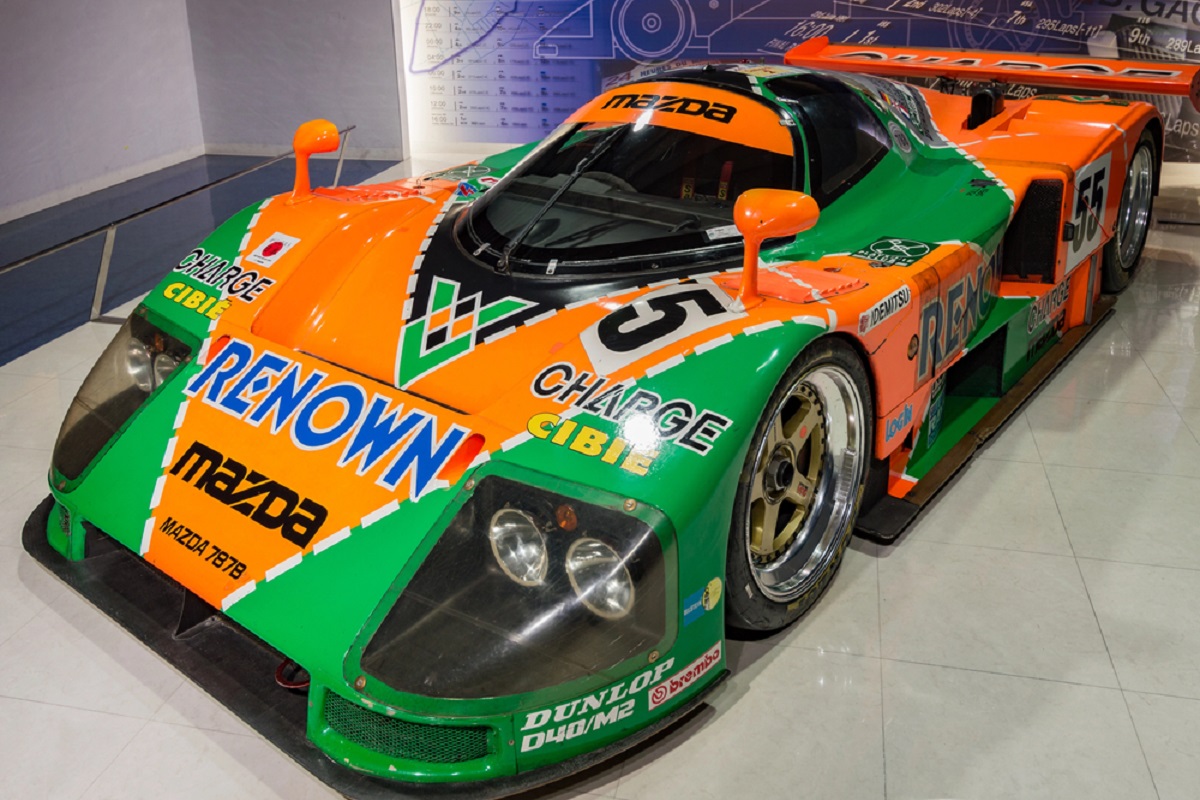
In 1991, Mazda shocked the racing world by winning the 24 Hours of Le Mans with the rotary-powered 787B. It was the first and still only, victory for a Japanese automaker at the legendary endurance race. The win cemented Mazda’s engineering prowess and love for unique powertrains. It remains a defining moment in the brand’s motorsports history.
The Wankel Rotary Engine Was Their Signature Move
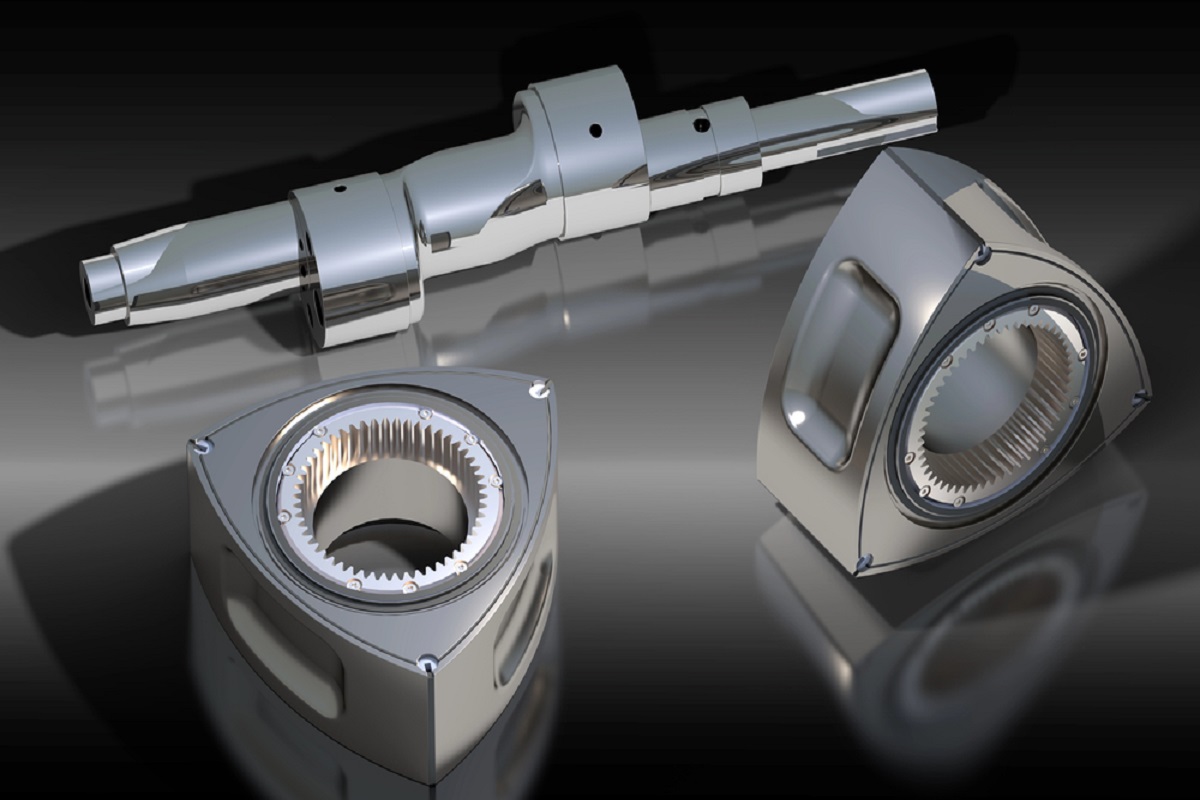
While most manufacturers ditched rotary engines, Mazda embraced the Wankel design and made it iconic with models like the RX-7. It offered high-revving fun in a lightweight, compact package. Though challenging to maintain, the engine gave Mazda a reputation for daring engineering. Even today, fans continue to celebrate its distinctive sound and spirit.
They Built a V12… But Never Used It
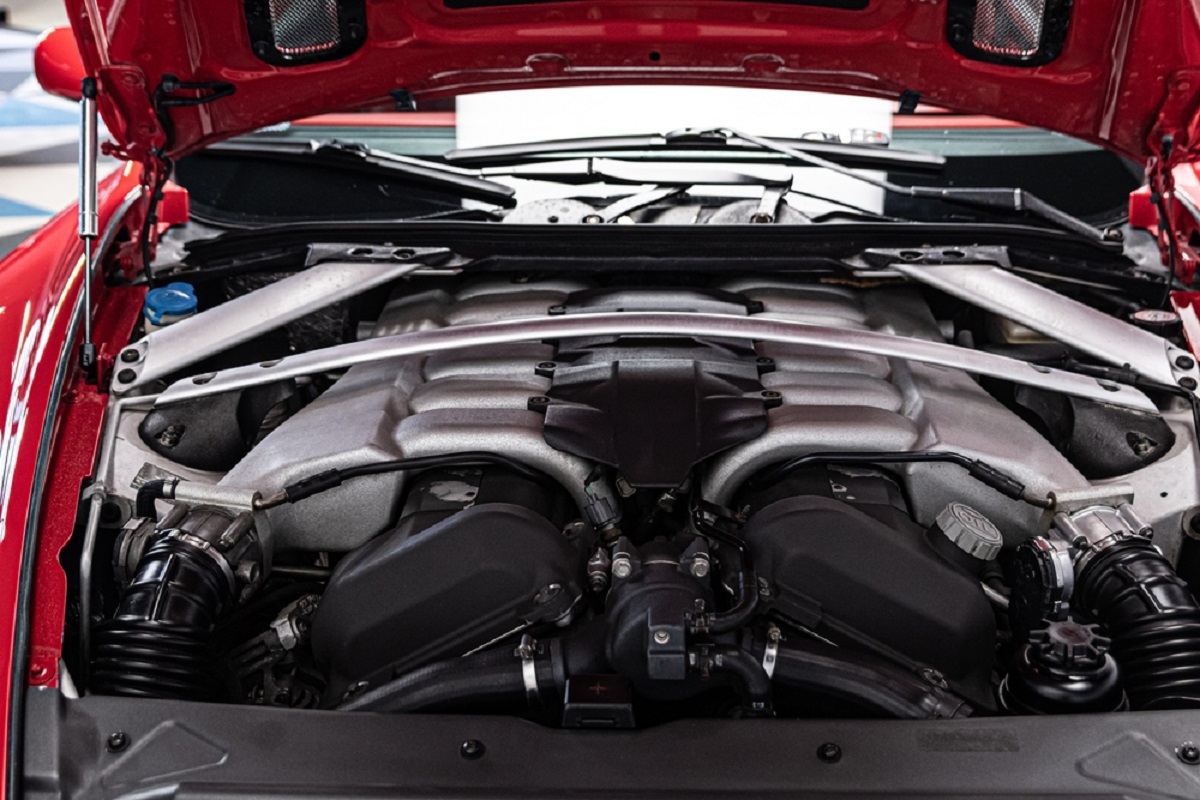
In the early ’90s, Mazda developed a 6.0-liter V12 engine for a luxury sedan project called the Amati 1000. The brand hoped to rival Lexus and Mercedes, but the project was scrapped before it could launch. Though the V12 never saw the light of day, its existence shows Mazda once dreamed much bigger. It remains a fascinating “what-if” in their engineering history.
Related: 11 Small Luxury Cars That Offer Premium Performance
The Miata is the Best-Selling Roadster of All Time
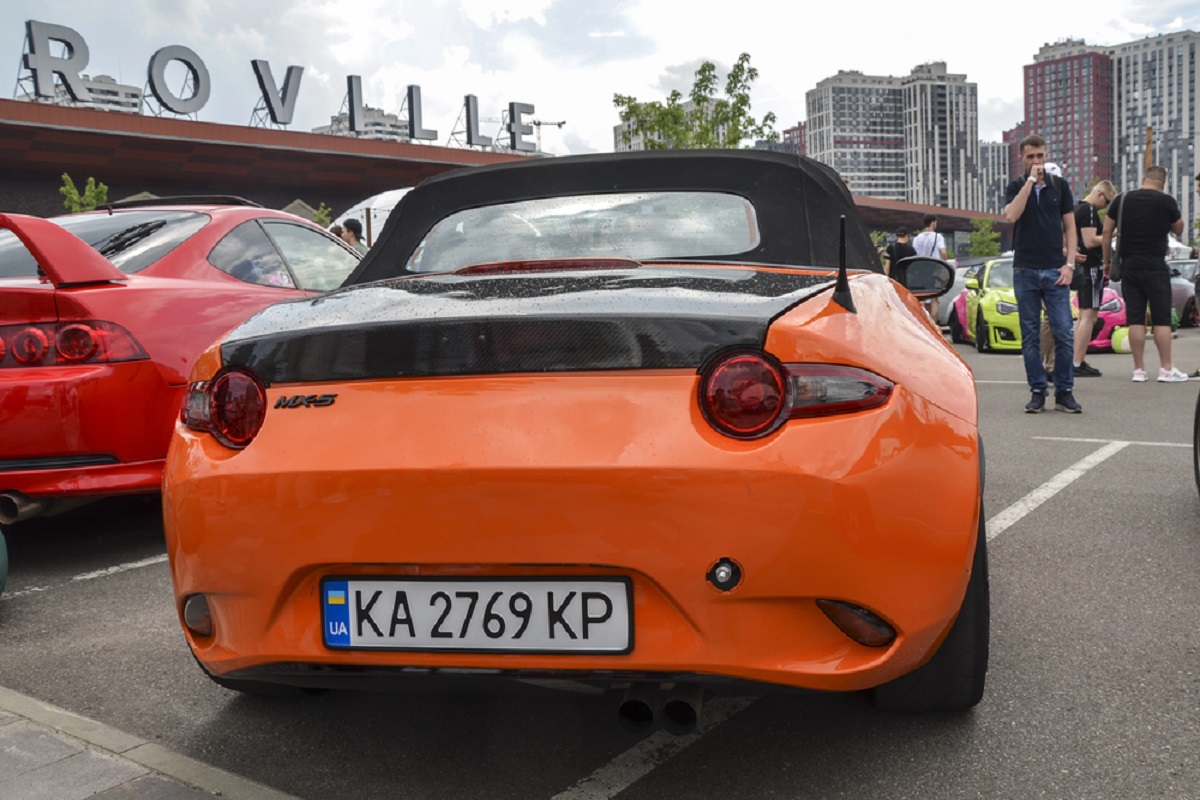
Launched in 1989, the Mazda MX-5 Miata revived the joy of simple, rear-wheel-drive convertibles. It struck the perfect balance of fun, affordability, and reliability. With over a million units sold globally, it holds the Guinness World Record for best-selling two-seater sports car. It’s the car that proves driving pleasure doesn’t need a big price tag.
Related: 13 Eastern European Cars That Spark Nostalgia
Mazda Nearly Merged with Ford
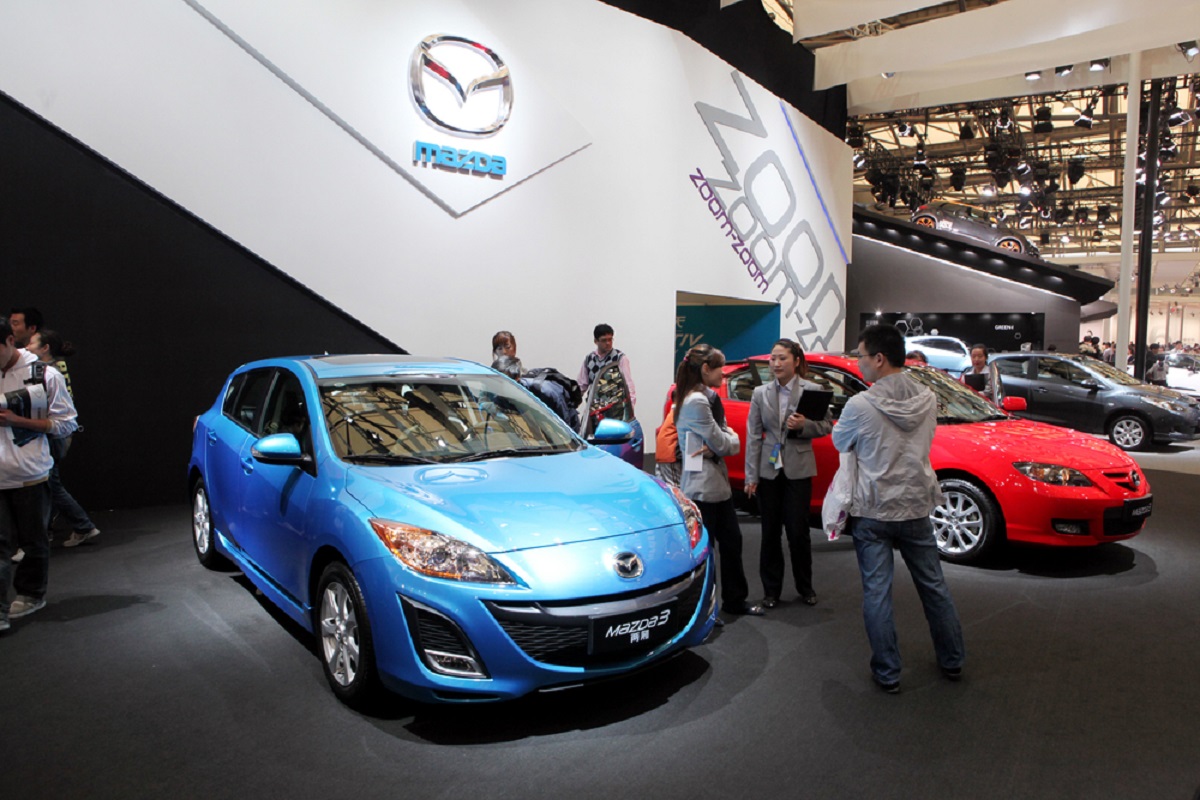
In the late 1990s and early 2000s, Ford owned a controlling stake in Mazda and heavily influenced its operations. Shared platforms and rebadged vehicles were common during this time. However, by 2015, Ford had sold off its remaining shares, and Mazda regained full independence. The company emerged leaner and more focused on its distinct identity.
Related: 11 Car Brands That Deliver The Best In-Car Audio Experience
They Developed Diesel Engines with Skyactiv Technology
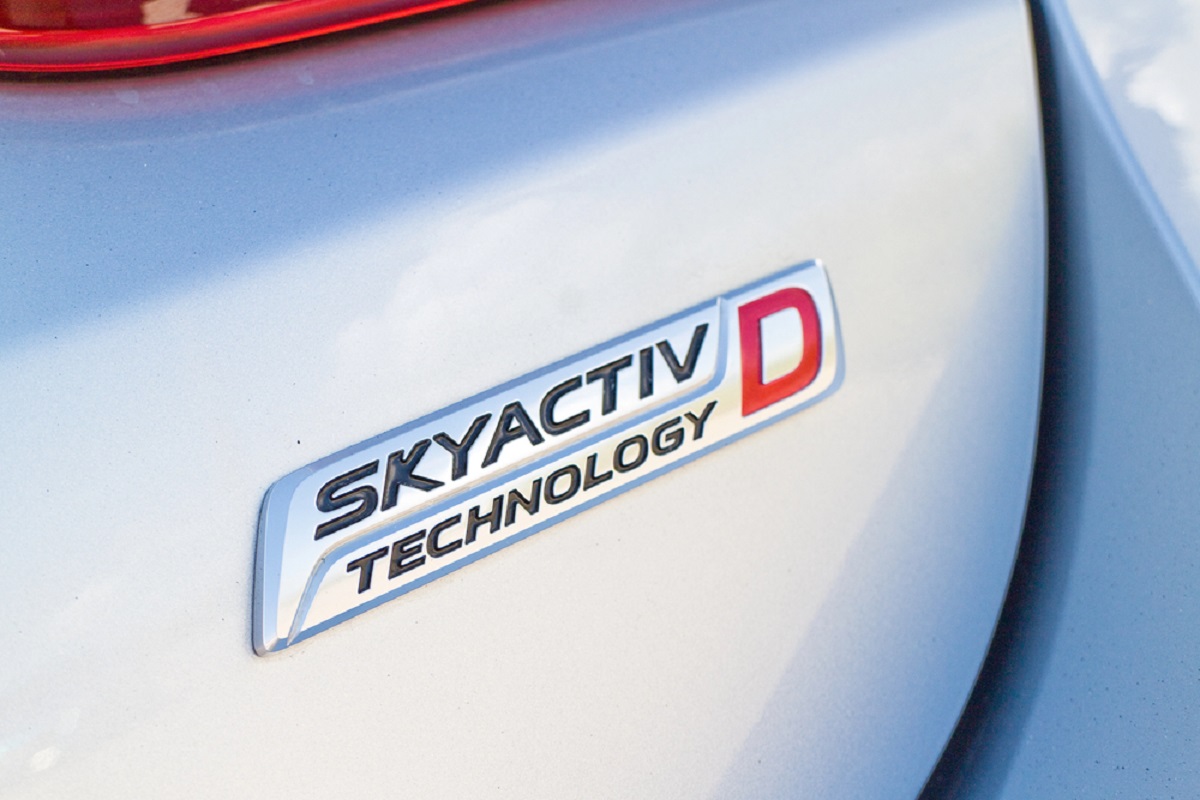
Mazda bucked trends by pushing for cleaner, more efficient diesel engines under its Skyactiv umbrella. These engines aimed to reduce emissions while preserving performance and fuel economy. Though they faced challenges in some markets, the effort showed Mazda’s commitment to innovation beyond just hybrids or EVs. It’s a reminder that they think differently.
Related: 12 Stunning Cars From The World’s Biggest Automakers
Mazda Once Made a Pickup Truck Called the B-Series

Long before crossovers took over, Mazda offered the compact B-Series pickup, which was reliable and practical. It was even rebadged by Ford as the Ranger in some regions. Though no longer in production, it left a mark as a solid choice for those wanting a no-frills, capable small truck. It’s a lesser-known part of Mazda’s lineup history.
Related: 11 Classic Fiberglass Cars You Didn’t Know Came From Big Brands
Their Logo Has Deep Symbolism
Mazda’s current logo features wings that represent flight and freedom, a nod to the brand’s forward-thinking spirit. The stylized “M” also resembles a stretched pair of arms embracing the future. It’s simple yet meaningful, reflecting both design elegance and corporate philosophy. Few people realize just how much thought went into the badge on their hood.
Related: 11 Classic Cars That Resemble Hatchbacks But Aren’t
The RX-8 Was the Last Rotary Car—For Now
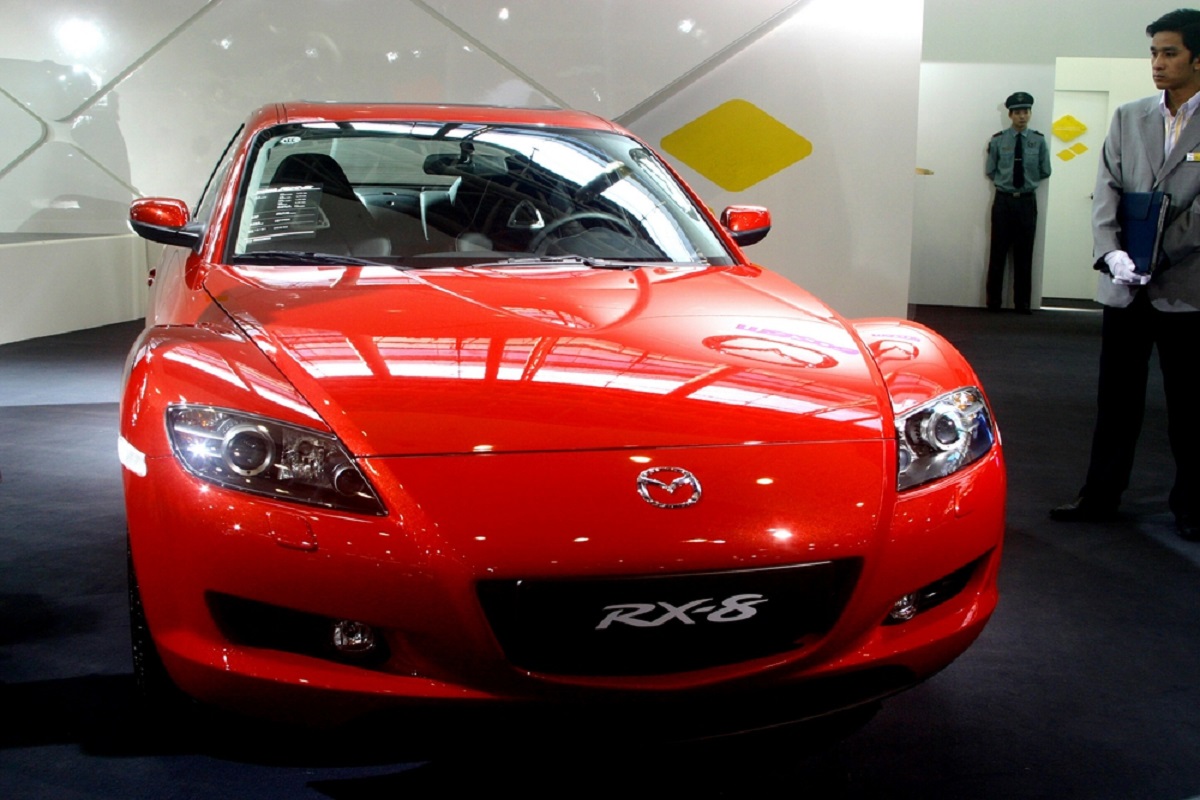
The RX-8, produced from 2003 to 2012, was the last production car powered by Mazda’s iconic rotary engine. Its four-door design and high-revving motor made it unique, even among sports cars. Though the rotary engine faded from production, Mazda hasn’t given up on it. Rumors of its return as a range extender or in future EVs continue to excite fans.
Related: 12 Cars With The Best-Looking Rear Designs
Mazda has carved its path through the auto industry with fearless engineering, deep-rooted philosophy, and a hunger for fun. From winning Le Mans to crafting the beloved Miata, every detail speaks to a brand that values emotion just as much as performance. These facts reveal how Mazda’s quirks and bold choices have helped it stand out in a world full of conformity. Whether it’s rotary dreams or signature paint, Mazda continues to captivate those who crave something different on the road.
Disclaimer: This list is solely the author’s opinion based on research and publicly available information.
12 JDM Legends Gaining Value Fast This Spring Before They Become Unaffordable
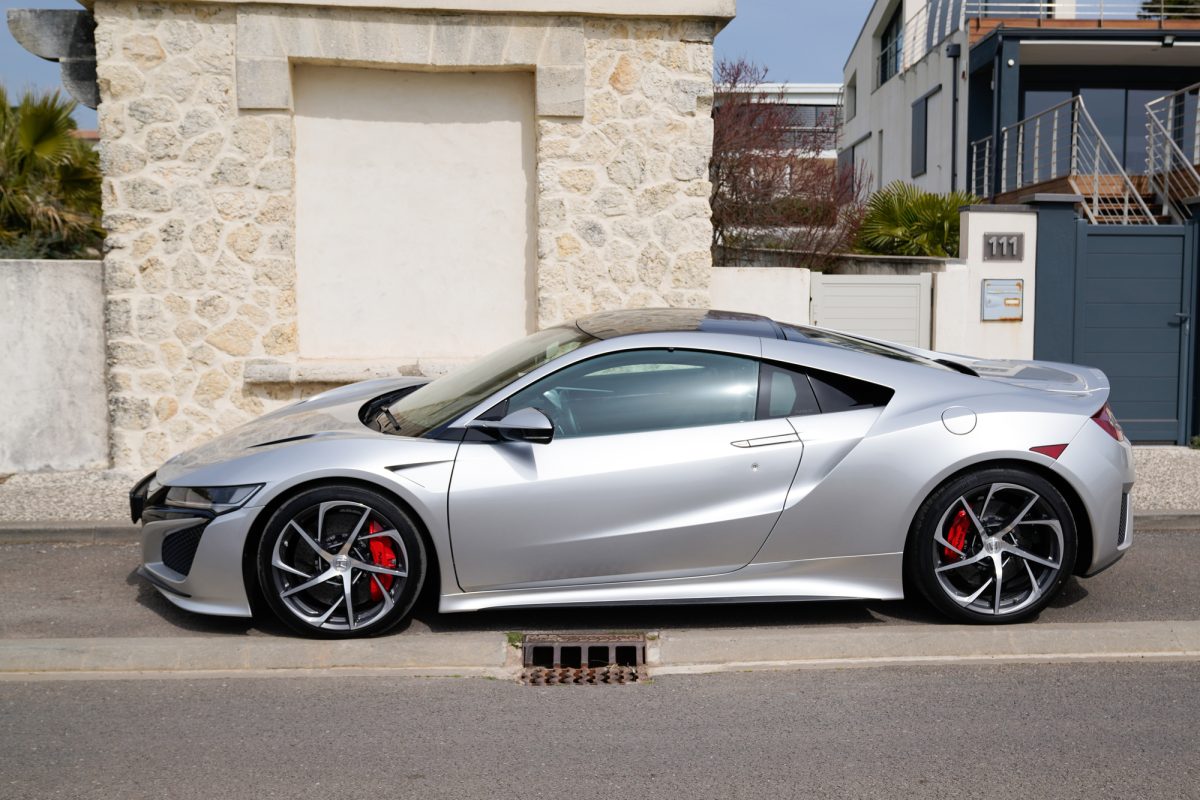
The spring season has arrived, and with it, a surge in interest for Japanese Domestic Market (JDM) vehicles, which are quickly gaining value. Once considered niche models, these JDM legends have now become highly sought-after collectibles. The automotive world is witnessing a significant shift, with iconic JDM cars rising in value faster than ever before. Enthusiasts and collectors are racing to secure these vehicles before prices reach unaffordable levels.
Read it here: 12 JDM Legends Gaining Value Fast This Spring Before They Become Unaffordable
11 Copycat Cars That Look Like The Real Deal But Cost Way Less

Some automakers have mastered the art of creating vehicles that resemble high end luxury and performance cars, but at a fraction of the price. Whether it’s budget friendly sports cars mimicking exotics or sedans borrowing premium styling cues, these copycats give drivers the look they want without breaking the bank. Here are 11 cars that resemble their pricier counterparts while offering affordability, reliability, and impressive design.
Read it here: 11 Copycat Cars That Look Like The Real Deal But Cost Way Less
15 Sporty Versions Of Regular Cars That Surprised Everyone
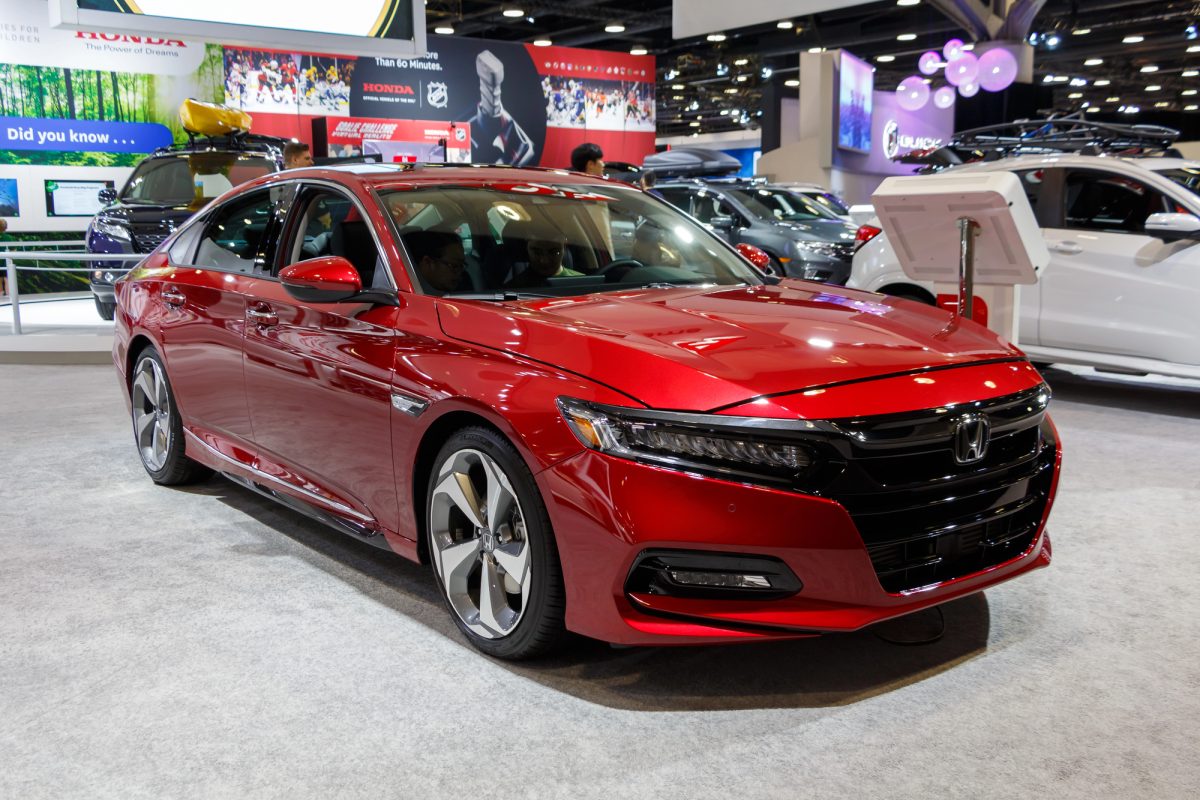
Car manufacturers love surprising enthusiasts by transforming ordinary commuter cars into performance beasts. Whether it’s an unassuming sedan turned into a track-ready monster or a practical hatchback with serious power, these sporty versions defied expectations. Let’s take a look at 15 times automakers shocked the world with unexpected performance models.
Read it here: 15 Sporty Versions Of Regular Cars That Surprised Everyone