Minimalist car interiors have become a hallmark of modern automotive design, emphasizing clean lines, uncluttered dashboards, and touchscreen controls. While they offer a sleek, futuristic look, this trend isn’t without its drawbacks. From functionality concerns to hidden costs, here are 11 downsides of minimalist car interiors that often go unnoticed today.
Over-Reliance on Touchscreens

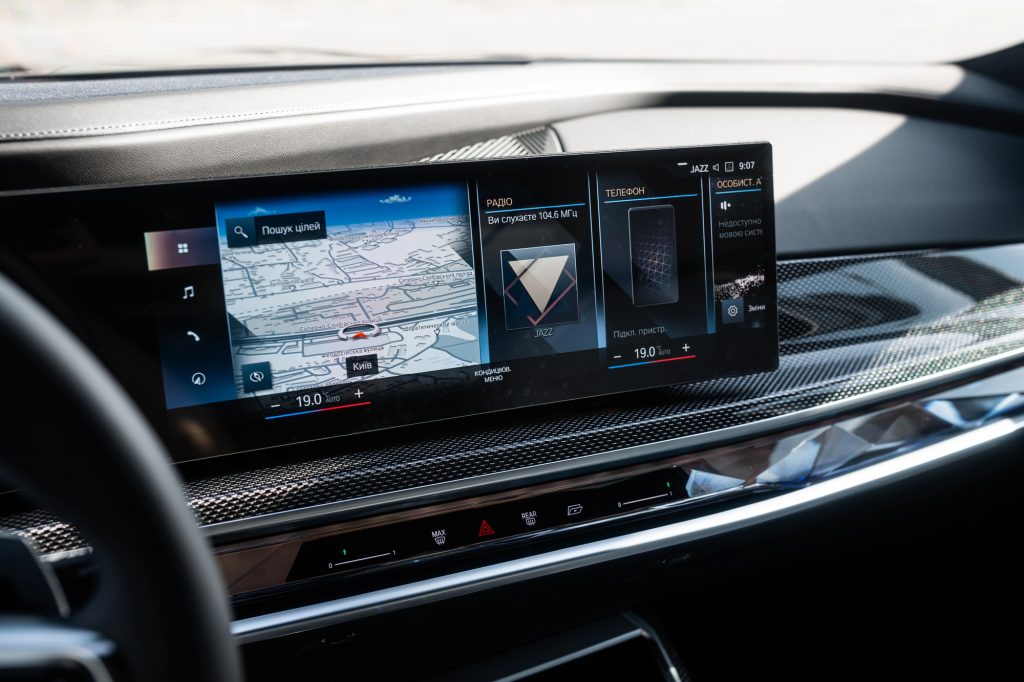
Minimalist interiors often replace physical buttons with touchscreen controls, which can be distracting while driving in busy environments. Adjusting simple functions like climate control or audio settings requires navigating menus, increasing reaction times and reducing overall convenience significantly for many drivers everywhere.
Lack of Physical Feedback
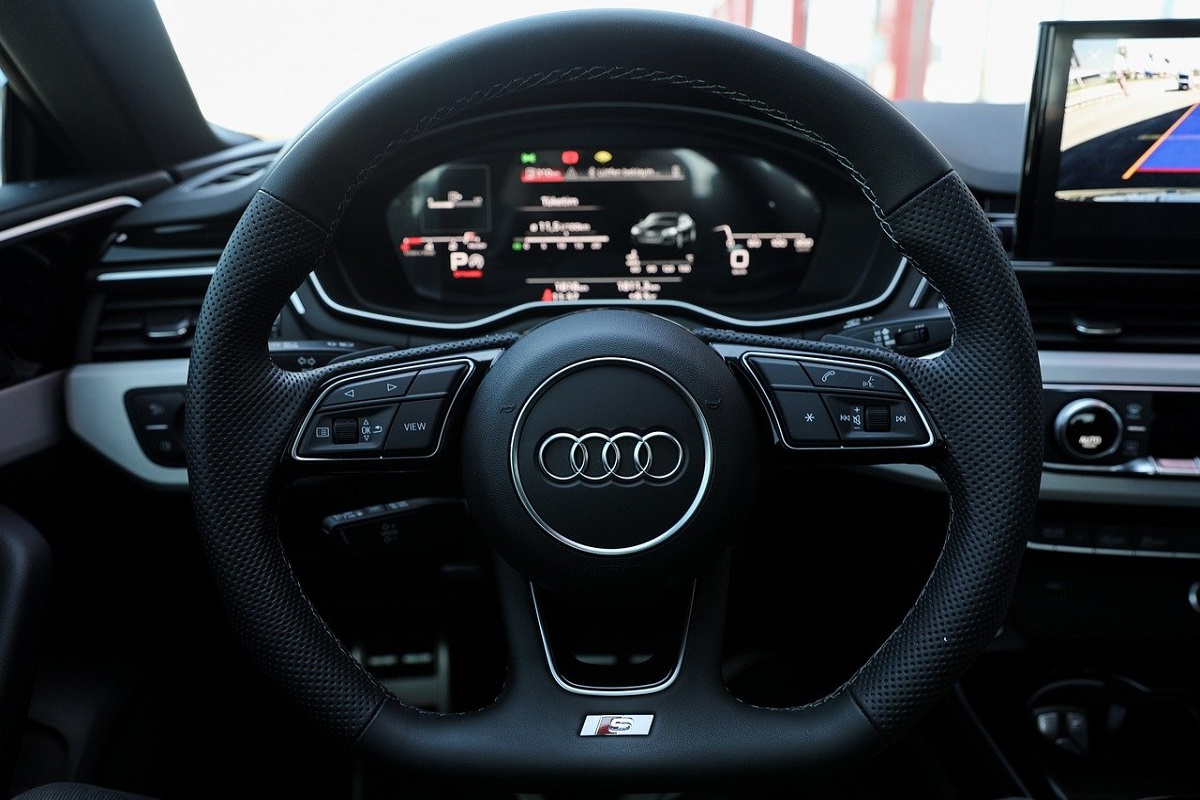
Tactile buttons and knobs provide immediate feedback, allowing drivers to make adjustments without taking their eyes off the road frequently. Touchscreens lack this intuitive feel, making simple actions like adjusting volume or changing temperature much more cumbersome than expected in daily driving.
Increased Fingerprint Smudges

With touchscreens dominating minimalist dashboards, they quickly accumulate fingerprints, smudges, and dust, making visibility even worse. This not only affects clarity but also requires frequent cleaning to maintain a pristine look, adding an unexpected hassle for many meticulous and detail-oriented car owners.
Higher Repair and Replacement Costs

Replacing a faulty touchscreen is significantly more expensive than swapping out physical buttons or dials in older vehicles. If the screen malfunctions, even basic functions like adjusting air conditioning or radio settings may become impossible until repaired at an authorized dealership.
Related: 12 Shockingly Cheap Cars That Perform Like a Porsche 718
Learning Curve for New Users
Minimalist interfaces often require drivers to familiarize themselves with complex digital controls, making initial operation frustrating for many users. Older drivers and those less tech-savvy may struggle with touch-based systems, negatively affecting usability, safety, and overall convenience during everyday drives.
Related: 15 Classic Cars Turning 50 In 2025
Reduced Customization Options
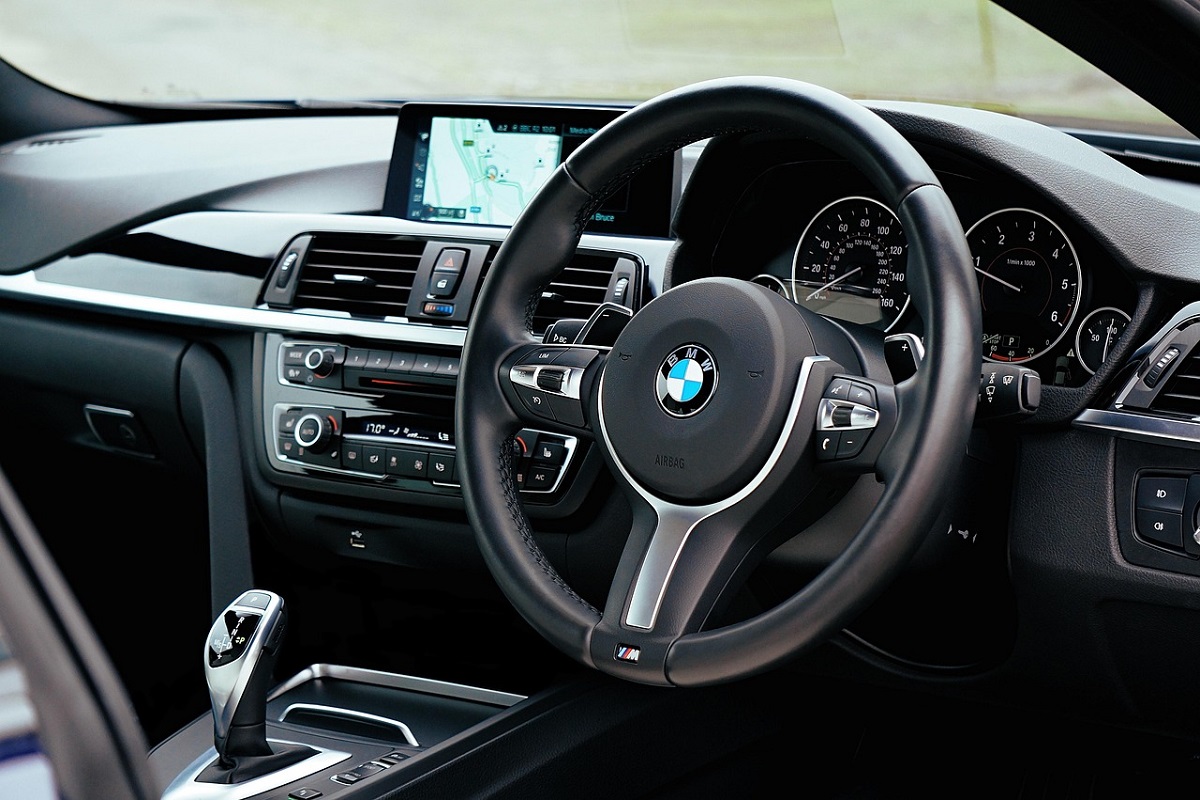
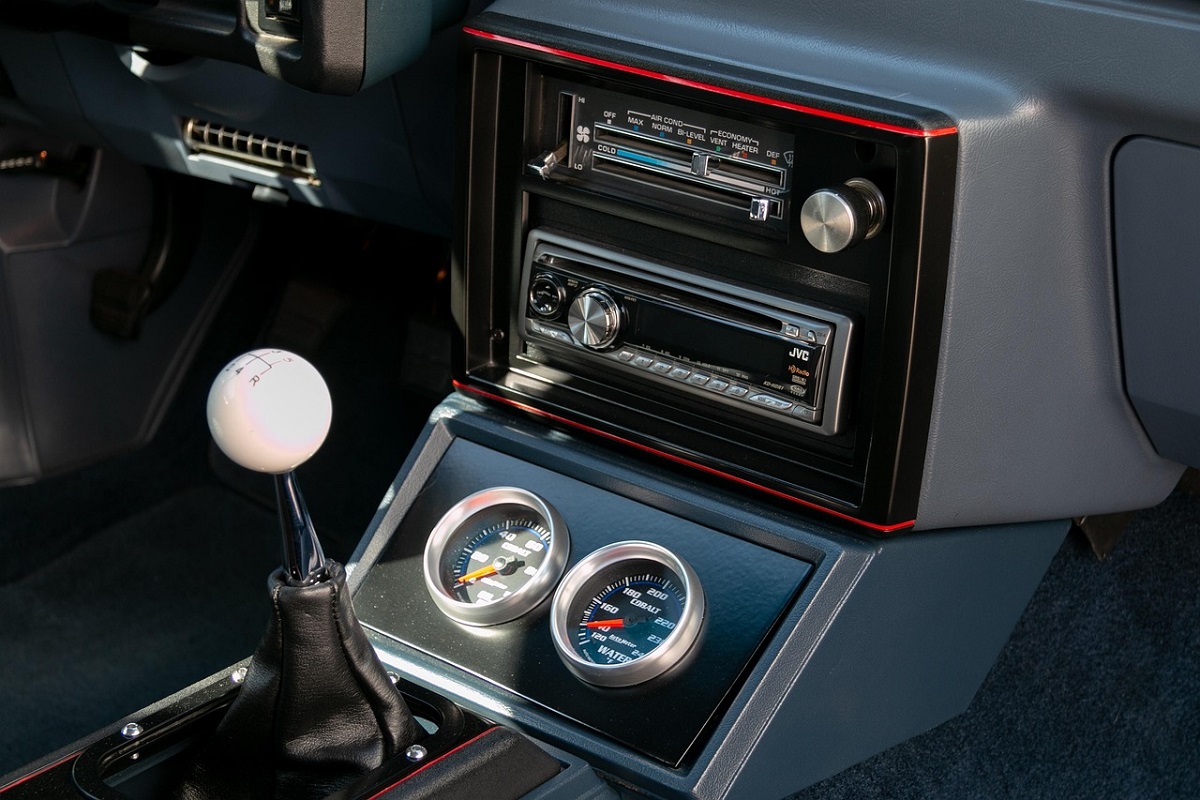
Traditional car interiors offer a variety of materials, colors, and layouts, but minimalist designs often limit personalization and uniqueness. Many manufacturers adopt a one-size-fits-all approach, leaving buyers with fewer choices to tailor their interiors to match their exact preferences or aesthetic tastes.
Related: 12 Gas-Powered Cars That Outshine EVs In Style
Lack of Dedicated Storage Spaces

Minimalist interiors prioritize sleekness over practicality, often eliminating glove compartments, center console storage, or door pockets unnecessarily. This leaves drivers with fewer places to store everyday essentials like sunglasses, wallets, or charging cables conveniently within reach while driving comfortably.
Related: 11 Ford Bronco Facts Every Owner (and Fan) Needs To Know
Increased Wear on Key Components

Since minimalist interiors rely on fewer physical components, high-use areas like armrests, touchscreen edges, and slimmed-down controls wear out much faster. Over time, these frequently touched areas can show visible signs of wear, aging the interior more quickly than expected, requiring costly repairs or replacements.
Related: 11 Supercars With Designs Inspired By Jets, Rockets, And Sci-Fi
Poor Resistance to Extreme Temperatures

Touchscreens and minimalist surfaces can be more sensitive to extreme heat or cold, leading to sluggish response times. In particularly cold or excessively hot climates, these surfaces may warp, crack, or become less responsive to touch over time, reducing overall functionality and durability significantly.
Related: 13 Classic Sports Cars You Can Own Without Constant Repairs
Limited Accessibility for Older Drivers

Many minimalist cars remove physical buttons in favor of digital menus, which can be challenging for older drivers to navigate. Those with reduced dexterity, limited vision, or slower reaction times may find these interiors frustratingly difficult to operate properly, impacting their driving confidence significantly.
Related: 12 Insider Tips Every Toyota Highlander Owner Should Know
Harder to Modify or Upgrade

Traditional car interiors allow for aftermarket modifications, but minimalist dashboards and integrated screens limit these options drastically. Customizing a minimalist interior often requires proprietary software updates or dealership intervention, making upgrades far more complex, expensive, and time-consuming than before.
Related: 12 Corvette Competitors That Are Bringing The Heat In 2026
While minimalist car interiors offer a sleek and futuristic appeal, they come with several hidden downsides that affect usability, comfort, and long-term satisfaction significantly. As automakers push further into minimalism, striking the right balance between aesthetics and functionality will be key to ensuring a better driving experience for everyone in the future.
Disclaimer: This list is solely the author’s opinion based on research and publicly available information.
11 Small Luxury Cars That Offer Premium Performance

Luxury and performance are no longer exclusive to large sedans and high-end sports cars. Many automakers have perfected the balance between compact dimensions, opulent interiors, and thrilling driving dynamics. These small luxury cars deliver powerful engines, cutting-edge technology, and refined craftsmanship in a more manageable size. Here are 11 small luxury cars that prove you don’t need a big car to experience premium performance.
Read it here: 11 Small Luxury Cars That Offer Premium Performance
14 Stylish Coupes From The ’90s That Deserve A Comeback

The 1990s delivered some of the most stylish coupes ever, blending sleek designs with thrilling performance. These cars weren’t just about speed, they had character, attitude, and a timeless appeal that still turns heads today. Whether they were luxury grand tourers, high-revving sports cars, or turbocharged beasts, these coupes left an unforgettable mark. Here are 14 stylish ’90s coupes that deserve a comeback.
Read it here: 14 Stylish Coupes From The ’90s That Deserve A Comeback
13 Luxury Cars That Are Shockingly Affordable Right Now

Luxury cars are often seen as unattainable, but depreciation can work in your favor. Many high-end vehicles lose value quickly, making them surprisingly affordable in the used market. If you’ve always dreamed of driving a luxury car without breaking the bank, now might be the perfect time. Here are 13 luxury cars that offer premium features, top-tier comfort, and refined performance, without the sky-high price tag.
Read it here: 13 Luxury Cars That Are Shockingly Affordable Right Now
You’ll love these related posts: