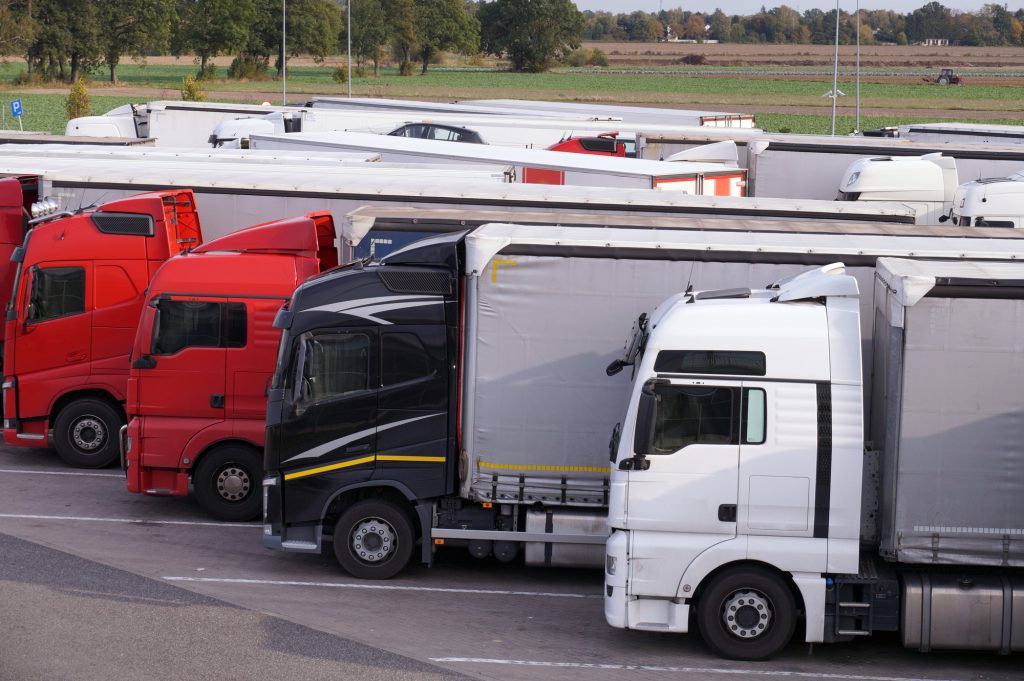
Commercial transportation in the U.S. has transformed dramatically over the years, adapting to technological advancements, economic shifts, and changing consumer demands. From railroads to autonomous trucks, here are 11 major ways the industry has evolved.
Expansion of the Interstate Highway System

The development of the Interstate Highway System in the 1950s revolutionized commercial transportation by enabling faster, more efficient cross country travel. It connected major cities, improved supply chain logistics, and paved the way for modern trucking. This infrastructure remains the backbone of the nation’s freight movement.
The Rise of Long-Haul Trucking

With the highway system in place, long haul trucking became the dominant mode of freight transportation. Advances in diesel engine technology, sleeper cabs, and logistics software allowed trucks to cover greater distances efficiently. Today, trucking remains a crucial part of the supply chain, ensuring timely deliveries and supporting various industries.
The Evolution of Rail Freight

Rail transportation has adapted over time, shifting from primarily passenger service to a freight heavy industry. Innovations such as double stacked containers, high speed rail corridors, and automated cargo handling have made trains more efficient. Railroads remain essential for moving goods, offering reliability, sustainability, and cost effective transportation options.
Containerization and Intermodal Transport

The adoption of standardized shipping containers in the 1950s revolutionized global and domestic freight transport. Intermodal transport, which combines trucks, trains, and ships, streamlined logistics, reduced costs, and increased efficiency. This system enables seamless cargo movement, enhancing trade, infrastructure, supply chains, and international commerce.
Related: 12 Scary Warning Signs Your Shocks And Struts Are About To Fail
Advancements in Aviation Cargo

Air freight has grown significantly, with cargo planes becoming essential for high value and time sensitive goods. The rise of overnight delivery services and dedicated cargo airlines, like FedEx and UPS, has reshaped logistics. Modern aviation cargo offers speed, efficiency, safety, reliability, and advanced tracking capabilities for businesses.
Related: 12 Genius Gift Ideas That Will Make Any Car Lover Freak Out
Automation and Smart Logistics

The introduction of AI powered logistics, GPS tracking, and automated warehouses has transformed commercial transportation. Companies now optimize routes in real time, improve fuel efficiency, and reduce delays, leading to a more streamlined, precise, and cost effective supply chain. This automation enhances productivity, accuracy, sustainability, and overall logistics management.
Related: 13 Absolutely Ridiculous Car Nicknames That Somehow Make Total Sense
Electric and Alternative Fuel Vehicles

With growing concerns about emissions, commercial transportation has embraced alternative fuels. Electric semi trucks, hydrogen powered fleets, and biodiesel alternatives are becoming more widespread. These innovations reduce environmental impact while maintaining efficiency, sustainability, reliability, affordability, and long-term energy independence.
The Role of E-Commerce in Freight Demand

The rise of e-commerce giants like Amazon has reshaped commercial transportation, increasing demand for rapid delivery services. Distribution centers have expanded, last mile delivery networks have grown, and companies now rely on advanced logistics. Online shopping fuels faster shipping, inventory management, customer satisfaction, and supply chain innovation.
Related: 13 Absolutely Genius Bumper Stickers That Are Too Funny to Ignore
The Emergence of Autonomous Trucks

Self driving technology is gradually making its way into commercial transportation. Autonomous trucks, currently in testing, promise to improve safety, reduce labor costs, and increase efficiency, though regulatory and technological hurdles still remain. This evolution enhances sustainability, innovation, security, infrastructure, and overall logistics performance.
Related: 12 Secret Millionaire Garages That Hide The Most Insane Car Collections
The Impact of Supply Chain Disruptions

Recent global events, such as the COVID-19 pandemic, exposed vulnerabilities in commercial transportation. Companies are now investing in diversified supply chains, domestic manufacturing, and AI driven logistics to prevent future disruptions. These efforts strengthen resilience, adaptability, risk management, global trade, and long term operational stability.
Stricter Safety and Environmental Regulations

Over the decades, federal regulations have played a crucial role in shaping commercial transportation. Stricter emissions laws, electronic logging devices (ELDs) for truckers, and improved safety standards have pushed the industry toward cleaner, more responsible, and safer operations. These policies enhance compliance, accountability, efficiency, sustainability, and workforce protection.
US commercial transportation has come a long way, evolving to meet the demands of an increasingly connected world. From highways and railroads to electric trucks and AI driven logistics, the industry continues to innovate, shaping the future of global trade and supply chain management. As technology and regulations advance, commercial transportation will only become more efficient, sustainable, and adaptable.
Disclaimer: This list is solely the author’s opinion based on research and publicly available information.
12 Times American Taxis Changed the World in Ways You Didn’t Expect

Taxis may seem like just another part of city life, but American cabs have influenced transportation, technology, and culture in surprising ways. From pioneering new business models to shaping global taxi services, these iconic vehicles have done more than just move passengers, they’ve driven real change. Here are 12 times American taxis changed the world in ways you didn’t expect.
Read it here: 12 Times American Taxis Changed the World in Ways You Didn’t Expect
13 Bizarre Rules And Laws That Shaped American Taxicabs

Taxicabs have been a staple of American transportation for over a century, but behind the bright yellow exteriors and flashing rooftop signs lies a maze of strange laws and regulations. Some were created to protect passengers, while others seem to make little sense at all. These 13 bizarre rules and laws helped shape the taxi industry into what it is today.
Read it here: 13 Bizarre Rules And Laws That Shaped American Taxicabs
15 Fastest Land Vehicles That Will Make Your Heart Race

Speed is the ultimate thrill, and these machines push the limits of what’s possible on land. From hypercars to motorcycles, futuristic EVs to record breaking supercars, these 15 speed demons redefine velocity, engineering, and sheer adrenaline. If you have a need for speed, buckle up, these land rockets will leave you breathless, amazed, and wanting even more.
Read it here: 15 Fastest Land Vehicles That Will Make Your Heart Race
You’ll love these related posts: