Owning a car comes with plenty of questions, from maintenance to troubleshooting unexpected issues. Whether you’re a new driver or a seasoned vehicle owner, knowing how to handle common problems can save you time, money, and stress. This guide answers 15 frequently asked car questions in simple terms, so you can keep your ride running smoothly and avoid costly repairs.
Why Won’t My Car Start?

A dead battery, faulty starter, or bad alternator are the most common culprits. If you hear clicking but no engine turn-over, it’s likely a battery issue. If the engine cranks but doesn’t start, check the fuel system or spark plugs. Jump starting may help, but persistent issues need professional diagnosis.
What Should I do if My Check Engine Light Comes on?

Don’t panic, first check if the gas cap is loose, as this can trigger the light. If the light is steady, schedule a diagnostic check soon; if it’s flashing, stop driving immediately to prevent engine damage. A scan tool can help identify the issue, ranging from minor sensor faults to major mechanical problems. Ignoring it could lead to costly repairs.
How Often Should I Change My Oil?
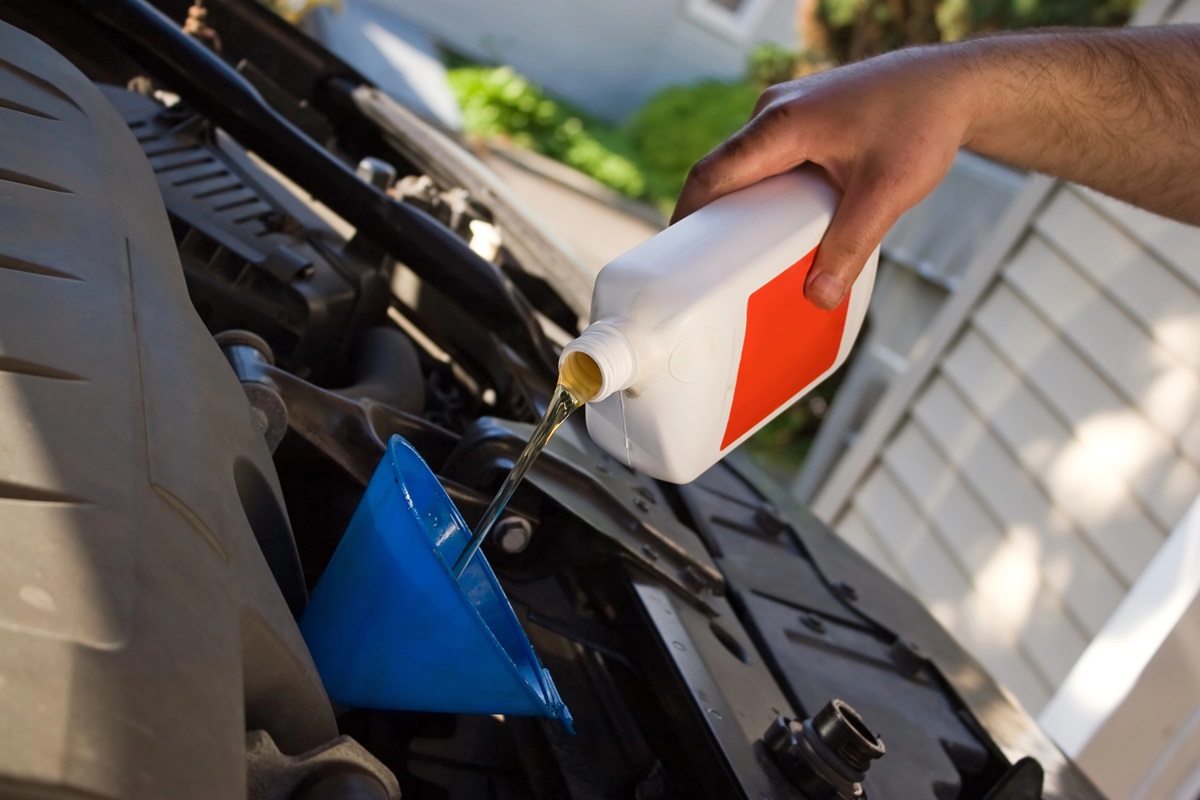
Most modern vehicles need an oil change every 5,000–7,500 miles, but always check your owner’s manual. Synthetic oils last longer, often up to 10,000 miles between changes. Driving conditions like extreme temperatures or frequent short trips may require more frequent changes. Clean oil keeps your engine running efficiently and extends its lifespan.
Why is My Car Overheating?
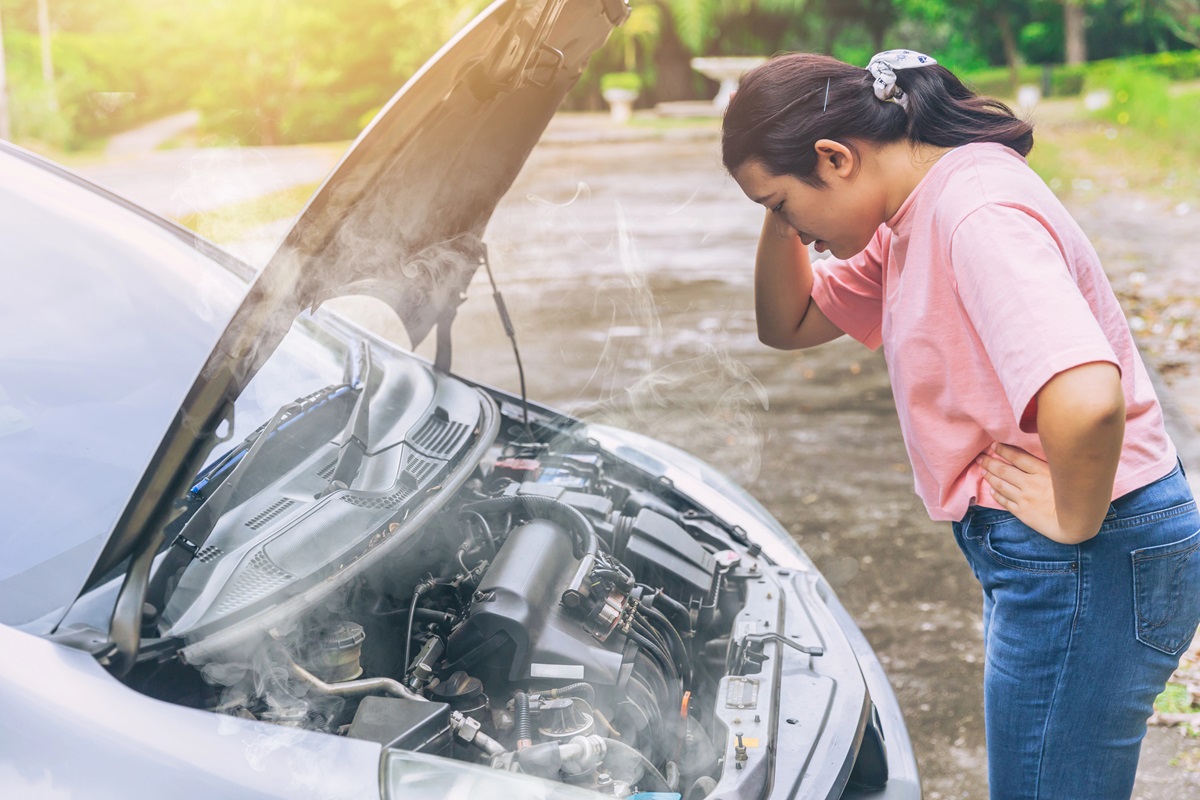
Low coolant, a faulty thermostat, or a broken radiator fan can cause overheating. If your temperature gauge spikes, pull over safely and let the engine cool before checking coolant levels. Driving an overheated car can warp engine components, leading to expensive repairs. Regular coolant checks and radiator maintenance help prevent this issue.
Related Post: These 12 Cars Are Appreciating Like Fine Wine – And Why You Should Consider Buying Now
How do I Know if My Brakes Need Replacing?

Squeaking, grinding, or a spongy brake pedal are clear signs of worn-out brake pads or rotors. If your car takes longer to stop or pulls to one side when braking, get it inspected immediately. Driving with bad brakes is extremely dangerous and can cause accidents. Replacing brake pads early is much cheaper than fixing damaged rotors or calipers.
Related Post: 13 SUVs Known for Holding Their Value and Staying on the Road for Over 200,000 Mile
What’s the Best Way to Improve Fuel Efficiency?

Keeping tires properly inflated, using high-quality fuel, and avoiding aggressive driving help maximize mileage. Regular maintenance, including clean air filters and properly tuned engines, also improves efficiency. Excess weight and unnecessary idling reduce fuel economy significantly. Smooth acceleration and consistent speeds save the most gas over time.
Related Post: The Secret History of Car Brand Logos: Hidden Meanings and Design Evolution
Why is My Steering Wheel Shaking?

A shaking steering wheel could indicate unbalanced tires, warped brake rotors, or worn suspension parts. If it happens at high speeds, tire balance or alignment is likely the issue. If shaking occurs while braking, your rotors may be uneven and need resurfacing or replacement. Addressing the problem early prevents further damage and improves driving safety.
Related Post: 13 Self-Healing Car Paint That it Finally Becoming a Reality?
How Do I Check My Tire Pressure?

Use a tire pressure gauge to check PSI levels when tires are cold for accurate readings. The correct PSI is usually listed on a sticker inside the driver’s door or in the owner’s manual. Underinflated tires reduce fuel efficiency, while overinflated ones can cause uneven wear. Regular checks help extend tire life and improve handling.
Related Post: Luxury Electric Sedans: Which One Reigns Supreme?
What Should I Do if My Car Battery Keeps Dying?
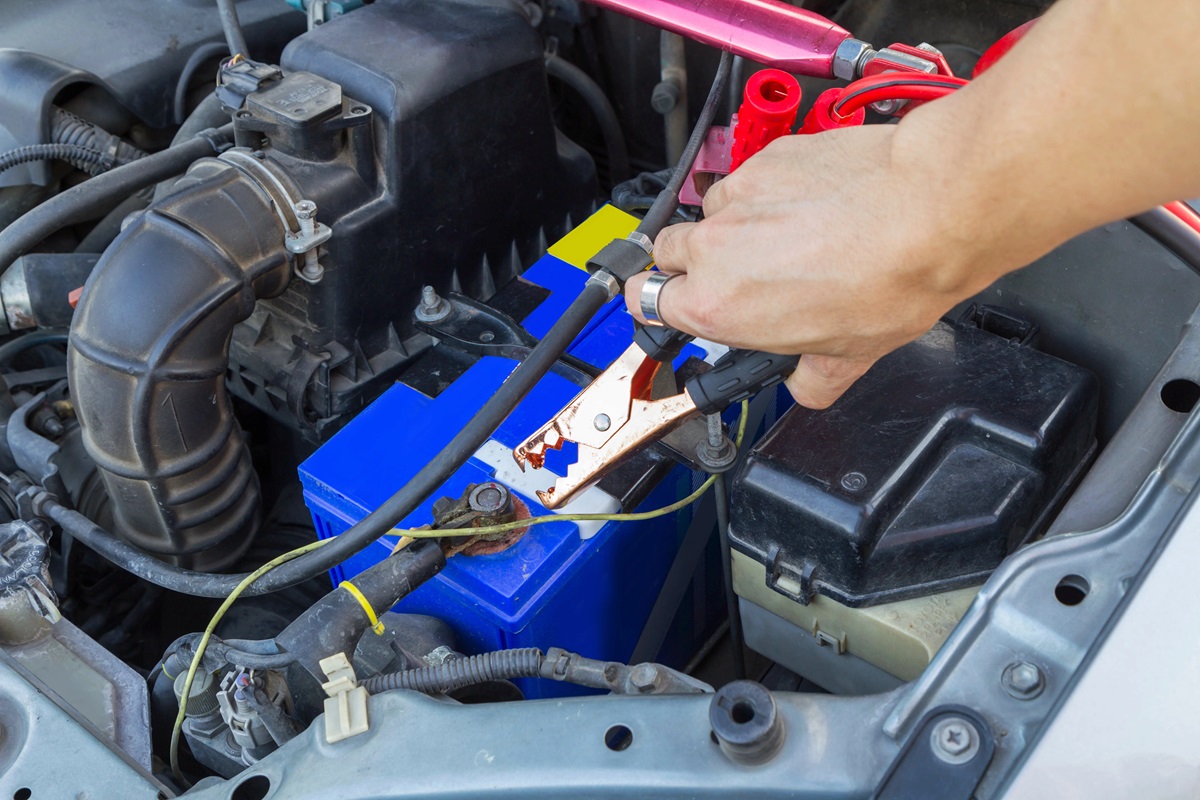
Frequent battery drain could be due to old age, a faulty alternator, or parasitic electrical draws. If your battery is over three years old, it may be time for a replacement. Make sure lights, chargers, and accessories are off when the engine is off to avoid unnecessary drain. Testing the alternator can confirm if it’s properly recharging the battery.
Related Post: The Future of Electric Pickup Trucks: What’s Coming Next
Why Does My Car Make a Loud Noise When Accelerating?

A rattling or knocking noise under acceleration could mean engine issues, loose exhaust parts, or worn-out motor mounts. If the sound comes from under the hood, check for misfiring spark plugs or low oil levels. A loud roar might mean an exhaust leak, reducing engine efficiency. Identifying the noise source early prevents more severe mechanical damage.
Related Post: 12 Best Used Cars for Teen Drivers on a Budget
What Should I do if My Air Conditioning isn’t Working?

Low refrigerant, a clogged condenser, or a faulty compressor can cause A/C failure. If warm air blows out, check refrigerant levels and look for leaks in the system. Strange smells could indicate mold buildup in the vents, which may require cleaning. Regular A/C maintenance helps keep the system efficient, especially in hot climates.
Related Posts: 12 Cheapest Electric Cars That Still Have Great Range
Why is My Car Leaking Fluid?
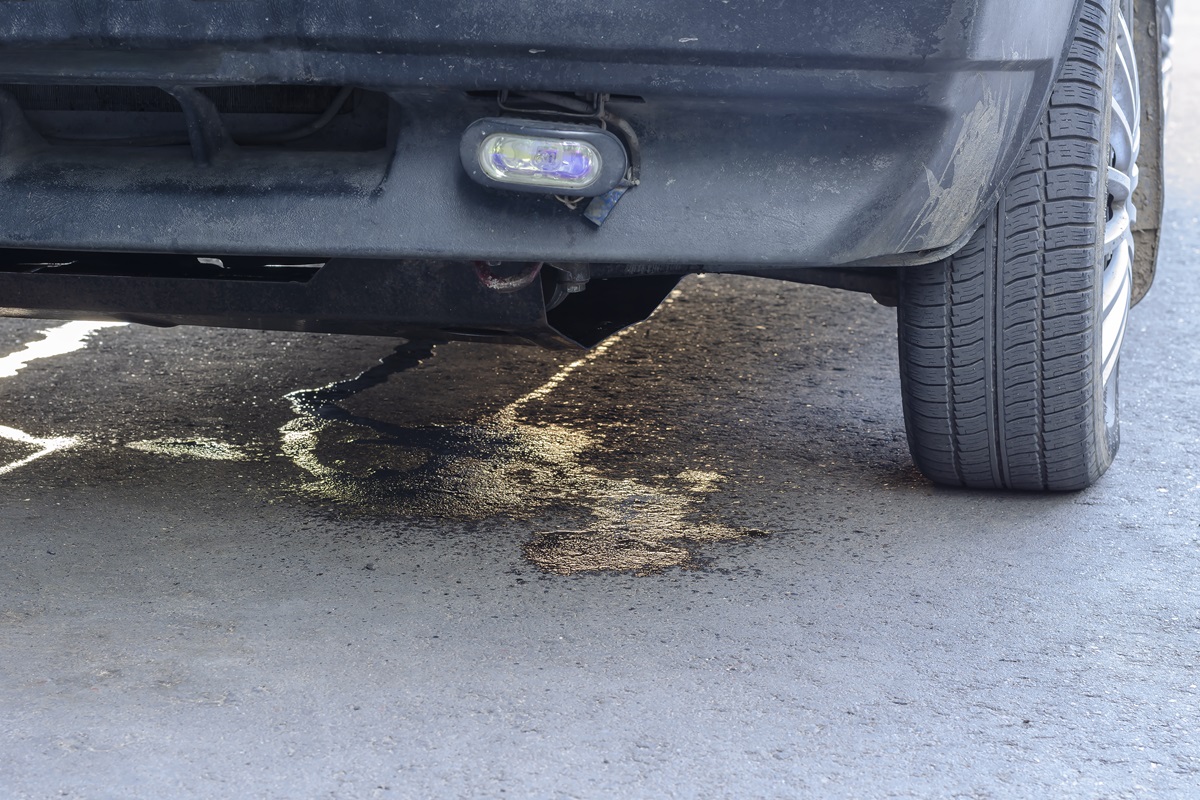
Different fluid colors indicate different issues, red or brown means transmission or power steering leaks, while green or orange suggests coolant loss. Blue liquid is usually windshield washer fluid, and dark brown or black means oil leakage. Address leaks quickly to prevent overheating, loss of braking power, or transmission failure. Regular inspections help detect leaks before they become serious.
Related Post: 15 Car Features That Are a Complete Waste of Money
How Can I Make My Tires Last Longer?

Rotate them every 5,000–7,500 miles, keep them properly inflated, and avoid harsh braking or acceleration. Regular alignment checks prevent uneven wear that shortens tire lifespan. Driving smoothly and avoiding potholes also helps preserve tire condition. Investing in high-quality tires provides better longevity and performance.
Related Post: 13 Celebrity Car Restorations: Bringing Classics Back to Life
Why does My Car Smell like Burning Rubber?
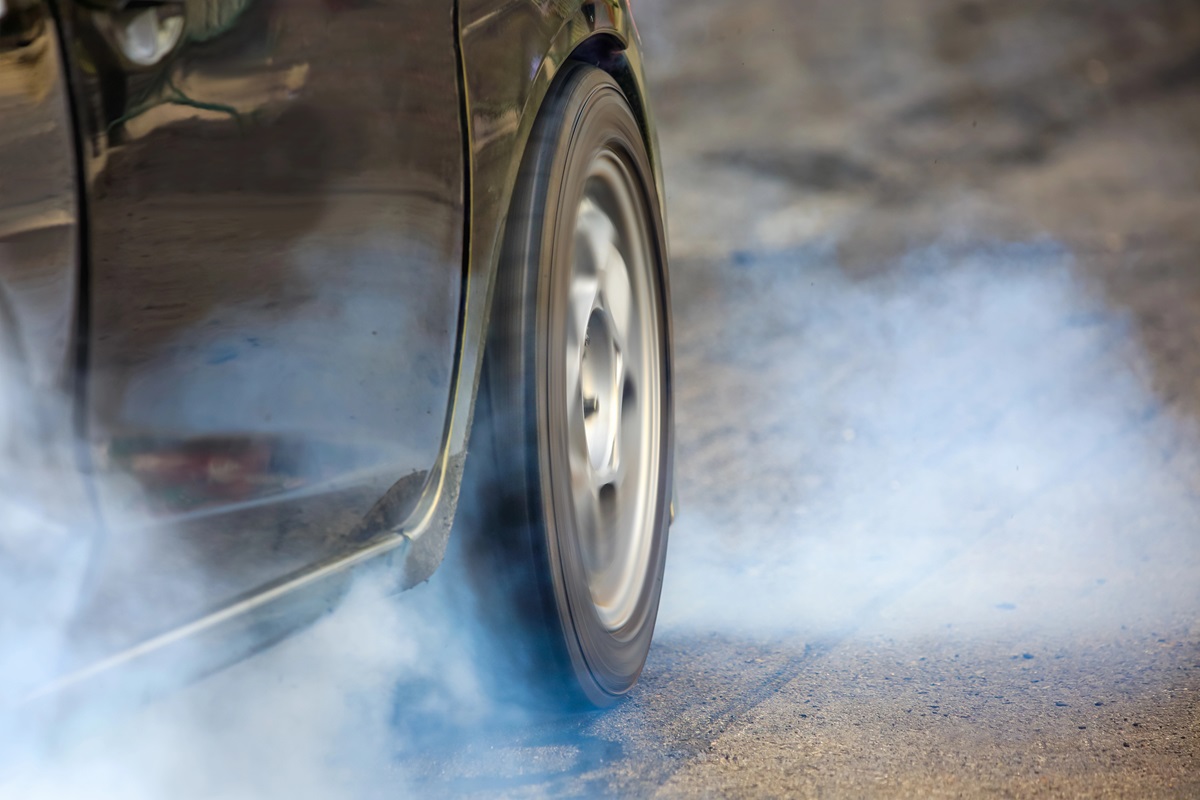
Overheated brakes, slipping belts, or leaking oil onto hot engine parts can create a burning rubber smell. If the smell happens after heavy braking, your pads may be overheating. Persistent odors require immediate inspection to prevent serious damage or potential fires. Catching small issues early prevents costly engine or brake repairs.
Related Post: 12 Loudest Stock Car Horns You Can Buy
Why is My Exhaust Emitting Smoke?

The color of the smoke can indicate different issues, blue means burning oil, white suggests coolant leakage, and black signals excess fuel consumption. Blue smoke often points to worn piston rings or valve seals, while white could mean a blown head gasket. Black smoke may indicate a clogged air filter or fuel injector problems. Addressing smoke issues quickly can prevent major engine damage.
Related Post: These 12 Cars Are Appreciating Like Fine Wine – And Why You Should Consider Buying Now
Understanding your car’s common issues and maintenance needs can save you time, money, and frustration. Regular maintenance, early problem detection, and proper driving habits keep your vehicle running smoothly and efficiently. Whether it’s a small fix like replacing a fuse or a major repair like transmission work, addressing issues promptly prevents costly breakdowns. Stay informed, take care of your car, and enjoy worry-free driving for years to come!
Disclaimer: This list is solely the author’s opinion based on research and publicly available information.
15 Car Features That Are a Complete Waste of Money

When buying a car, it’s easy to get tempted by high-tech upgrades and luxury add-ons. However, not all features are worth the extra cost, some are gimmicks, others become outdated quickly, and a few are just plain unnecessary. Before you splurge on these so-called “upgrades,” take a closer look at what you’re really paying for. These features may seem appealing at first, but they often add little value in everyday driving. These car features often turn out to be a complete waste of money.
Read it here: 15 Car Features That Are a Complete Waste of Money
12 Loudest Stock Car Horns You Can Buy

A loud, attention-grabbing horn is a crucial safety feature, ensuring your presence is known on the road. Some vehicles come equipped with factory horns that rival aftermarket options in volume and clarity. These stock horns are among the loudest you can buy, delivering both power and precision when you need them most, keeping you confidently in control.
Read it here: 12 Loudest Stock Car Horns You Can Buy
The Secret History of Car Brand Logos: Hidden Meanings and Design Evolution

Car brand logos are more than just symbols; they tell stories of heritage, innovation, and identity. Many of the most recognizable logos have hidden meanings, subtle design choices, or deep historical significance that reflect the brand’s journey. Over time, these logos have evolved, adapting to modern aesthetics while retaining their core essence. Here’s a deep dive into the secret history, hidden meanings, and fascinating evolution of iconic car brand logos.
Read it here: The Secret History of Car Brand Logos: Hidden Meanings and Design Evolution
You’ll love these related posts:
- These 12 Cars Are Appreciating Like Fine Wine – And Why You Should Consider Buying Now
- 13 SUVs Known for Holding Their Value and Staying on the Road for Over 200,000 Mile
- Luxury Electric Sedans: Which One Reigns Supreme?
- 13 Self-Healing Car Paint That it Finally Becoming a Reality?
- 12 Best Used Cars for Teen Drivers on a Budget