The promise of fully automated vehicles has captured the imagination of tech enthusiasts, automakers, and futurists for years. While major strides have been made in autonomous technology, several persistent obstacles suggest that total automation may remain just out of reach. These barriers not only delay full automation but also shape how drivers, passengers, and pedestrians interact with transportation today and in the future. Here are 11 reasons why cars may never be fully automated and what that means for you.
Ethical Decision-Making Dilemmas

Self-driving cars face philosophical challenges that have no clear answers, such as choosing between hitting a pedestrian or swerving into oncoming traffic. These ethical decisions are hard to program and vary based on cultural values and individual perspectives. Because of this, it’s unlikely that society will universally accept how machines handle life-or-death scenarios.
Infrastructure isn’t Ready

Full automation requires infrastructure to be modernized with smart traffic signals, connected roads, and consistent signage, but many areas are decades behind. Especially in rural or underfunded regions, outdated road systems present a major hurdle for autonomous vehicles. Until infrastructure evolves globally, self-driving cars will continue to face serious operational limitations.
Complex Human Behavior

Humans are unpredictable—making split-second decisions based on instinct, emotion, or non-verbal cues that machines can’t always interpret. Whether it’s eye contact at a four-way stop or a hand wave from a pedestrian, human nuance still governs much of road interaction. Autonomous systems simply lack the intuition and empathy needed to replicate these everyday exchanges.
Weather Still Wins

Adverse weather conditions like heavy snow, fog, and rain can impair sensors, cameras, and lidar systems. Unlike human drivers, who can rely on experience and partial cues, self-driving cars struggle when visibility drops or sensors get blocked. These weather-related challenges make it difficult for autonomous systems to operate safely year-round.
Related: 13 Most Recalled Cars Of The Last Decade
Mixed Traffic Environments

The road will always be shared by a mix of human-driven and autonomous vehicles, creating unpredictable dynamics. Human drivers may break rules, drive aggressively, or misinterpret an autonomous car’s cautious behavior. Without full cooperation on the road, autonomous vehicles will always be at a disadvantage in mixed environments.
Related: 11 Driving Habits That Are Slowly Destroying Your Car
Cybersecurity Risks

Fully automated vehicles are essentially rolling computers, making them targets for hackers and malicious software. A single breach could compromise safety systems, navigation, or even vehicle control. This looming threat makes many regulators and consumers wary of trusting autonomous cars without constant updates and oversight.
Related: 11 Biggest Automotive Design Flaws in History
Legal and Liability Issues

If an autonomous car crashes, the question of who’s liable, the manufacturer, the software developer, or passenger—becomes murky. Current laws aren’t fully equipped to handle the nuances of machine-driven error, leading to legal gridlock. Until a universal legal framework exists, full automation will continue to raise more questions than solutions.
Related: 12 Amphibious Cars That Let You Drive on Land and Water
High Cost of Technology

The advanced systems required for autonomy, like lidar, AI processors, and ultra-sensitive sensors, are incredibly expensive. This drives up the cost of production and limits the accessibility of fully automated vehicles to the general public. Widespread adoption is unlikely when only a small segment can afford it.
Related: 13 Covert Cars Designed For Maximum Surveillance Efficiency
Limited AI Intuition

AI lacks common sense, emotional understanding, and contextual awareness that human drivers use daily. It may follow the rules precisely but miss subtle dangers, like a child about to dart into the road. This lack of judgment means AI can never fully replicate the deep, intuitive decision-making of a seasoned driver.
Related: 12 Honda CR-V Headaches That Every Buyer Should Know About
Sensor Failures and Blind Spots

Autonomous systems rely on sensors that can fail, become dirty, or misread the environment. One small malfunction, like misidentifying a shadow as an obstacle, can cause abrupt, dangerous stops or poor driving decisions. Unlike humans, machines can’t always cross-check with gut instinct when something goes wrong.
Related: 11 Forgotten GM Trucks From The ’60s That Deserve A Comeback
Limited Learning Scope

Even the most advanced machine learning systems require enormous datasets and still can’t learn on-the-fly like a human. Real-world scenarios often present unfamiliar problems that haven’t been programmed or tested. Until AI can generalize learning in unpredictable environments, it will remain constrained in scope and capability.
Related: What’s Fueling the Rising Violence Against Tesla Vehicles?
The dream of fully automated cars may remain just that, a dream, due to the complex interplay of technology, ethics, society, and human nature. While autonomous driving features will continue to improve and assist us, they’re unlikely to ever replace the human driver completely. These persistent challenges affect not only the future of driving but also how we prepare, adapt, and co-exist with emerging technologies. By understanding these limitations now, we can better appreciate the role humans will continue to play in transportation.
Disclaimer: This list is solely the author’s opinion based on research and publicly available information.
12 Reasons AI-Powered Co-Pilots Might Be The Future

AI-powered co-pilots are transforming driving with real-time assistance, enhanced safety, and seamless navigation. These advanced systems learn from user behavior and road conditions, offering a more intuitive and adaptive experience. As AI evolves, co-pilots could become essential companions, ensuring safer, smarter, and more efficient journeys. Here’s why they might define the future of driving.
Read it here: 12 Reasons AI-Powered Co-Pilots Might Be The Future
13 Jaw-Dropping Reasons Car Lovers Are Obsessed With AI-Powered Vehicles
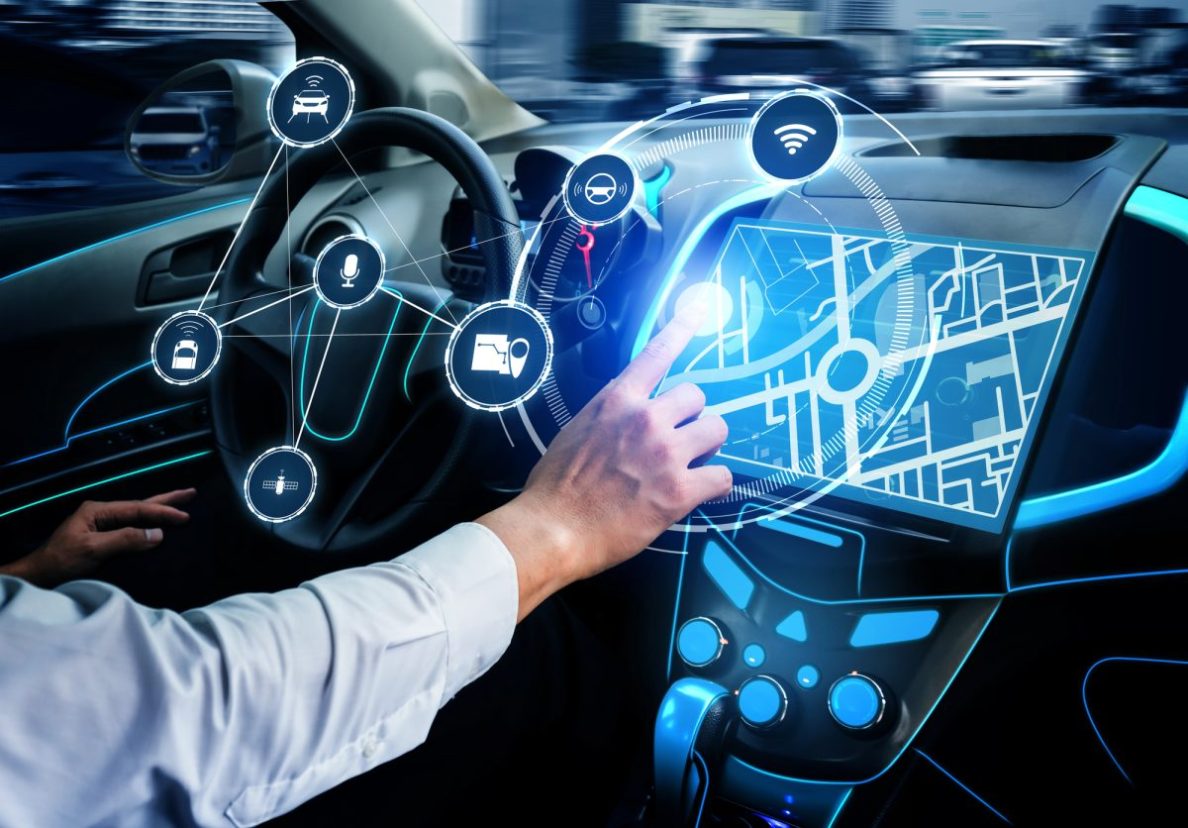
Artificial intelligence is transforming the automotive industry, making cars smarter, safer, and more efficient. AI-powered vehicles are no longer a futuristic concept, they are here, revolutionizing the way people drive. With features like self-driving capabilities, predictive maintenance, and enhanced safety systems, AI is redefining the driving experience. Here are 13 incredible reasons why car enthusiasts are obsessed with AI-powered vehicles.
Read it here: 13 Jaw-Dropping Reasons Car Lovers Are Obsessed With AI-Powered Vehicles
13 Terrifying Ways Hackers Could Steal Your Car Without Ever Touching It

As cars become more connected, they also become more vulnerable to cyber threats. Hackers no longer need physical access to steal or manipulate a vehicle, advanced techniques allow them to exploit software flaws, intercept signals, and bypass security measures remotely. The increasing digital landscape of vehicles brings many risks. Here are some of the most alarming ways cybercriminals could hijack your car without ever laying a finger on it.
Read it here: 13 Terrifying Ways Hackers Could Steal Your Car Without Ever Touching It
You’ll love these related posts:
- 13 Game-Changing Driver-Assistance Features That Are Saving Lives On The Road
- 11 Reasons Massaging Seats And Smart Climate Control Are Blowing Up Right Now
- 14 Gorgeous Car Headlights That Will Leave You Mesmerized
- What’s Fueling the Rising Violence Against Tesla Vehicles?
- 11 Fastest Buicks Ever Built That Will Blow Your Mind