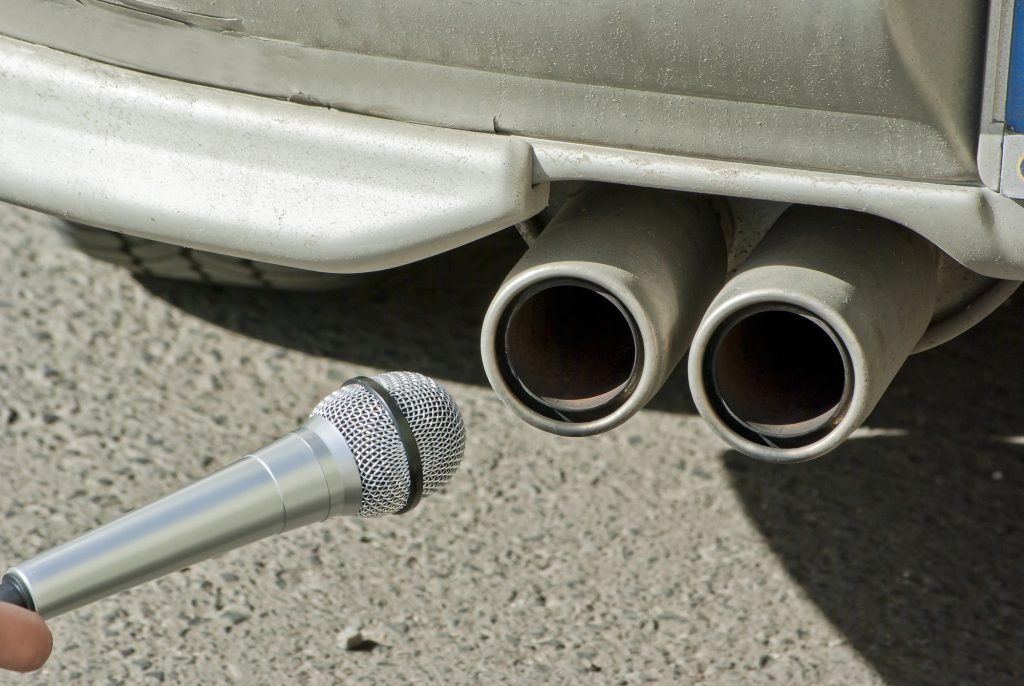
School buses are built to be tough, reliable, and safe, but even the most dependable engine can send out warning signals when something’s not right. Strange noises under the hood aren’t just annoying, they’re potential signs of performance trouble that could affect the safety and efficiency of student transport. Whether it’s a subtle ticking or a loud knocking, these sounds can reveal everything from minor wear to major component failure. Here are 11 engine noises that should never be ignored and what they could mean for your school bus’s performance.
Knocking or Pinging

A repetitive knocking or pinging sound, especially during acceleration, can indicate pre-ignition or detonation in the engine cylinders. This is often caused by using the wrong fuel grade or carbon buildup interfering with normal combustion. Left unchecked, it can lead to serious engine damage and reduced power output on routes with hills or heavy loads.
Ticking or Clicking

Rapid ticking sounds coming from the engine could point to low oil levels or problems with the valve lifters. These noises may increase with engine RPM and are a clear sign the engine isn’t being lubricated properly. Without timely oil service or valve adjustment, the risk of engine wear increases, impacting long-term performance.
Squealing on Start-Up

If you hear a high-pitched squeal when the bus starts, a worn or loose serpentine belt may be to blame. This belt powers essential systems like the alternator and power steering, key to a smooth and safe ride. A failing belt can cause charging issues or loss of power steering, both dangerous for a fully loaded school bus.
Grinding When Starting

A grinding noise when you turn the key usually points to a worn-out starter motor or damaged flywheel teeth, both of which are crucial for a reliable ignition. If ignored, this can eventually prevent the school bus from starting at all, posing a serious threat to timely pickups and route schedules. Early detection and repair not only save on towing costs but also preserve the overall reliability of the fleet.
Related: 10 Wild Reasons The Ford Fairlane Outsmarts The Boss 429
Gurgling After Shut-Off

Gurgling sounds that continue after the engine is turned off usually indicate coolant movement, often caused by trapped air in the radiator or a failing thermostat. This symptom can precede overheating problems and reduce the engine’s ability to regulate temperature effectively. Flushing the cooling system or replacing the thermostat keeps the engine running cool and extends component life.
Related: 11 Secrets Behind Why Old Muscle Cars Rocked Window Louvers
Humming at Idle

While some humming is normal, an unusually loud or persistent hum while idling may point to overworked fuel pumps or electric cooling fans nearing the end of their life. These systems are essential for maintaining fuel delivery and engine temperature, especially in heavy-duty school bus operations. Proactive replacement can help prevent stalling or overheating during peak driving hours.
Related: 10 Reasons The 2026 Corolla Hatchback FX Edition Stands Out From The Crowd
Booming or Thudding

A low, booming noise or deep thudding from the engine area usually stems from worn-out engine mounts or unbalanced driveshaft components. These sounds often worsen during acceleration and can lead to increased cabin vibration, discomfort, and fatigue for the driver. Replacing faulty mounts ensures smoother operation and better overall mechanical stability for extended route service.
Related: 10 Unexpected Fallout Reasons Volvo’s EV Crash Is Causing Buyers To Abandon Batteries
Chirping While Accelerating

If you hear a rhythmic chirping sound as you step on the gas, it could signal a misaligned belt or worn-out pulley bearings in the engine bay. This noise often grows louder over time and may eventually lead to the belt snapping, a scenario that could strand the bus mid-route. Timely replacement of worn components helps maintain auxiliary systems like cooling, charging, and power steering.
Related: 10 Surprising Facts About Peterbilt Ownership And Factory Secrets
Popping or Backfiring

Unexpected pops or backfires often mean there’s a problem with fuel combustion, usually tied to faulty spark plugs, ignition coils, or an overly rich air-fuel mixture. This disrupts engine performance and wastes fuel, which can significantly impact operating costs over time. Addressing it ensures better emissions control, smoother performance, and a quieter ride overall.
Related: 10 Facts That Prove That The BYD Car Might Be Part Boat
Whining While Driving

A persistent whining noise that increases with vehicle speed may come from worn bearings, low transmission fluid, or even a failing power steering pump. These components are vital for smooth gear shifting and safe vehicle handling, especially when transporting young passengers. Early servicing can prevent steering resistance or transmission failure on the road.
Related: These 14 Motorcycle Routes Are Worth Crossing Oceans For
Roaring From the Exhaust
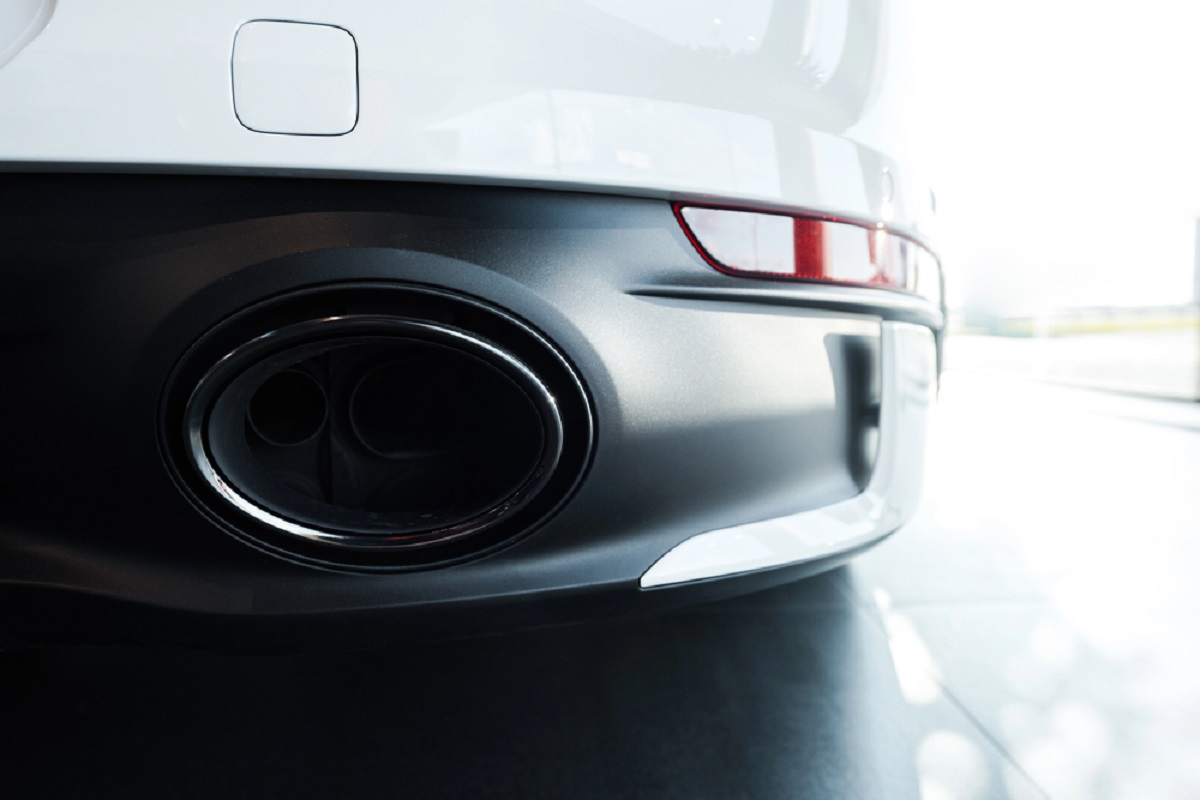
A loud, roaring exhaust sound is typically caused by a damaged muffler or a broken exhaust pipe that’s leaking gases. Beyond the increase in noise, this issue poses a carbon monoxide hazard, especially if fumes find their way into the cabin. Fixing it not only restores legal noise levels but also protects drivers and children from dangerous emissions.
Related: 12 Shocking Reasons Why The Jeep Gladiator Is Gone For Good
Engine noises are often the first indicators that something’s amiss beneath the hood, especially in high-duty vehicles like school buses. Recognizing and interpreting these sounds early can help fleet managers maintain optimal performance and ensure student safety. From knocking and squealing to buzzing and gurgling, each noise tells a story about what’s happening inside the engine. Addressing them promptly not only saves money but also extends the life of the vehicle and keeps school operations running smoothly.
Disclaimer: This list is solely the author’s opinion based on research and publicly available information.
11 Reasons This V8 Might Be The Most Bulletproof Engine Ever Built
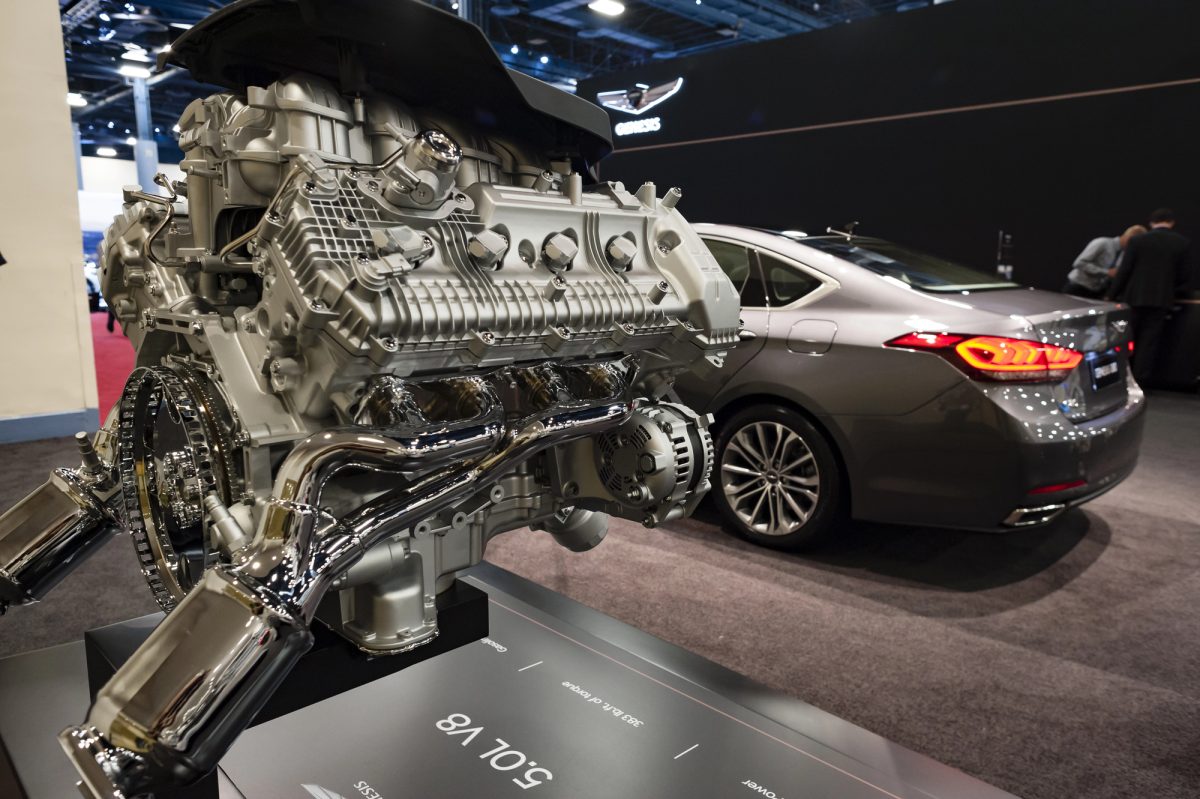
In the high-stakes world of automotive engineering, few engines earn a reputation that echoes across generations, but this V8 might be the most bulletproof powerplant ever built. Designed with durability, real-world performance, and low-maintenance longevity in mind, it’s become a mechanical legend. Here are 11 ironclad reasons why this V8 deserves the title of automotive indestructibility.
Read it here: 11 Reasons This V8 Might Be The Most Bulletproof Engine Ever Built
12 Essential Tips For Picking The Perfect Engine Oil Grade For Any Season And Climate

Choosing the right engine oil grade isn’t just a matter of preference, it’s a decision that directly affects the health, performance, and longevity of your vehicle. The changing seasons and varying climates can have a profound impact on your engine’s needs, making it essential to understand how oil grades work and why one type may be better than another, depending on the environment. These 12 tips will guide you in selecting the right oil grade for any season or climate so your engine runs like a dream all year long.
Read it here: 12 Essential Tips For Picking The Perfect Engine Oil Grade For Any Season And Climate
10 DIY Oil Change Fails That Could Wreck Your Engine If You Are Not Careful

Changing your oil can be satisfying and cost-effective, but one small mistake can cause major problems. Many car owners attempt DIY oil changes with good intentions, only to unknowingly damage their engines in the process. From using the wrong materials to skipping critical steps, these simple oversights can lead to expensive repairs or total engine failure. To help you avoid costly damage, here are 10 common oil change mistakes that could quietly wreck your engine if you’re not paying close attention.
Read it here: 10 DIY Oil Change Fails That Could Wreck Your Engine If You Are Not Careful
You’ll love these related posts:
- 10 Secrets Pro Cyclists Know About Saddle Height That Most Riders Ignore
- 10 Surprising Upgrades In The 2026 Audi A6 Sedan That You Need To See
- 10 Wild Facts About Volkswagen’s Budack Cycle That Change How You See Engines
- 11 Classic Car Quirks That Gen Z Will Never Get
- 11 Insane Reasons That V10 Audi And Twin Turbo Alfa Rivalry Breaks All The Rules