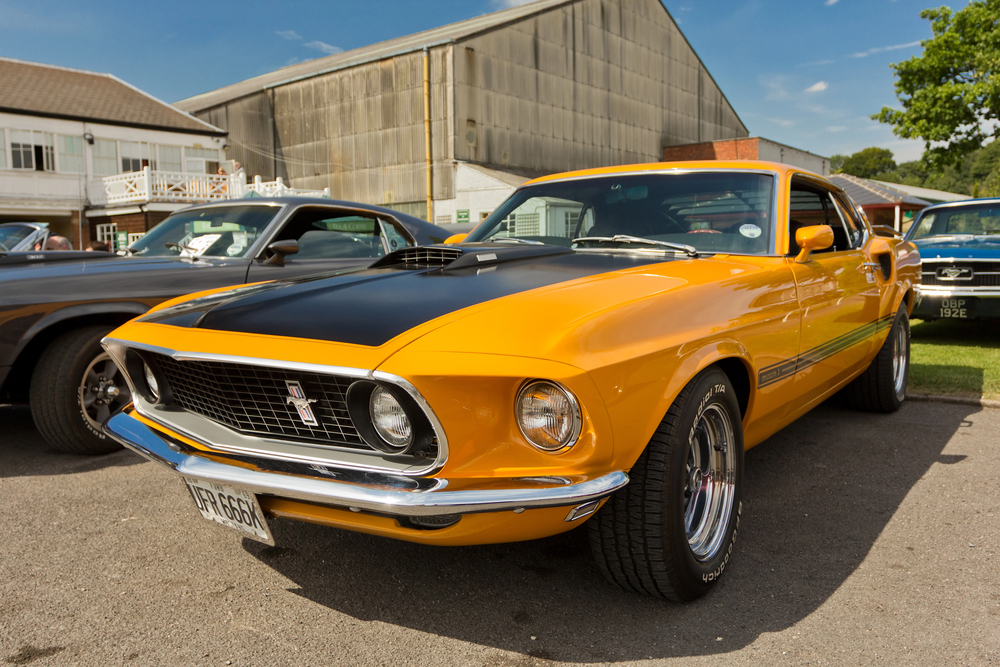
Muscle cars from the golden era were loud, fast, and unapologetically bold, but one small detail often overlooked is just how cool their window louvers were. These slatted accessories, usually found on rear windows, added more than just aggressive looks; they served functional purposes that spoke to the driver-first engineering of the time. Let’s dive into 10 secrets behind why these retro accessories earned a legendary status in muscle car culture.
Aggressive Styling That Screamed Performance
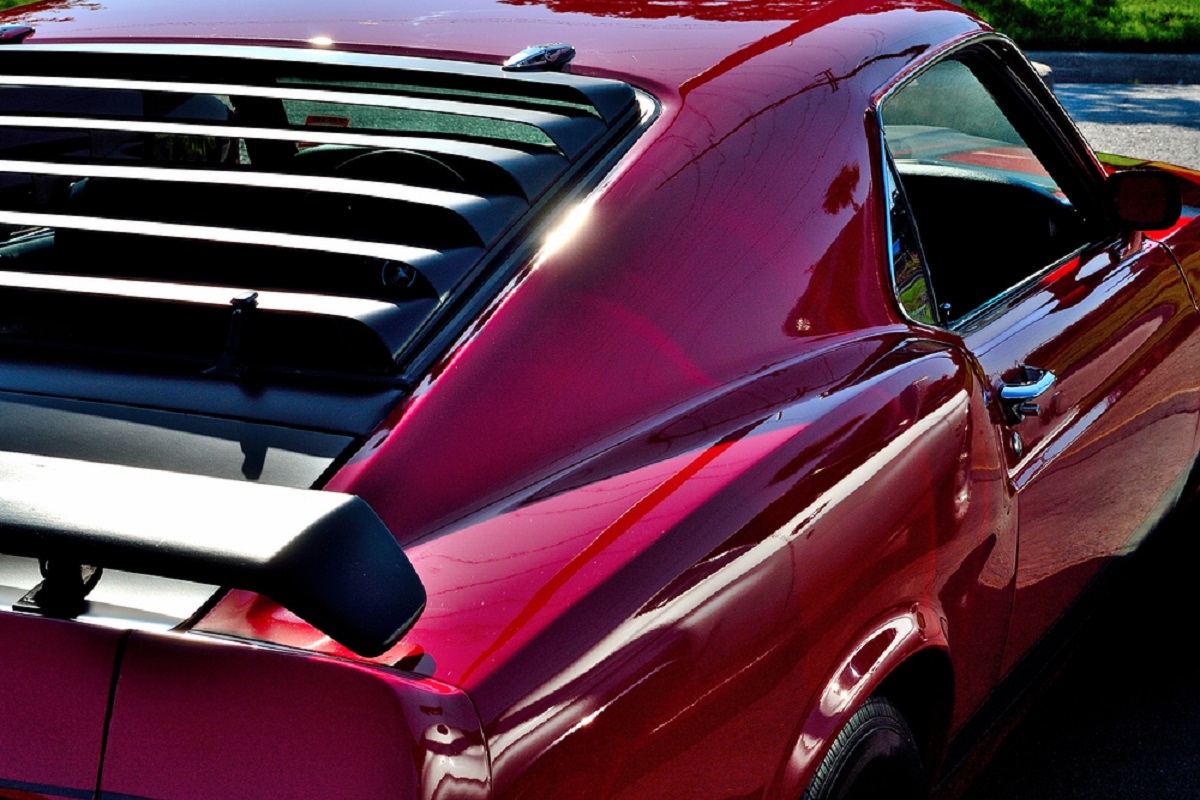
Louvers were bold, aggressive, and unmistakably sporty, perfect for a car designed to dominate the road. Their slatted appearance gave the rear profile a sharper, more race-ready look that paired well with wide tires and bulging fenders. This visual flair helped distinguish muscle cars from other vehicles on the road.
Aerodynamic Influence at High Speeds

Though not a full-blown aerodynamic breakthrough, louvers did aid airflow over the back window at high speeds. This created minor drag reduction, which could benefit performance in subtle ways during racing or spirited driving. Their presence was more than decorative; it hinted at a performance-oriented design mindset.
Inspired by Motorsports Aesthetics

Many muscle car features drew inspiration from track-ready race cars, and louvers were no exception. Used in racing for sun protection and glare reduction, they transitioned into street cars to bring some of that motorsport spirit to daily driving. It was all about capturing the essence of speed and track performance.
Period-Correct Customization

During the peak of muscle car culture, louvers were among the top aftermarket mods, helping owners personalize their rides. Whether factory-installed or added later, they allowed drivers to express personal style while maintaining a cohesive design. Louvers became a symbol of rebellion and self-expression in a golden age of performance.
Related: 15 Ways The 2026 Hyundai Palisade Redefines Family Luxury
They Complemented Fastback Rooflines Perfectly
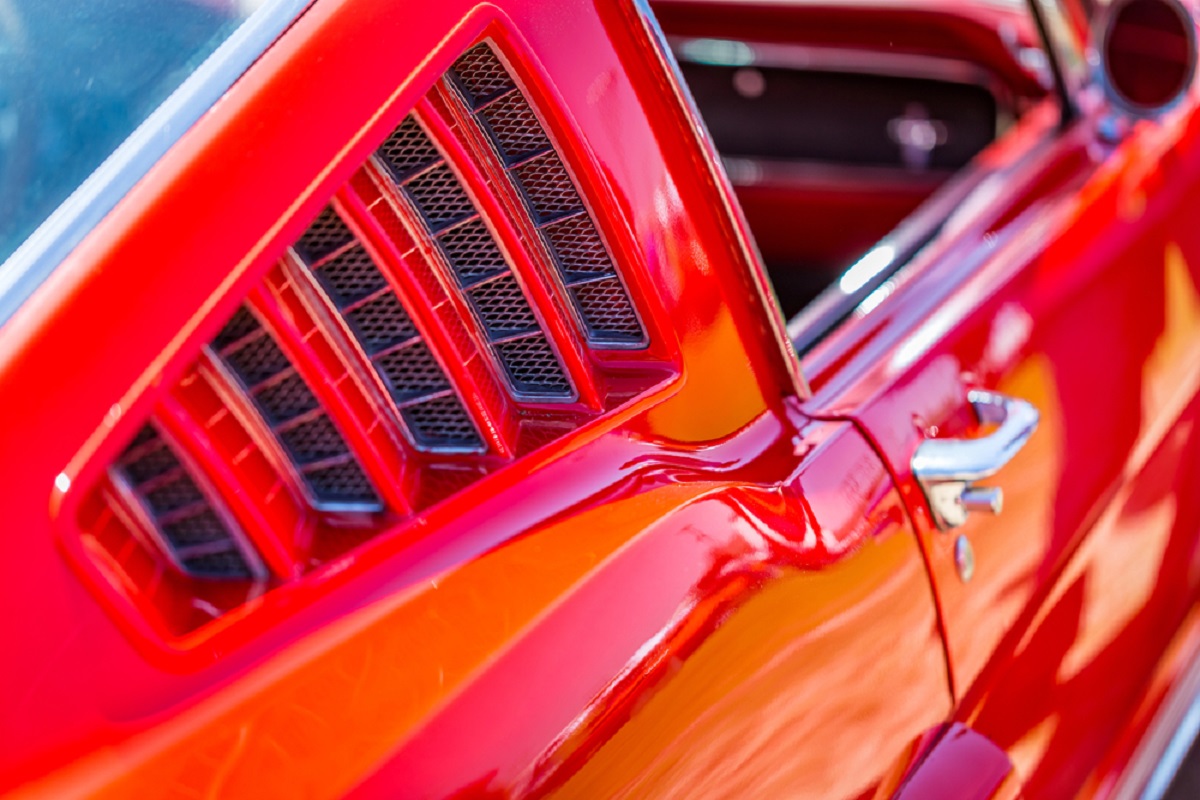
Muscle cars with fastback rooflines, like the Mustang Mach 1 or Dodge Charger, were practically made for louvers, as the rear window angle matched their aggressive stance. The louvers filled that sloping glass space with bold horizontal lines, adding a mechanical rhythm to the car’s silhouette. The result was a more sculpted, cohesive look that seamlessly blended form with performance style.
Related: 15 Ways Lexus Is Missing The Mark With Millennials And Gen Z
Improved Sunlight Control for Rear Passengers

Despite being performance machines, many muscle cars had backseats, and rear passengers often endured intense sunlight through the large rear glass. Louvers offered a welcome shade solution, cutting down glare and making the ride more enjoyable for everyone in the car. It was a simple yet thoughtful touch that enhanced comfort without compromising the car’s aggressive aesthetic.
Related: 15 Cars Named After Places You Wish You Could Visit
Easy Installation and Removal

Louvers were engineered for convenience, allowing owners to install or detach them without damaging the glass or surrounding trim. This made cleaning the rear window easy, and it also gave car enthusiasts the flexibility to switch up their vehicle’s look on a whim. The DIY-friendly setup gave drivers more control over personalization and upkeep.
Related: Nissan’s 12 Bold Moves That Could Redefine Global Car Manufacturing
Iconic Status in Car Culture and Media
Over the years, louvers became more than an accessory, they evolved into a pop-culture symbol of classic American muscle. From car magazines to blockbuster films and TV shows, cars rocking louvers often stole the scene and etched themselves into automotive legend. Their screen presence helped immortalize the louvered look, reinforcing its place as an enduring style statement in car culture.
Related: These 10 Lamborghinis Still Break Necks Today
Reduced Rear Glare While Driving
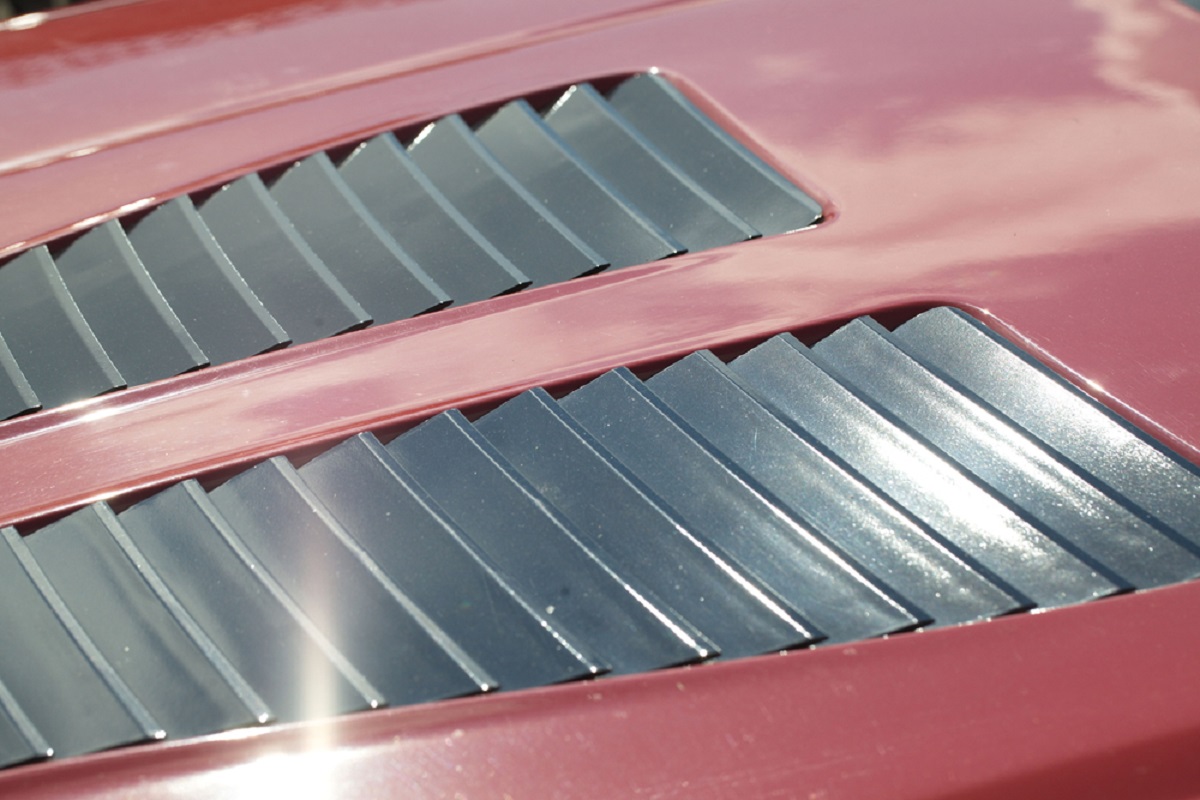
One of the underrated benefits of louvers was cutting down on glare from headlights or the sun reflecting off the rear window. Drivers got a cleaner, less distracting view when checking their mirrors or reversing. It made nighttime driving and dawn cruises far more comfortable.
Related: 11 Things No One Tells You About Sleek Amphibious Cars
Heat Reduction for Rear Interiors
Louvers helped reduce heat buildup inside muscle cars, especially on scorching summer days. By blocking direct sunlight from penetrating the rear window, they kept the cabin temperature more manageable. This added comfort to long drives without needing extra technology.
Related: 15 Car Dashboards That Make You Question Innovation
A Badge of the Golden Era of Performance
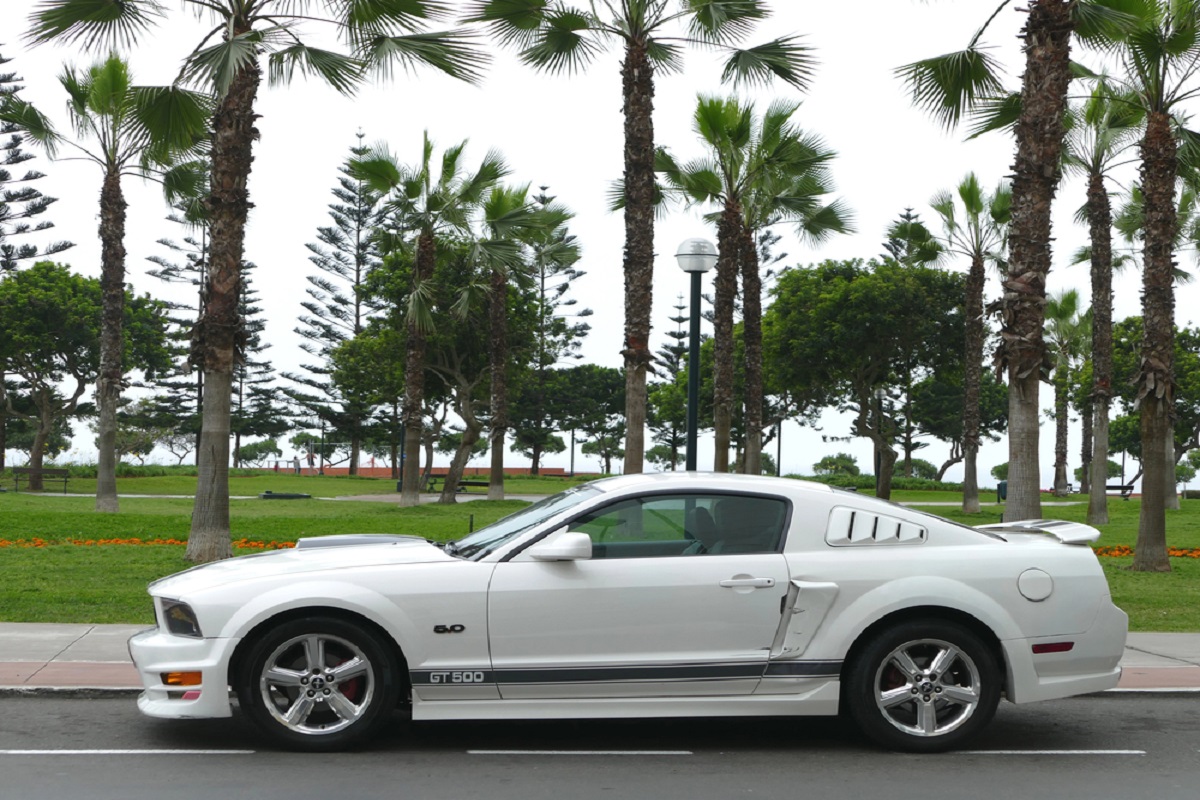
Louvers are now synonymous with the muscle car era, just like hood scoops, chrome bumpers, and roaring V8s. Their presence instantly transports enthusiasts to a time when performance was king and design was bolder than ever. Today, spotting louvers on a vintage ride is like catching a glimpse of automotive history in motion.
Related: 13 Travel Trucks Built For Ultimate Road Trips
Window louvers were more than just slatted shades slapped onto muscle cars; they were a deliberate design choice rooted in function, flair, and performance. Their legacy lives on through classic restorations, tribute builds, and die-hard enthusiasts who understand what they represent. These iconic additions served both a practical and symbolic purpose, reinforcing everything muscle cars stood for: strength, individuality, and timeless cool.
Disclaimer: This list is solely the author’s opinion based on research and publicly available information.
These 10 Dodge Charger Upgrades Are Flipping The Muscle Car Rulebook

The Dodge Charger has long been a symbol of raw power and bold American muscle, but modern enthusiasts are redefining what this iconic car can do. As technology and design evolve, Charger owners are adding upgrades that blend performance, style, and innovation in ways the classic rulebook never saw coming. These modifications aren’t just for show, they completely change the driving experience and challenge traditional limits. Here are 10 groundbreaking upgrades that are flipping the script on what the Dodge Charger is all about.
Read it here: These 10 Dodge Charger Upgrades Are Flipping The Muscle Car Rulebook
11 Chevrolet Racing Icons That Put American Muscle On The Map

Chevrolet has long been a dominant force in the world of motorsports, shaping the identity of American muscle cars through innovation, power, and sheer performance. From the drag strips to NASCAR circuits and endurance races, Chevrolet has built a legacy of high-performance machines that continue to inspire enthusiasts worldwide. These legendary cars were not only fast but also engineered to withstand the brutal demands of competitive racing.
Read it here: 11 Chevrolet Racing Icons That Put American Muscle On The Map
10 Used Muscle Cars That Still Pack Value In 2025

In a market filled with skyrocketing prices and fading V8s, used muscle cars have become hidden gems for enthusiasts on a budget. These cars offer raw power, nostalgic design, and an unmistakable driving experience without breaking the bank. With the EV shift pushing modern muscle toward extinction, classic combustion models are becoming more valuable than ever. Whether you’re after old-school torque or modern retro charm, these 10 used muscle cars still deliver serious value in 2025.
Read it here: 10 Used Muscle Cars That Still Pack Value In 2025