For baby boomers, muscle cars weren’t just vehicles, they were a way of life. They represented power, freedom, and rebellion, roaring down highways with big V8 engines and aggressive styling. These cars weren’t just built for speed; they were designed to make a statement. Here are 14 muscle cars that defined the boomer generation and continue to inspire enthusiasts today.
1964 Pontiac GTO

Widely regarded as the first true muscle car, the 1964 Pontiac GTO packed a 389-cubic-inch V8 that produced up to 348 horsepower. Pontiac’s engineers took a midsize Tempest and stuffed it with a big engine, creating an entirely new segment of high-performance street machines. The GTO’s thrilling speed and stylish design made it a dream car for young drivers and kicked off the muscle car era.
1965 Ford Mustang GT 289

While the Mustang is best known as a pony car, the GT 289 package gave it serious muscle car credentials. Equipped with a 289-cubic-inch V8, upgraded suspension, and dual exhausts, this version of the Mustang delivered an exhilarating driving experience. Its lightweight design and affordability made it one of the most popular performance cars of the era.
1969 Chevrolet Camaro Z/28

The 1969 Camaro Z/28 was built for both the streets and the track, featuring a high-revving 302-cubic-inch V8 designed for Trans Am racing. It had an aggressive stance, racing stripes, and a performance suspension that made it a favorite among boomers who wanted both style and speed. The Z/28’s legendary status only grew with its performance dominance and pop culture appearances.
1970 Chevrolet Chevelle SS 454

The Chevelle SS 454 wasn’t just a muscle car—it was a powerhouse. Under the hood, the LS6 version of its 454-cubic-inch V8 cranked out a staggering 450 horsepower, making it one of the most powerful muscle cars ever produced. With its aggressive styling, wide stance, and thunderous exhaust note, the Chevelle SS 454 left an unforgettable mark on the streets.
Related Post: 13 Celebrity Car Restorations: Bringing Classics Back to Life
1968 Dodge Charger R/T

Few muscle cars are as instantly recognizable as the 1968 Dodge Charger R/T, thanks to its fastback design and hidden headlights. Equipped with a 440 Magnum V8 or the legendary 426 HEMI, the Charger had the performance to match its menacing looks. Its appearance in Bullitt with Steve McQueen cemented its reputation as one of the most iconic muscle cars of all time
Related Post: 13 Self-Healing Car Paint That it Finally Becoming a Reality?
1971 Plymouth HEMI ‘Cuda

The 1971 Plymouth HEMI ‘Cuda was pure American muscle, featuring a monstrous 426 HEMI V8 with 425 horsepower. With its bold design, shaker hood scoop, and aggressive stance, the ‘Cuda was one of the most feared street machines of its time. Today, it remains one of the most sought-after muscle cars, with rare models fetching millions at auction.
Related Post: 12 Best Used Cars for Teen Drivers on a Budget
1967 Shelby GT500

Carroll Shelby took the Mustang and transformed it into a beast with the 1967 GT500, which packed a 428-cubic-inch Police Interceptor V8. This car was all about high performance, with upgraded suspension, functional hood scoops, and a distinctive racing-inspired design. The GT500 was a muscle car with racing DNA, making it a legend on both the track and the streets.
Related Post: 12 Loudest Stock Car Horns You Can Buy
1970 Dodge Challenger R/T
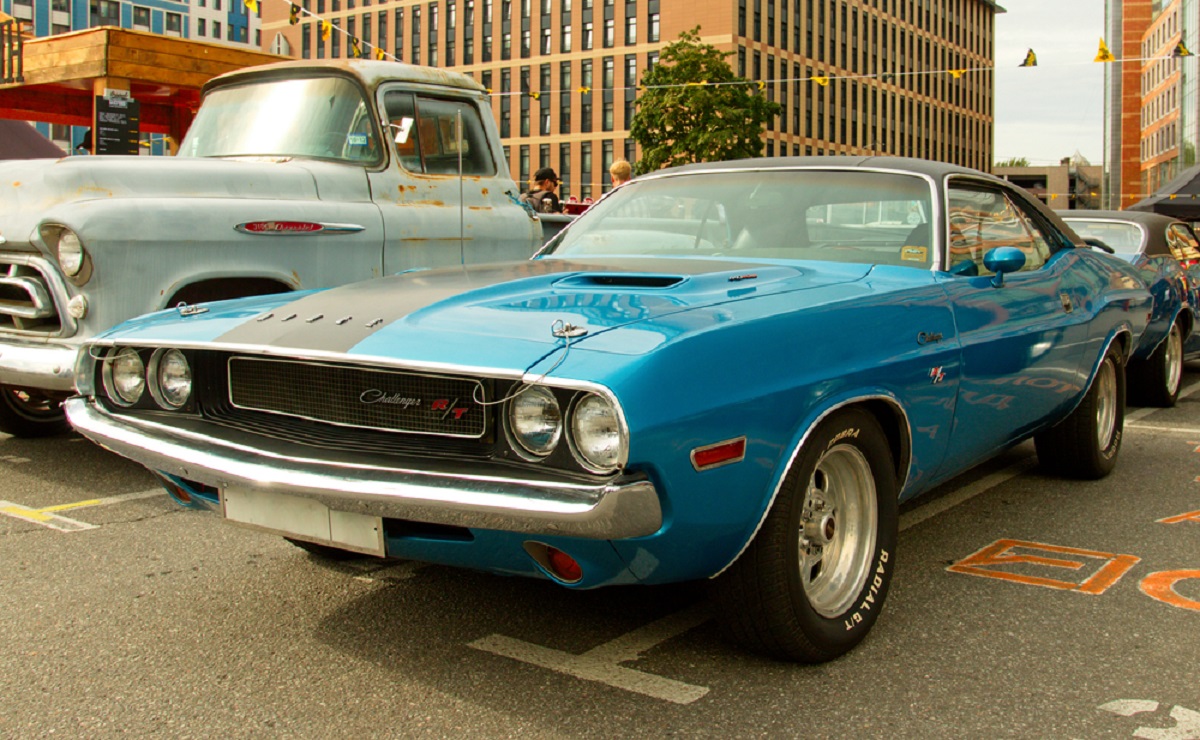
The 1970 Dodge Challenger R/T entered the muscle car wars with a bang, offering a range of powerful engines, including the legendary 426 HEMI. It had bold, wide-body styling, high-impact color options, and a luxurious interior compared to its rivals. The Challenger’s combination of brute force and style made it an instant classic.
Related Post: 12 Cheapest Electric Cars That Still Have Great Range
1969 Pontiac Firebird Trans Am

Introduced as a high-performance version of the Firebird, the 1969 Trans Am was built for speed. It featured a Ram Air III or IV 400-cubic-inch V8, functional air scoops, and a signature white paint job with blue racing stripes. Though only 697 were produced in 1969, the Trans Am name would go on to become one of the most famous muscle cars of all time.
Related Post: The Future of Electric Pickup Trucks: What’s Coming Next
1969 Ford Torino Cobra

The Torino Cobra was Ford’s answer to the growing muscle car movement, offering a 428 Cobra Jet V8 that delivered up to 410 horsepower. With its sleek, fastback design and lightweight construction, it was built for both straight-line speed and handling. Though not as well-known as the Mustang, the Torino Cobra was a serious contender in the muscle car wars.
Related Post: 13 SUVs Known for Holding Their Value and Staying on the Road for Over 200,000 Mile
1970 Buick GSX Stage 1

The Buick GSX was proof that muscle cars could be both luxurious and ridiculously powerful. Equipped with a Stage 1 455-cubic-inch V8 producing 510 lb-ft of torque, it was one of the fastest muscle cars of its time. Only available in eye-catching Apollo White or Saturn Yellow, the GSX made a bold statement wherever it went.
Related Post: Luxury Electric Sedans: Which One Reigns Supreme?
1971 AMC Javelin AMX

The AMC Javelin AMX was an underdog in the muscle car world, but it delivered serious performance. With a 401-cubic-inch V8, bold styling, and racing pedigree, the Javelin AMX competed with the best from Ford, Chevrolet, and Dodge. It was also the first pony car used as an official police pursuit vehicle in Alabama.
Related Post: 15 Car Features That Are a Complete Waste of Money
1969 Mercury Cougar Eliminator

The Mercury Cougar Eliminator was the upscale cousin of the Mustang, designed for muscle car fans who wanted a bit more refinement. With its 428 Cobra Jet V8, performance suspension, and aggressive styling, the Eliminator proved that Mercury could hold its own in the muscle car world. Limited production numbers make it a rare and desirable classic today.
Related Post: 12 Best Used Cars for Teen Drivers on a Budget
1973 Pontiac Firebird Super Duty 455

By the early 1970s, emissions regulations were killing muscle cars, but Pontiac refused to give up. The 1973 Firebird Super Duty 455 was one of the last true muscle cars, featuring a hand-assembled 455-cubic-inch V8 with race-ready internals. Despite declining horsepower ratings in other muscle cars of the era, the Super Duty 455 proved that Pontiac was still willing to push the limits of performance.
Related Post: Luxury Electric Sedans: Which One Reigns Supreme?
Disclaimer: This list is solely the author’s opinion based on research and publicly available information.
13 Celebrity Car Restorations: Bringing Classics Back to Life
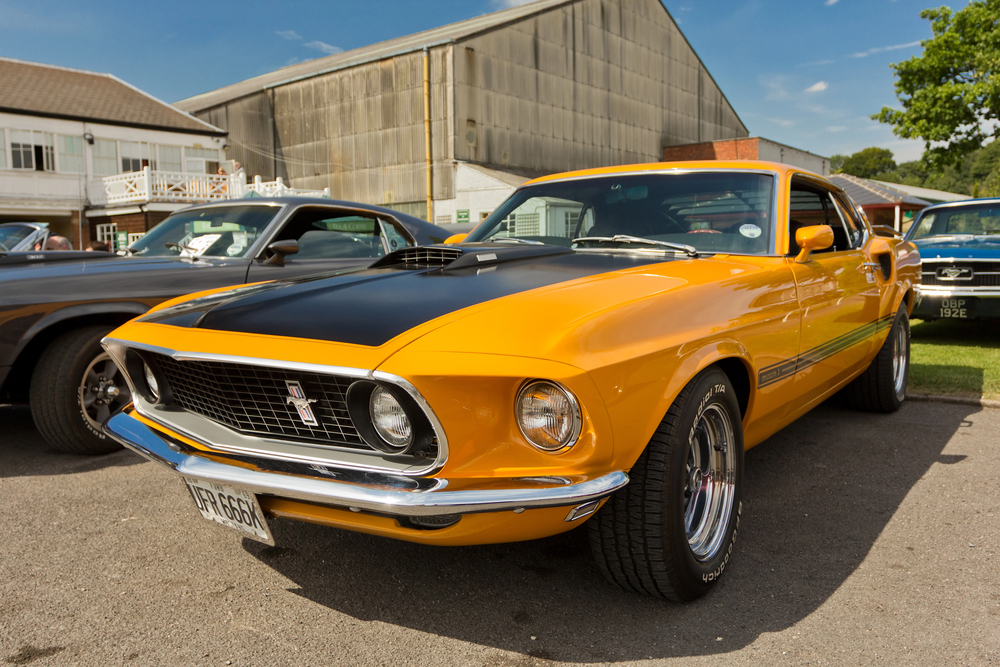
Celebrities don’t just collect luxury cars, many take pride in restoring classic automobiles to their former glory. Whether it’s a muscle car from the ‘60s or a vintage European beauty, these stars invest time and money to bring history back on the road. Here are 13 celebrities who have restored legendary cars with jaw-dropping results.
Read it here: 13 Celebrity Car Restorations: Bringing Classics Back to Life
13 Self-Healing Car Paint That it Finally Becoming a Reality?

Car brand logos are more than just symbols; they tell stories of heritage, innovation, and identity. Many of the most recognizable logos have hidden meanings, subtle design choices, or deep historical significance that reflect the brand’s journey. Over time, these logos have evolved, adapting to modern aesthetics while retaining their core essence. Here’s a deep dive into the secret history, hidden meanings, and fascinating evolution of iconic car brand logos
Read it here: 13 Self-Healing Car Paint That it Finally Becoming a Reality?
The Future of Electric Pickup Trucks: What’s Coming Next

When buying a car, it’s easy to get tempted by high-tech upgrades and luxury add-ons. However, not all features are worth the extra cost, some are gimmicks, others become outdated quickly, and a few are just plain unnecessary. Before you splurge on these so-called “upgrades,” take a closer look at what you’re really paying for. These features may seem appealing at first, but they often add little value in everyday driving. These car features often turn out to be a complete waste of money.
Read it here: The Future of Electric Pickup Trucks: What’s Coming Next
You’ll love these related posts: