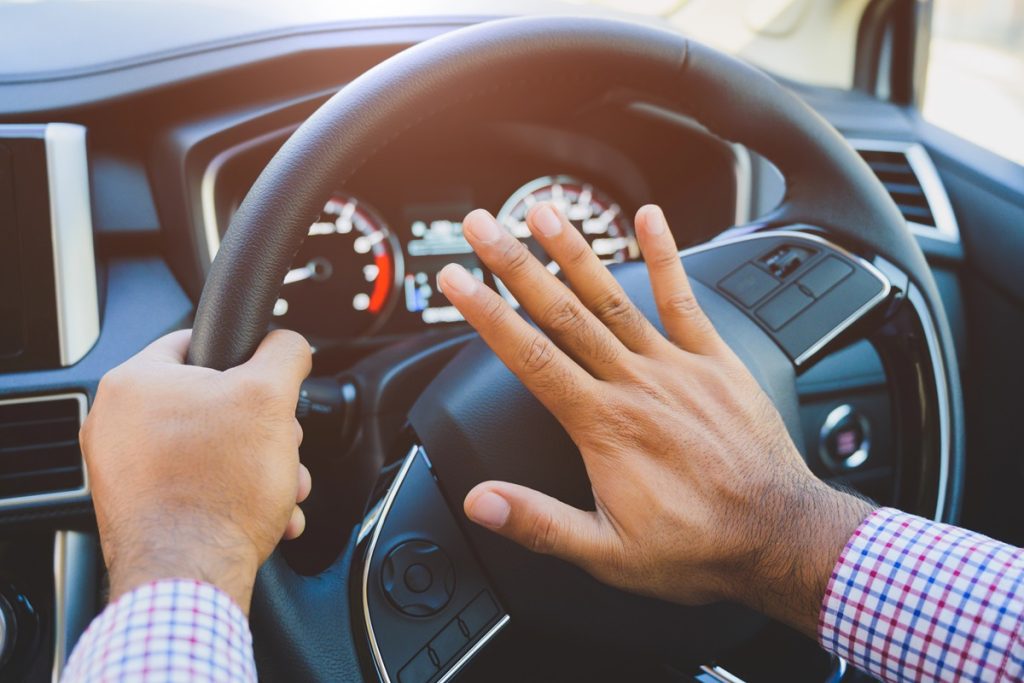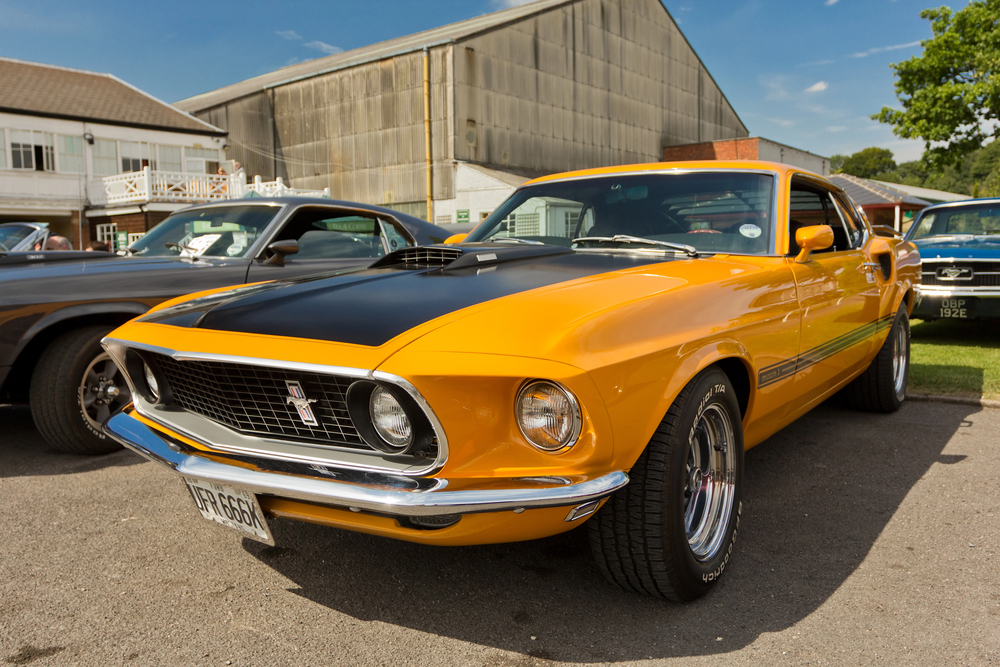
Small changes in how we drive can lead to big benefits for the planet. From the type of fuel you use to how often you accelerate, every move behind the wheel matters more than you think. Many drivers don’t realize that cutting emissions doesn’t always require buying an electric car. Sometimes, just being mindful and strategic about your habits makes a huge difference. Here are 11 easy driving habits that instantly shrink your carbon footprint and make your time on the road more eco-conscious.
Maintain Proper Tire Pressure
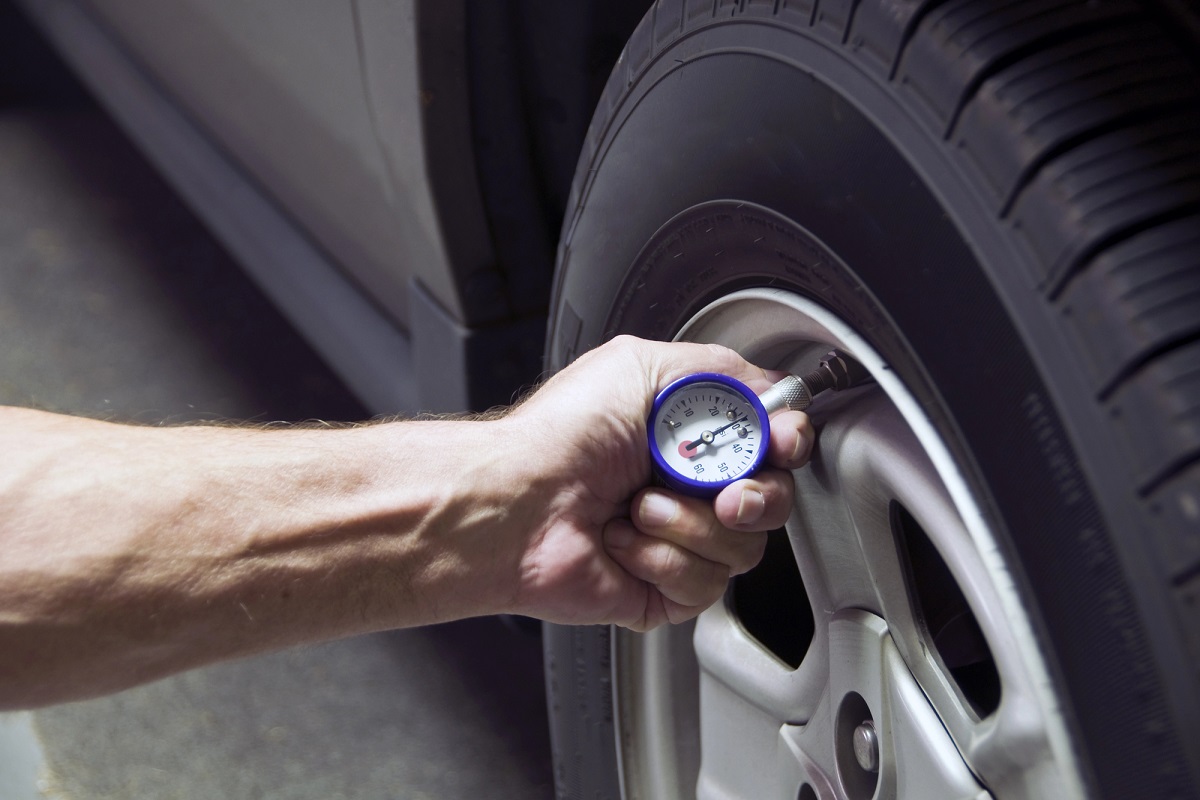
Underinflated tires are one of the most common causes of unnecessary fuel consumption, as they increase resistance between the rubber and the road. Keeping your tires inflated to the recommended PSI ensures optimal traction, better fuel economy, and a smoother ride. It’s a quick and inexpensive way to reduce your emissions and make every gallon count.
Reduce Unnecessary Idling

Idling for extended periods burns fuel without getting you anywhere, releasing pollutants into the air for no reason. Many modern engines are built to restart efficiently, making it more eco-friendly to turn the engine off if you’re waiting longer than a minute. Reducing idle time also lessens wear on your engine and saves money over time.
Use Cruise Control on Highways
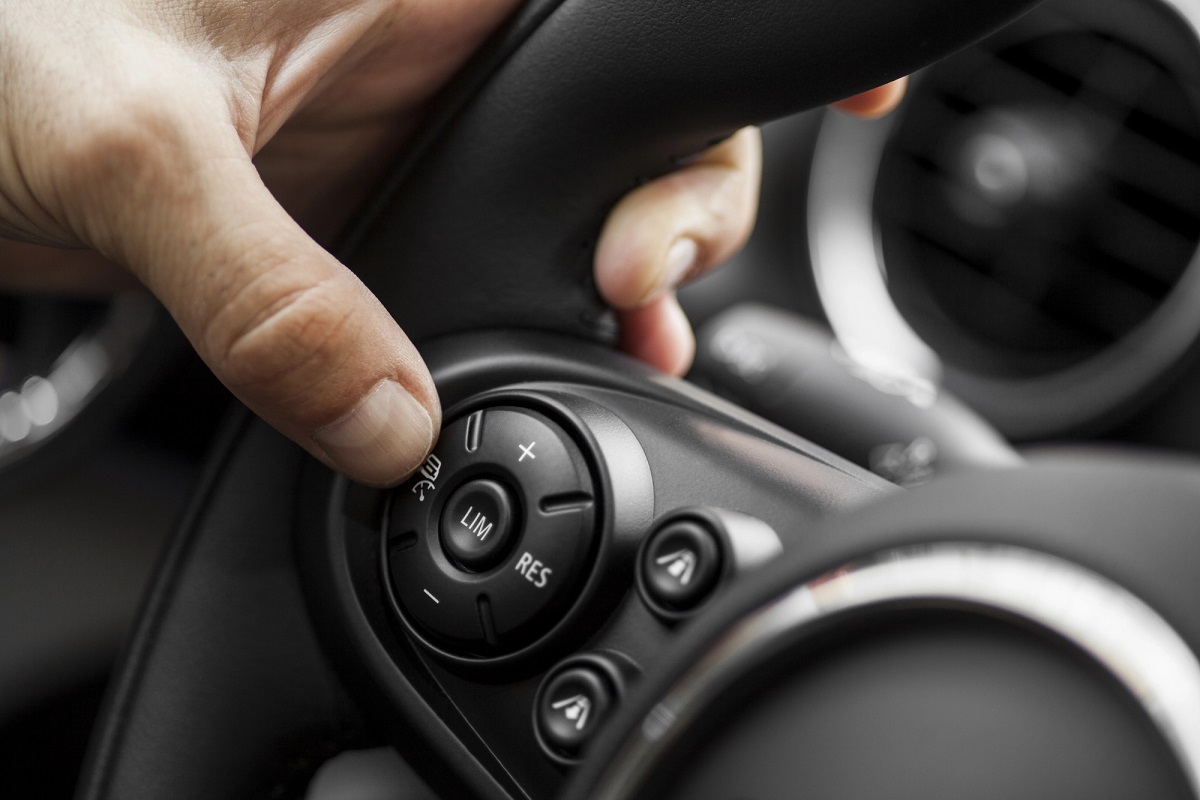
Cruise control minimizes unnecessary acceleration and braking, helping you maintain a consistent speed on longer drives. This reduces fuel usage and improves engine performance, especially on flat and open roads. It’s a stress-free way to drive greener without thinking too hard about it.
Combine Errands into One Trip

Multiple short trips from a cold engine start use significantly more fuel than one longer, well-planned outing. Grouping your errands together ensures your engine stays warm, running more efficiently throughout your journey. This saves time, reduces wear and tear, and shrinks your carbon output.
Related: 10 Cars That Turn Taco Runs Into Road Trip Legends
Use the Right Motor Oil

The oil you choose matters more than most drivers realize; using the wrong viscosity or formula can harm efficiency and performance. Manufacturer-recommended motor oils are optimized for your engine’s needs, reducing friction and improving fuel economy. Over time, this adds up to fewer emissions and a more responsive ride.
Related: 15 Wild First Car Stories That Went Off The Rails
Limit Use of Air Conditioning
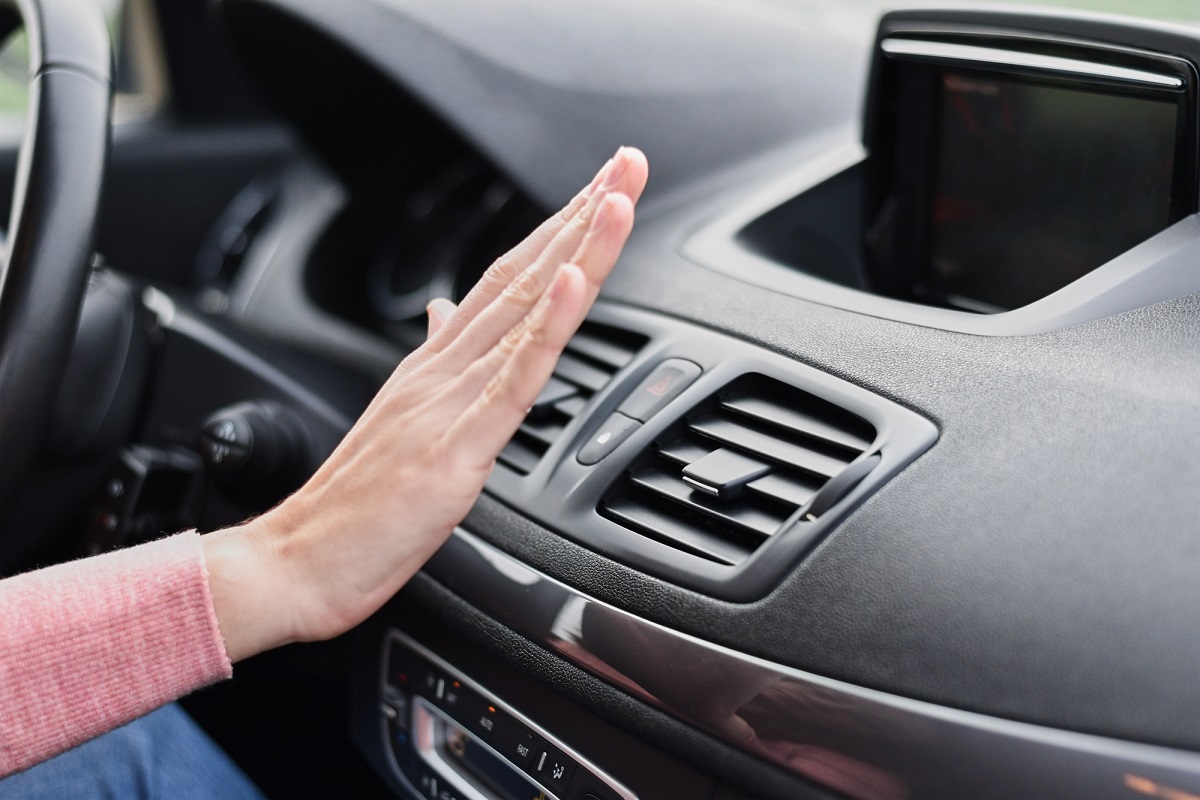
Your vehicle’s air conditioning system puts extra load on the engine, especially when used at full blast during city driving or heavy traffic. This added strain results in higher fuel consumption and increased carbon emissions over time. By using your car’s fan or opening windows when weather permits, you reduce engine load and help your vehicle run more efficiently.
Related: 14 Cat Car Rides That Went Hilariously Wrong
Drive the Speed Limit

Driving at high speeds causes your engine to work harder than necessary, burning more fuel than when traveling at moderate, legal speeds. Most vehicles are engineered to achieve their best fuel economy between 45 and 65 miles per hour. Staying within the speed limit not only ensures safety but also keeps your emissions and fuel expenses in check.
Related: 15 Reasons Skipping A Test Drive Can Cost You Big
Choose Eco-Friendly Routes

Navigation apps now offer eco-route options that consider traffic lights, road grades, and congestion to reduce fuel usage. These routes are often quicker and more efficient than default directions, helping you maintain a steady pace with fewer stops. Choosing a greener route means fewer emissions, less frustration, and often a smoother ride overall.
Related: 15 Signs That Pets Love Road Trips More Than We Do
Limit Use of Remote Start

Remote starting your vehicle might be convenient, especially in extreme weather, but it often leads to excessive idling. Idling for minutes at a time burns fuel and emits pollutants without actually moving the car. If possible, limit use to truly necessary moments or reduce the run time to lower environmental impact.
Related: 10 Reasons Home EV Charging Might Save Your Life Or Wallet
Share Rides or Carpool

Carpooling reduces the number of cars on the road, which in turn cuts down on overall greenhouse gas emissions and traffic congestion. Whether it’s commuting to work or school, every shared trip helps reduce collective fuel consumption. It’s also a money-saver, promotes community, and encourages more mindful travel habits.
Related: 10 Risky Musk Moves That Sent Shockwaves Through The Tesla Community
Use Regenerative Braking if Available
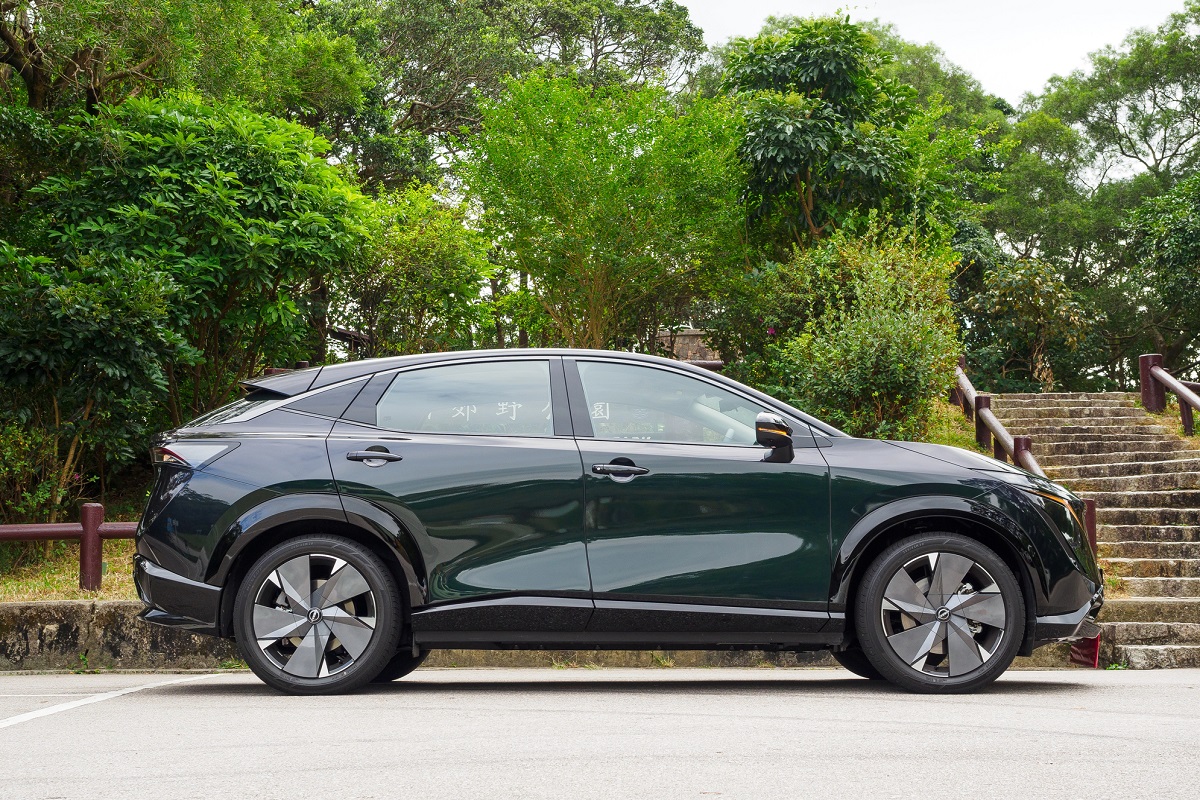
This technology, found in many hybrid and electric vehicles, recaptures energy lost during braking and converts it back into usable power. Instead of wasting energy as heat, regenerative braking stores it in the battery, enhancing the car’s overall efficiency. Over time, this not only boosts your range but also reduces the frequency of plug-in charging or fuel stops.
Related: 14 Cars That Make More Sense to Buy Pre Owned
Making your daily drive more eco-friendly doesn’t require overhauling your entire life or purchasing a new vehicle. Many of these changes are small, quick habits that offer big environmental benefits over time. From reducing idling to carpooling and regular maintenance, each step helps you contribute to cleaner air and a healthier planet.
Disclaimer: This list is solely the author’s opinion based on research and publicly available information.
11 Hidden Impacts Of Your Driving On Tire Wear That Could Cost You Big

Tire wear isn’t just about how far you drive or the type of roads you travel on, it’s deeply influenced by your day-to-day driving habits. Small, repeated actions behind the wheel may be silently reducing the life of your tires without you ever noticing. Many drivers are unaware that these routine behaviors could lead to serious performance issues, safety risks, or costly replacements. By understanding these often-overlooked contributors, you can take simple steps to protect your tires, improve your vehicle’s handling, and avoid avoidable expenses.
Read it here: 11 Hidden Impacts Of Your Driving On Tire Wear That Could Cost You Big
10 Unexpected Advantages Of Driving Manual Cars In 2025
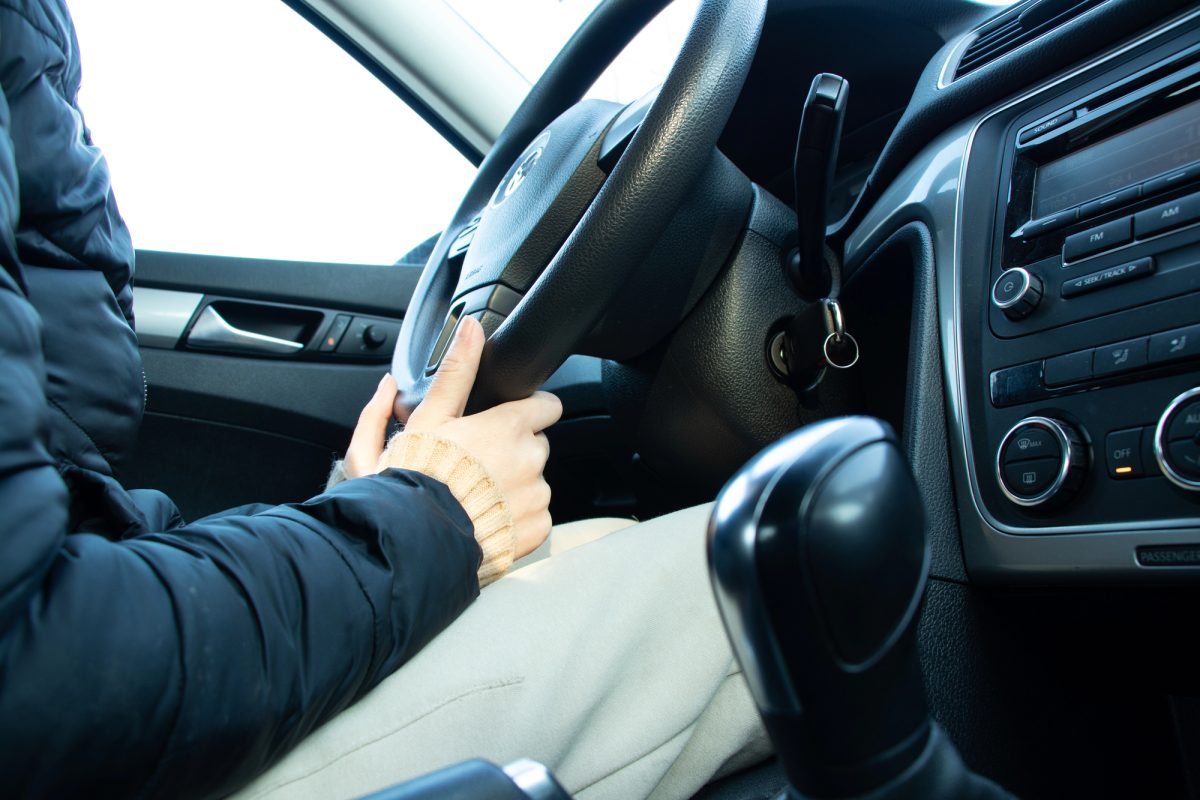
Driving a manual transmission car may seem old-fashioned to some, but in 2025, it’s proving to offer several unique benefits. While automatic transmissions dominate the market, there’s a growing appreciation for the control and efficiency that manuals provide. Beyond fuel savings and performance, driving a stick offers practical and even surprising advantages for modern drivers. From better theft protection to lower maintenance costs, manual cars are holding their own in a tech-forward world.
Read it here: 10 Unexpected Advantages Of Driving Manual Cars In 2025
10 Reasons Gen Z Can Not Get Enough Of The Honda Civic
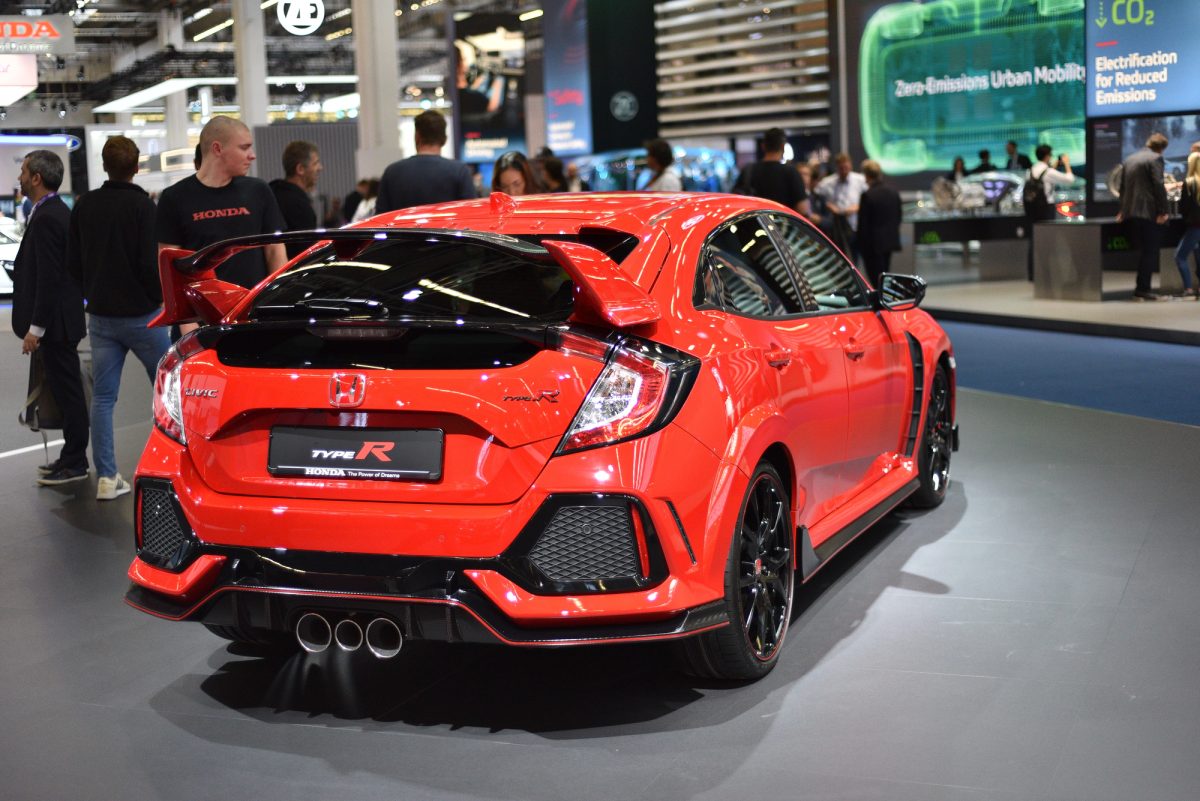
The Honda Civic has become more than just a car to Gen Z, it’s a trusted companion on the road and a stylish symbol of independence. With its blend of reliability, efficiency, and smart tech, the Civic aligns with the values and lifestyle of this forward-thinking generation. Whether for commuting, campus runs, or cross-country adventures, the Civic delivers a driving experience that continues to win young hearts.
Read it here: 10 Reasons Gen Z Can Not Get Enough Of The Honda Civic
You’ll love these related posts:
- 10 Remote Destinations Where You’ll Feel Like You’re On A Star Wars Adventure
- 11 Hidden Ways Car Cameras Are Revolutionizing Road Safety
- 12 Game Changing Car Essentials For Late-Night Adventures
- 12 Night Driving Tips You’ll Wish You Knew Before Your Scenic Escape
- 12 Road Trips That Take You Where The Stars Still Shine