As drivers, we often focus on speed, fuel, and traffic, but there’s another silent consequence riding alongside us: the impact our habits have on wildlife. From forests to fields, animals live closer to our roads than many of us realize, and our driving decisions can mean survival or tragedy for them. It’s not just about avoiding deer on highways; it’s about the smaller, invisible lives our vehicles affect every day. These 10 habits aren’t just good for animals, they’re good for preserving the planet we all share.
Watch for Animal Crossing Signs
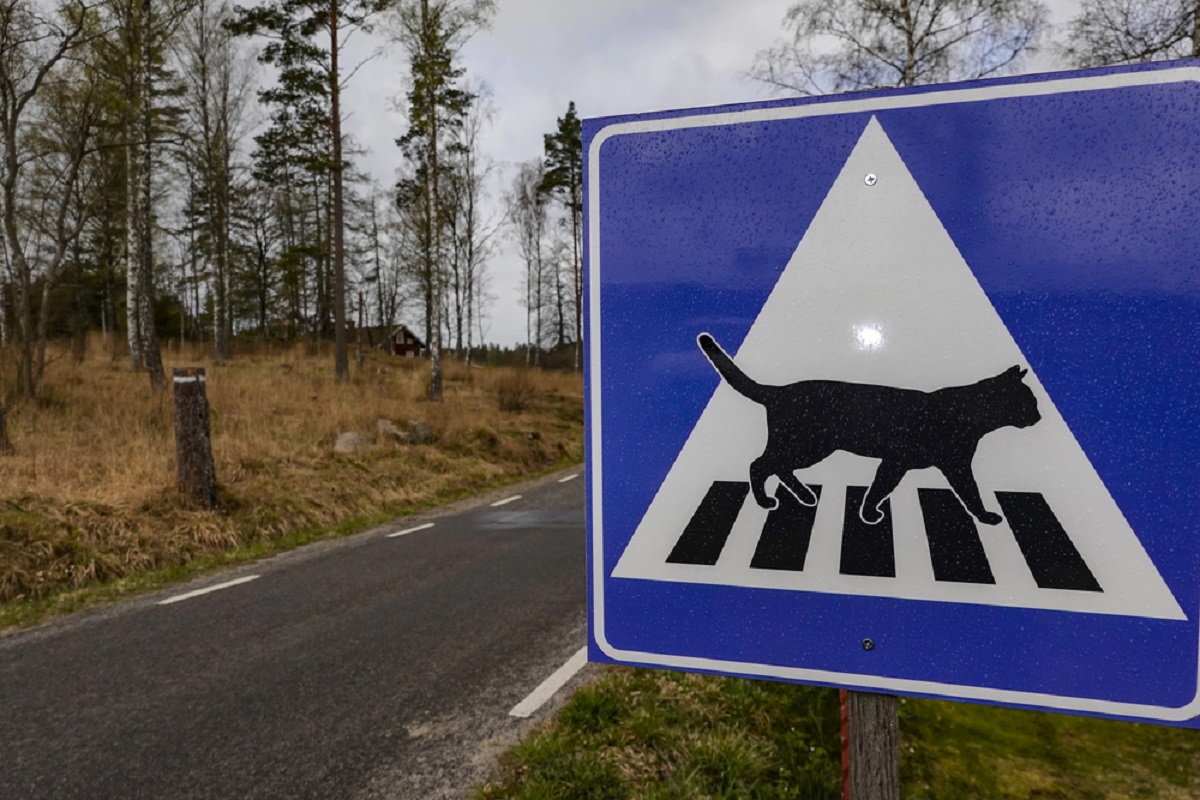
These signs are not placed randomly, they are based on historical data showing where animals frequently cross. Ignoring them means ignoring a proven risk area, which often results in preventable accidents involving deer, moose, or smaller mammals. By simply reducing speed and staying alert in these zones, you improve reaction time and give wildlife a fighting chance.
Avoid Distractions Behind the Wheel

Distracted driving is one of the biggest threats to wildlife, especially on quiet or scenic routes where animals appear suddenly. Whether it’s texting, eating, or fiddling with your GPS, taking your eyes off the road even for a few seconds can be deadly. Staying focused helps you spot movement along the shoulder or in peripheral areas before it’s too late.
Scan Road Edges, Especially at Dusk and Dawn
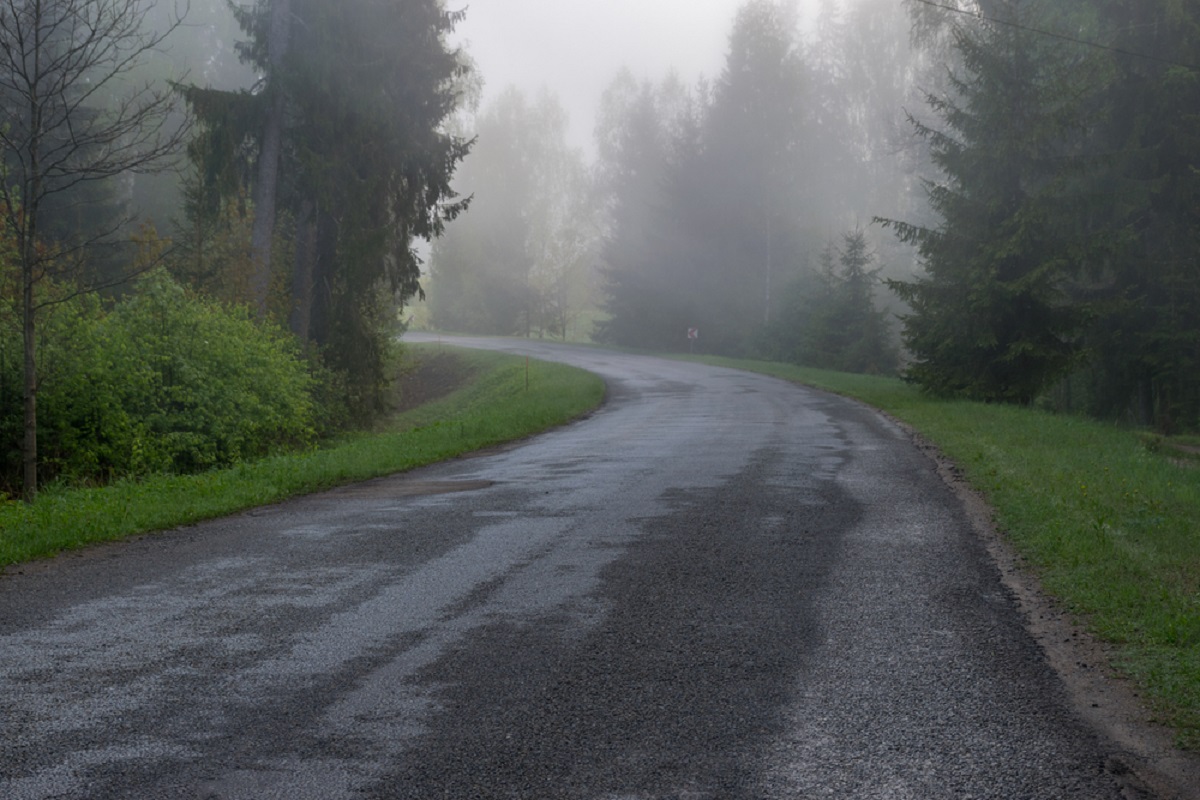
Twilight hours are prime time for animal activity, particularly for deer, raccoons, and foxes who feel safer moving in low light. Scanning the shoulders and grassy edges of roads can give you an early warning of approaching animals. Training your eyes beyond the pavement isn’t just safer, it’s a smart habit every mindful driver should adopt.
Honk Sparingly When Animals Are Near
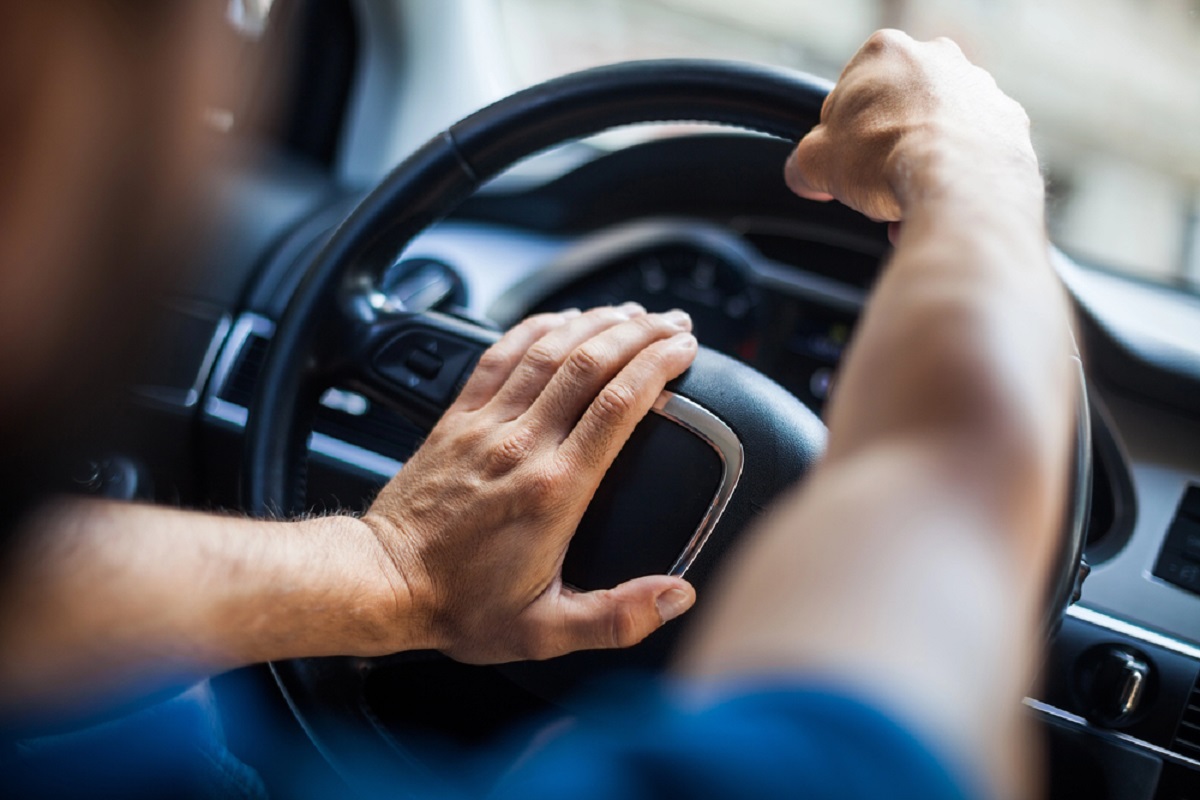
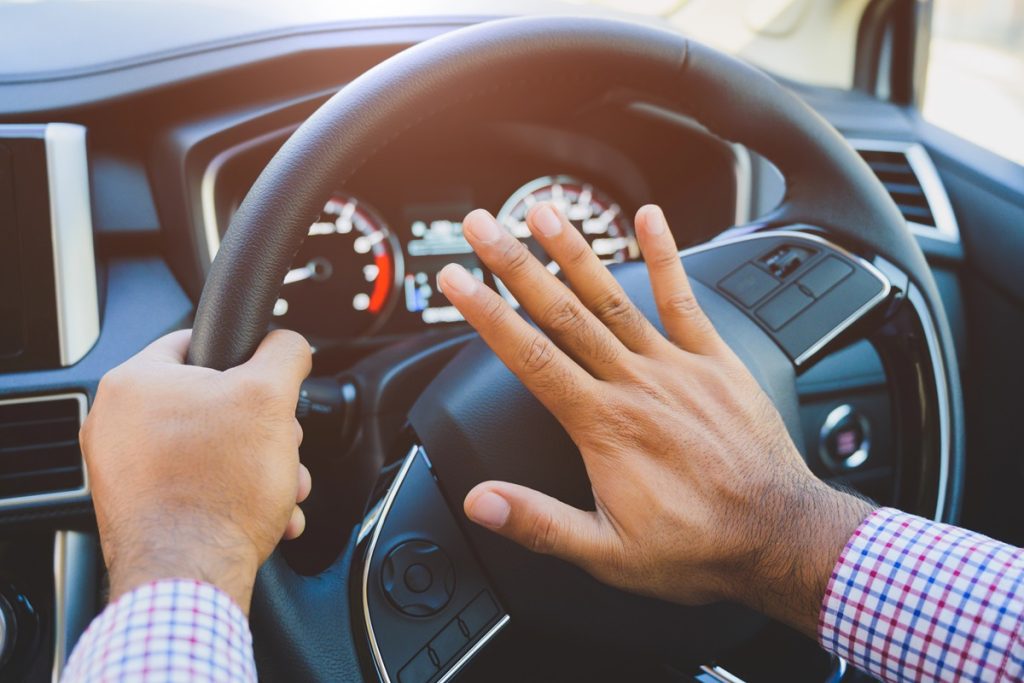
While honking might seem like the best way to shoo away an animal, it can sometimes startle them into dangerous behavior. Loud noises often confuse or frighten creatures, making them freeze or bolt in unpredictable directions. A gentle tap of the horn may be effective if used cautiously, but your first response should be to slow down and give them space.
Related: 13 Ways High Insurance Costs Are Quietly Reshaping The Future Of Car Ownership
Never Swerve Wildly to Avoid Animals
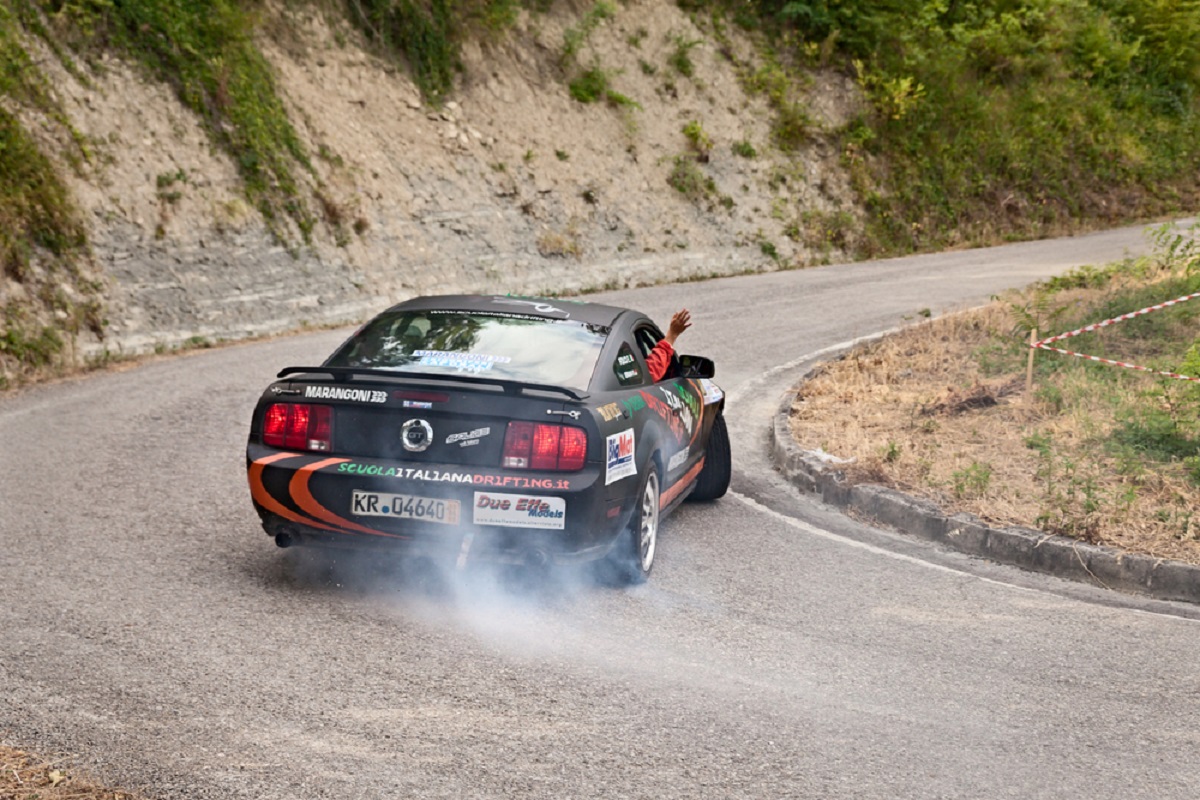
Your instincts may tell you to swerve, but that decision can result in a more serious accident involving trees, ditches, or other vehicles. The safest response is to brake firmly and maintain your lane unless you are sure it is safe to maneuver. Saving your life and avoiding harm to others is just as important as protecting wildlife.
Related: 13 Wildest Vehicle Conversions From Around The Globe
Avoid Littering—it Attracts Wildlife
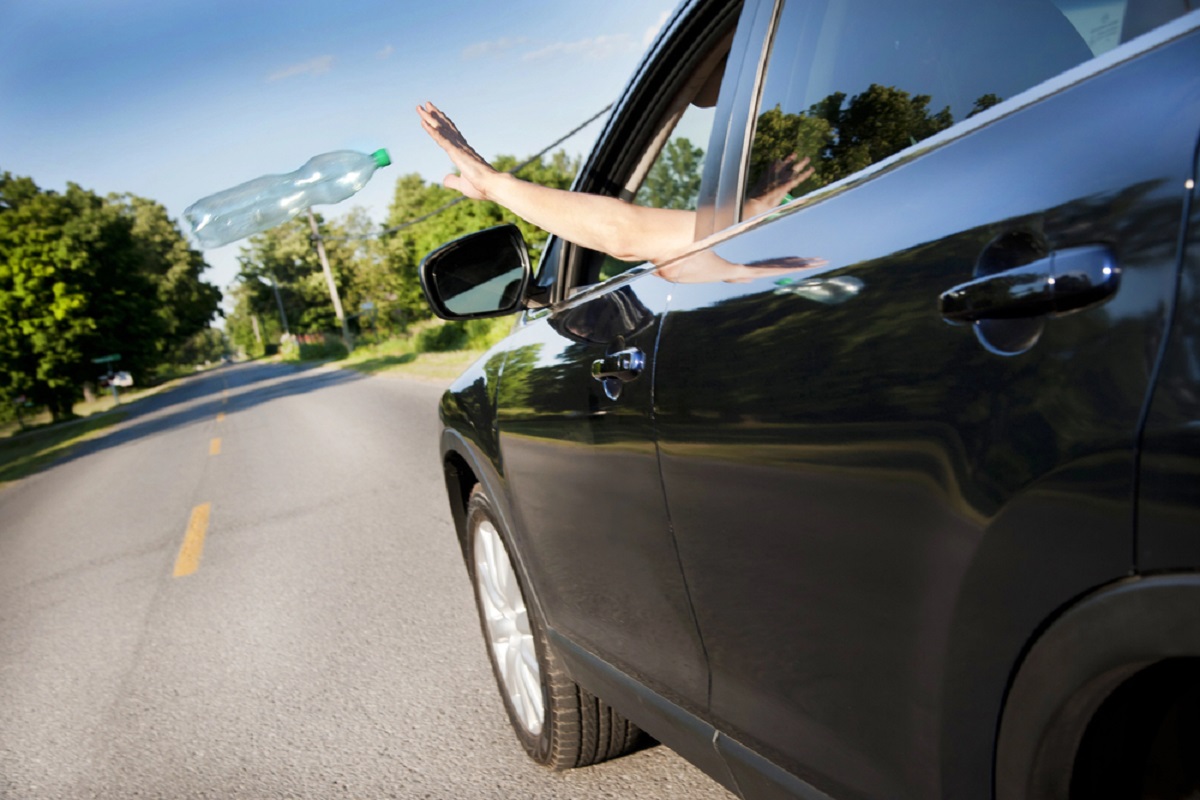
Throwing food or trash from your vehicle may seem harmless, but it creates dangerous situations by luring animals to the roadside. Over time, animals learn to associate vehicles with food, making them more likely to cross roads or linger in traffic zones. Keeping your waste inside your vehicle and disposing of it properly is a simple but powerful act of protection.
Related: 11 Copycat Cars That Look Like The Real Deal But Cost Way Less
Check Under Your Car Before Starting in Cold Weather
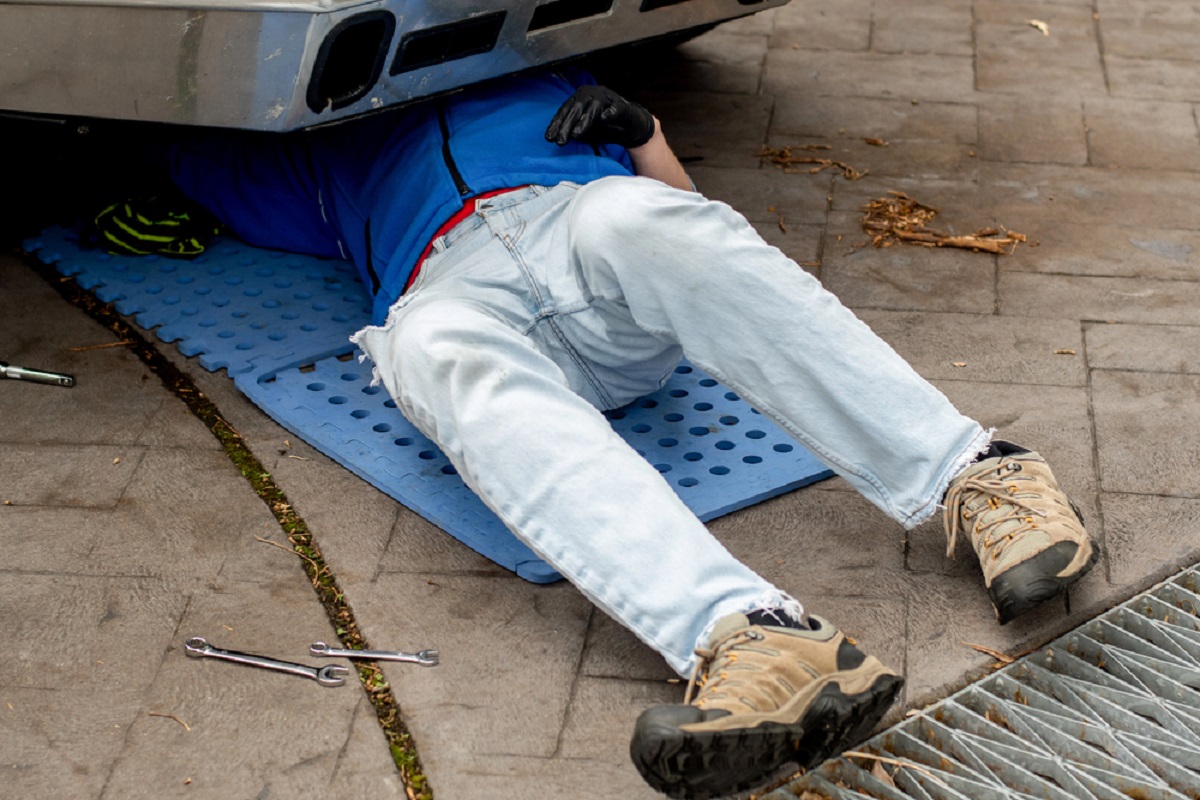
During colder months, animals like cats, squirrels, and possums seek warmth by curling up under the hood or near tires. A quick check or a few knocks on the hood can alert them before you start your engine, potentially saving their lives. It’s a tiny gesture that demonstrates empathy and environmental awareness with every start.
Related: 12 Jaw Dropping Vintage Caravans You’ll Wish You Owned
Drive Quietly Through Nature Reserves or Parks
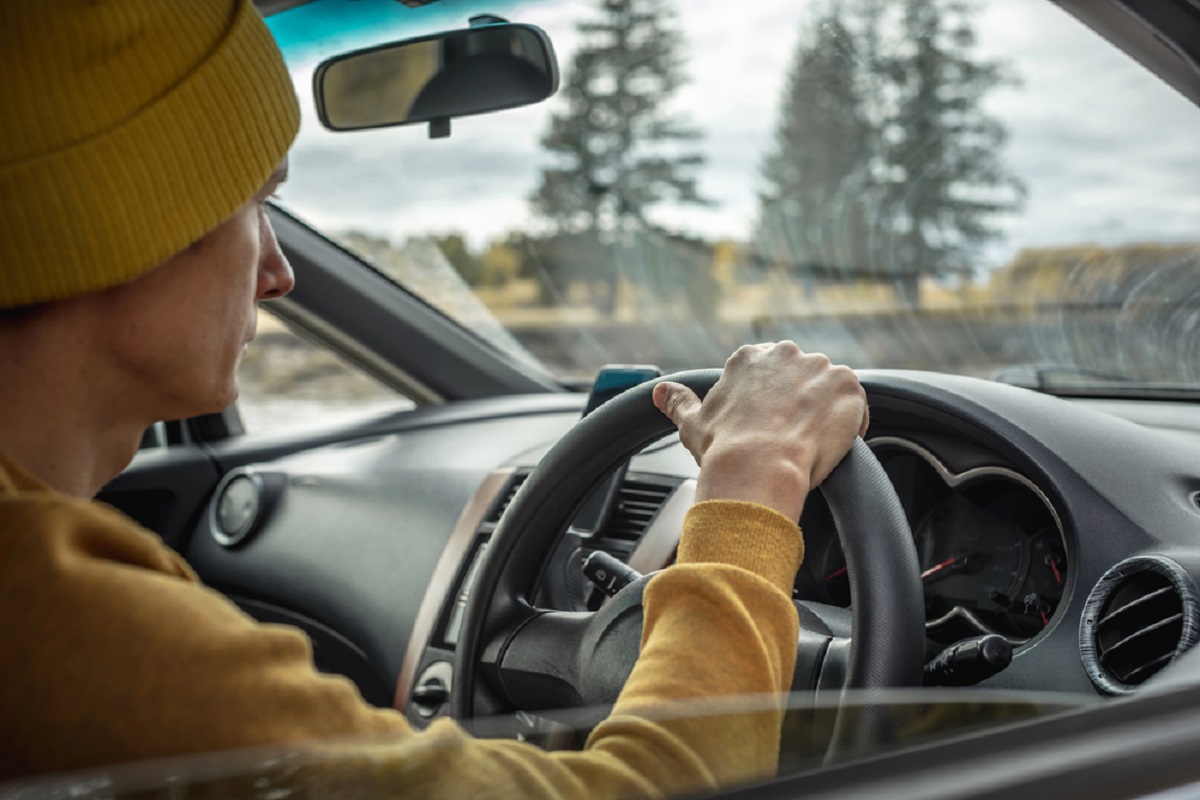
Noise pollution from loud engines, music, or honking can disrupt the peace of ecosystems, scaring away birds, deer, and other sensitive animals. Keeping your volume low and driving gently helps preserve the natural balance of these habitats. It also makes your own experience more serene and in tune with the natural world.
Related: 12 Insane Details About the Jet-Powered Volkswagon Camper Van That You Won’t Believe
Respect Wildlife Corridors and Underpasses
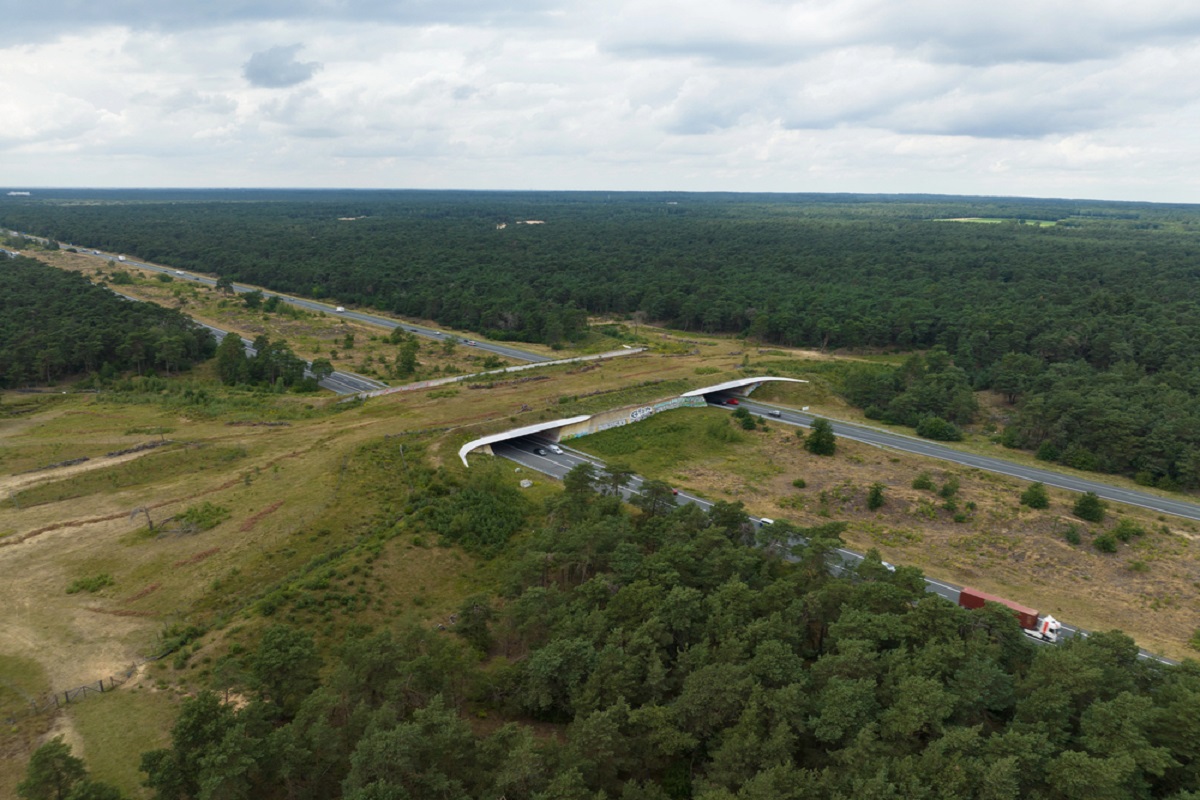
These structures are engineered to let animals cross roads safely without encountering vehicles. Blocking them, even temporarily, can disrupt migration paths, endanger animals, and undo years of conservation effort. By being aware of and respecting these crossings, you help maintain the lifelines that many species depend on for survival.
Related: 11 Must-Visit Destinations In Europe For Every Petrolhead
Report Injured Wildlife if You Can Do So Safely
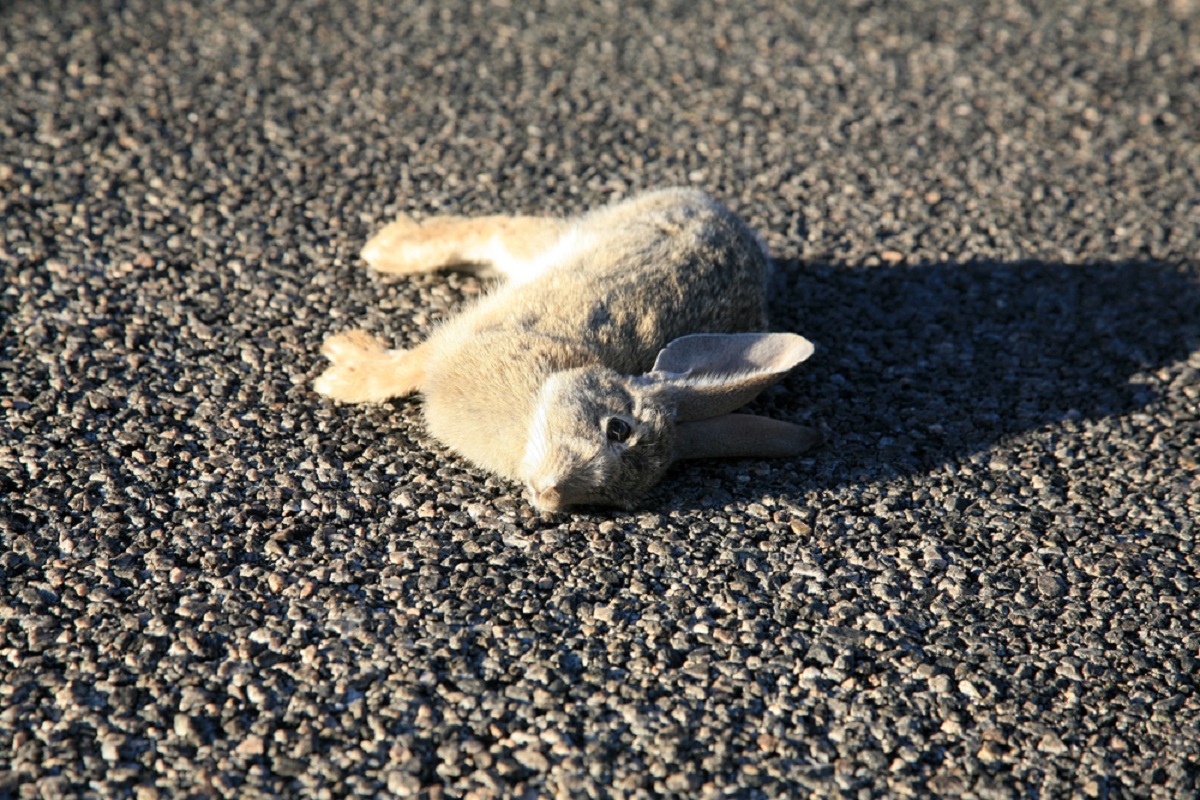
Coming across an injured animal can be heartbreaking, but reporting it quickly to local authorities or wildlife organizations can help save its life. Avoid handling the animal unless advised to, and provide clear information about its location and condition. Every call can make the difference between suffering and rescue.
Related: 13 Insane Cars Owned by America’s Biggest Music Stars
Wildlife doesn’t understand our roads, our schedules, or our speed limits, but we can understand theirs. By adjusting how we drive and becoming more alert to the world around us, we make roads safer not only for ourselves but for the voiceless animals sharing our environment. Each habit we build sends a ripple of care through the ecosystem, showing that progress and compassion can ride side by side.
Disclaimer: This list is solely the author’s opinion based on research and publicly available information.
11 Driving Habits That Are Slowly Destroying Your Car

Your car is one of your most valuable assets, but many drivers unknowingly engage in habits that cause premature wear and costly repairs. From aggressive acceleration to neglecting routine maintenance, small mistakes can lead to major mechanical failures over time. Avoiding these bad habits can significantly extend your vehicle’s lifespan and improve overall performance. Here are 11 common driving habits that are slowly destroying your car.
Read it here: 11 Driving Habits That Are Slowly Destroying Your Car
10 Spring Driving Skills Most US Drivers Still Get Wrong
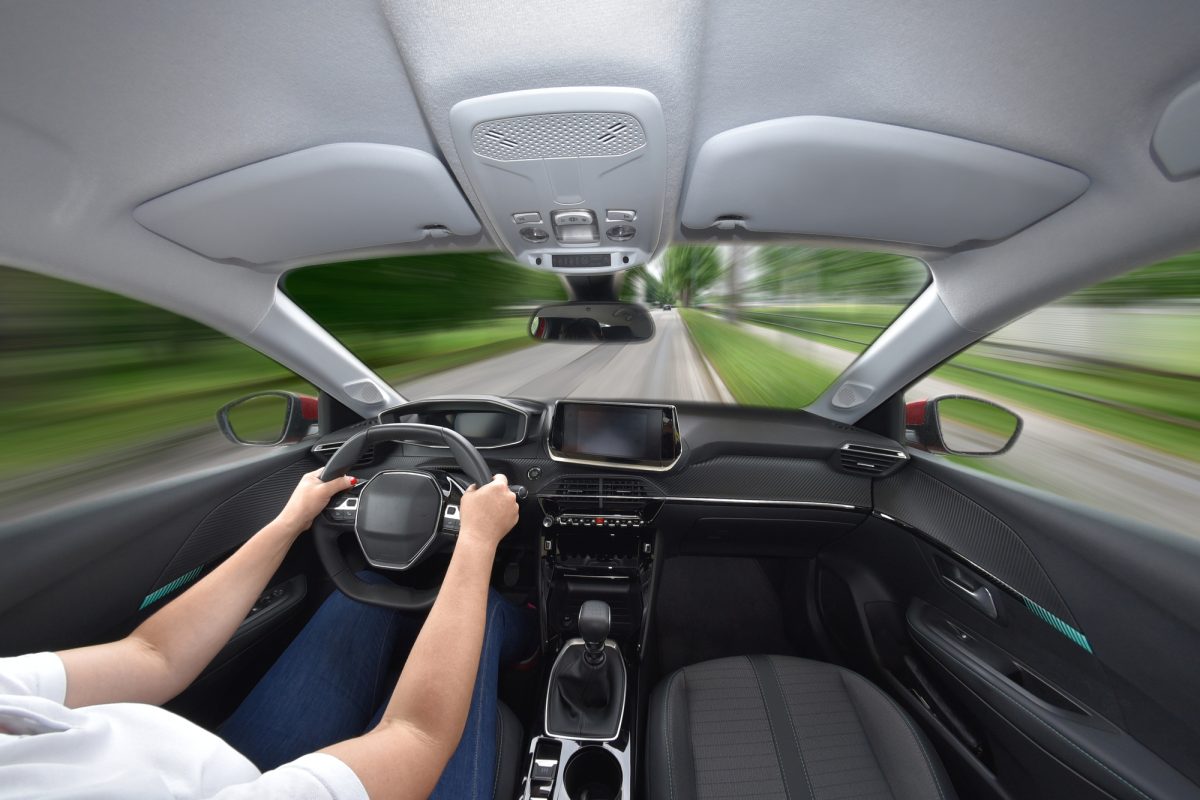
As winter fades and warmer weather returns, many drivers assume the roads are automatically safer. But spring introduces its own set of challenges, ranging from wet roads and potholes to increased pedestrian and cyclist activity. Unfortunately, too many drivers don’t adjust their habits accordingly, leading to avoidable accidents and costly mistakes. Mastering spring driving requires attention to subtle seasonal changes and a willingness to unlearn bad habits. Here are the top driving skills most U.S. drivers still overlook when the season shifts to spring.
Read it here: 10 Spring Driving Skills Most US Drivers Still Get Wrong
11 Things No One Tells You About Sleek Amphibious Cars

Sleek amphibious cars capture the imagination like few other vehicles, promising seamless transition between land and water with futuristic flair. While they appear to blend two worlds perfectly, the truth behind their operation is layered with complexities. From engineering compromises to regulatory hurdles, there’s a lot more to these hybrid machines than meets the eye. Despite their appeal, ownership and operation involve unexpected costs, limits, and responsibilities.
Read it here: 11 Things No One Tells You About Sleek Amphibious Cars
You’ll love these related posts:
- 14 Mind-Blowing Bugatti Performance Facts That Will Leave You Stunned
- 13 Shockingly Profitable Cars That Barely Depreciate
- 12 Drop-Dead Gorgeous ‘50s Convertibles Everyone Wishes They Owned
- 11 Real-Life Versions of Disney Pixar Cars That’ll Blow Your Mind
- 12 Ultimate Drift Machines That’ll Make You Feel Like A Pro Racer