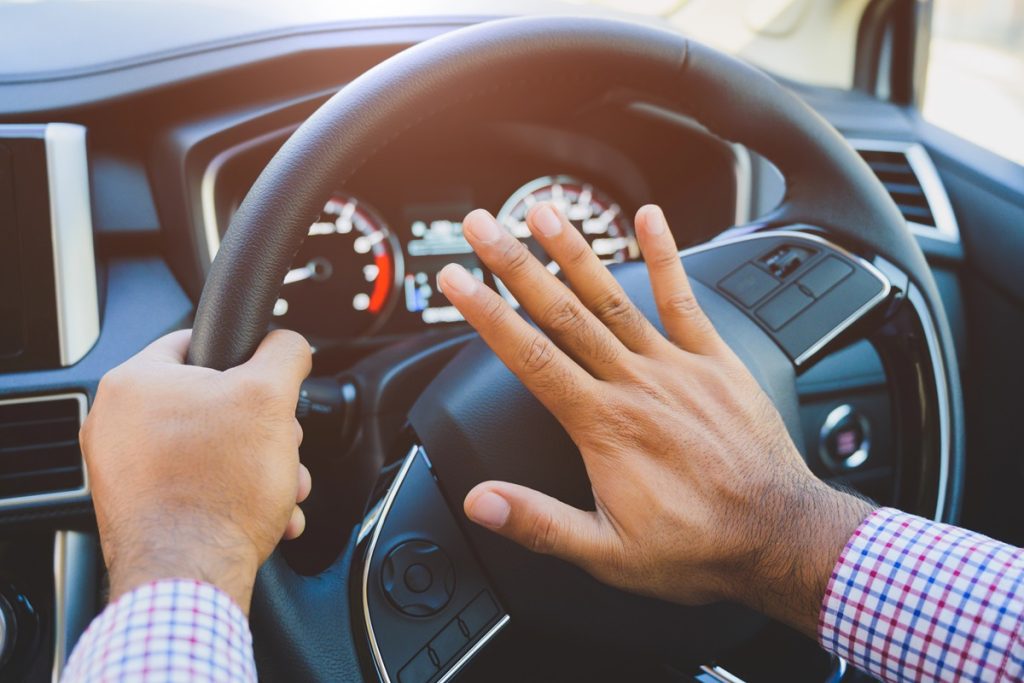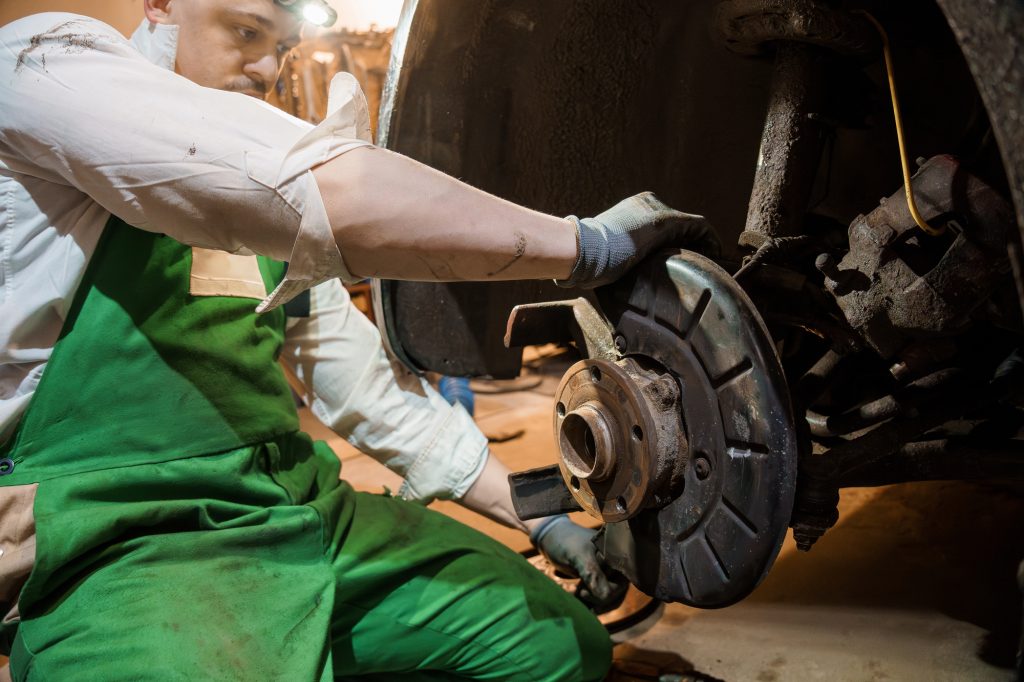
Your vehicle’s brakes are one of the most critical systems keeping you safe, yet many drivers don’t notice the warning signs until it’s too late. Brake pads and rotors endure immense pressure every time you stop, and they quietly wear down over time. Ignoring subtle changes in sound, feel, or performance can turn a minor repair into a dangerous situation or an expensive fix. Knowing what to look for helps you catch issues early, preserve stopping power, and avoid serious safety risks on the road.
Vibrations or Pulsations
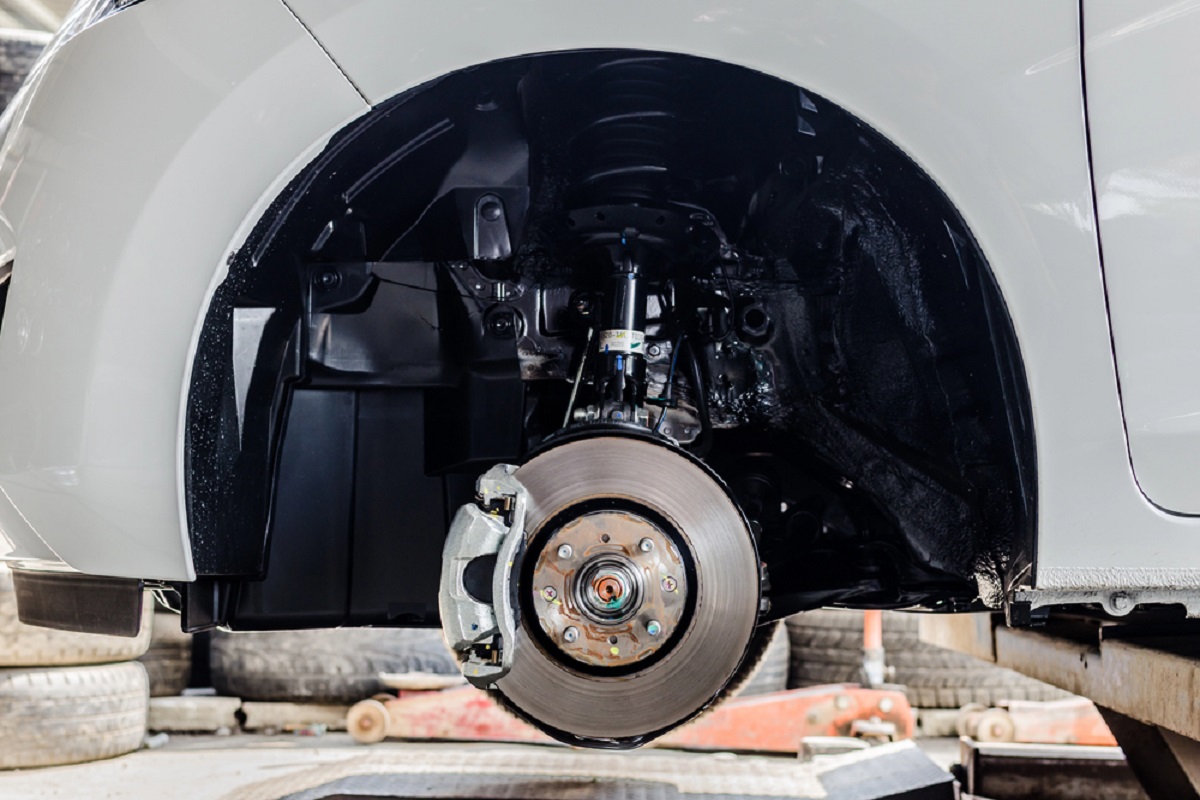
If you feel a vibrating or pulsating sensation when you press the brake pedal, your brake rotors are likely warped or uneven. This usually happens after long periods of high-speed braking or from overheating due to worn-out pads. The shaking may start subtly but worsen quickly, reducing your car’s braking efficiency and overall stability.
Soft or Spongy Brake Pedal
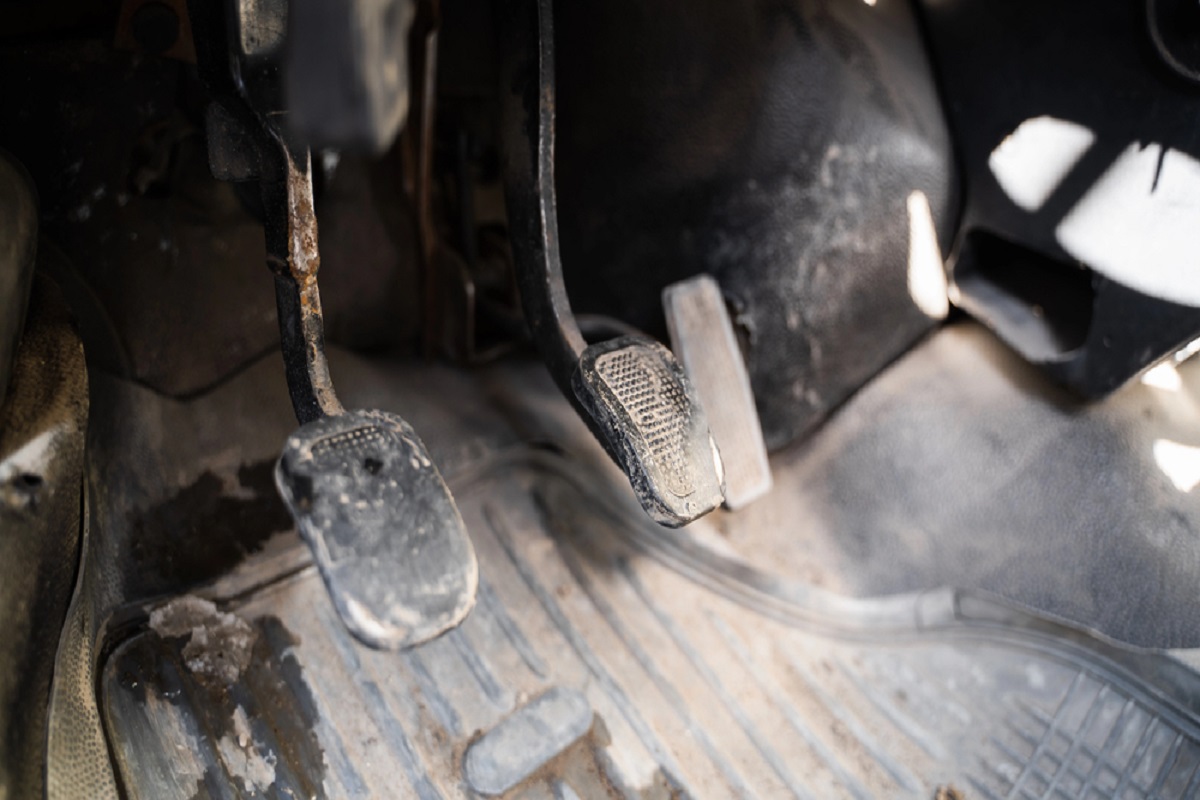
A soft, spongy brake pedal means there may be air or moisture trapped in your brake lines, or your brake fluid is contaminated. It can also point to a leak somewhere in the system, such as in the master cylinder or calipers. The result is reduced hydraulic pressure, which increases your stopping distance and puts you at risk on the road.
Longer Stopping Distances
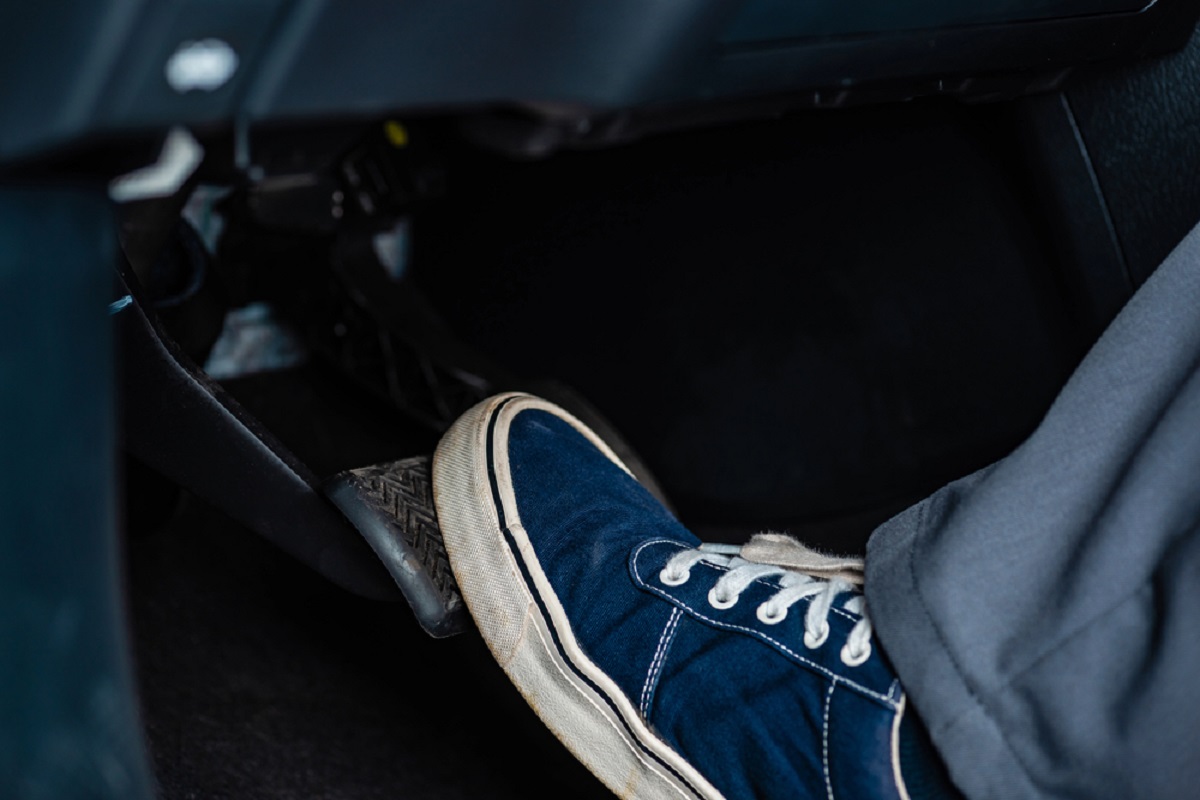
When your car doesn’t stop as quickly as it used to, even with firm pedal pressure, it’s a serious warning sign. This could mean your brake pads are extremely worn, your fluid is low, or your rotors are glazed. Either way, delayed braking response makes emergency stops dangerous and raises the chances of collisions.
Brake Warning Light
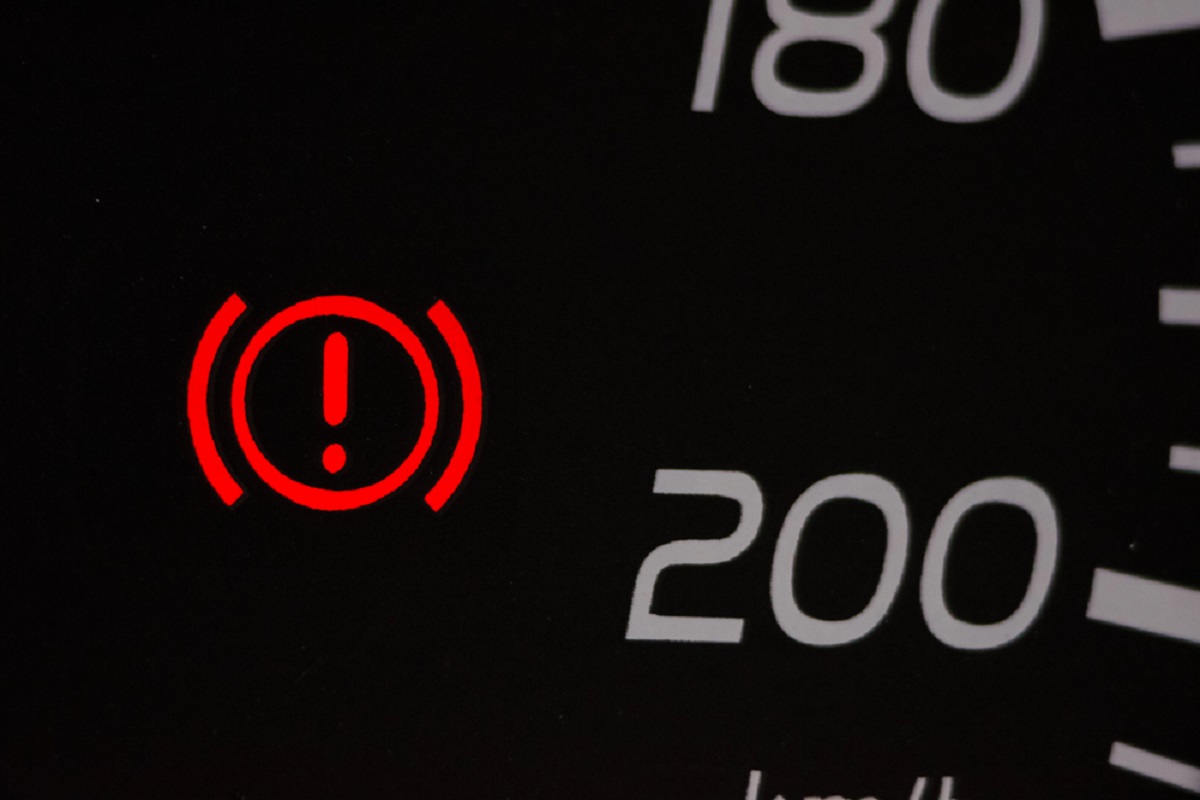
Your brake warning light coming on indicates the system has detected something wrong, such as low brake fluid or worn pads. On newer vehicles, this is often triggered by sensors embedded in the brake system itself. Treat this light as a serious alert, it’s your vehicle’s way of asking for maintenance before something critical fails.
Related: The Best Spring Deals You Can’t Afford To Miss With Dropping Car Prices
A Burning Smell While Driving
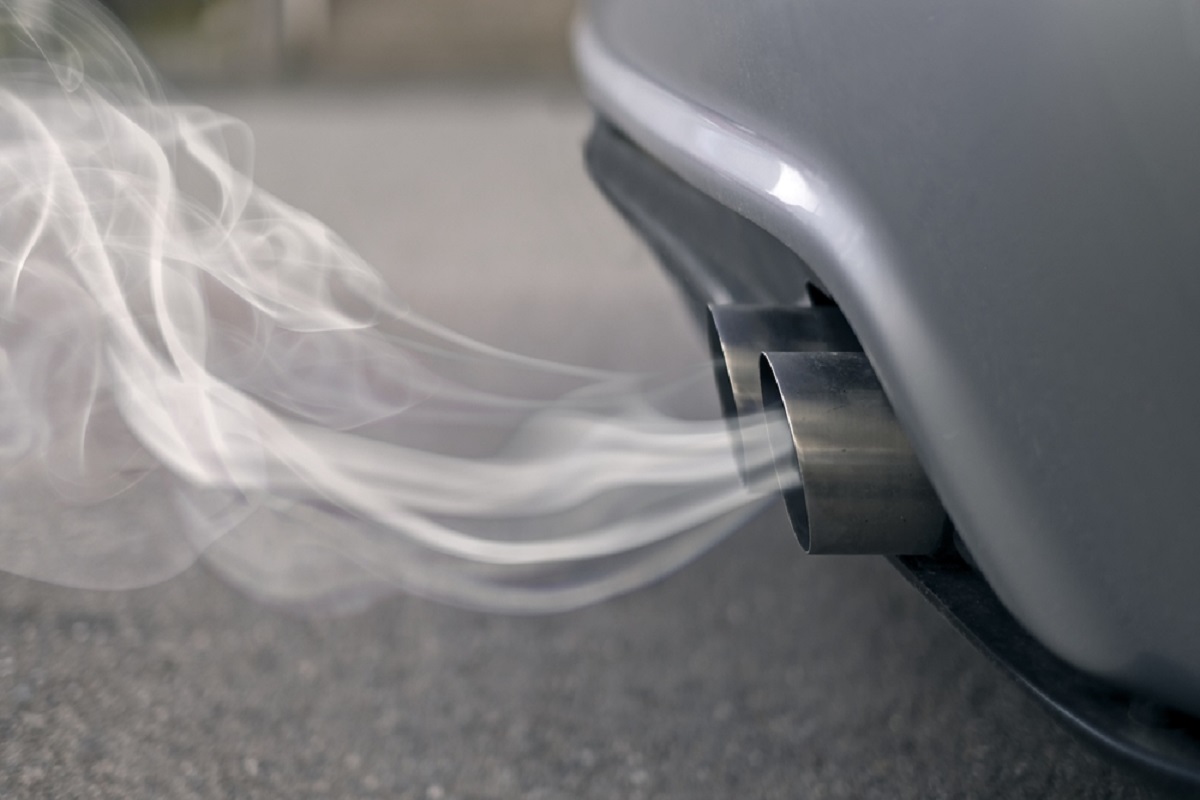
That acrid, burning odor you notice after braking hard is usually a sign your brakes are overheating. It might happen if a caliper is stuck, causing one wheel to drag, or if you’ve been riding your brakes downhill. Ignoring the smell can lead to permanent damage to brake components and even the risk of fire in extreme cases.
Related: Skipping This Post Winter Car Checkup Could Cost You Thousands
The Car Pulls to One Side

If your car veers to the left or right when braking, one side of your brakes may be applying more pressure than the other. This is often caused by uneven pad wear, a stuck caliper, or an issue with your brake hoses. The pulling makes your steering unstable and can throw your car off course during sudden stops.
Related: Truckers Swear These Are The Best GPS Systems In 2025
Visible Pad Thickness Less Than 1/4 Inch
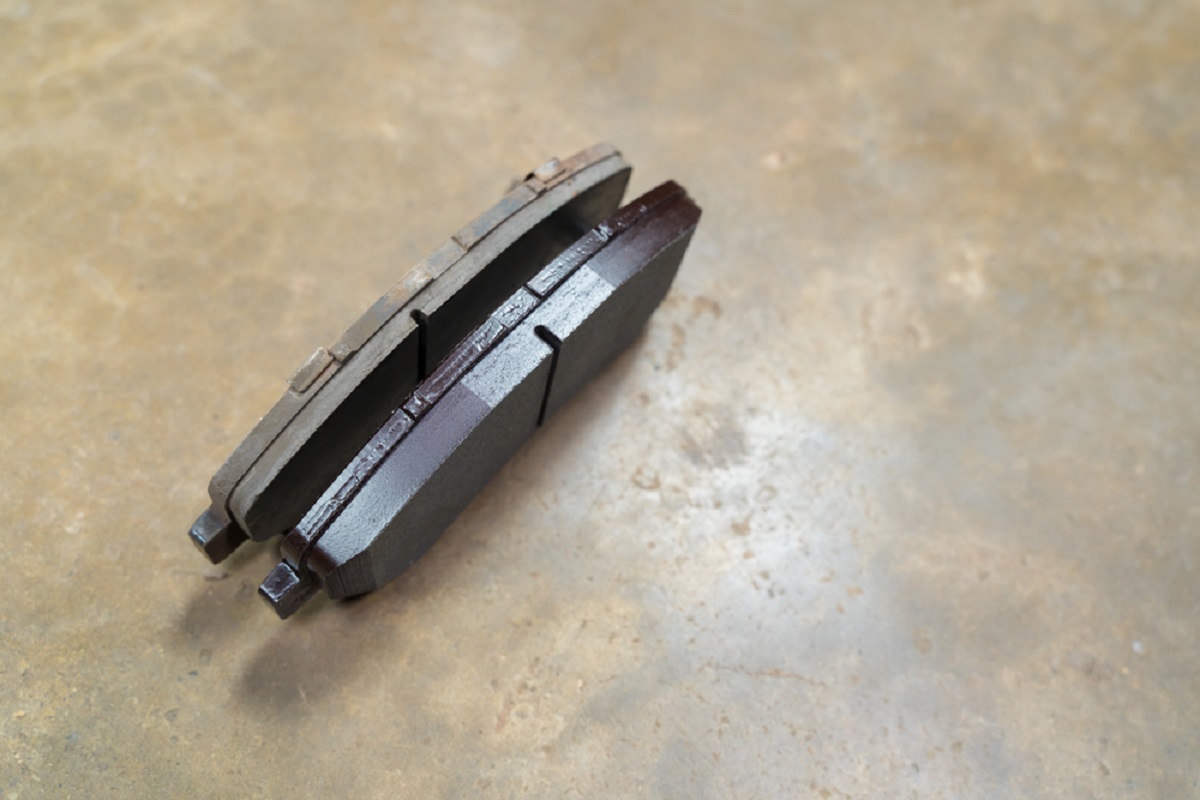
Looking through your wheel spokes, if you can barely see the brake pads or they look thinner than a pencil, it’s time to replace them. Pads thinner than 1/4 inch can’t provide proper friction, especially under heavy braking. Continuing to drive with thin pads also increases the risk of rotor damage and full brake failure.
Related: How Truckers Can Manage Their Money And Keep More Cash In Their Pocket
Scoring or Grooves on Rotors
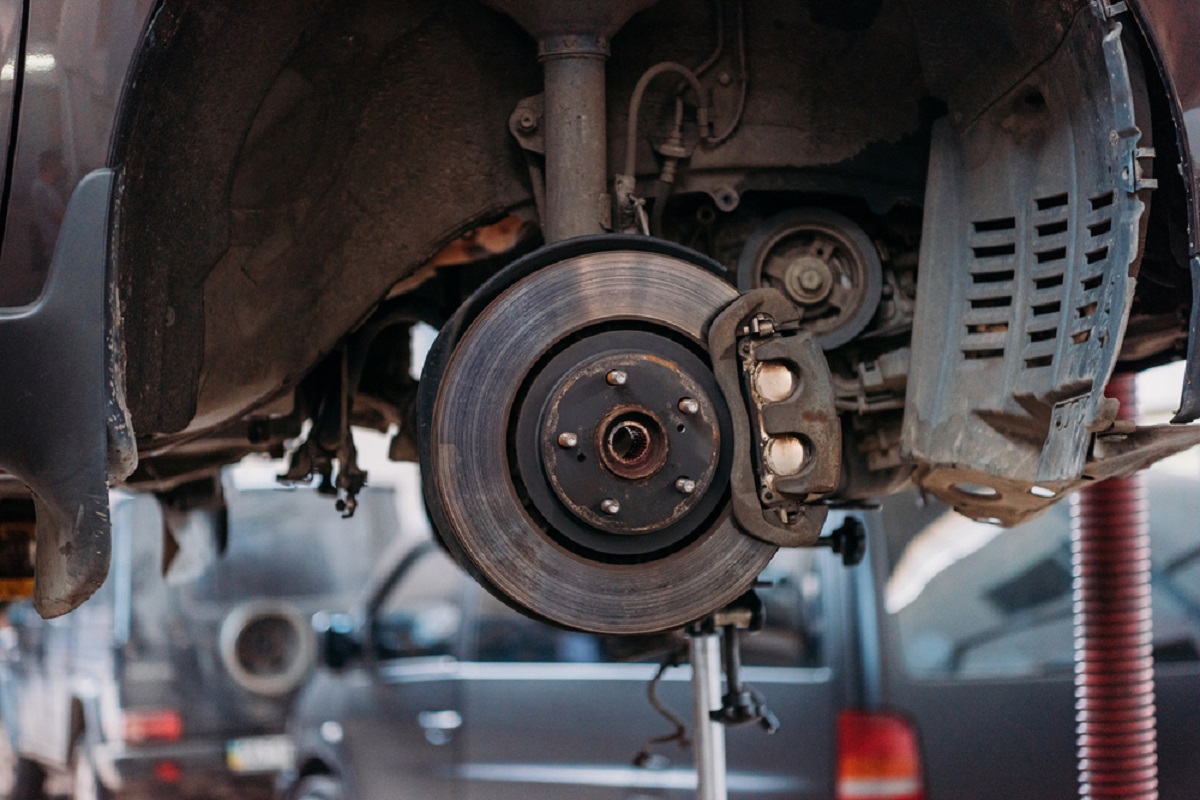
Deep grooves, lines, or rough surfaces on your rotors show that your brake pads have worn out, and metal is now scraping metal. These grooves reduce the contact area needed for smooth, strong braking and lead to vibration or uneven stops. In most cases, these rotors must be resurfaced or replaced entirely.
Related: Make Your Truck Feel Like Home With These 12 Game Changing Hacks
Clicking or Rattling Sounds
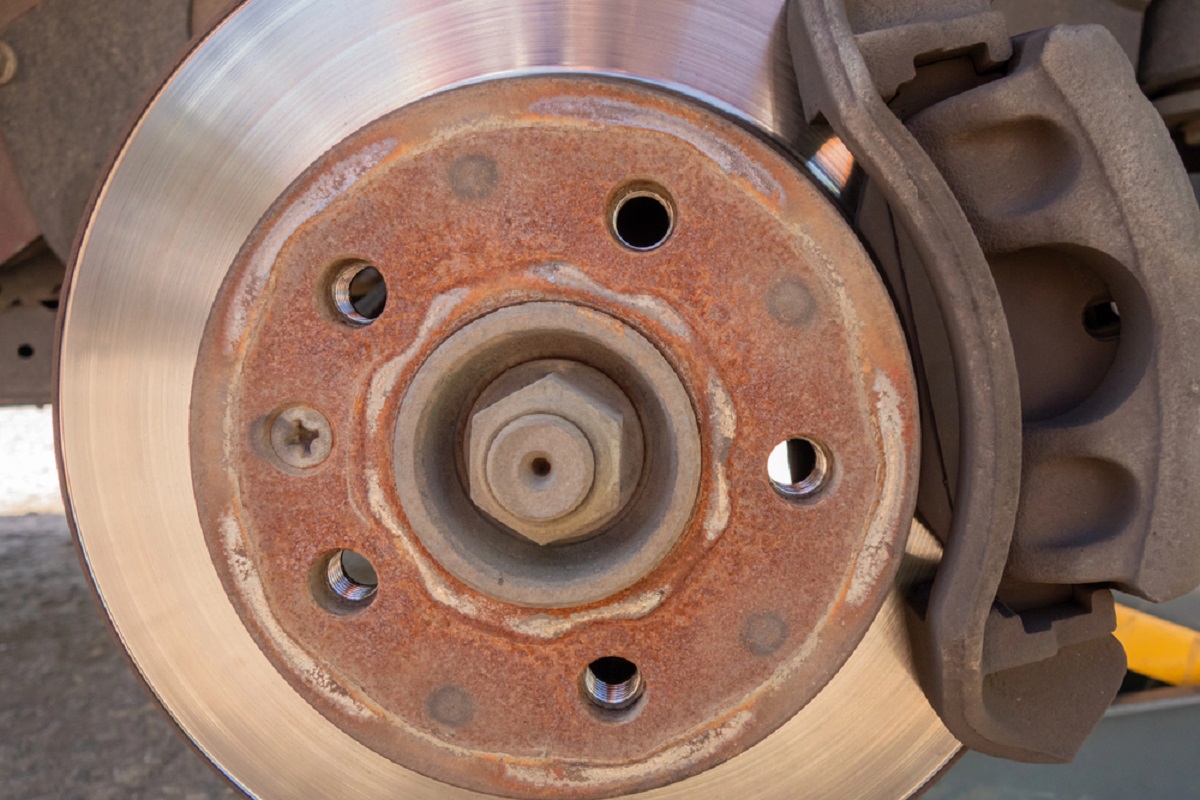
Clicking noises during braking can mean the pads are loose inside the caliper or that worn hardware is allowing movement. This sound may be especially noticeable when braking in reverse or during slow stops. Leaving it unchecked can allow excessive movement and uneven pad wear, shortening the lifespan of your braking system.
Related: Women In Trucking Are Breaking Stereotypes And Changing The Industry
Brake Pedal Feels Hard
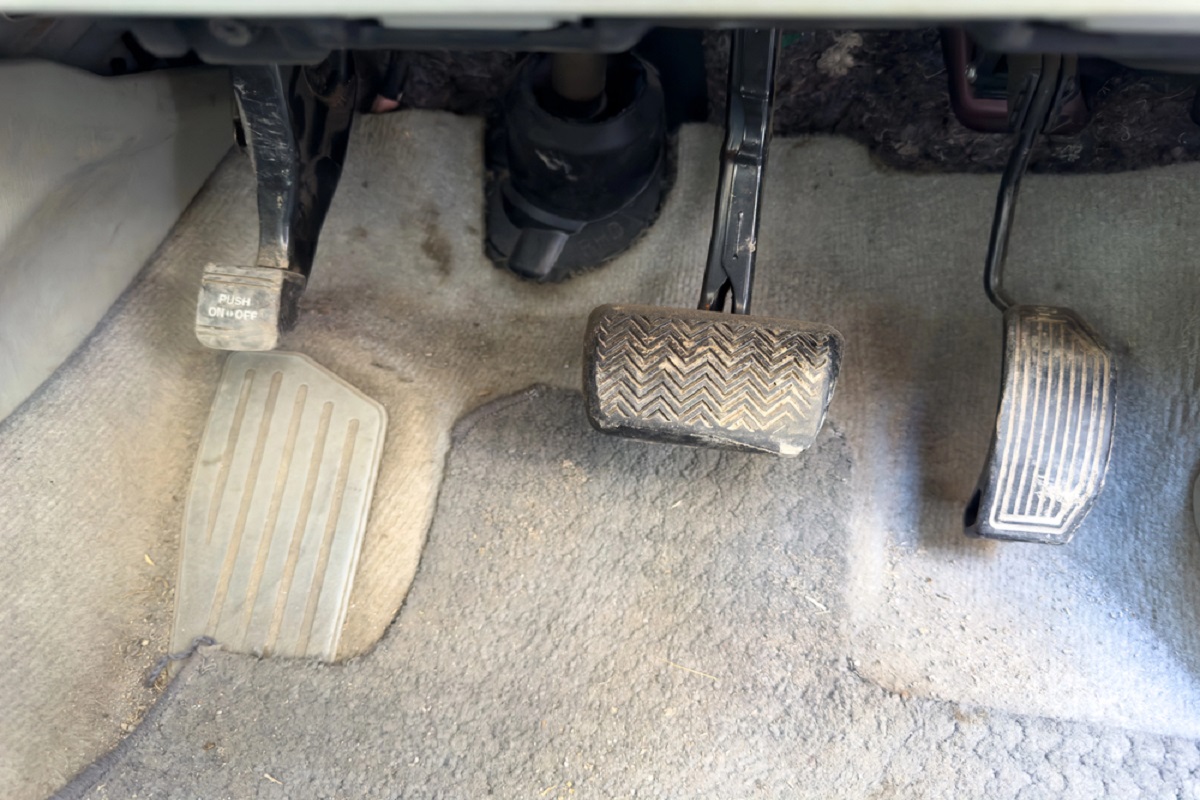
If your brake pedal feels unusually hard and stiff, it could be a sign that your brake booster is failing or there’s a vacuum leak. This component amplifies your foot pressure, so without it, stopping the car takes more effort. In emergencies, a hard pedal can prevent you from braking quickly enough to avoid a collision.
Related: These 15 Deadly Roadside Dangers Put Truckers At Risk Every Day
Your brake system works quietly in the background, but it’s one of the most vital parts of your vehicle’s safety. Recognizing early warning signs gives you the power to prevent dangerous situations and reduce repair costs. Whether it’s a squeak, shake, or warning light, every signal your car gives matters. Staying alert to these signs means better control, safer stops, and confidence every time you hit the road.
Disclaimer: This list is solely the author’s opinion based on research and publicly available information.
10 Dangerous Risks You Take When You Skip Brake Flushes
Many drivers are unaware of the true power and purpose of the ‘B’ gear, especially in automatic and hybrid vehicles. Often overlooked and misunderstood, this gear plays a crucial role in vehicle control, particularly in situations requiring enhanced braking or when navigating tricky terrain. Knowing when and how to use the ‘B’ gear can save your brakes, improve safety, and prevent serious mechanical damage.
Read it here: 10 Dangerous Risks You Take When You Skip Brake Flushes
10 Unexpected Advantages Of Driving Manual Cars In 2025

Driving a manual transmission car may seem old-fashioned to some, but in 2025, it’s proving to offer several unique benefits. While automatic transmissions dominate the market, there’s a growing appreciation for the control and efficiency that manuals provide. Beyond fuel savings and performance, driving a stick offers practical and even surprising advantages for modern drivers. From better theft protection to lower maintenance costs, manual cars are holding their own in a tech-forward world.
Read it here: 10 Unexpected Advantages Of Driving Manual Cars In 2025
12 Car Vibration That Seem Harmless But Lead To Big Trouble

When your car starts to vibrate unexpectedly, it might be easy to dismiss it as a minor nuisance. Many drivers grow accustomed to these subtle shakes and shudders, thinking they’re just part of the driving experience. However, these vibrations often signal deeper mechanical issues that could spiral into major problems if left unchecked. Recognizing the causes behind these movements can save you from costly repairs and potential safety hazards. Here are 12 car vibrations that may seem harmless at first, but could lead to serious trouble if ignored.
Read it here: 12 Car Vibration That Seem Harmless But Lead To Big Trouble
You’ll love these related posts:
- 11 Tesla Cyber Van Robo Taxi Details That Are Raising Serious Questions
- These 13 Denton Junkyard Finds Looked Like Scrap Until Their Real Value Was Revealed”
- 12 JDM Legends Gaining Value Fast This Spring Before They Become Unaffordable
- 12 Cars That Went Full Throttle In Canadian Road Movies
- 12 Costly Uber Slipups Parents Make Every Spring When Traveling with Kids