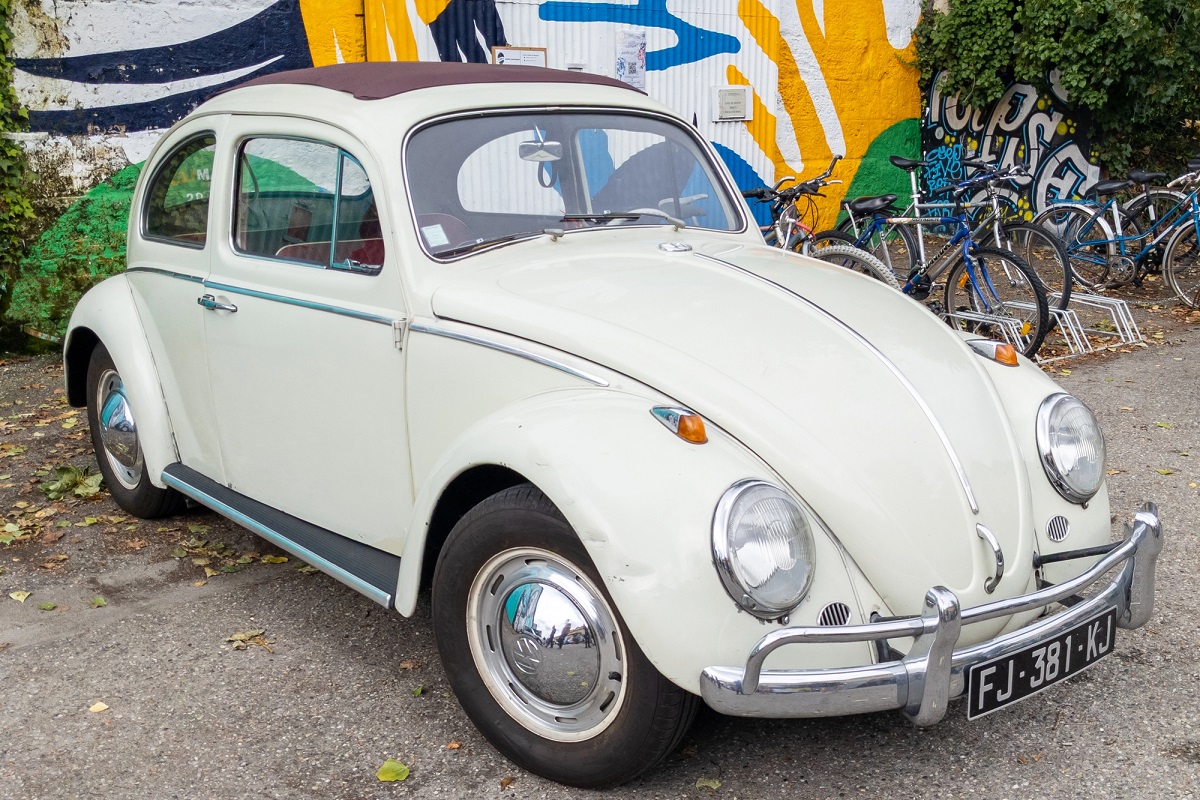
The 1972 VW Beetle remains one of the most endearing classics ever produced, thanks to its quirky shape, dependable performance, and undeniable charm. But dig a little deeper, and you’ll find that this particular model year quietly marked a turning point for Volkswagen, where subtle refinements began blending old-world styling with hints of forward-thinking engineering. Whether you’re a fan of nostalgia or efficiency, these facts reveal how this Beetle straddled two automotive eras with flair.
First Year of the Curved Windshield

The 1972 Beetle introduced a slightly curved windshield for the Super Beetle variant, enhancing aerodynamics and cabin space. This marked a significant change from the classic flat-panel design that had defined earlier models. The change allowed for a more modern dashboard layout and improved visibility, signaling Volkswagen’s intent to modernize the icon.
Dual Braking System for Added Safety
Volkswagen equipped the ’72 Beetle with a dual-circuit brake system that split the hydraulic lines into two independent circuits. This safety measure meant that if one circuit failed, the other could still provide braking force, an innovation not always found in compact cars of the era. It was a subtle but vital advancement that offered peace of mind to drivers and families.
Introduction of Energy-Absorbing Steering Column

The ’72 Beetle featured a collapsible, energy-absorbing steering column, reducing the risk of injury in frontal impacts. This addition reflected growing global concerns about automotive safety and Volkswagen’s quiet effort to meet those expectations. It was a rare blend of modern restraint tucked inside an old-school dashboard.
Stronger Front Suspension on Super Beetle

The Super Beetle received MacPherson struts in 1971, but 1972 brought tuning refinements that made the front suspension stiffer and more responsive. This resulted in better ride quality and handling, particularly over uneven roads. Drivers enjoyed a smoother and more confident feel without compromising the Beetle’s unique driving character.
Related: 10 Surprising Parallels Between Tesla’s Cybertruck And Ford’s F-150
Larger Rear Window for Better Visibility

The 1972 Beetle included a noticeably larger rear window, making reversing and lane checks easier for the driver. While this change slightly altered the vehicle’s rear silhouette, it dramatically improved day-to-day driving practicality. It’s one of those tweaks that seamlessly married form and function without losing the Beetle’s iconic lines.
Related: 11 Ways To Snag A V8 Flagship Luxury Car For $15k Without Breaking The Bank
Revised Engine Mounts for Less Vibration
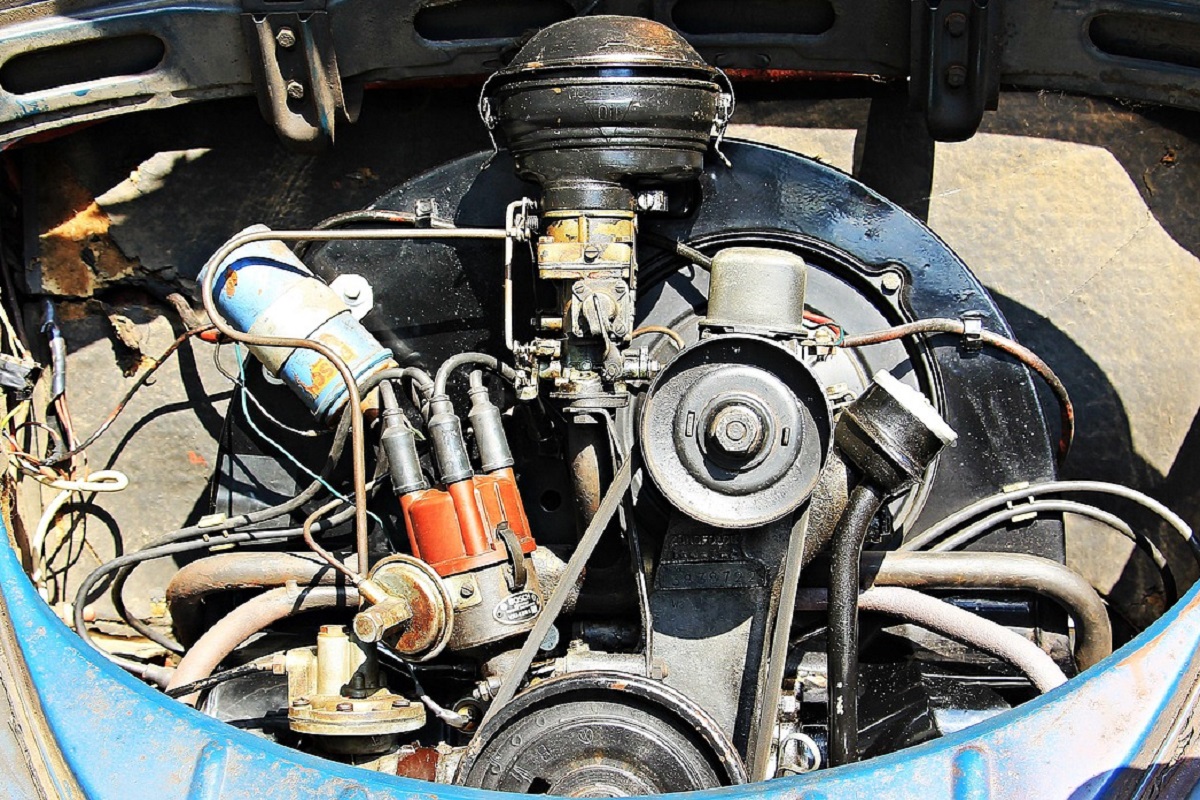
The rear-mounted engine was fitted with improved mounts that dampened vibration and noise more effectively. These mounts were subtle yet effective in making the cabin quieter and less buzzy, which elevated the comfort level during longer trips. Volkswagen showed that even with an older layout, refinement was still possible.
Related: 10 Smart Tire Replacement Tips That Could Save You A Small Fortune
Safety Glass Standard on All Windows

Unlike many cars of the early ’70s, the 1972 Beetle featured laminated safety glass not just on the windshield but also across the side and rear windows. This dramatically reduced the risk of shattering during accidents and improved overall cabin safety. Volkswagen managed to tuck modern safety expectations into a car that otherwise looked unchanged.
Related: 11 Reasons Heat Pumps In Electric Cars Are A Smart Investment For The Future
More Durable Seat Upholstery Materials

Interior comfort received a boost with the use of higher-quality vinyl and reinforced stitching on the seats. This made them more comfortable and more resistant to wear and tear from daily use. It was another quiet improvement that modernized the Beetle’s interior feel without straying from its minimalist roots.
Related: 10 Four Cylinder Sports Cars That Shattered Expectations
Electrical System Upgrade with More Reliable Fuse Box
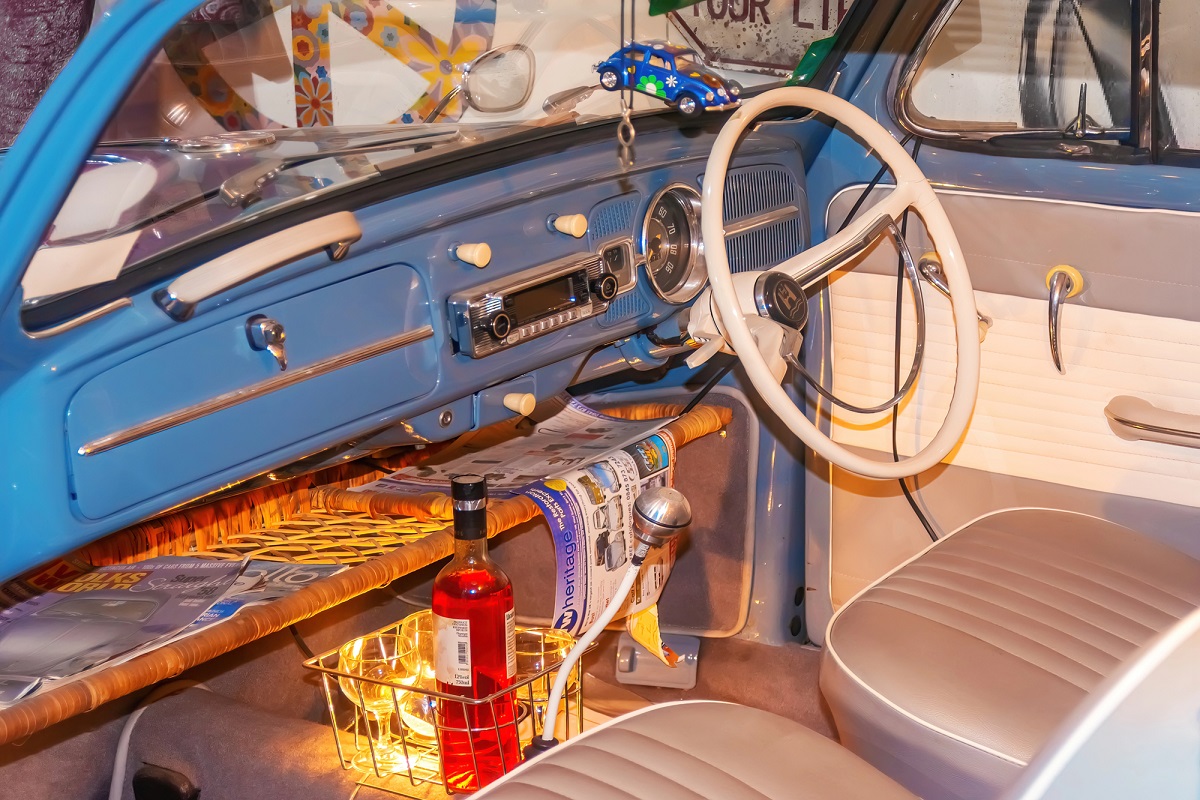
Volkswagen introduced a more robust fuse box and wiring system for the ’72 model year, enhancing electrical reliability and reducing the risk of shorts. This upgrade supported the growing list of powered features, including improved lighting and accessories. Even though it wasn’t flashy, it made the car far easier to maintain.
Related: 10 DIY Oil Change Fails That Could Wreck Your Engine If You Are Not Careful
Super Beetle’s Larger Trunk Space

Thanks to the redesigned front end with MacPherson struts, the Super Beetle gained additional trunk room compared to the standard Beetle. This practical upgrade made the car better suited for road trips and grocery runs, expanding its versatility. It’s one of the most underappreciated ways Volkswagen merged practicality with its beloved classic formula.
Related: 10 Sneaky Ways Skipping Oil Changes Ruins Your Ride
The 1972 VW Beetle may still look like a relic from the past, but it carried with it a wave of subtle innovations that hinted at the future. With updates that enhanced safety, comfort, and drivability, Volkswagen quietly transformed the car from a simple people’s vehicle into a more refined, user-friendly icon. Each adjustment, no matter how minor, played a role in keeping the Beetle relevant in a changing world. It’s this smart balance of timeless design and forward progress that makes the ’72 Beetle stand out today.
Disclaimer: This list is solely the author’s opinion based on research and publicly available information.
13 Reasons Young Drivers Are Ditching New Cars For Vintage Rides

A surprising shift is happening on the roads: young drivers are choosing vintage cars over modern vehicles at an increasing rate. With rising costs, restrictive technology, and a desire for individuality, classic rides offer an unmatched driving experience. From affordability to timeless style, here’s why vintage cars are making a major comeback among younger drivers.
Read it here: 13 Reasons Young Drivers Are Ditching New Cars For Vintage Rides
12 Vehicles That Shared The Classic VW Beetle Engine
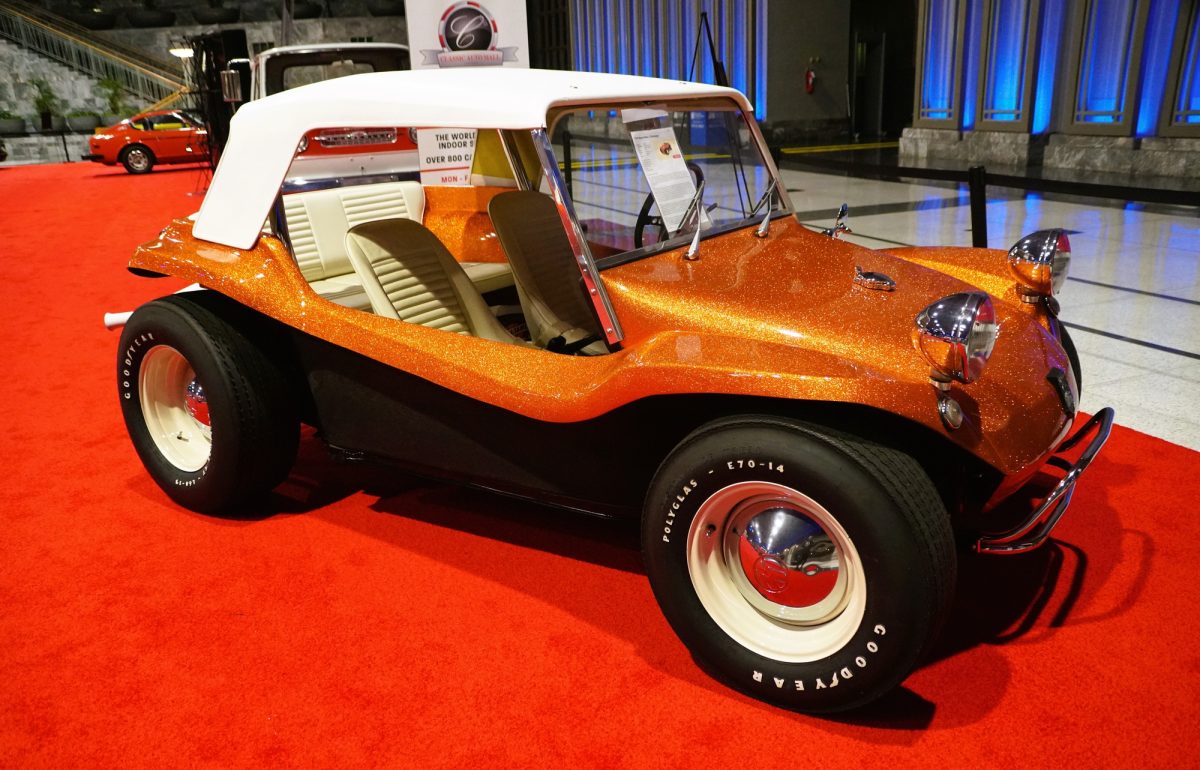
The air-cooled Volkswagen Beetle engine was one of the most versatile power plants ever built. Simple, reliable, and easy to maintain, this compact flat-four found its way into a surprising variety of vehicles beyond the Beetle itself. From sports cars to military machines, here are 12 vehicles that borrowed this legendary engine and made it their own.
Read it here: 12 Vehicles That Shared The Classic VW Beetle Engine
These 10 Cars Were Too Bold For A Comeback

Automakers often attempt to revive old legends, hoping nostalgia will translate into strong sales. But sometimes, these bold comebacks prove that some cars are better left in the past. Whether due to outrageous designs, performance mismatches, or market confusion, these models couldn’t recapture their original magic. While ambition drove their return, execution didn’t always deliver what fans expected. Here are 10 cars whose comebacks were just too bold for their own good.
Read it here: These 10 Cars Were Too Bold For A Comeback
You’ll love these related posts:
- 11 Bold Moves GM Made To Revitalize Buick’s Future
- 11 Reasons Why This Aston Martin Might Just Be The Prettiest Car Ever Made
- 11 Ways To Fix Flat Tires And Keep Them From Coming Back
- 10 Reasons Why The $25K 2009 Cadillac CTS-V With A Corvette ZR1 Engine Is A Steal
- 10 Wild Facts About The Last True American Cadillac You Can Still Afford