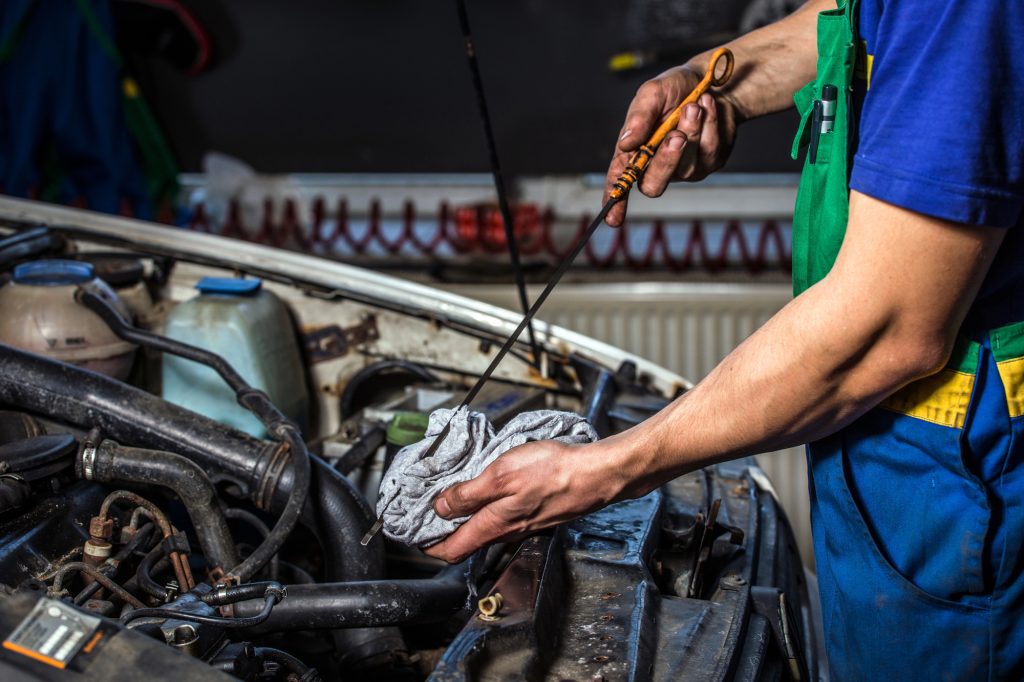
Skipping an oil change might seem harmless, especially when your car appears to be running just fine on the surface. But what you can’t see is the silent damage being done beneath the hood, damage that builds over time and can lead to costly repairs or even a full engine replacement. Ignoring this simple maintenance step can transform your dependable vehicle into a ticking time bomb, and these 10 hidden consequences prove why oil changes are not just optional, they’re essential.
Heat Builds Up Inside the Engine

Oil isn’t just a lubricant, it’s a key player in keeping your engine cool. It absorbs heat from the intense friction within the engine and transfers it away, but when the oil becomes old and thick, it loses this cooling ability. This leads to overheating, which can warp internal parts like cylinder heads and crack gaskets, resulting in expensive repairs or total engine failure.
Sludge Begins to Form

As oil ages, it picks up dirt, soot, fuel residues, and tiny metal particles that eventually turn into a thick sludge. This sludge can clog vital oil passages and restrict the flow of oil to critical engine parts, starving them of lubrication. Once it starts to form, it’s difficult to clean out entirely and can significantly shorten the life of your engine.
Reduced Fuel Efficiency

Clean oil helps your engine run smoothly and with minimal resistance, allowing it to work efficiently. Dirty oil, however, increases internal drag and forces the engine to use more fuel to maintain the same level of performance. As a result, your miles per gallon decrease, and you’ll start to feel the hit to your wallet at every fuel stop.
Engine Knocking and Noises Begin

Old or insufficient oil fails to properly cushion the moving parts inside your engine. This can lead to knocking, tapping, or grinding sounds, especially during acceleration or at startup. These sounds are often early warnings of internal damage that, if ignored, could lead to irreparable harm to your engine block.
Related: Rookie Truck Driver Mistakes That Could Cost You Big Time
Spark Plugs Become Fouled

Over time, degraded oil can seep into the combustion chamber, coating spark plugs with oil and carbon deposits. Fouled plugs misfire, reduce engine power, and make your car hard to start, turning even short trips into frustrating experiences. This contamination can also cause increased emissions and poor acceleration.
Related: The 10 Best Gadgets Every Trucker Needs In 2025
Oil Filter Gets Overloaded

Your oil filter is designed to trap contaminants, but it has a limited capacity. If you delay oil changes, the filter can become clogged and start bypassing dirty oil back into the engine, where it continues circulating damage-causing particles. This overload silently undermines your engine’s cleanliness and long-term health.
Related: How China’s Silent Car Takeovers Are Conquering The Auto Space
Performance Slowly Declines

As oil loses its effectiveness, you may notice your car feels less responsive, sluggish, or rough when shifting or accelerating. These subtle changes often go unnoticed at first but worsen over time, eventually making your vehicle feel like it’s running on borrowed time. What was once a smooth ride becomes increasingly strained and inefficient.
Related: Shocking Reasons Why Car Repair Cost Are Out Of Control
Internal Corrosion Starts

Fresh oil contains additives that prevent rust and neutralize acids formed during combustion. When oil becomes old and contaminated, these additives break down, allowing moisture and chemicals to corrode vital internal parts. This hidden corrosion can destroy engine integrity from the inside out without any obvious warning signs.
Related: 12 Super Fast Bikes That Leave Everything in the Dust
Engine Sensors Become Contaminated

Modern engines depend on sensors to monitor oil pressure, temperature, and overall performance. Dirty oil can coat or clog these sensors, leading to inaccurate readings that cause the engine control unit (ECU) to make poor decisions. This miscommunication can reduce power output, increase emissions, and trigger unnecessary warning lights.
Related: These 10 Secrets Turn Basic Bikes Into Super Fast Beasts
Expensive Repairs Sneak Up on You
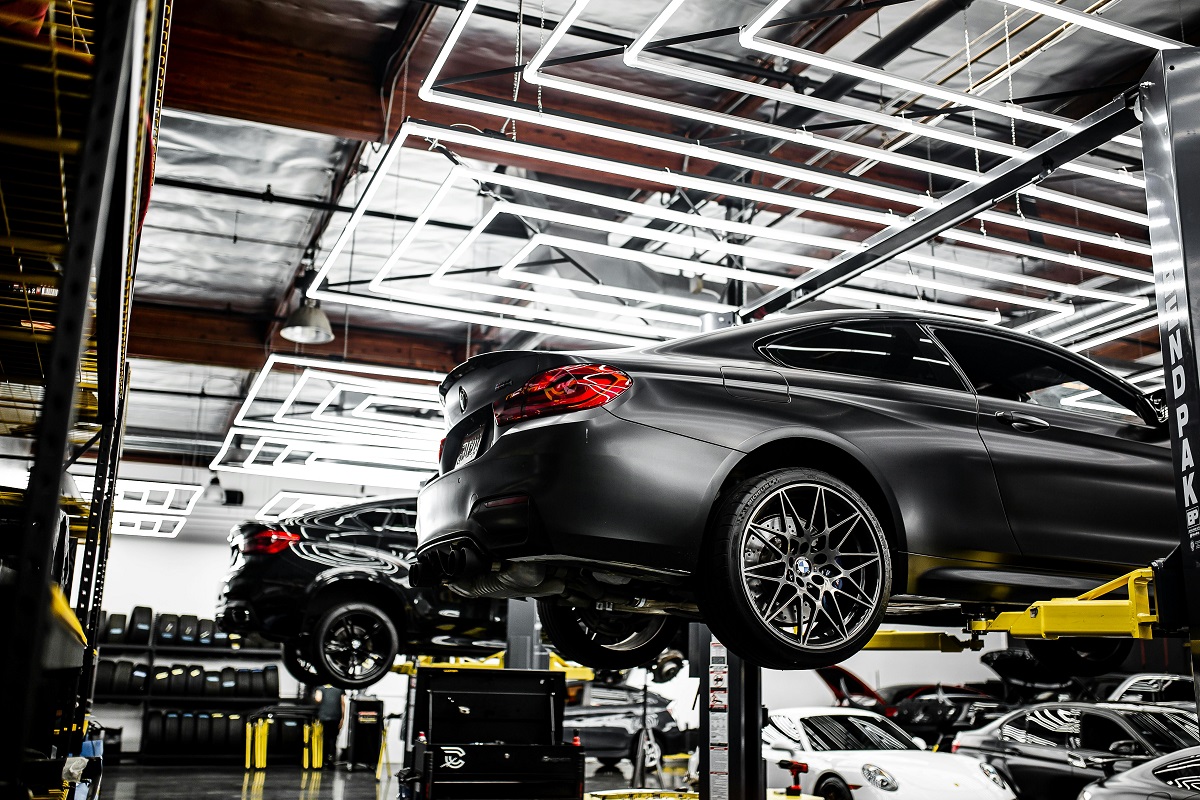
Ignoring routine oil maintenance can cause problems that escalate quickly and expensively. Blown gaskets, seized pistons, or a scorched crankshaft can all stem from something as basic as neglected oil. What could have been prevented with a $50 oil change might now cost you thousands in repairs or even a full engine replacement.
Related: Are Autonomous Trucks About To Replace Drivers? Here’s The Truth
Oil changes might seem like a small inconvenience, but they play a massive role in keeping your vehicle healthy, efficient, and reliable. Letting them slide opens the door to a host of silent, sneaky problems that only become obvious when it’s too late and too expensive. With just a little consistency, you can avoid all of this and enjoy the smooth, long-lasting ride your car was built to deliver. Take care of your oil, and it will take care of your engine in return.
Disclaimer: This list is solely the author’s opinion based on research and publicly available information.
Car Experts Swear By This 12 Spring Maintenance Hack For A Smoother, Safer Ride

Spring is the perfect time to give your vehicle the care it needs after enduring the harsh conditions of winter. Seasonal maintenance ensures your car runs efficiently, prevents costly breakdowns, and enhances overall safety. Taking a proactive approach to vehicle upkeep can improve performance, fuel efficiency, and longevity. Whether you’re a seasoned driver or a car enthusiast, knowing the right maintenance steps can save you time and money in the long run.
Read it here: Car Experts Swear By This 12 Spring Maintenance Hack For A Smoother, Safer Ride
13 Car Maintenance Myths That Are Stealthily Emptying Your Bank Account

Car maintenance is an essential part of vehicle ownership, but myths and misconceptions often lead to unnecessary costs. Many vehicle owners are misled into believing certain practices are necessary, only to find that they are wasting money on unneeded services or repairs. These myths can significantly impact your bank account and the long-term health of your car. By understanding what’s true and what’s not, you can make smarter decisions and save money.
Read it here: 13 Car Maintenance Myths That Are Stealthily Emptying Your Bank Account
11 Cars That Could Ruin Your Wallet With Transmission Issues

A car’s transmission is like its heartbeat; if it starts failing, the entire vehicle suffers. And when transmission problems hit, the cost isn’t just emotional, it’s financial. Replacing or repairing a faulty transmission can easily cost thousands, making it one of the most expensive repairs a car owner might face. Some vehicles have a track record of recurring transmission troubles that continue to plague drivers long after purchase. Here are 11 cars known for transmission issues that could leave your wallet in serious pain.
Read it here: 11 Cars That Could Ruin Your Wallet With Transmission Issues
You’ll love these related posts:
- The Top Convertibles To Drive This Spring That Costs Less Than You Think
- These 10 Scenic Spring Road Trips Will Blow Your Mind
- These 10 Semi Trucks Will Make Your Fuel Costs Disappear
- Every Truckers’ Secret Code 15 CB Radio Phrases You Need To Know
- Why Smart Truckers Are Switching To Owner Operator Status