Traveling in an RV brings the freedom of the open road and the comfort of home, but it also comes with hidden challenges that can turn a peaceful journey into a frustrating ordeal. One of the most common and most feared issues involves the electrical system, which powers everything from your lights to your fridge. These electrical problems often seem to appear at the worst possible moment, especially when you’re far from service centers or assistance.
Dead House Batteries

Your RV’s house batteries power essential systems, and when they die, you lose lights, appliances, and even your water pump. Many RVers underestimate how fast these batteries can drain, especially when boondocking or dry camping. Without proper charging or maintenance, they can leave you completely powerless in the middle of nowhere.
Faulty Power Converter

The power converter is what charges your RV batteries when plugged into shore power, but when it fails, nothing charges properly. It’s often difficult to detect a faulty converter until you notice dimming lights or failing appliances. A malfunctioning converter can quickly create a full system failure that disrupts your entire trip.
Tripped Circuit Breakers
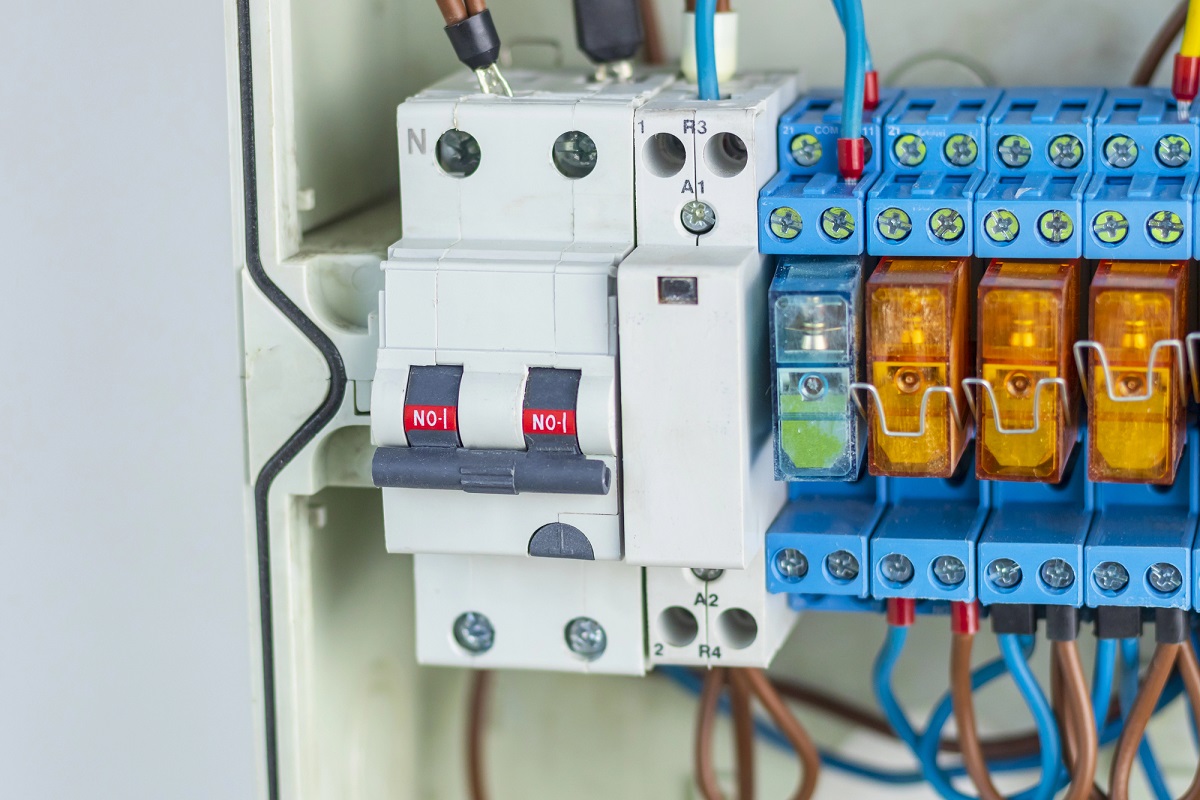
It only takes one overloaded appliance or faulty connection to trip your breaker panel and knock out an entire section of your RV. The worst part? It can be difficult to trace which breaker tripped and why, especially in the dark or during cold weather. Frequent tripping often signals deeper wiring issues that shouldn’t be ignored.
Burned-Out Shore Power Cord

Shore power cords can become frayed, corroded, or overheated over time, creating fire risks or unexpected power loss. If you’re plugged into a faulty pedestal or using a damaged cord, you might see melted plugs or sparks. Replacing it on the road isn’t easy, especially without a backup or nearby RV supply store.
Related: 14 Gorgeous Car Headlights That Will Leave You Mesmerized
Bad Grounding

Improper or broken ground connections can create strange electrical symptoms like flickering lights, shocks, or faulty readings. Bad grounding makes diagnosing issues frustrating since the symptoms don’t always match the problem. Worse still, it can compromise safety by increasing the risk of electrical fires or shocks.
Related: 11 Fastest Buicks Ever Built That Will Blow Your Mind
Inverter Failure
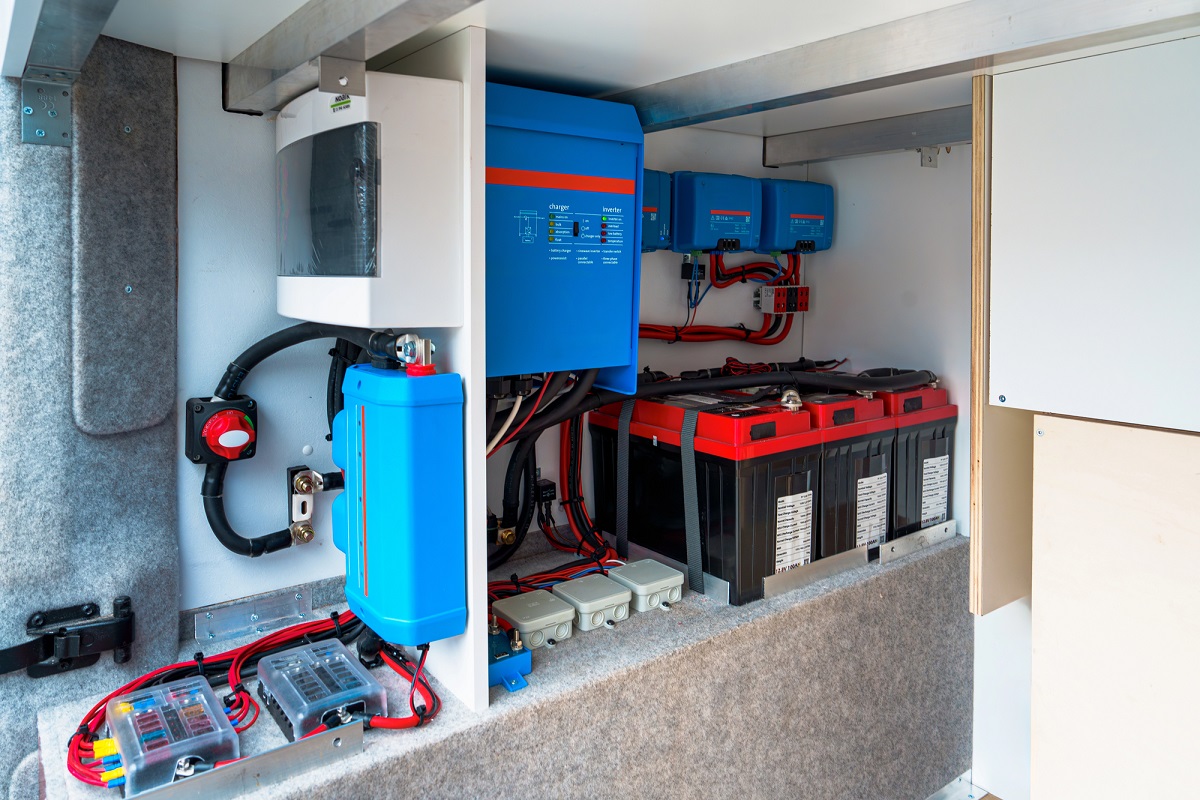
If your inverter fails, you lose the ability to power 120V appliances like TVs, microwaves, or outlets while off-grid. Many inverters give little warning before shutting down completely, leaving you confused about why your devices stopped working. Replacing or repairing an inverter far from a technician is no easy task.
Related: 13 Game-Changing Driver-Assistance Features That Are Saving Lives On The Road
Loose or Corroded Connections
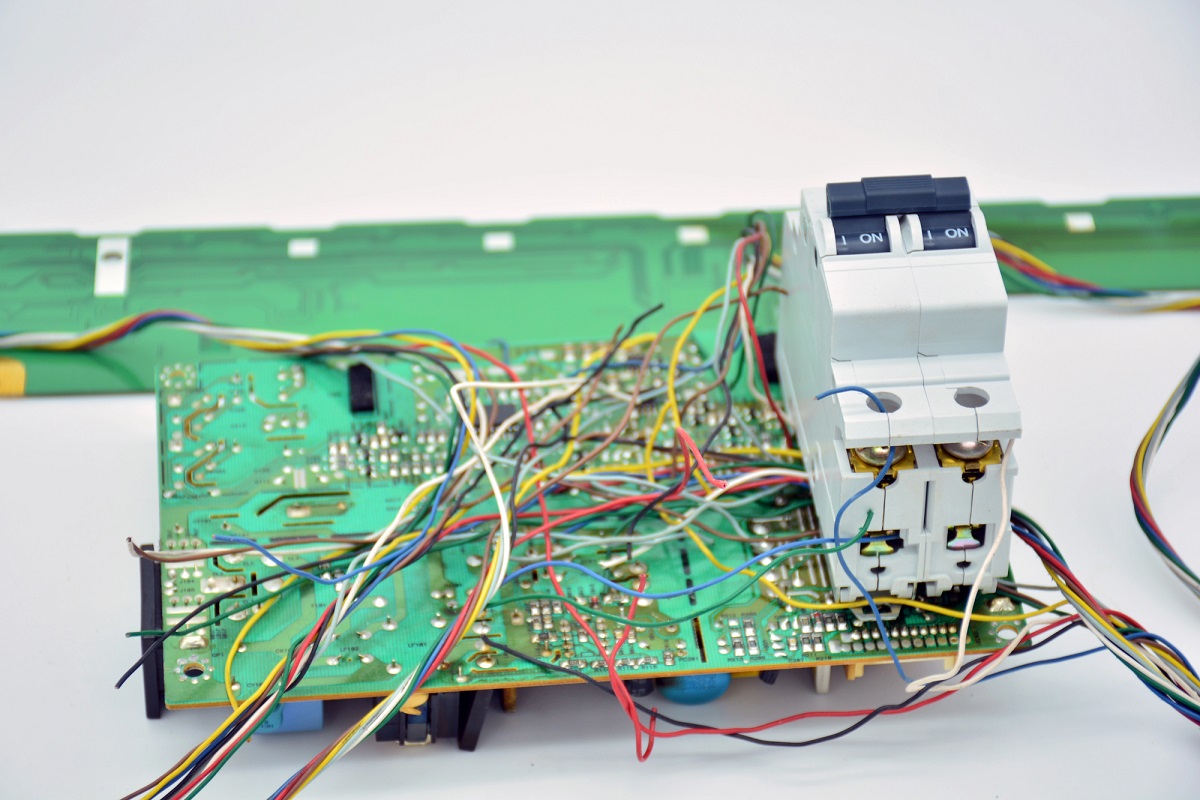
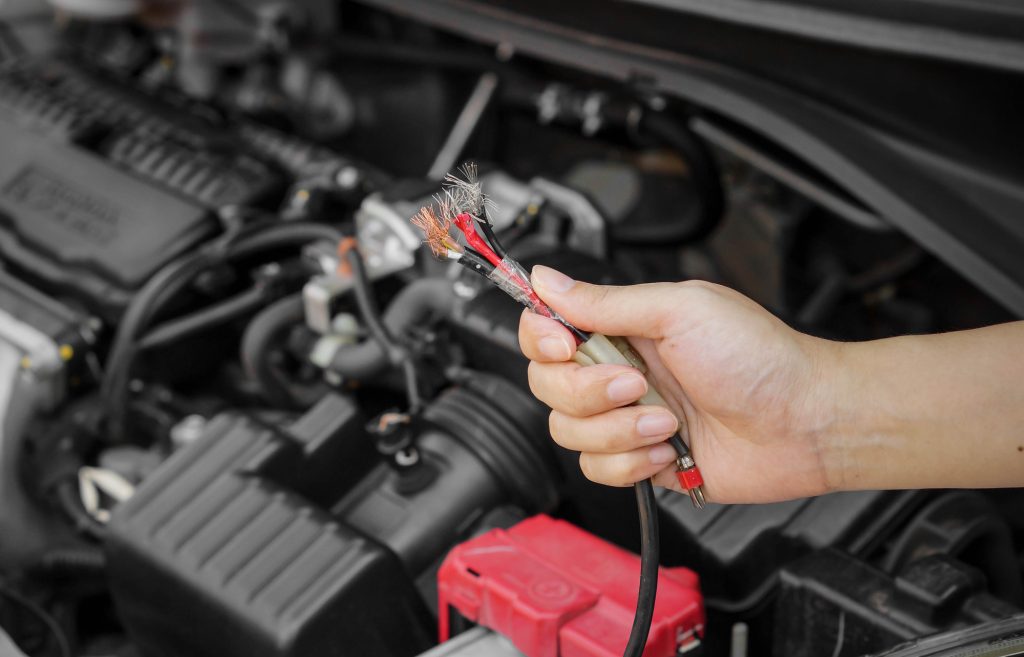
Over time, vibration from travel causes wires to shake loose or corrode, especially in older RVs or humid climates. These poor connections can spark, short out, or fail, resulting in a sudden loss of power or even smoke. Finding the exact wire or connector in a maze of cables can feel like searching for a needle in a haystack.
Related: 11 Reasons Massaging Seats And Smart Climate Control Are Blowing Up Right Now
Bad GFCI Outlets

Ground Fault Circuit Interrupter (GFCI) outlets are designed to protect you from shocks, but they sometimes trip unexpectedly or stop working altogether. If a GFCI outlet trips, it can cut power to multiple outlets, leaving you without kitchen appliances or even bathroom lights. Troubleshooting GFCIs in an RV often requires testing every outlet one by one.
Related: What’s Fueling the Rising Violence Against Tesla Vehicles?
Overloaded Electrical System

Plugging in too many appliances at once can overload your system, trip breakers, or melt wires. RVs have strict limits on amperage, and ignoring them can quickly create serious hazards. An overloaded circuit doesn’t just shut things down, it could damage multiple systems permanently.
Related: 11 Forgotten GM Trucks From The ’60s That Deserve A Comeback
Broken or Shorted Light Fixtures
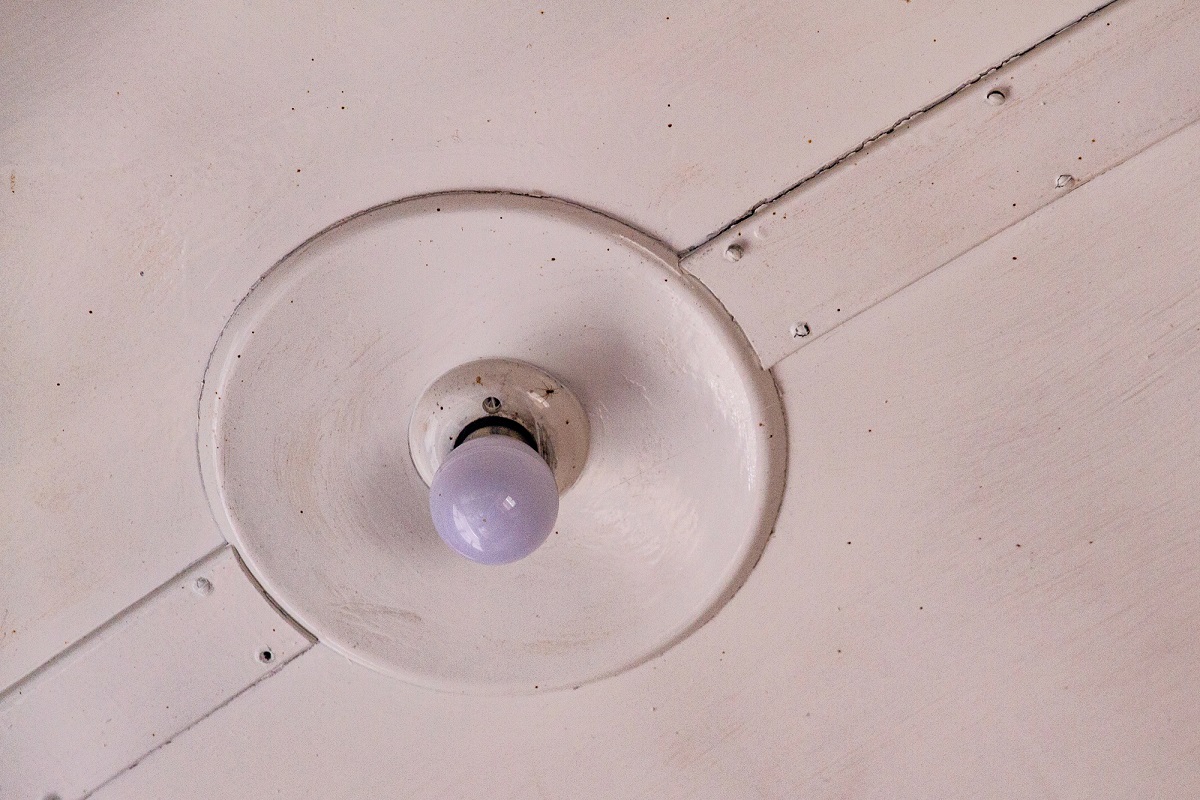
A short in a ceiling or wall light fixture can cause blown fuses, flickering, or complete darkness inside your RV. Many light fixtures are difficult to access and require the disassembly of wall panels or trim. The frustration grows when you realize a single faulty bulb can knock out several lights at once.
Related: 12 Honda CR-V Headaches That Every Buyer Should Know About
Failing Battery Disconnect Switch

Your battery disconnect switch allows you to shut off power while storing your RV, but when it malfunctions, it can accidentally cut power while you’re using it. You might suddenly lose power and have no idea why everything went dark. Diagnosing the issue often requires testing continuity with specialized tools you may not have on the road.
Related: 13 Covert Cars Designed For Maximum Surveillance Efficiency
Miswired Solar Systems
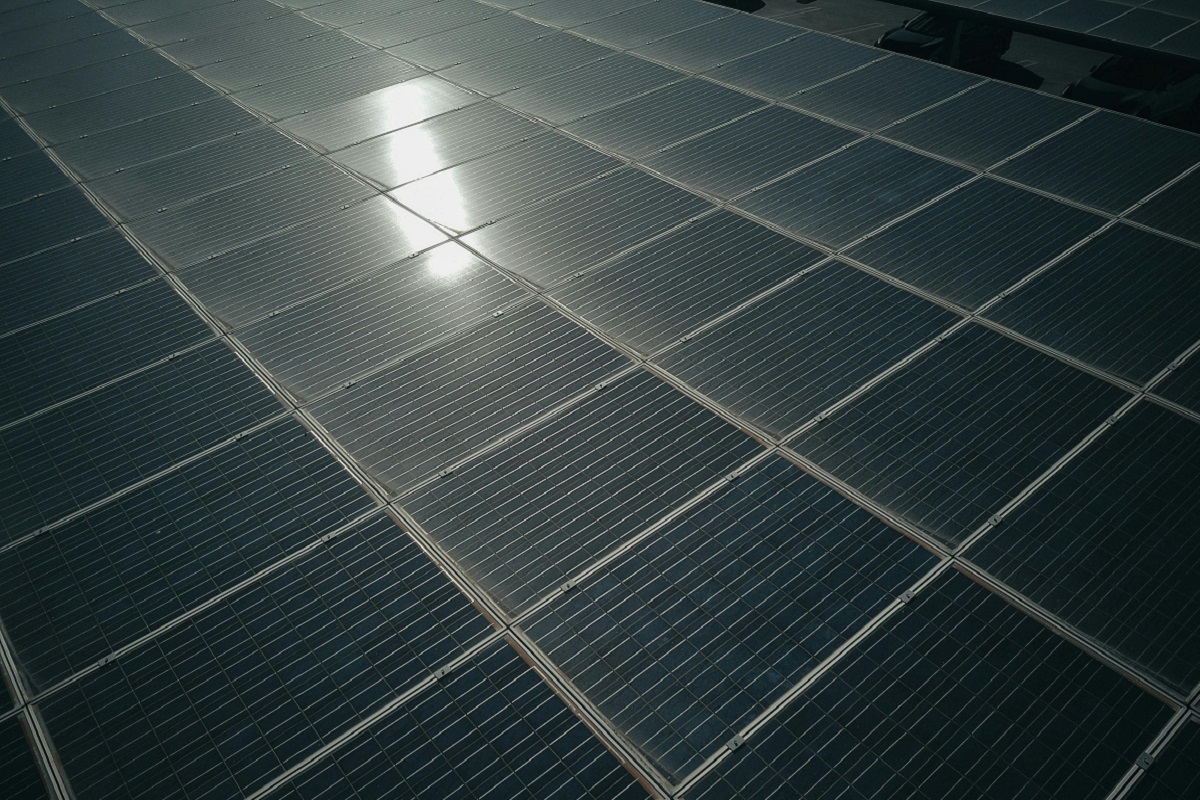
Solar systems add convenience but are easy to miswire, especially for DIY installations. When the panels, charge controllers, or fuses aren’t properly matched, the system may underperform or stop charging altogether. This is even more frustrating when you’re relying on solar to stay off-grid in remote locations.
Related: 11 Shocking Ways You’re Killing Your Manual Car Without Realizing It
Blown Fuses in Hidden Compartments
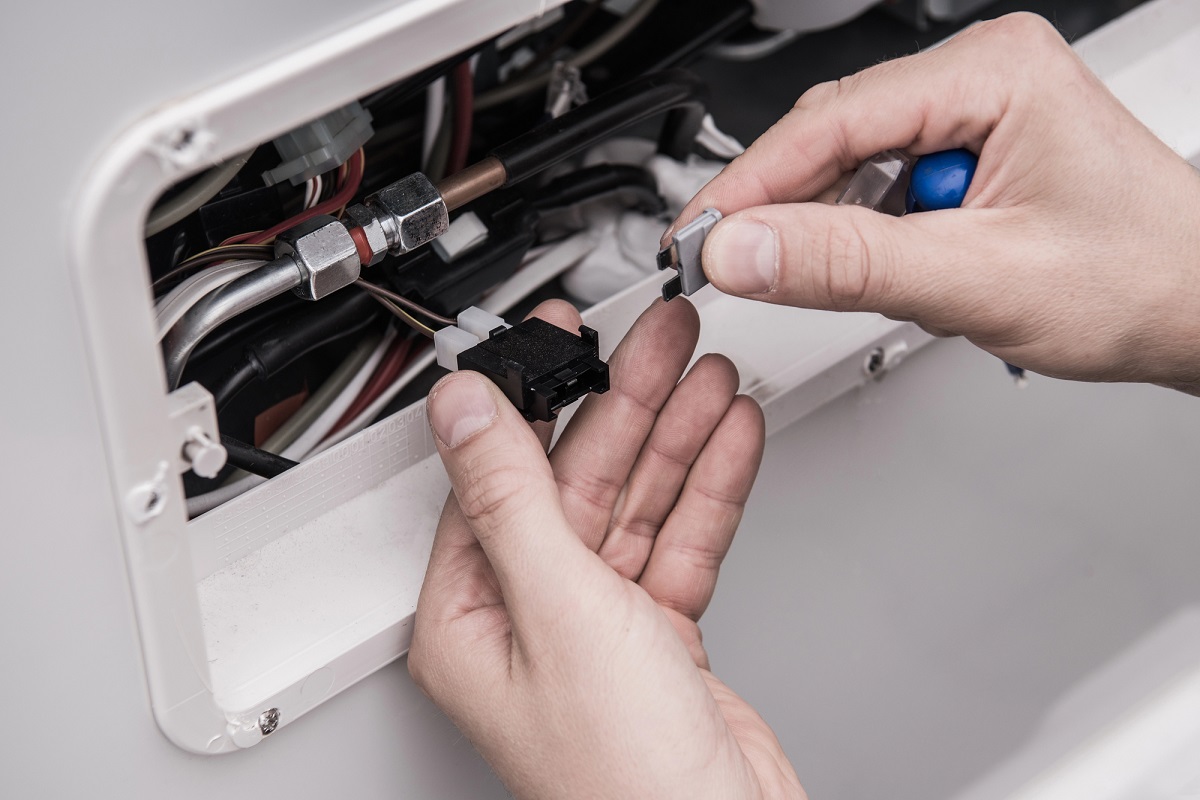
Some RV fuses are tucked away in hard-to-reach panels or near the battery compartment, making them difficult to find when they blow. It’s common for RVers to tear apart their rig trying to locate the right fuse after an unexplained power loss. Having no diagram or labeling only makes the process more stressful.
Related: 12 Legendary Movie Cars You Can Actually Buy Right Now
Electrical problems in an RV can feel like a ticking time bomb, waiting to strike at the worst possible moment. With so many moving parts and hidden wires, diagnosing and fixing these issues can be both time-consuming and nerve-wracking, especially when you’re parked far from help. That’s why preventive maintenance, knowledge, and a good toolkit are essential for any serious RVer. Understanding these common electrical nightmares not only helps you avoid them but also prepares you to respond calmly if one strikes. After all, it’s not just about keeping the lights on, it’s about keeping your journey safe and stress-free.
Disclaimer: This list is solely the author’s opinion based on research and publicly available information.
13 Vintage RVs That Still Look Incredible Today

RVs have always been about adventure, freedom, and the joy of the open road. While modern motorhomes boast high-tech amenities, there’s something special about vintage RVs that still captivate enthusiasts today. Whether it’s their iconic designs, sturdy craftsmanship, or undeniable charm, these timeless classics continue to turn heads and spark wanderlust. Here are 13 vintage RVs that remain as stunning as ever.
Read it here: 13 Vintage RVs That Still Look Incredible Today
12 Iconic Campervans And EVs That Made Camping Cooler

Camping has always been about freedom, adventure, and embracing the great outdoors, but some vehicles take the experience to the next level. From classic campervans to cutting-edge electric RVs, these iconic models have redefined what it means to hit the road in style. Whether vintage charm or futuristic innovation, these vehicles prove that camping has never been cooler.
Read it here: 12 Iconic Campervans And EVs That Made Camping Cooler
11 Hidden Gem Islands In Europe You Can Drive To In A Campervan

Europe is home to some breathtaking islands, many of which can be reached without boarding a plane or ferry. These hidden gems offer stunning landscapes, charming villages, and unspoiled nature, perfect for an unforgettable campervan adventure. Whether you’re looking for dramatic coastlines, lush green scenery, or a peaceful retreat away from the crowds, these islands provide the ultimate road trip experience. Here are 11 hidden gem islands in Europe you can drive to in a campervan.
Read it here: 11 Hidden Gem Islands In Europe You Can Drive To In A Campervan