Car to car communication (V2V technology) is set to revolutionize how vehicles interact on the road, improving safety, efficiency, and overall driving experiences. By enabling cars to share real-time data, this technology will reduce accidents, ease congestion, and pave the way for autonomous driving. Here’s how V2V tech will change traffic as we know it, making transportation smarter, safer, and more efficient.
Fewer Accidents with Instant Alerts
V2V tech allows cars to warn each other about sudden stops, road hazards, and changing traffic conditions in real time. This instant data exchange helps prevent collisions by giving drivers more time to react quickly. With vehicles communicating in real-time, roads will become much safer for everyone, reducing risks and potential fatalities effectively.
Smoother Merging and Lane Changes
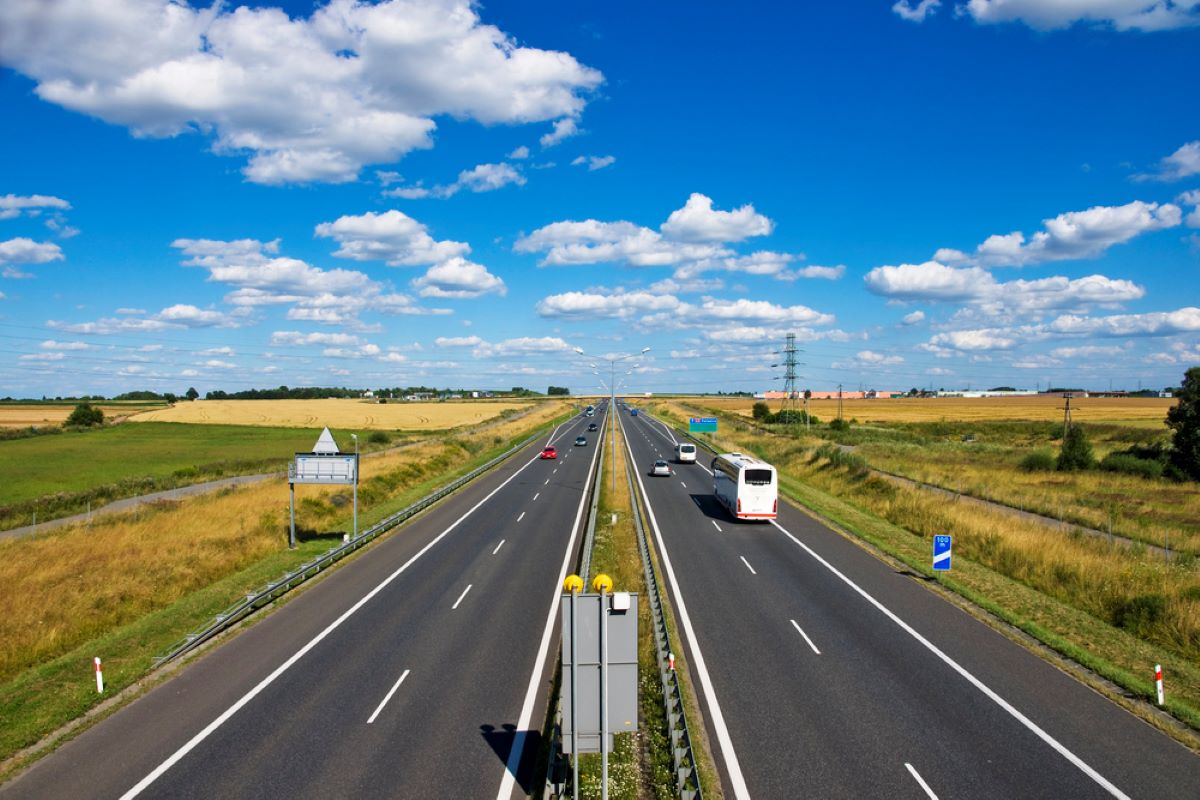
Vehicles equipped with V2V can coordinate lane changes by detecting nearby cars and adjusting speed accordingly to avoid conflicts. This prevents sudden braking and dangerous merges, making highways more fluid and less stressful. Traffic flow will improve as cars work together to create seamless transitions and enhance driving safety further.
Reduced Traffic Jams Through Smarter Flow
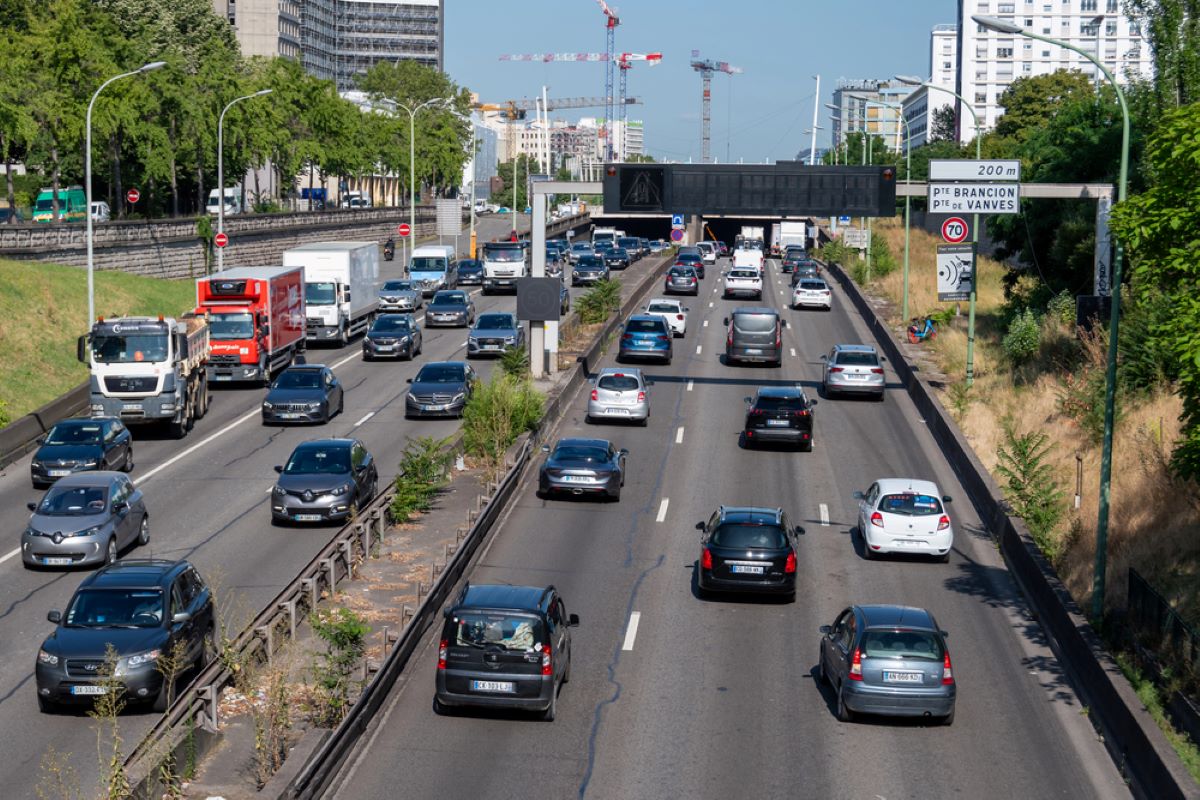
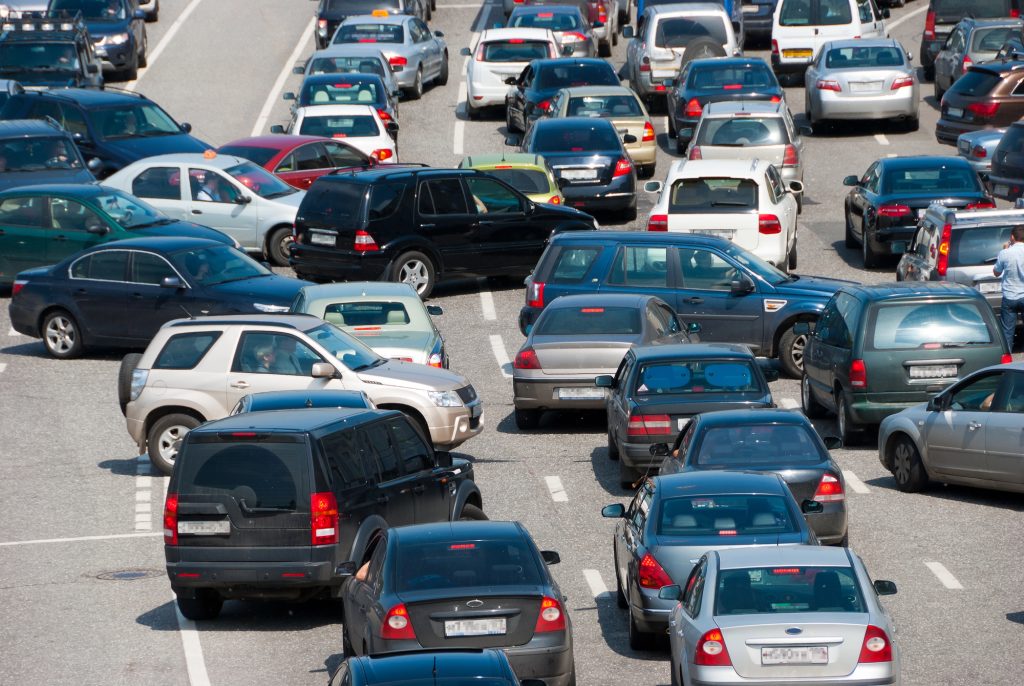
By analyzing real-time vehicle movement, V2V technology helps regulate traffic patterns more effectively and efficiently. Cars can adjust speed and routes based on congestion levels, reducing frustrating bottlenecks and slowdowns. This will lead to less stop-and-go traffic, saving time and fuel while enhancing overall road efficiency significantly.
Faster Emergency Response Coordination

Emergency vehicles will use V2V to clear a path through traffic more efficiently and swiftly. Nearby cars will receive real-time signals to move aside immediately, reducing dangerous delays and improving response times. This improved response time can be life-saving in critical situations, ensuring help arrives when needed most.
Related: 12 Shockingly Cheap Cars That Perform Like a Porsche 718
Better Pedestrian and Cyclist Protection

V2V isn’t just for cars, integrated systems will detect pedestrians and cyclists, reducing accidents and injuries substantially. Vehicles will receive alerts when people are crossing unexpectedly, helping drivers react faster and more accurately. This will make cities safer for non-drivers as well, enhancing urban mobility and pedestrian confidence.
Related: 15 Classic Cars Turning 50 In 2025
Improved Traffic Light Efficiency
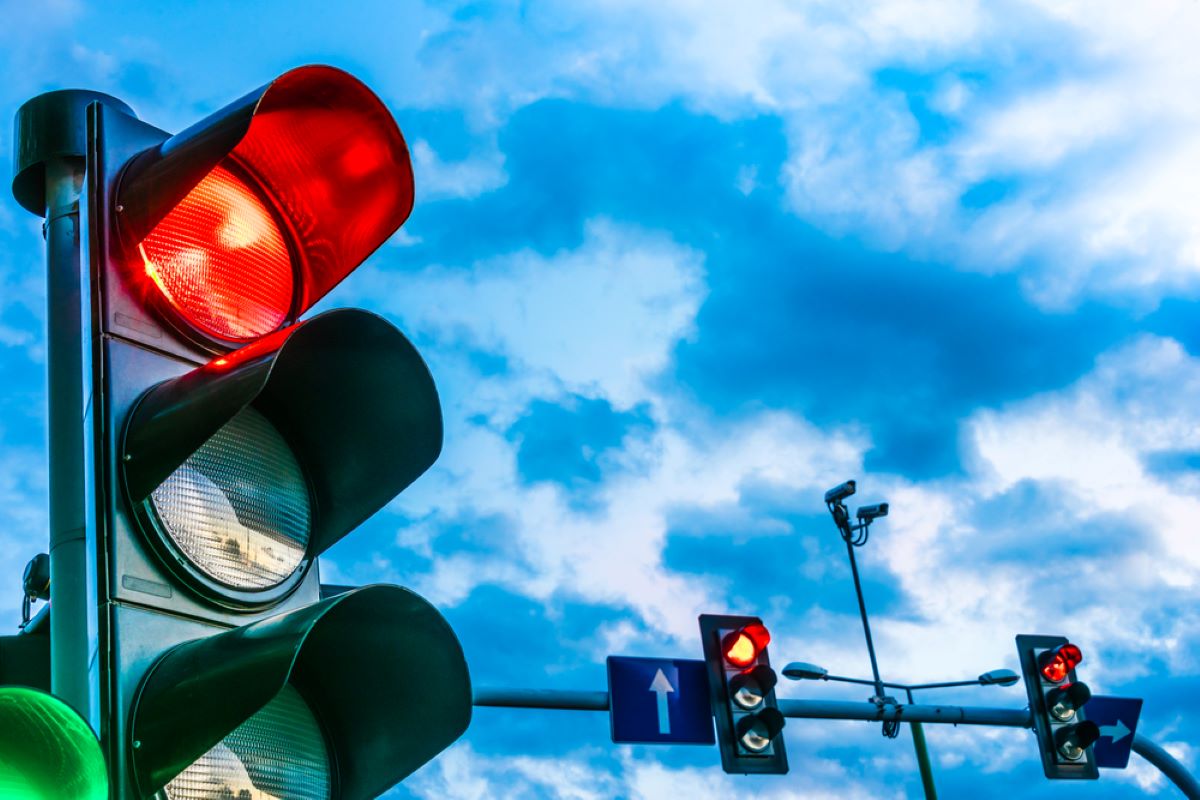
Connected cars will sync with smart traffic signals, reducing unnecessary stops and optimizing green light timing automatically. This will cut down on idling and fuel waste, making commutes more efficient and environmentally friendly. With fewer delays, urban traffic flow will greatly improve, benefiting both drivers and city planners.
Related: 12 Gas-Powered Cars That Outshine EVs In Style
Enhanced Highway Driving Automation
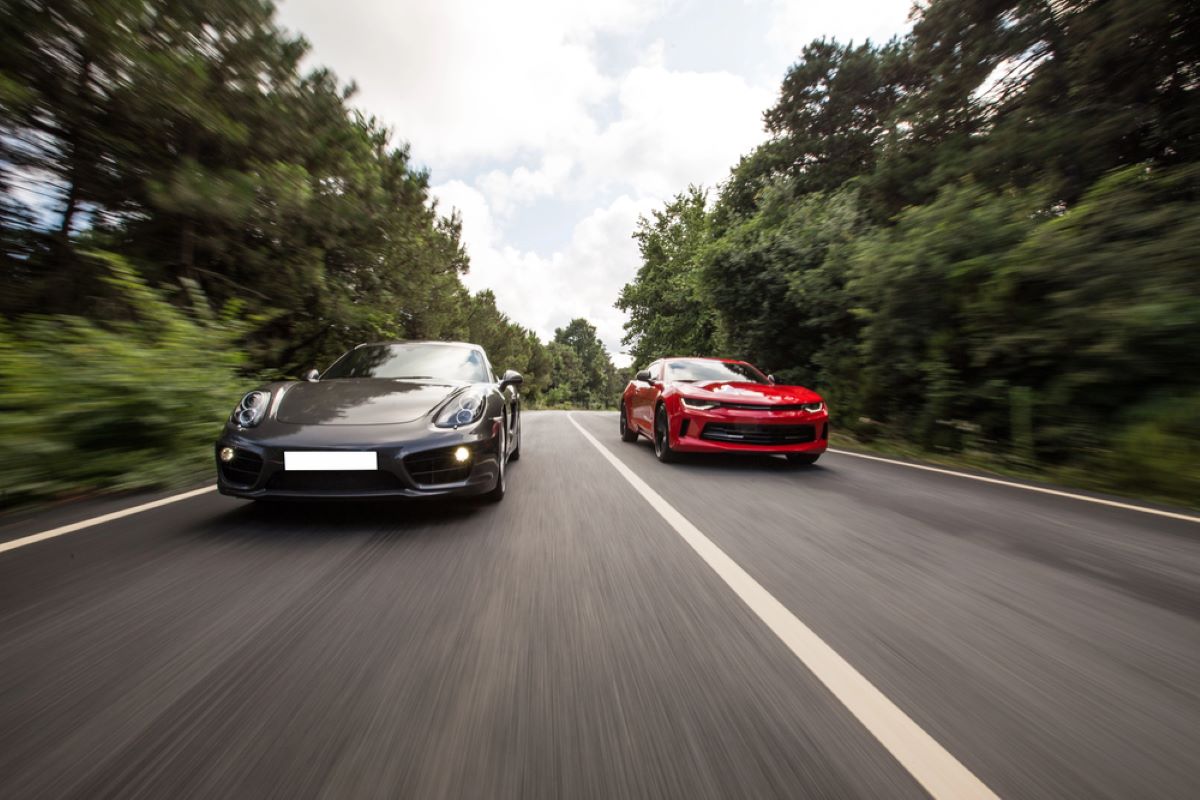
Highways will see a transformation as V2V allows vehicles to travel in coordinated formations, improving efficiency. Cars will communicate to maintain safe distances, reducing sudden braking and unnecessary slowdowns. This “platooning” effect will improve fuel efficiency and make long-distance driving smoother, safer, and more predictable.
Related: 11 Ford Bronco Facts Every Owner (and Fan) Needs To Know
Safer Navigation in Poor Visibility
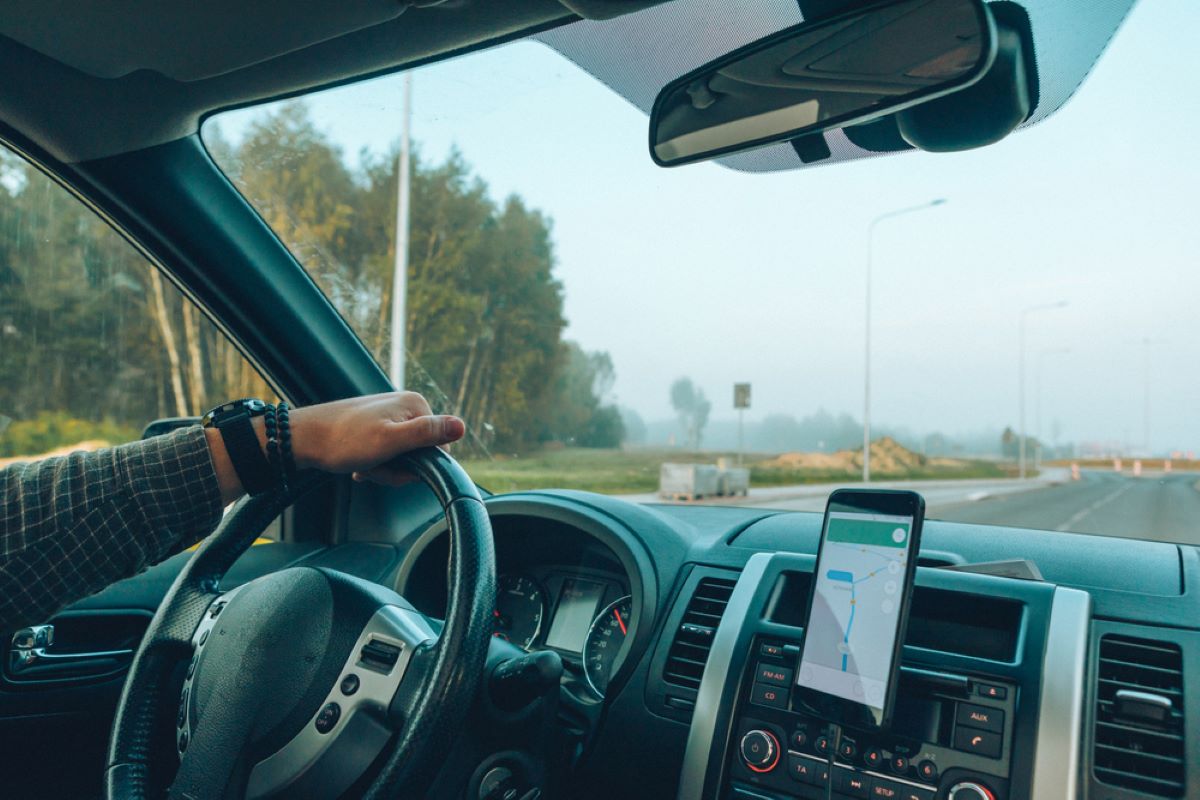
During heavy rain, fog, or snow, V2V-enabled cars will share sensor data to improve situational awareness proactively. Drivers will get real-time alerts about hidden obstacles and road conditions, preventing potential collisions and hazards. This will significantly reduce weather-related accidents and make dangerous conditions more manageable effectively.
Related: 11 Supercars With Designs Inspired By Jets, Rockets, And Sci-Fi
Reduced Reliance on Traffic Reports
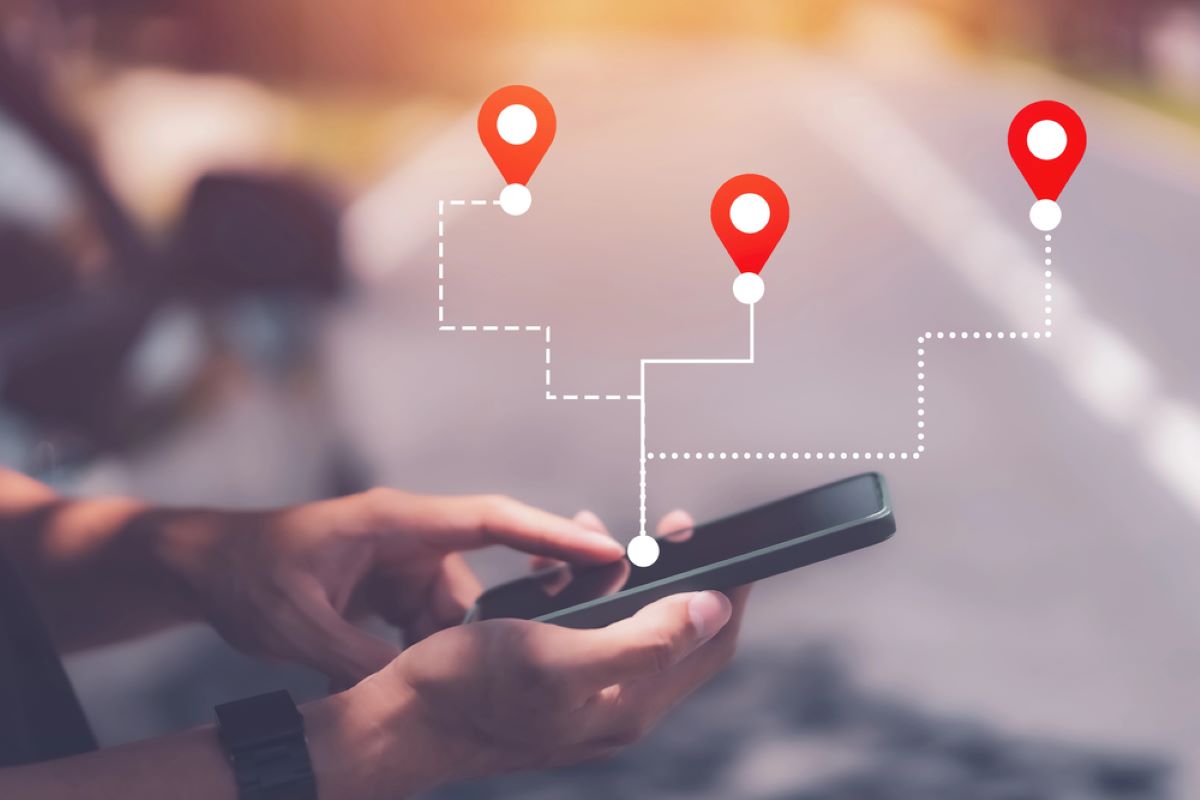
With V2V, cars will communicate traffic conditions directly, eliminating the need for radio or app updates altogether. Drivers will get automatic rerouting suggestions based on live data, ensuring the most efficient travel routes. This will make commutes more efficient without needing external updates, reducing delays and unnecessary frustrations dramatically.
Related: 13 Classic Sports Cars You Can Own Without Constant Repairs
Fuel Savings from Optimized Driving
V2V technology allows cars to adjust speed smoothly based on real-time road conditions, preventing inefficient acceleration patterns. This leads to better fuel efficiency and lower emissions, making driving more cost-effective and eco-friendly. Over time, drivers will see noticeable savings on gas, benefiting both wallets and the environment significantly.
Related: 12 Insider Tips Every Toyota Highlander Owner Should Know
Insurance Premiums Could Drop
With fewer accidents and safer driving habits, insurers may offer discounts to V2V-enabled car owners significantly. Safer roads mean fewer claims, allowing insurance companies to pass the savings onto customers more easily. This could make driving more affordable for many, encouraging adoption of V2V-equipped vehicles widely.
Related: 12 Corvette Competitors That Are Bringing The Heat In 2026
Better Coordination for Self-Driving Cars
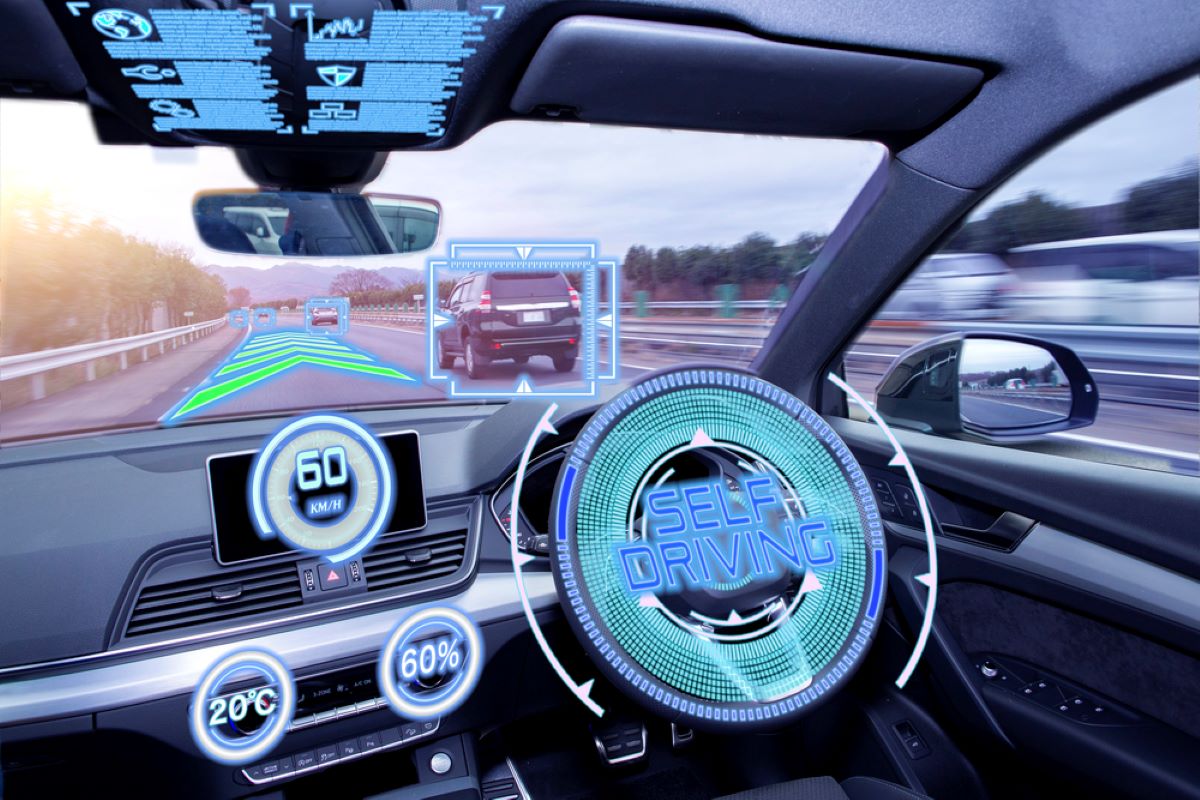
As autonomous vehicles become more common, V2V will help them navigate safely by exchanging critical data reliably. This real-time communication ensures self-driving cars react instantly to road changes, improving automated mobility efficiency. The result will be a smoother transition to full automation, reducing risks and enhancing self-driving reliability effectively.
Related: 12 Honda Cars That Are Set To Dominate The Roads In 2025
Car to car communication is poised to redefine the driving experience, making roads safer, more efficient, and better coordinated. As adoption grows, we’ll see a transformation in traffic patterns, emergency response, and even vehicle insurance. The future of driving is connected, intelligent, and on the path to a world with fewer accidents and smarter mobility solutions globally.
Disclaimer: This list is solely the author’s opinion based on research and publicly available information.
11 Hidden Cybersecurity Threats That Could Shut Down Your Car Instantly

As vehicles become more connected, they also become more vulnerable to cyberattacks. Hackers can exploit weaknesses in software, wireless systems, and even infotainment units to disable your car or gain control over critical functions. These threats aren’t just theoretical, they’ve already been tested in real-world scenarios by researchers and criminals alike. Here are 11 hidden cybersecurity threats that could shut down your car instantly.
Read it here: 11 Hidden Cybersecurity Threats That Could Shut Down Your Car Instantly
13 Terrifying Ways Driving Will Change Forever By 2030

The future of driving isn’t just about sleek electric vehicles and self-driving technology, it’s about a complete transformation of how we experience the road. By 2030, dramatic changes will reshape everything from car ownership to traffic laws, and not all of them will be welcome. Buckle up, because the next decade is bringing shifts that might just make driving unrecognizable and far more controlled than ever before.
Read it here: 13 Terrifying Ways Driving Will Change Forever By 2030
Top 12 Car Technologies That Will Be Standard in Every Vehicle by 2030

Automotive technology is evolving at an incredible pace, transforming the way we drive and interact with our vehicles. Features once reserved for luxury models, like AI powered assistance, self-parking, and advanced safety systems, are quickly becoming industry standards. By 2030, many of today’s cutting edge innovations will be included in nearly every new vehicle. Here are 12 car technologies that will be standard in the next generation of cars.
Read it here: Top 12 Car Technologies That Will Be Standard in Every Vehicle by 2030
You’ll love these related posts: