Car prices have been experiencing drastic shifts due to various economic, technological, and industry-related factors. While supply chain disruptions and inflation have played a role, deeper changes are happening that will permanently alter the car market. From AI-driven pricing models to government regulations and changing consumer preferences, the traditional ways of buying and valuing cars are evolving rapidly. Here are 12 key reasons why car prices will never be the same again, and the hidden factors most people aren’t talking about.
Global Supply Chain Disruptions

The auto industry continues to face supply chain issues from the pandemic, including shortages of semiconductors and raw materials. These constraints have raised production costs, forcing manufacturers to increase prices. Even as supply chains improve, companies are restructuring their sourcing strategies to prevent future disruptions.
The Shift Toward Direct-to-Consumer Sales

Tesla pioneered the direct-to-consumer sales model, eliminating dealerships and controlling pricing across all markets. Other manufacturers, including Ford and General Motors, are now adopting similar strategies to maintain higher profit margins. Without traditional dealership competition, haggling for a lower price becomes nearly impossible.
Increased Cost of Labor and Manufacturing

Wages for auto workers are rising due to union negotiations, inflation, and the complexity of manufacturing modern vehicles. With more high-tech components in cars today, assembling them requires skilled labor, which comes at a premium. As a result, manufacturing costs are steadily increasing, making vehicles more expensive across all categories.
Rising Interest Rates Affecting Auto Loans

Higher interest rates have made financing a vehicle more expensive, directly impacting affordability for consumers. As borrowing costs rise, many buyers are forced into longer loan terms, effectively paying more over time. This shift discourages cash purchases and incentivizes leasing, altering the overall market dynamics.
Related: 13 Insane Ways Remote Work Is Turning Cars Into Mobile Offices
Subscription-Based Car Features Driving Up Costs

Many automakers are now introducing subscription-based services for features that were once standard, such as heated seats or advanced driver assistance systems. This means consumers may pay a lower upfront price but end up spending more over time on monthly fees. While this model increases revenue for car companies, it makes owning a fully equipped vehicle costlier.
Related: 13 Reasons Young Drivers Are Ditching New Cars For Vintage Rides
Growth of Online Car Buying Platforms
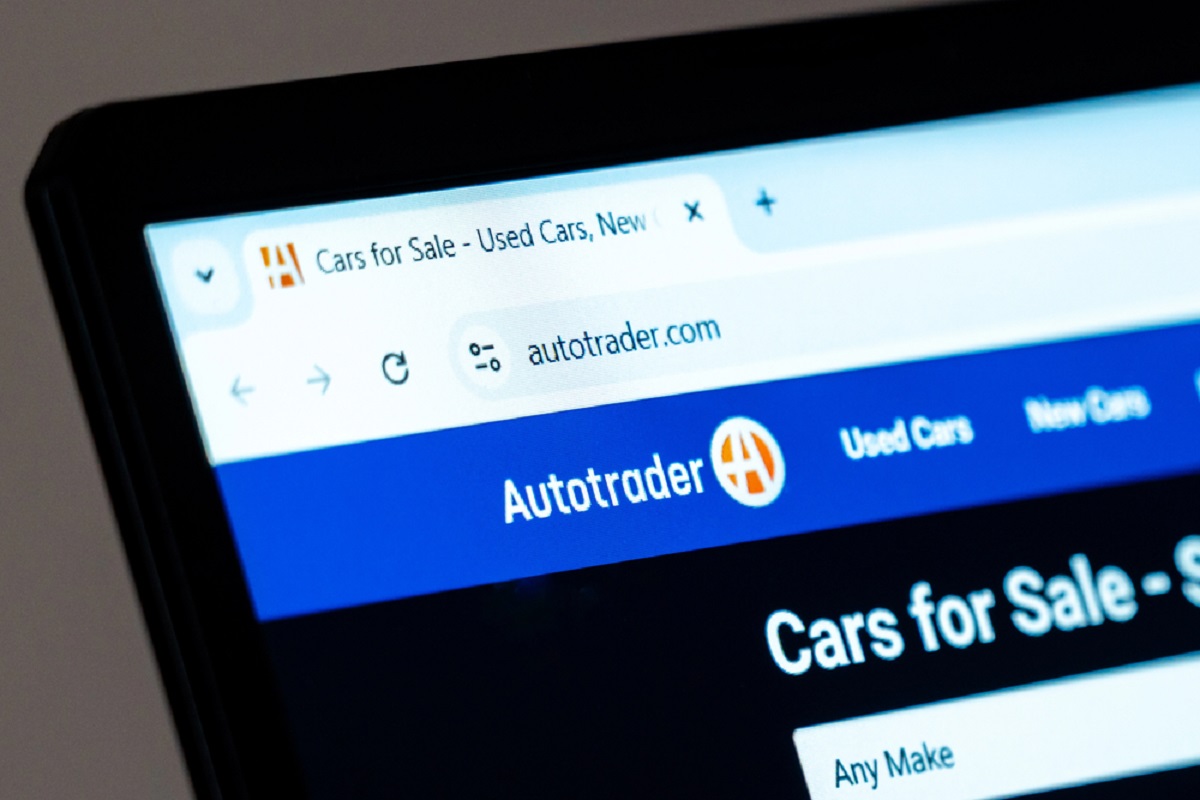
The rise of online car marketplaces has changed the way vehicles are sold, reducing overhead for dealerships but also increasing price transparency. While this benefits informed buyers, it also allows sellers to use data-driven pricing strategies to maximize profits. This shift means fewer unexpected deals and more standardized, manufacturer-controlled pricing.
Related: 14 Ways Social Media Is Changing How You Buy Cars
Automakers Prioritizing Profit Over Volume

Many car manufacturers have learned they can make higher profits by producing fewer vehicles at higher prices rather than flooding the market with lower-cost options. This shift in strategy reduces inventory but boosts revenue per unit sold. While this benefits automakers, it leads to higher car prices for consumers.
Related: 13 Game-Changing Driver-Assistance Features That Are Saving Lives On The Road
Expansion of Certified Pre-Owned (CPO) Programs

Used car prices have risen dramatically, partly due to the increased popularity of certified pre-owned (CPO) programs. Automakers now refurbish and sell used cars at premium prices, closing the gap between new and used car costs. With more buyers willing to pay extra for CPO warranties and inspections, used car prices remain elevated.
Related: 12 Genius Reasons Rear Seat Passenger Detection Is Now A Must-Have
Global Economic Uncertainty

Economic factors like inflation, supply chain instability, and geopolitical tensions have created volatility in vehicle pricing. Manufacturers hedge against economic downturns by adjusting prices to maintain profitability. Consumers face unpredictable costs, making long-term budgeting for a new car more difficult.
Related: 11 Anti-Theft Features That Could Save Your Car From Being Stolen
Higher Insurance Costs for New Cars

As vehicles become more technologically advanced, the cost of repairs and insurance premiums rises significantly. Advanced driver-assist systems, high-tech sensors, and expensive battery packs make claims more costly. Insurers pass these costs onto consumers, increasing the overall expense of car ownership.
Related: 11 Youngest Formula 1 Drivers In The History Of Car Racing
Automakers Limiting Discounting and Incentives

Manufacturers have reduced the incentives and rebates that once helped lower car prices. With demand still high, they no longer need to offer deep discounts to move inventory. This shift means buyers must pay closer to full price, making negotiations less favorable.
Related: 11 Most Dominant McLaren Drivers Who Ruled The Track
Changing Government Policies and Tax Incentives

Government policies on electric vehicles, emissions, and taxation play a critical role in shaping car prices. EV tax credits, import tariffs, and emissions penalties all contribute to fluctuations in pricing. While incentives can lower prices temporarily, regulatory shifts often bring unexpected cost increases.
Related: 13 Legendary Car Brands That Refuse To Build Electric Vehicle
Car prices are undergoing a fundamental transformation driven by multiple economic, technological, and regulatory factors. From AI-driven pricing to rising manufacturing costs and shifting consumer preferences, the traditional landscape of vehicle pricing is changing permanently. Buyers must navigate these changes strategically to make informed purchasing decisions. Understanding these hidden forces will help consumers adapt to the new reality of car ownership.
Disclaimer: This list is solely the author’s opinion based on research and publicly available information.
13 Car Shopping Apps That Practically Guarantee You The Best Deal

Buying a car can be overwhelming, but the right apps make it easier to find the best deal. Whether you’re looking for a new or used vehicle, these car shopping apps help you compare prices, read reviews, and negotiate like a pro. Many of these platforms also offer financing options, trade-in evaluations, and real-time dealership inventory. Here are 13 car shopping apps that practically guarantee you the best deal.
Read it here: 13 Car Shopping Apps That Practically Guarantee You The Best Deal
12 Car Buying Secrets Dealerships Pray You Never Find Out

Buying your first car is exciting, but it can also be stressful, especially when you’re on a budget. The good news? You don’t have to settle for a beat-up clunker to save money. With the right strategy, research, and negotiation tactics, you can score a great deal on a reliable car without breaking the bank. Here are 12 genius ways to pay less for your first car without ending up with a lemon!
Read it here: 12 Car Buying Secrets Dealerships Pray You Never Find Out
14 Most Popular Cars Parents Trust For Their Teens

Safety, reliability, and affordability are top priorities when choosing a car for a teen driver. Parents want vehicles with strong crash-test ratings, advanced safety features, and low maintenance costs. From compact sedans to small SUVs, these models offer peace of mind. Here are 14 cars parents trust for their teen drivers.
Read it here: 14 Most Popular Cars Parents Trust For Their Teens
You’ll love these related posts:
- 13 Jaw-Dropping Reasons Car Lovers Are Obsessed With AI-Powered Vehicles
- 11 Startling Reasons People Still Don’t Trust Self-Driving Cars
- 12 Shocking Ways Small SUVs Are Making Sedans Obsolete
- 12 Insane Ways Wireless Charging And Smart Dashboards Are Taking Over New Cars
- 13 Ways High Insurance Costs Are Quietly Reshaping The Future Of Car Ownership