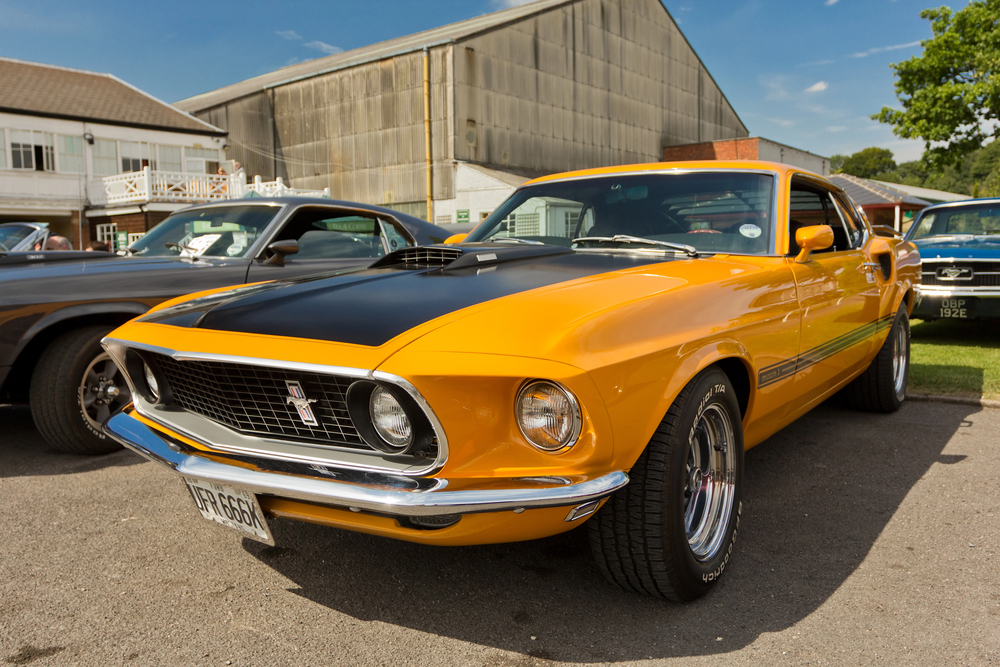
General Motors (GM) is one of the world’s largest and most influential automotive companies, overseeing a wide range of brands throughout its history. Some of these brands have become household names, while others have faded into obscurity or been discontinued. From luxury to performance, GM has built a diverse portfolio of vehicles catering to various markets and driving needs. Here are 15 car brands that have been managed by General Motors over the years.
Chevrolet
Chevrolet is GM’s most iconic and best-selling brand, known for its versatility in producing trucks, sedans, SUVs, and sports cars. Models like the Corvette, Camaro, and Silverado have cemented Chevy’s reputation for performance and durability. Chevrolet’s lineup balances affordability, reliability, and innovation, making it one of the most popular car brands globally. As a core part of GM, Chevrolet continues to push boundaries in electric vehicles and advanced technology.
Cadillac
Cadillac represents GM’s luxury division, offering high-end sedans, SUVs, and performance vehicles. Known for models like the Escalade, CT5, and the V-Series performance lineup, Cadillac has maintained a reputation for elegance and cutting-edge technology. Over the years, the brand has transitioned towards electrification with the introduction of the Cadillac Lyriq. Its combination of heritage and innovation keeps Cadillac competitive in the premium automotive market.
GMC
GMC specializes in trucks, SUVs, and commercial vehicles, positioning itself as a more upscale alternative to Chevrolet. Models like the Sierra, Yukon, and Hummer EV showcase GMC’s focus on ruggedness and premium utility. The Denali and AT4 trims add a touch of luxury and off-road capability to its lineup. GMC remains a key player in North America’s truck and SUV market, combining power and refinement.
Buick
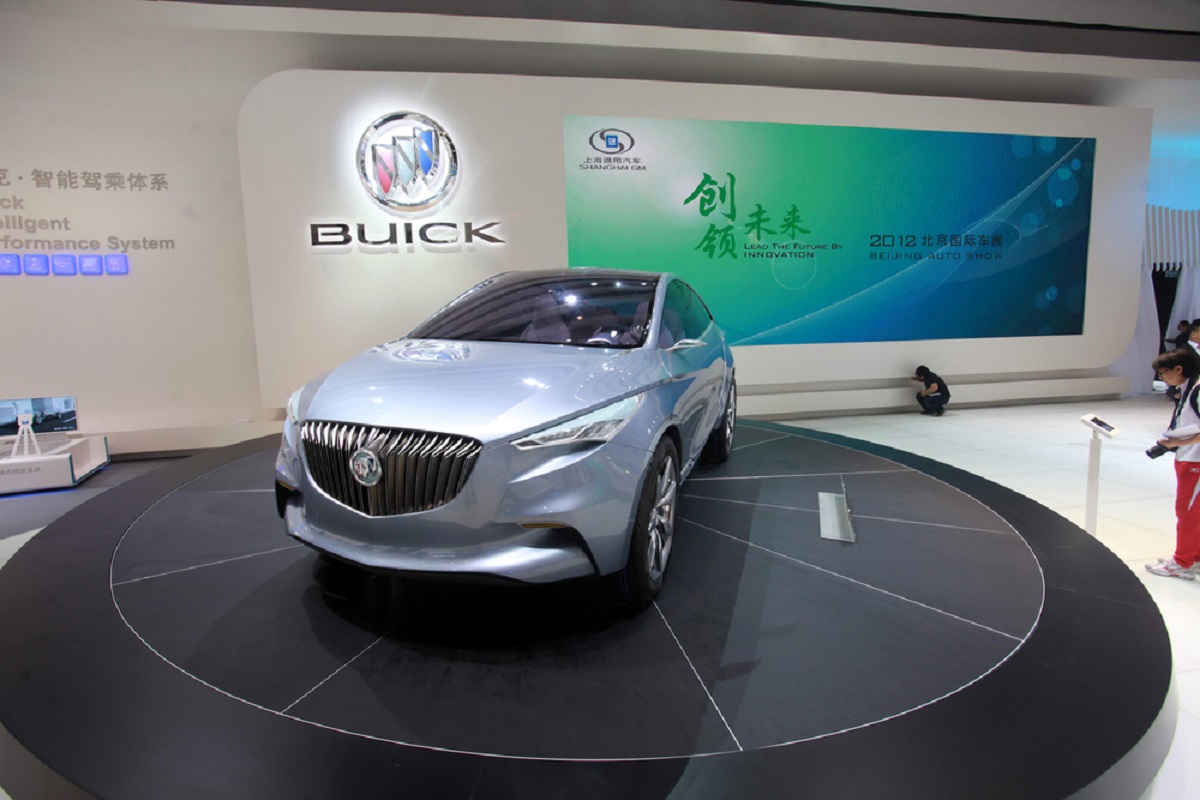
Buick is GM’s near-luxury brand, offering premium yet affordable vehicles aimed at a more mature audience. Historically known for large sedans, Buick has shifted focus to SUVs like the Enclave, Encore, and Envision. Its refined design and comfortable ride quality set it apart from mainstream brands while staying below Cadillac in GM’s hierarchy. Buick continues to evolve, appealing to younger buyers with stylish and modern offerings.
Related: 14 Legendary Ferraris That Cost More Than an Entire Neighborhood
Pontiac

Pontiac was once GM’s performance-oriented brand, producing muscle cars like the GTO, Firebird, and Trans Am. Known for its aggressive styling and sporty engineering, Pontiac thrived in the 1960s and 1970s. However, GM discontinued the brand in 2010 as part of its financial restructuring. Despite its demise, Pontiac remains a beloved name among car enthusiasts, with classic models still in high demand.
Related: 12 Mind-Blowing Cars In Jay Leno’s Collection With Wild Backstories
Oldsmobile
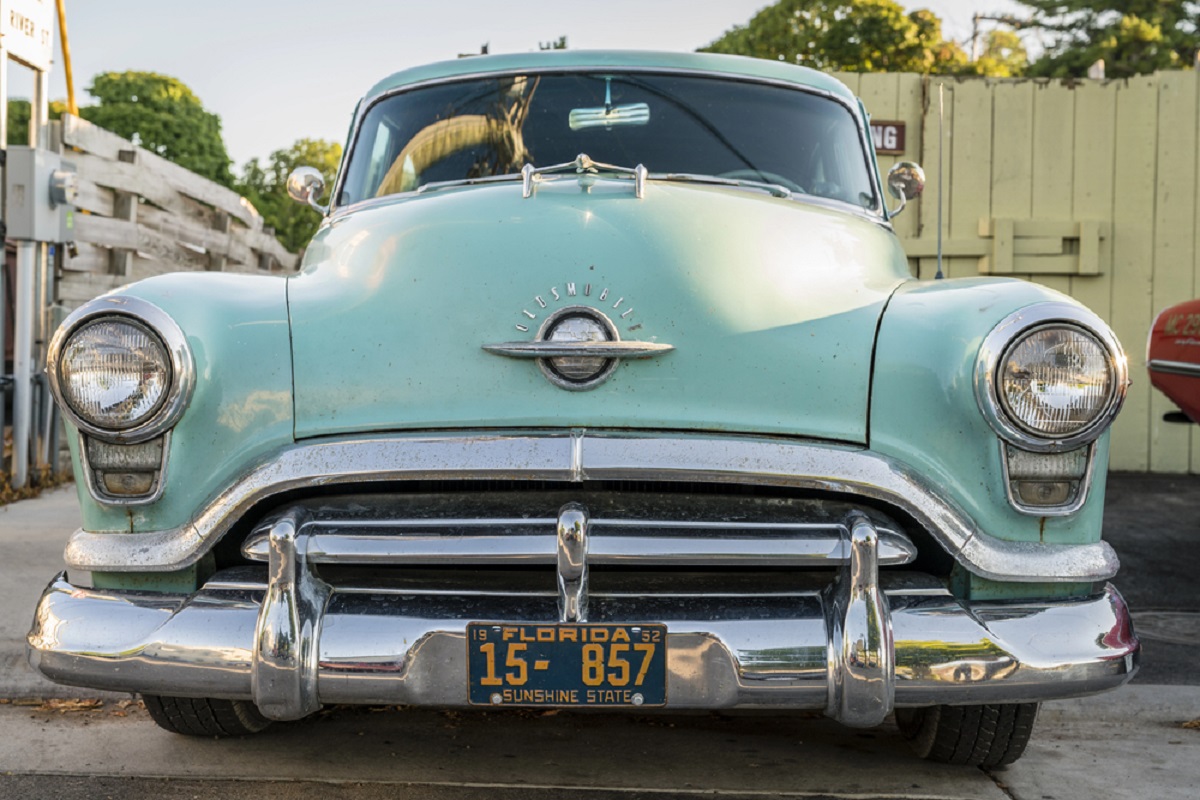
Oldsmobile was one of America’s oldest car brands, founded in 1897 and integrated into GM in 1908. It pioneered many automotive innovations, including the first automatic transmission in mass-market cars. Despite a rich history, GM phased out Oldsmobile in 2004 due to declining sales and market relevance. The legacy of models like the Cutlass and 442 continues to influence the industry.
Related: 15 Driving Mistakes That Secretly Drain Your Gas Tank
Saturn

Launched in 1985, Saturn was GM’s attempt to compete with Japanese automakers by offering fuel-efficient, affordable cars. Known for vehicles like the Saturn S-Series and Vue, the brand emphasized no haggle pricing and customer satisfaction. Despite early success, GM discontinued Saturn in 2010 after struggling with financial losses and market competition. Its departure marked the end of an ambitious, consumer-focused experiment.
Hummer
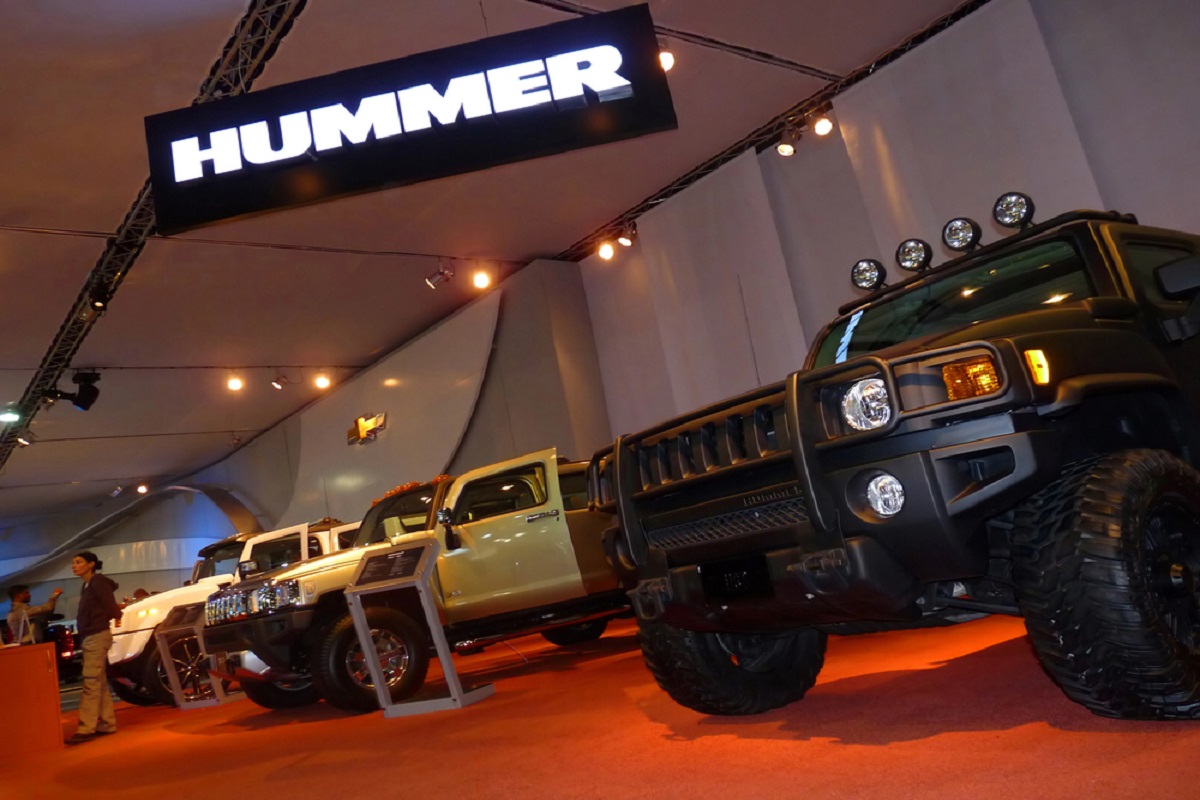
Hummer originated as a military-inspired off-road brand known for the H1, H2, and H3 models. It gained a cult following for its bold design and unmatched off-road capability but was discontinued in 2010 due to high fuel consumption and changing consumer preferences. GM revived Hummer in 2020 as an electric sub-brand under GMC, launching the Hummer EV. The new Hummer combines extreme power with sustainable technology, redefining its image.
Related: 12 Secret Tricks That Make Teaching Your Teen To Drive Way Less Stressful
Opel

Opel was GM’s primary European brand, producing compact and midsize cars that were also rebadged for other markets. Known for models like the Astra, Corsa, and Insignia, Opel played a significant role in GM’s global strategy. In 2017, GM sold Opel to the PSA Group (now part of Stellantis), ending its nearly 90-year ownership. Despite the separation, many Opel designs continue to influence GM vehicles worldwide.
Related: 13 Costly Driving Blunders That Are Putting You at Risk
Vauxhall

Vauxhall was GM’s UK-based counterpart to Opel, offering similar models tailored for the British market. It shared platforms and technology with Opel, producing cars like the Vauxhall Corsa, Astra, and Insignia. Like Opel, Vauxhall was sold to PSA Group in 2017, marking GM’s exit from the European passenger car market. The brand remains popular in the UK under its new ownership.
Holden

Holden was GM’s Australian division, producing unique vehicles tailored to the region’s preferences. Known for models like the Commodore and Ute, Holden developed a strong following for performance-oriented cars. GM shut down Holden in 2021 due to declining sales and shifting business priorities. Despite its closure, Holden’s legacy remains strong among car enthusiasts in Australia and beyond.
Related: These 15 Cars Ruled Their Time and Became Cultural Phenomena
Daewoo
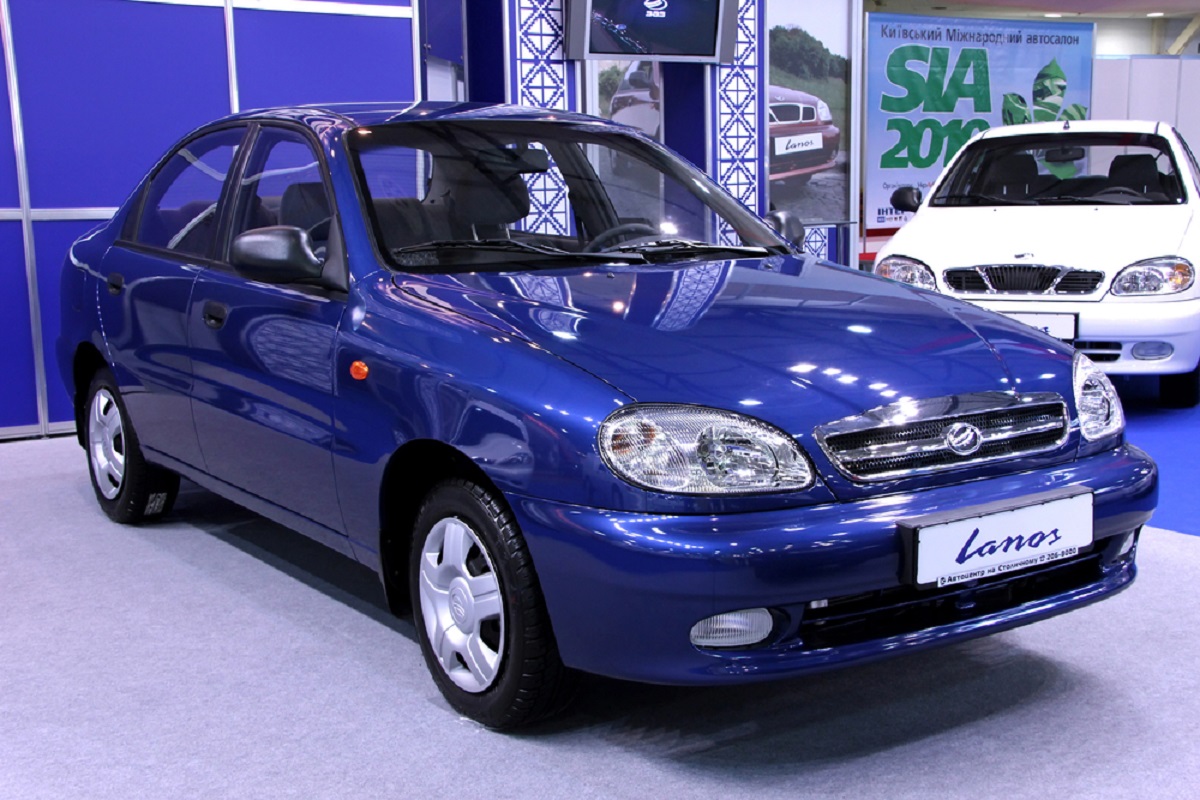
GM acquired a stake in South Korean automaker Daewoo in 2001, using it to expand its presence in Asia and developing markets. Daewoo-built cars were rebadged as Chevrolets in many regions, with models like the Matiz and Aveo becoming global hits. In 2011, GM phased out the Daewoo name, fully integrating it into the Chevrolet brand. The acquisition helped GM strengthen its foothold in emerging markets.
Related: 12 Legendary Video Game Cars That Are Shockingly Real
Baojun
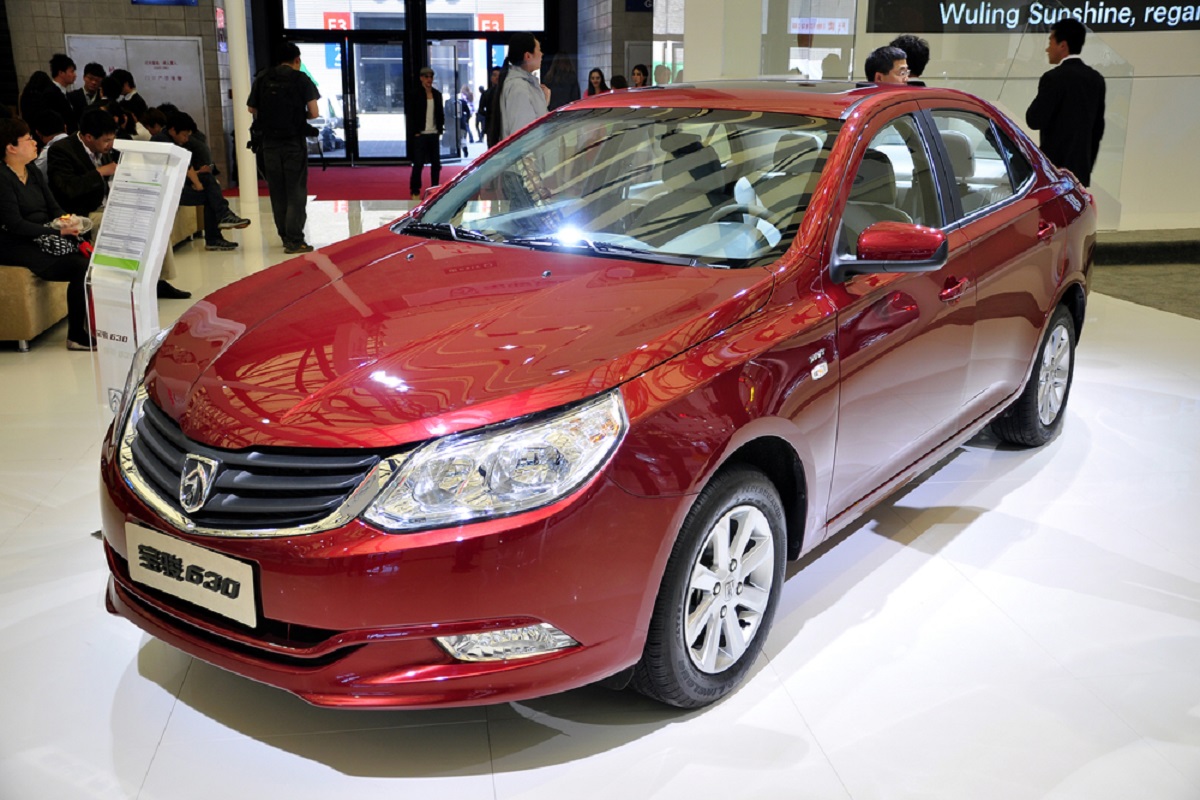
Baojun is a GM joint venture brand in China, focusing on affordable, practical cars and electric vehicles. It primarily caters to budget-conscious consumers with compact sedans, SUVs, and small EVs. Baojun’s models have gained popularity in China due to their modern features and competitive pricing. The brand continues to evolve, emphasizing new energy vehicles in China’s growing EV market.
Related: 12 Budget-Friendly Sports Cars That Will Blow Your Mind
Wuling

Wuling, another GM joint venture in China, specializes in small commercial vans, affordable passenger cars, and electric microcars. It gained international recognition with the Wuling Hongguang Mini EV, one of the world’s best-selling electric cars. The brand’s focus on cost-effective mobility solutions has made it a leader in China’s entry-level automotive segment. Wuling’s influence is expanding as demand for micro EVs grows.
Related: 15 Game Changing Car Tricks That Will Transform How You Drive
Asüna
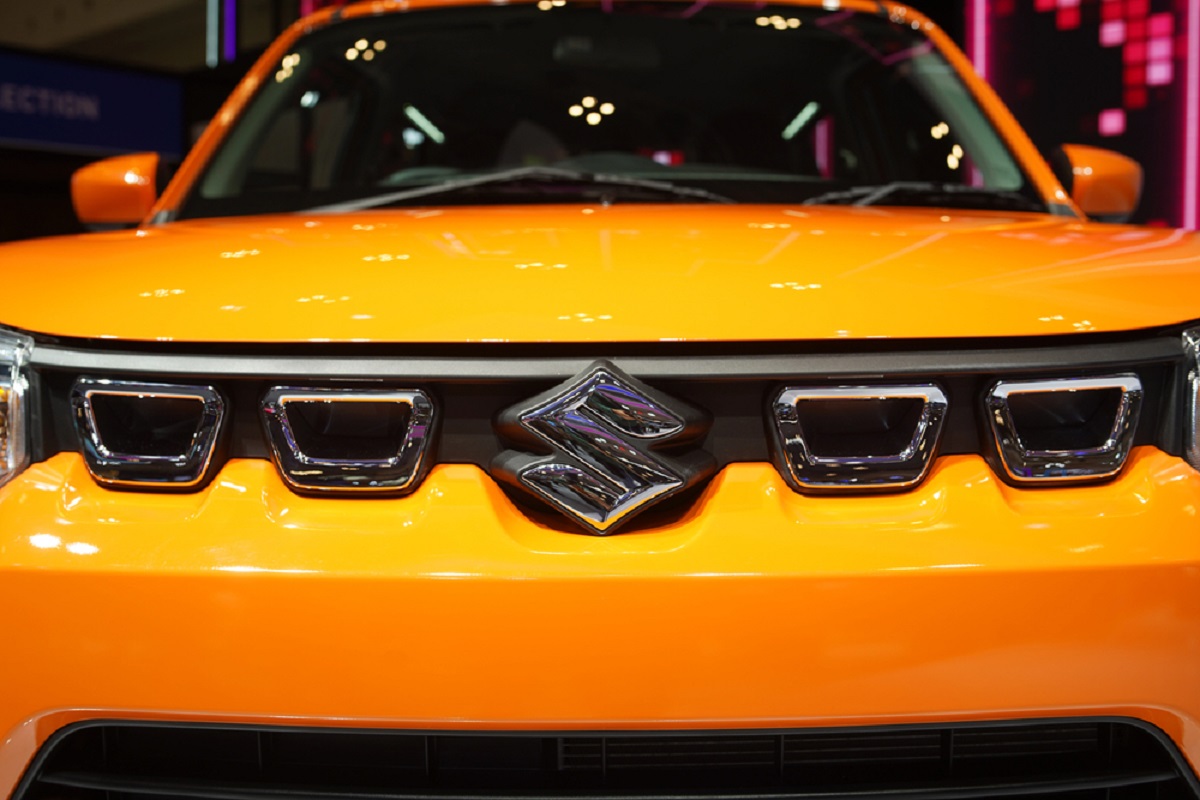
Asüna was a short-lived GM brand in Canada, introduced in the early 1990s as a budget-friendly alternative. It rebadged vehicles from Isuzu and Suzuki, offering compact cars and small SUVs. Due to poor sales and branding confusion, Asüna was discontinued in 1995. The brand remains one of GM’s lesser-known experiments in regional market segmentation.
Related: 15 Insanely Clever Driving Hacks Every Car Owner Wishes They Knew Sooner
General Motors has managed a diverse portfolio of car brands, ranging from mainstream giants like Chevrolet to lesser-known names like Asüna and Marquette. Some brands, like Pontiac and Saturn, were phased out, while others, like Opel and Holden, were sold to other companies. Today, GM continues to focus on innovation with electric and autonomous vehicles across its active brands. The company’s rich history highlights its adaptability and influence in the global automotive industry.
Disclaimer: This list is solely the author’s opinion based on research and publicly available information.
15 Dodge Cars That Redefined Speed And Became Instant Classics

Dodge has built a reputation for creating some of the fastest and most powerful cars in automotive history. From muscle cars to modern-day supercharged beasts, Dodge vehicles have continually pushed the boundaries of speed and performance. Whether it’s the raw power of a Challenger Hellcat or the timeless appeal of the Charger, Dodge has consistently delivered legendary cars that leave a lasting impression. Here are 15 Dodge cars that redefined speed and became instant classics.
Read it here: 15 Dodge Cars That Redefined Speed And Became Instant Classics
12 Insane Cars From Dead Companies You Wish Would Return
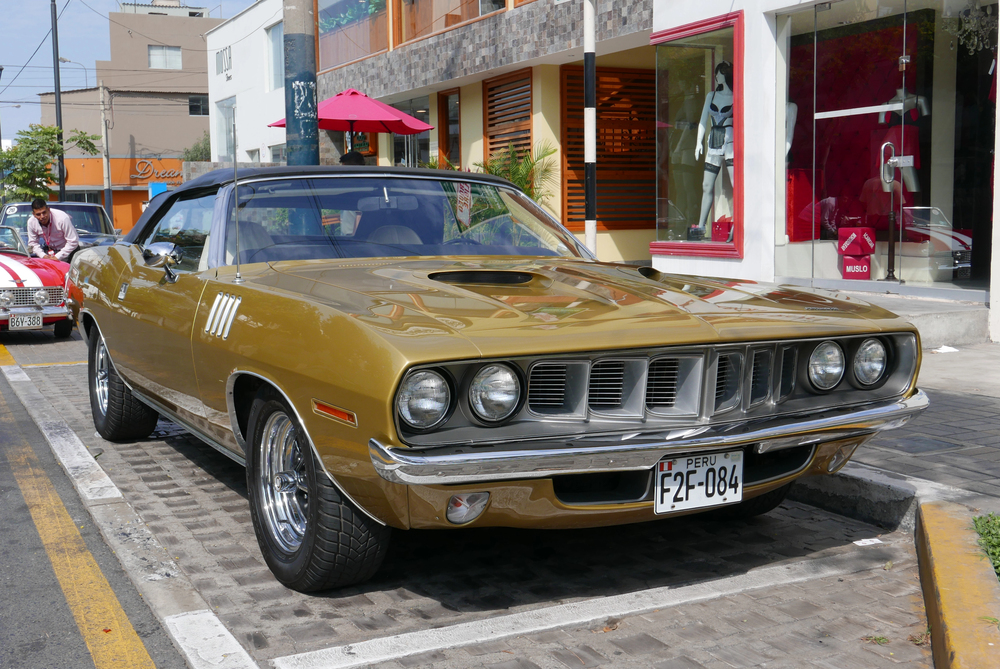
Some of the most legendary cars in history came from companies that are no longer around. These vehicles pushed boundaries in performance, design, and innovation, leaving a lasting impression despite their brands’ demise. While these automakers have faded into history, their creations continue to be admired by enthusiasts worldwide. Here are 12 insane cars from dead companies that deserve a second chance on the road.
Read it here: 12 Insane Cars From Dead Companies You Wish Would Return
15 Legendary Cars That Were Lightyears Ahead of Their Time

Some cars don’t just drive, they lead revolutions. These trailblazers introduced groundbreaking features, designs, and technologies that reshaped the entire auto industry. From pioneering performance to futuristic innovations, these 15 game-changers set the standard before anyone else even thought of it.
Read it here: 15 Legendary Cars That Were Lightyears Ahead of Their Time
You’ll love these related posts: