Ever wondered why some high-end cars feel eerily familiar to budget-friendly models? It’s not a coincidence many luxury and performance vehicles share parts with their more affordable cousins. From engines to infotainment systems, manufacturers often cut costs by borrowing components across different price ranges.
Here are 13 car models that secretly share parts with cheaper vehicles, proving that sometimes, luxury is just a well-dressed economy car.
Audi R8 and Volkswagen Golf, Surprising Switchgear Similarities
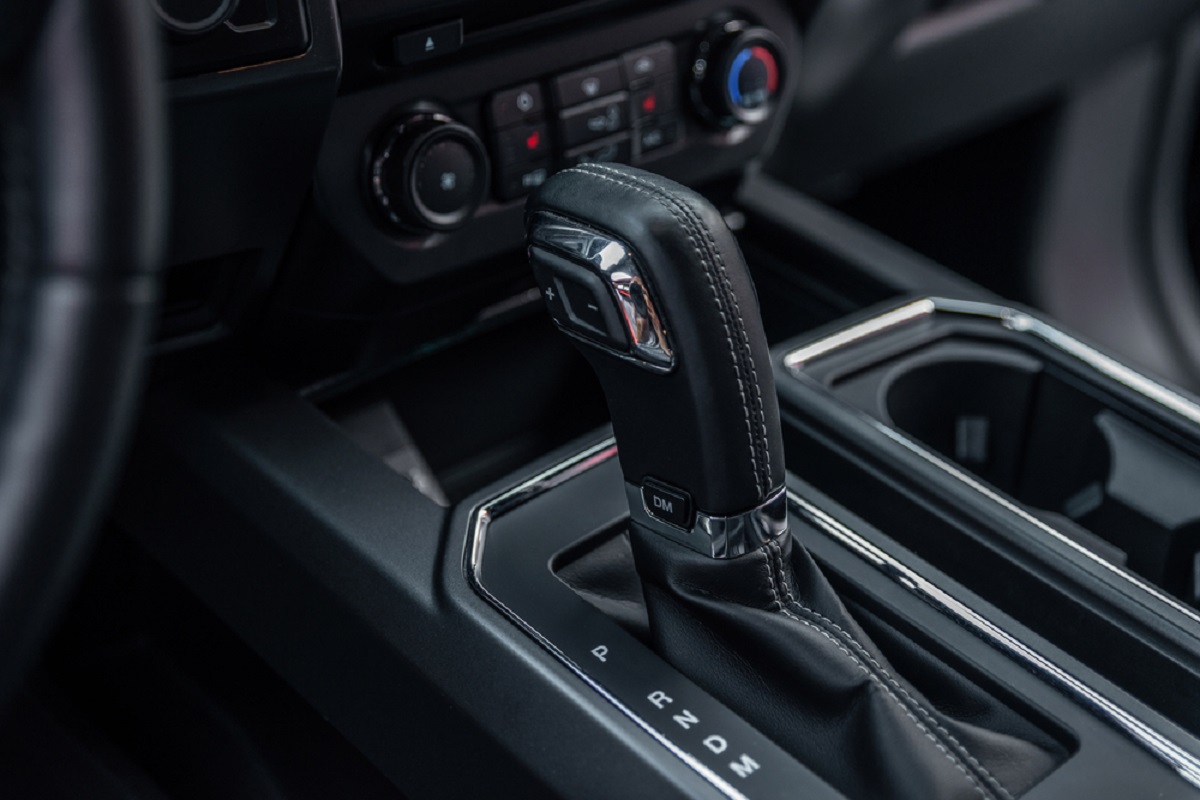
You’d expect the Audi R8, a supercar, to have entirely bespoke components, but it borrows a surprising number of parts from the humble Volkswagen Golf. The turn signal and wiper stalks, window switches, and even some infotainment controls come straight from VW’s parts bin. While the R8’s performance is leagues ahead, eagle-eyed drivers may recognize familiar touches inside.
Aston Martin DB7 and Mazda MX-5—Shared HVAC Controls

Despite its British luxury branding, the Aston Martin DB7 shares multiple parts with Mazda’s budget-friendly MX-5 Miata. One of the most noticeable? The climate control system, which is lifted straight from Mazda’s lineup. While the DB7 boasts a powerful engine and elegant styling, some of its cabin details are far less exclusive.
Bentley Continental GT and Volkswagen Phaeton, Under the Skin Twins
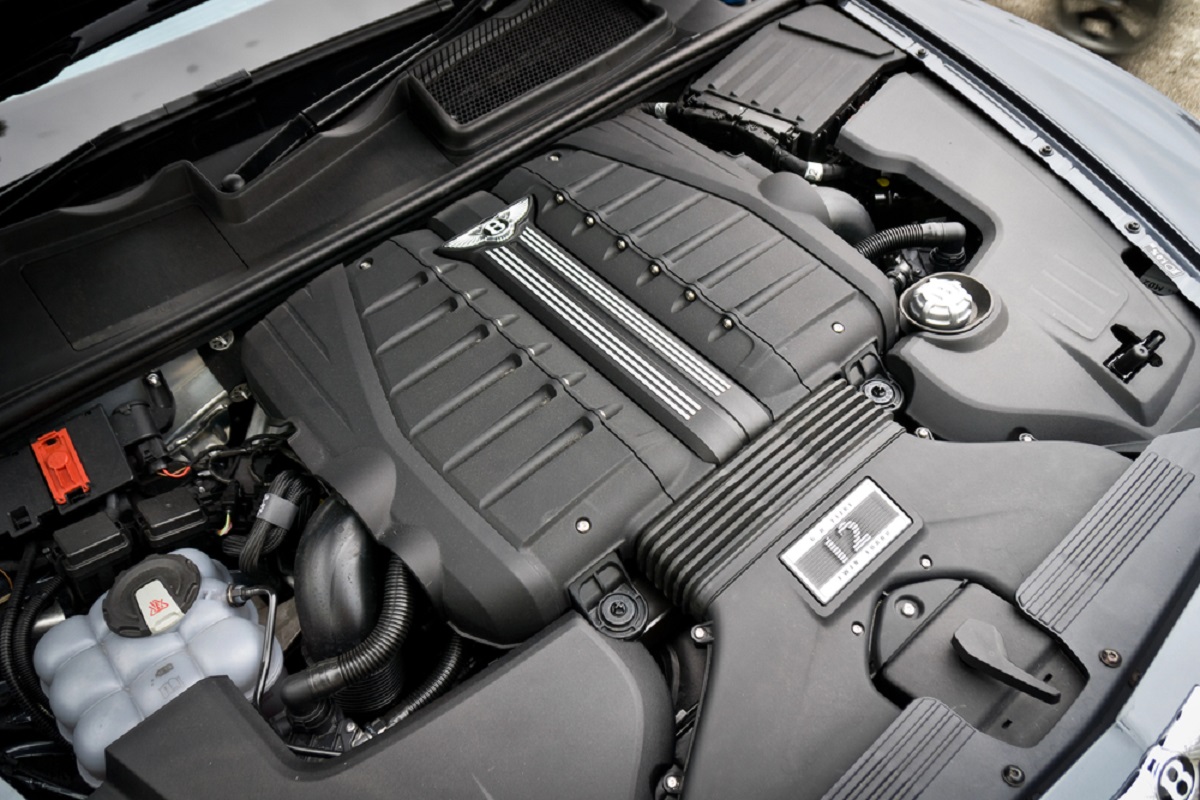
The Bentley Continental GT may ooze luxury, but it shares a significant portion of its underpinnings with the Volkswagen Phaeton. Both cars use the same platform and even share the W12 engine in certain configurations. This connection makes Bentley’s flagship coupe feel less like a handcrafted masterpiece and more like a high-end Volkswagen in disguise
BMW Z4 and Toyota Supra—A Joint Engineering Effort
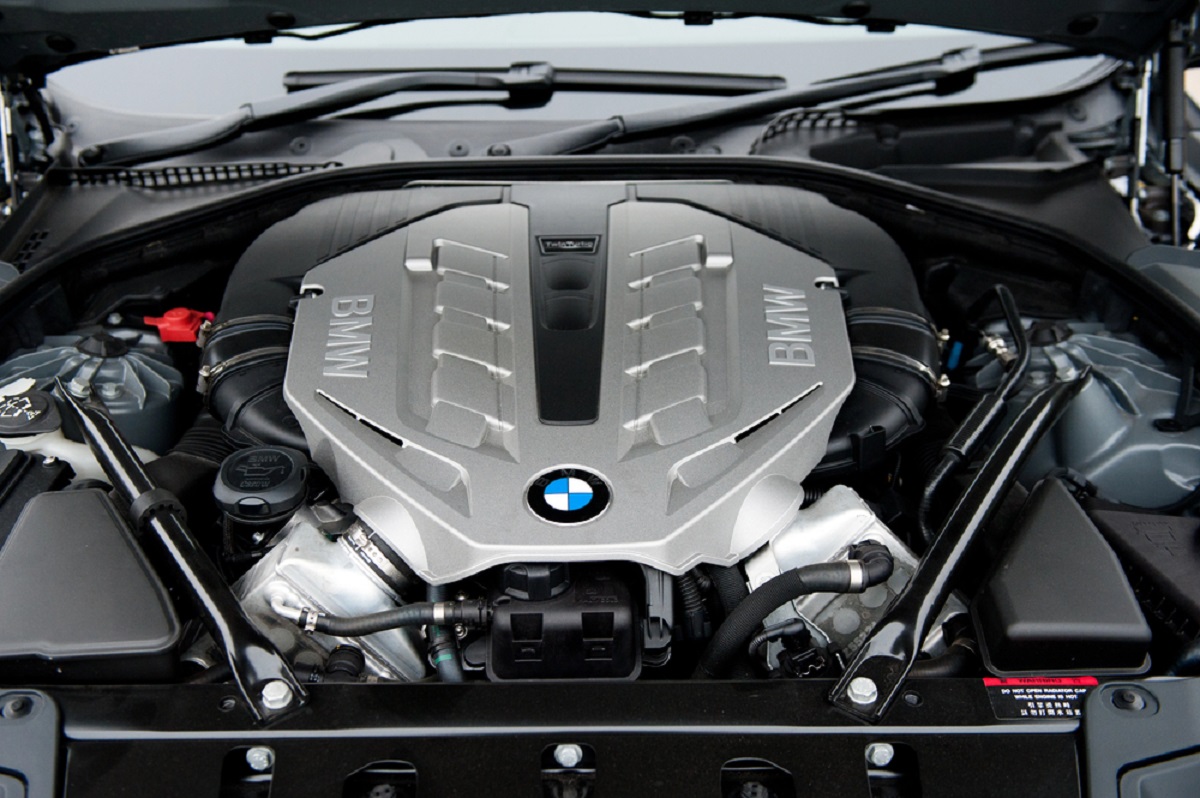
The Toyota Supra might carry a legendary nameplate, but under the hood, it’s practically a BMW Z4. Toyota and BMW collaborated closely, meaning the Supra shares its engine, transmission, and much of its interior with the Z4. While purists debate whether it’s a “real” Supra, there’s no denying the German engineering influence.
Cadillac XLR and Chevrolet Corvette—Luxury on a Corvette Frame
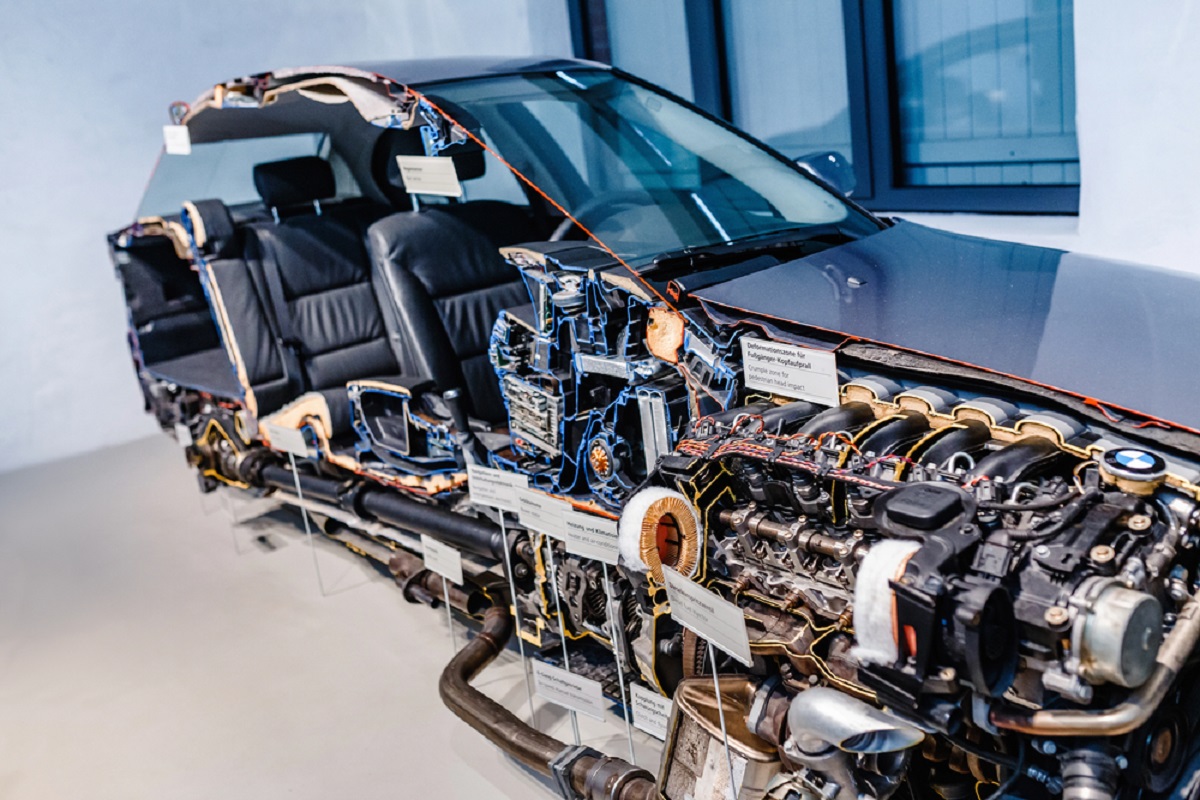
The Cadillac XLR was meant to be a luxury roadster, but beneath its sharp-edged styling, it’s heavily based on the Chevrolet Corvette. The two cars share a chassis, transmission, and even some suspension components. However, the XLR added Cadillac’s signature luxury touches, including a retractable hardtop and a more refined ride.
Chrysler Crossfire and Mercedes-Benz SLK—Old German DNA
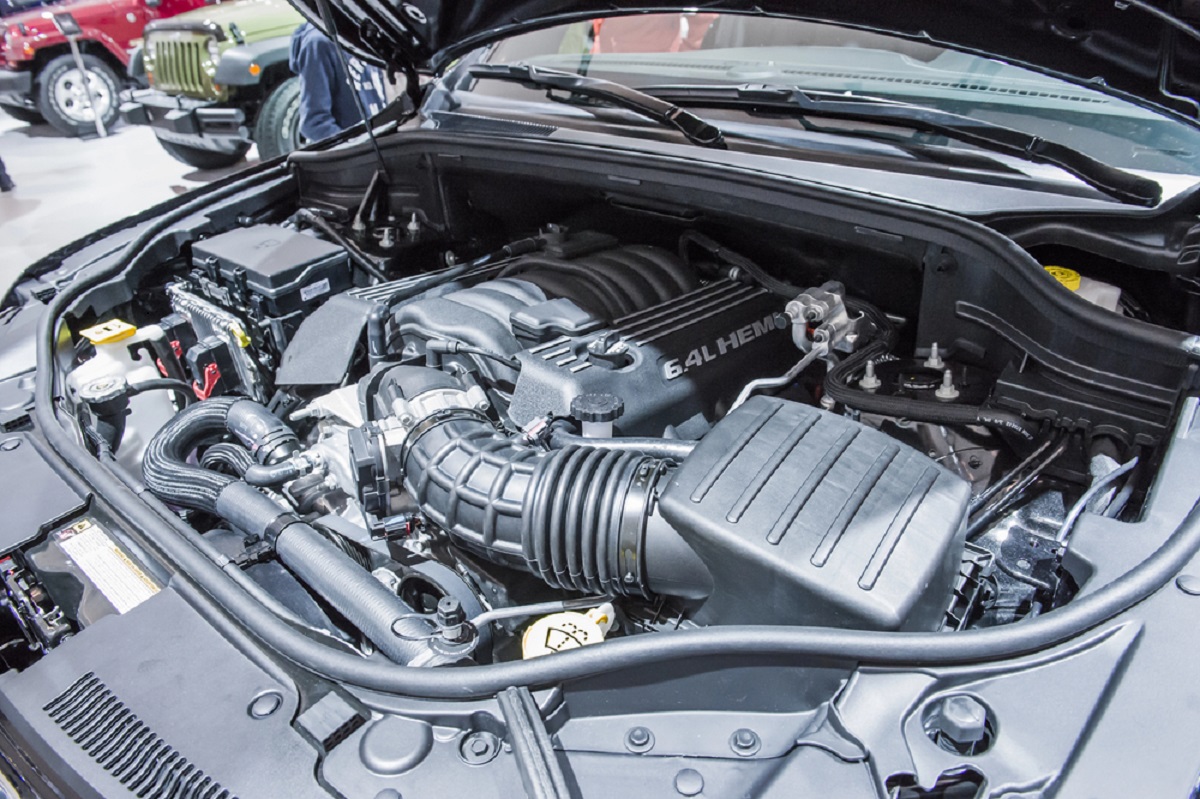
The Chrysler Crossfire might look like a uniquely American coupe, but it’s essentially a first-generation Mercedes-Benz SLK underneath. Built when Chrysler and Mercedes were corporate siblings, the Crossfire borrows its engine, transmission, and many interior bits from the SLK. Even the key fob is straight from Mercedes, making it a budget-friendly way to experience German engineering.
Dodge Challenger and Mercedes-Benz E-Class—A Muscle Car’s German Roots
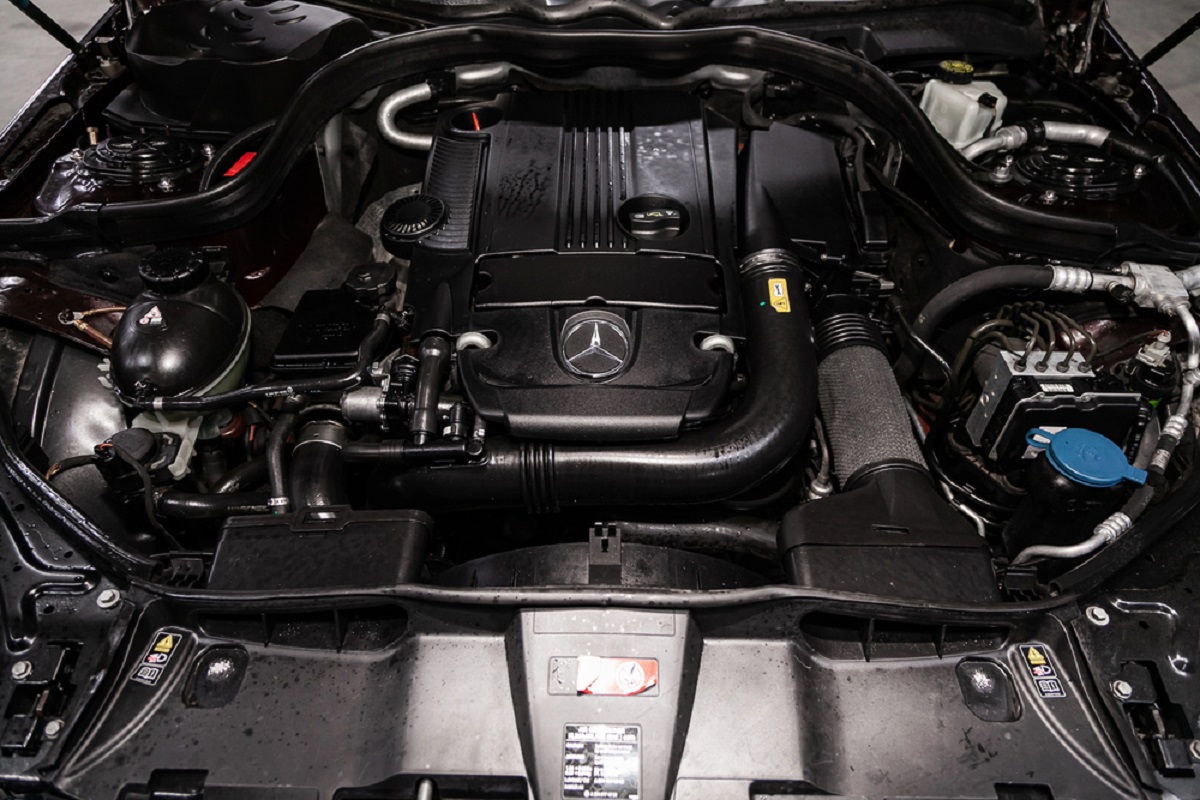
The modern Dodge Challenger may scream American muscle, but its underpinnings tell a different story. The car’s platform is derived from the Mercedes-Benz E-Class of the early 2000s, a remnant of the Daimler Chrysler era. While Dodge has updated the chassis over time, the German influence remains evident in its suspension design and structural elements.
Ferrari California and Fiat Punto—Shared Steering Column
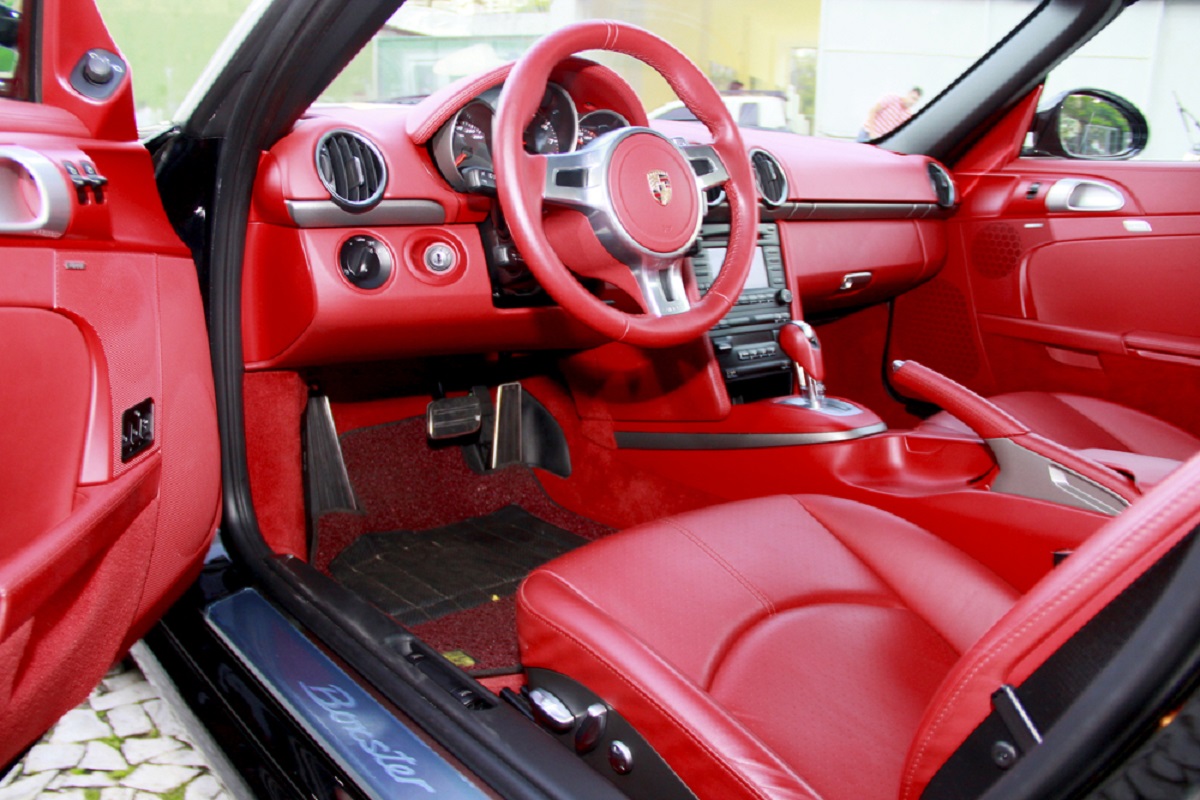
Yes, you read that right, the Ferrari California, a high-end Italian grand tourer, shares its steering column with the humble Fiat Punto. While Ferrari focused on delivering performance and luxury, some cost-cutting led them to borrow minor components from Fiat’s economy lineup. It’s a reminder that even supercars aren’t immune to parts sharing.
Ford GT and Ford Focus—Switchgear Straight from a Compact Car
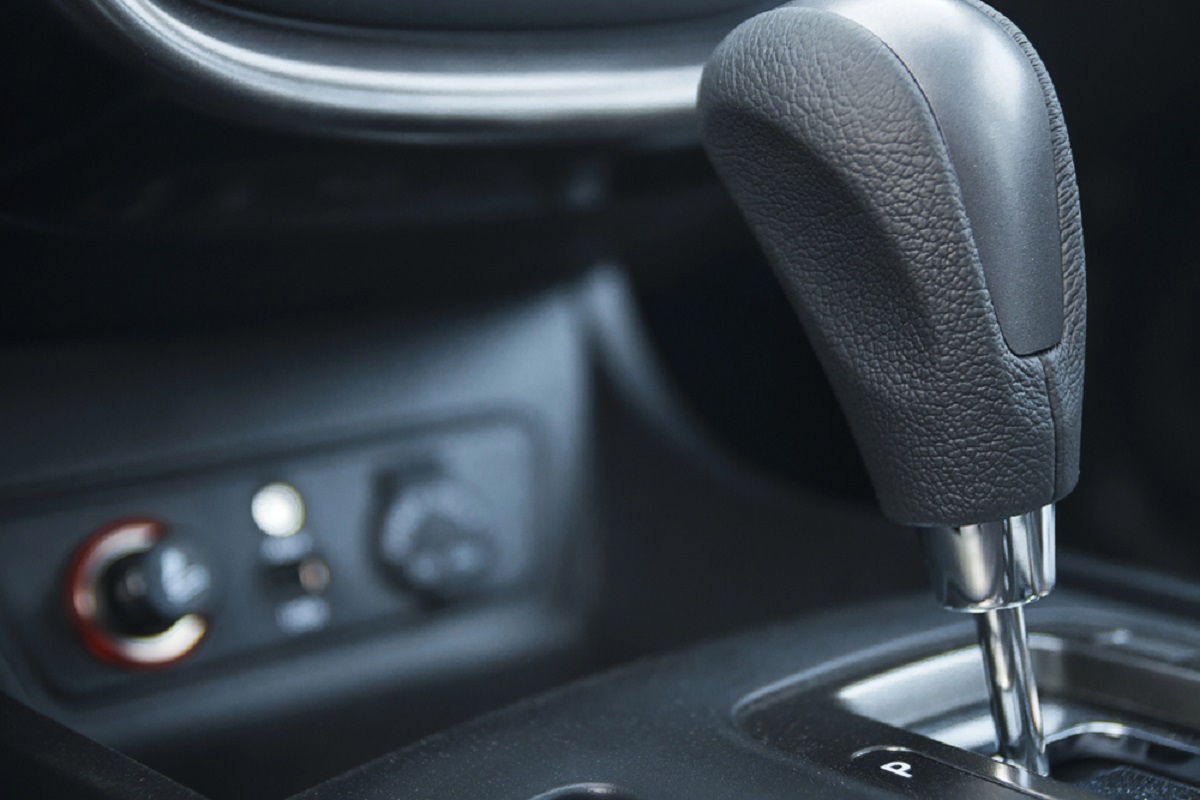
The Ford GT is a stunning supercar, but look closely at the interior, and you’ll spot switches and buttons straight from the Ford Focus. To keep costs reasonable, Ford used existing parts for things like window controls and stalks. Fortunately, its twin-turbo V6 and aerodynamic design make up for any economy car reminders.
Jaguar X-Type and Ford Mondeo—A Luxury Sedan’s Family Connection
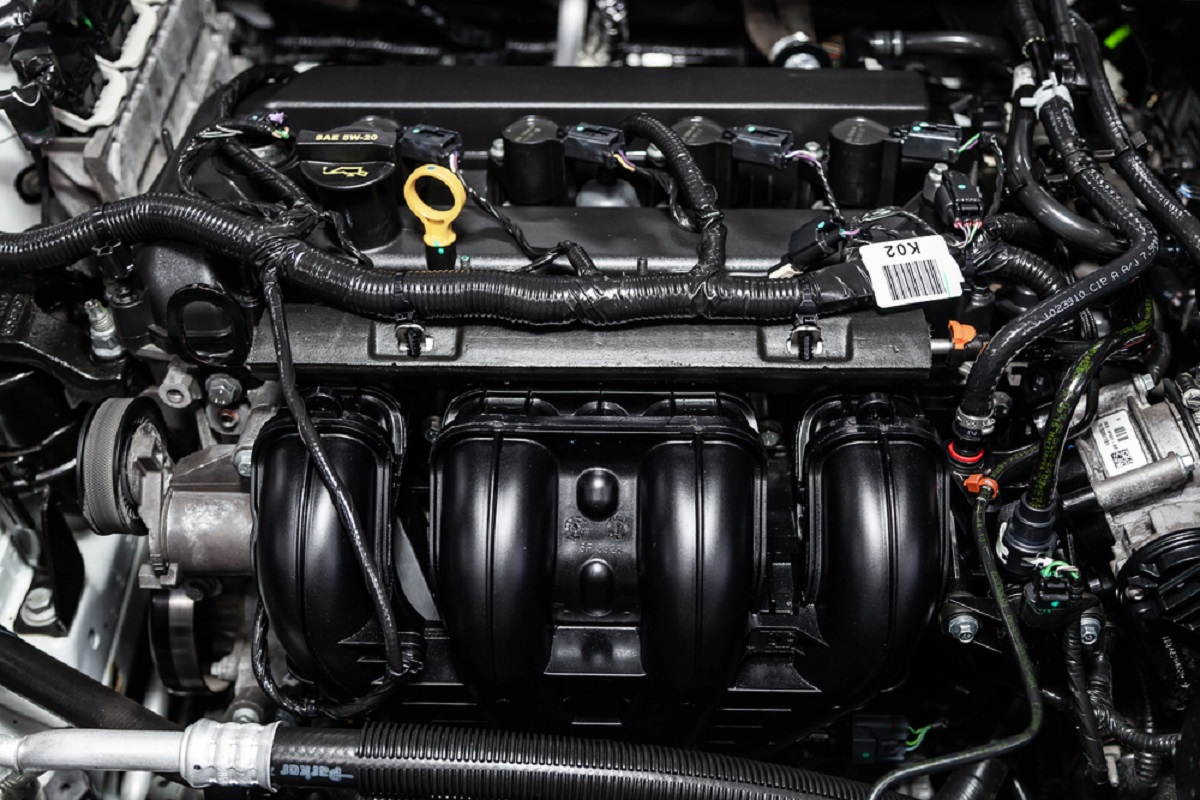
Marketed as a true British luxury car, the Jaguar X-Type was actually built on a Ford Mondeo platform. While Jaguar tried to distance itself from its Ford roots, many of the car’s suspension components, engines, and even interior buttons were Mondeo-sourced. This connection led to criticism that the X-Type wasn’t a “real” Jaguar.
Jeep Grand Cherokee and Mercedes-Benz M-Class—Luxury SUV DNA
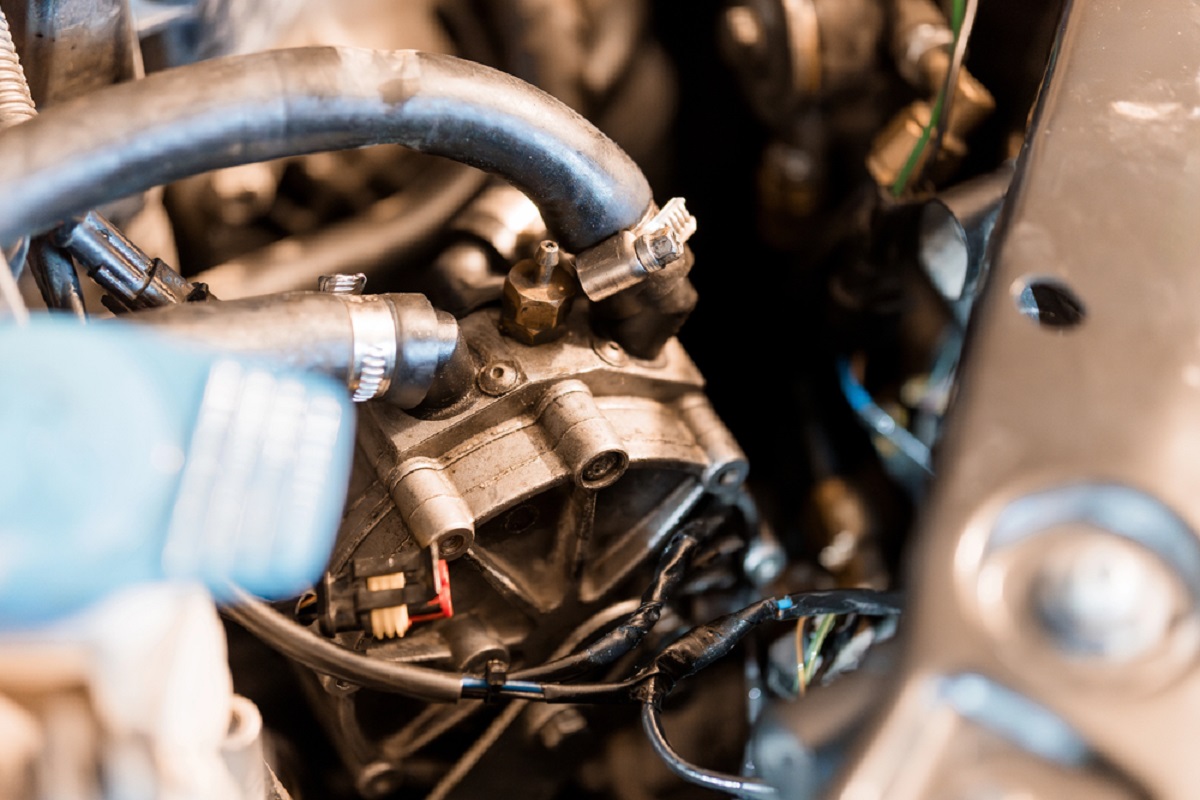
The Jeep Grand Cherokee is known for its rugged off-road capabilities, but its modern versions borrow heavily from the Mercedes-Benz M-Class. Developed during the Daimler-Chrysler era, these SUVs share structural components, suspension elements, and even some drivetrain technology. It’s part of why the Grand Cherokee offers such a refined ride.
Lamborghini Gallardo and Audi TT—Borrowed Interior Switches
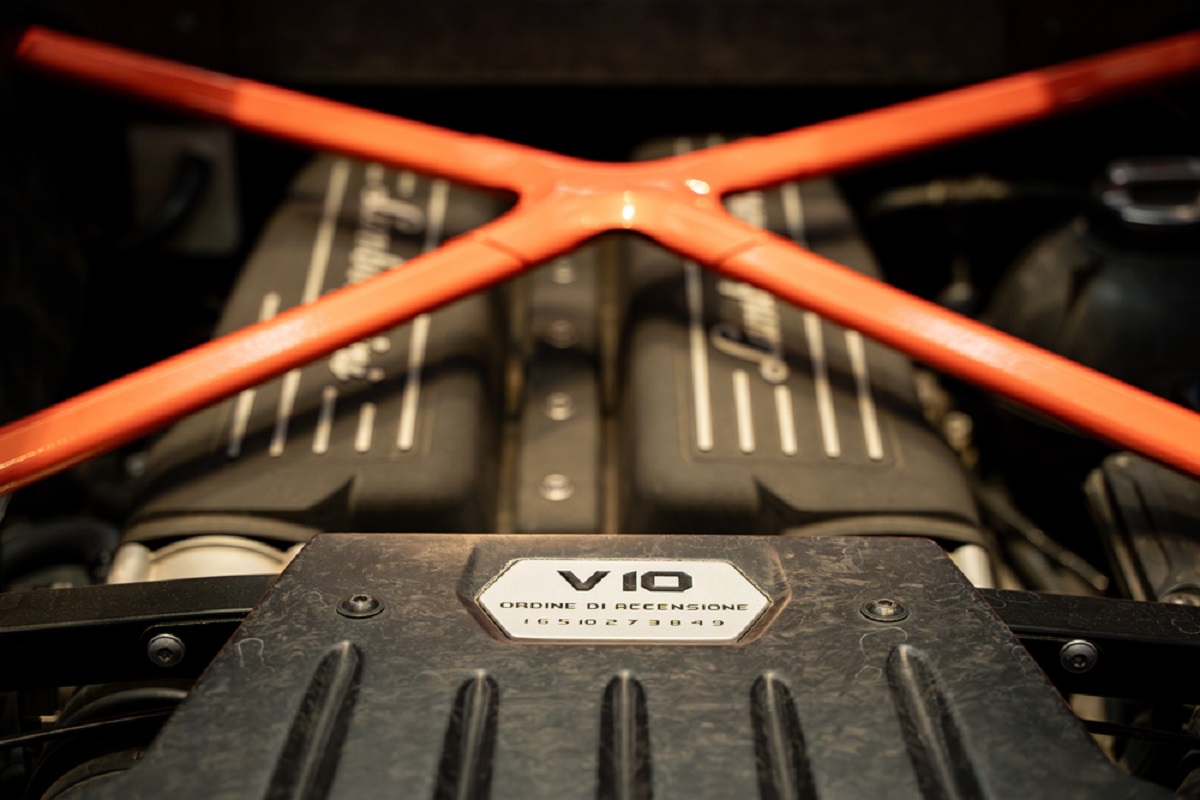
Lamborghini might be synonymous with exotic supercars, but the Gallardo’s interior tells a different story. Many of its buttons, switches, and controls come straight from Audi’s parts bin, including those found in the TT. While the Gallardo’s V10 engine is all Lambo, some drivers might recognize a few familiar touches from less exotic Audis.
Lexus LFA and Toyota Parts—Window Switches from a Corolla
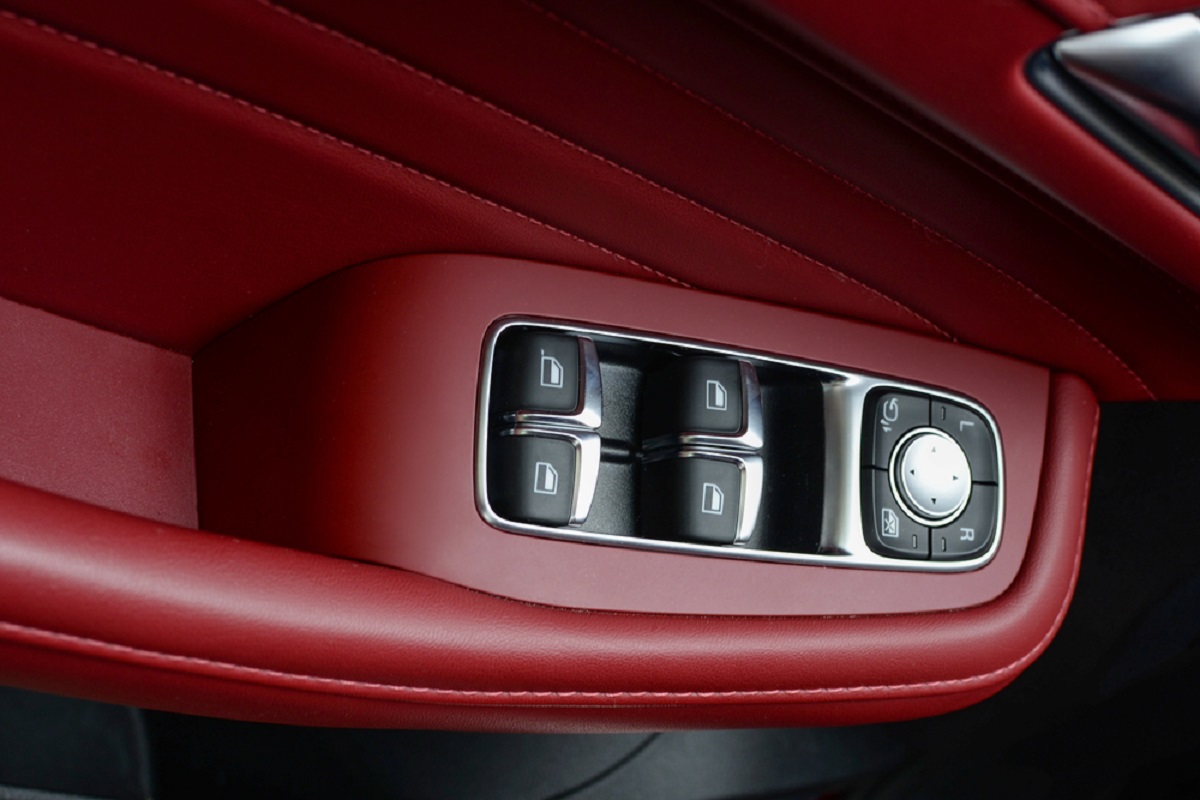
The Lexus LFA is a breathtaking supercar with a screaming V10, but it still borrows some mundane parts from Toyota’s economy lineup. Among them? The window switches, which are straight from a Toyota Corolla. While minor details don’t ruin the experience, they highlight how automakers find ways to save costs.
Luxury and performance cars often share more with budget-friendly models than you’d expect. Whether it’s a supercar borrowing switchgear or a high-end sedan built on an economy car platform, parts sharing is a common industry practice. Next time you’re in a luxury car, take a closer look, you might spot a few budget-friendly surprises!