
Changing your oil can be satisfying and cost-effective, but one small mistake can cause major problems. Many car owners attempt DIY oil changes with good intentions, only to unknowingly damage their engines in the process. From using the wrong materials to skipping critical steps, these simple oversights can lead to expensive repairs or total engine failure. To help you avoid costly damage, here are 10 common oil change mistakes that could quietly wreck your engine if you’re not paying close attention.
Using the Wrong Type of Oil
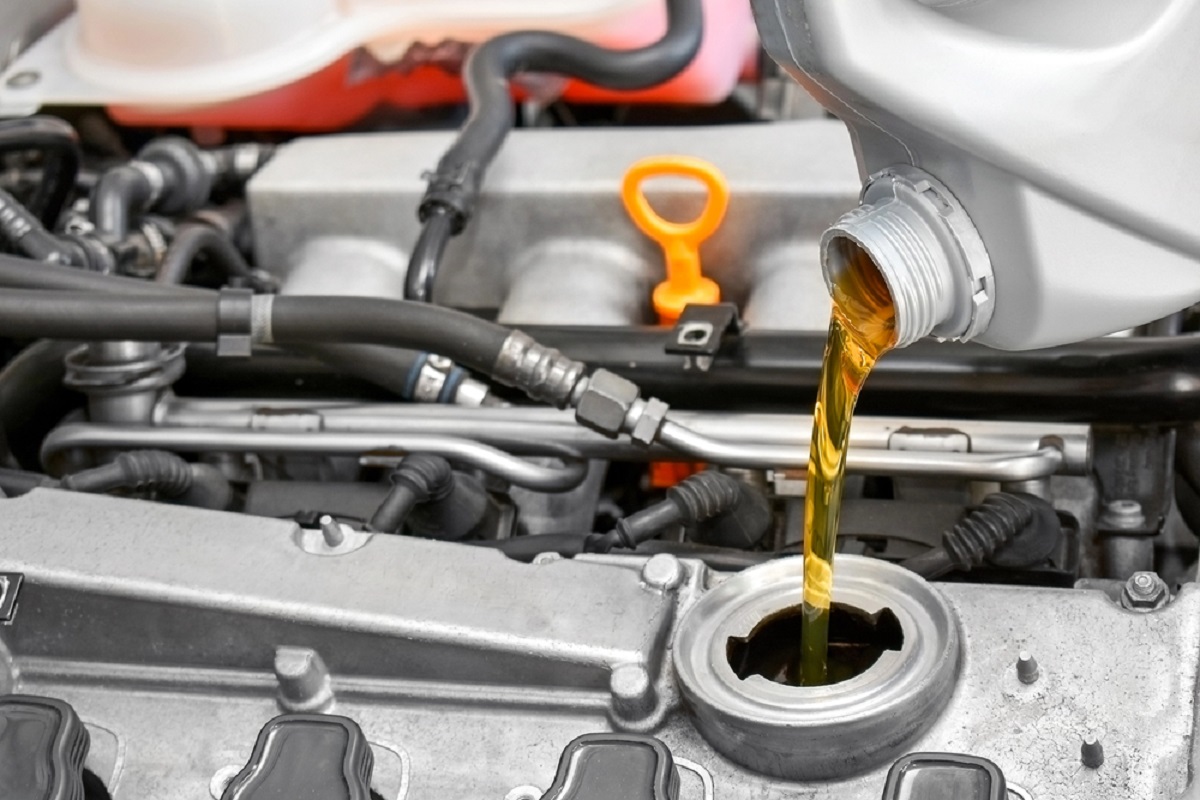
All motor oils aren’t created equal, and using the wrong viscosity or grade can throw off your engine’s balance. Manufacturers specify certain oil types to ensure proper lubrication and performance under varying temperatures and loads. Choosing incorrectly, even by one grade, can result in inefficient lubrication, sluggish performance, and premature engine wear.
Overfilling the Oil
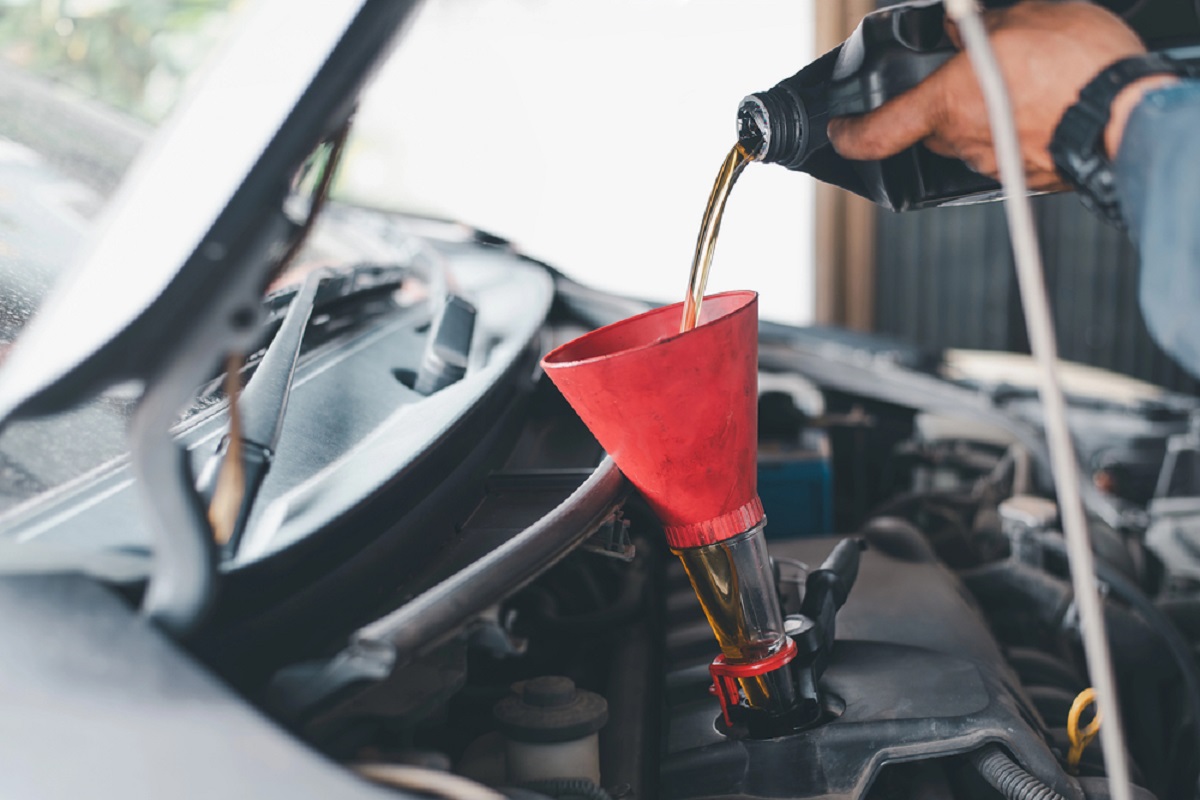
Too much oil can be just as harmful as too little. Overfilling can cause excessive pressure inside the engine, which may lead to oil foaming, leaks, or damaged seals. The excess oil can also reach areas it shouldn’t, interfering with moving parts and possibly damaging the catalytic converter.
Underfilling the Oil
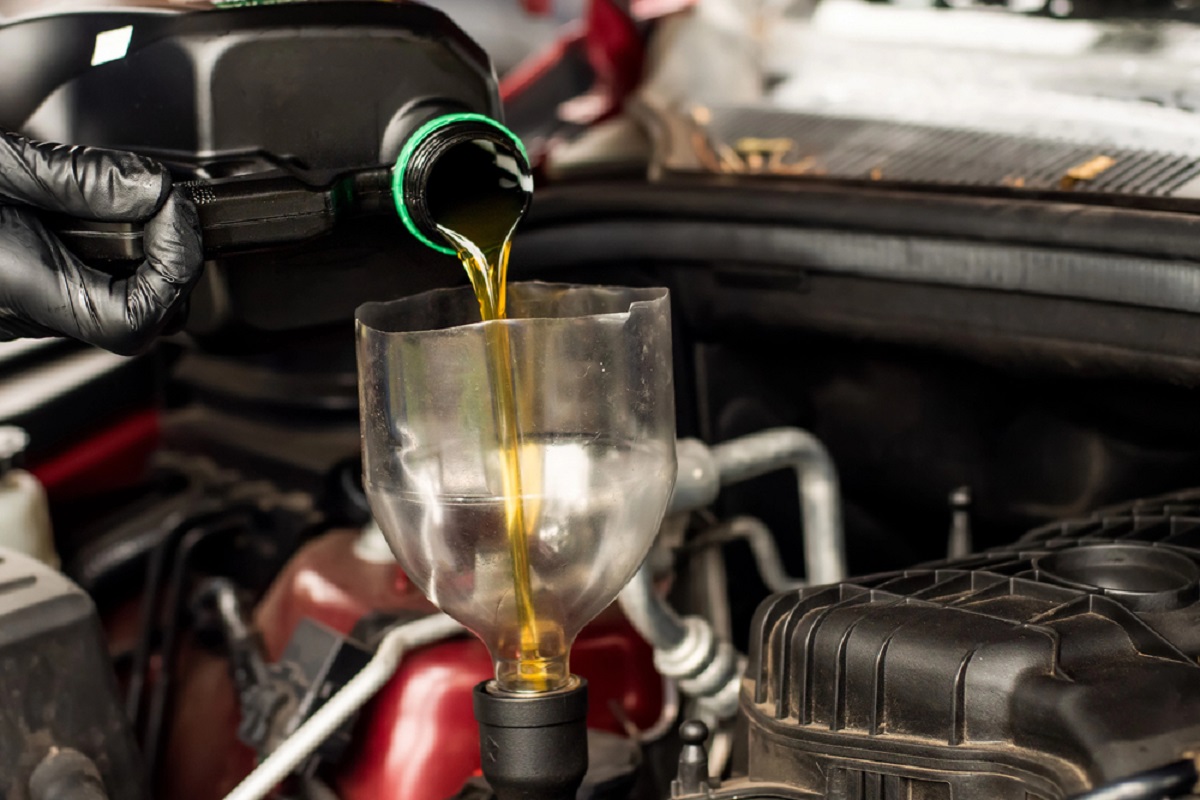
On the flip side, not adding enough oil leaves critical engine parts exposed to increased friction. This lack of lubrication causes metal parts to grind and overheat, speeding up wear and risking complete engine seizure. Always check the dipstick carefully after refilling to ensure levels are right where they should be.
Forgetting to Change the Oil Filter
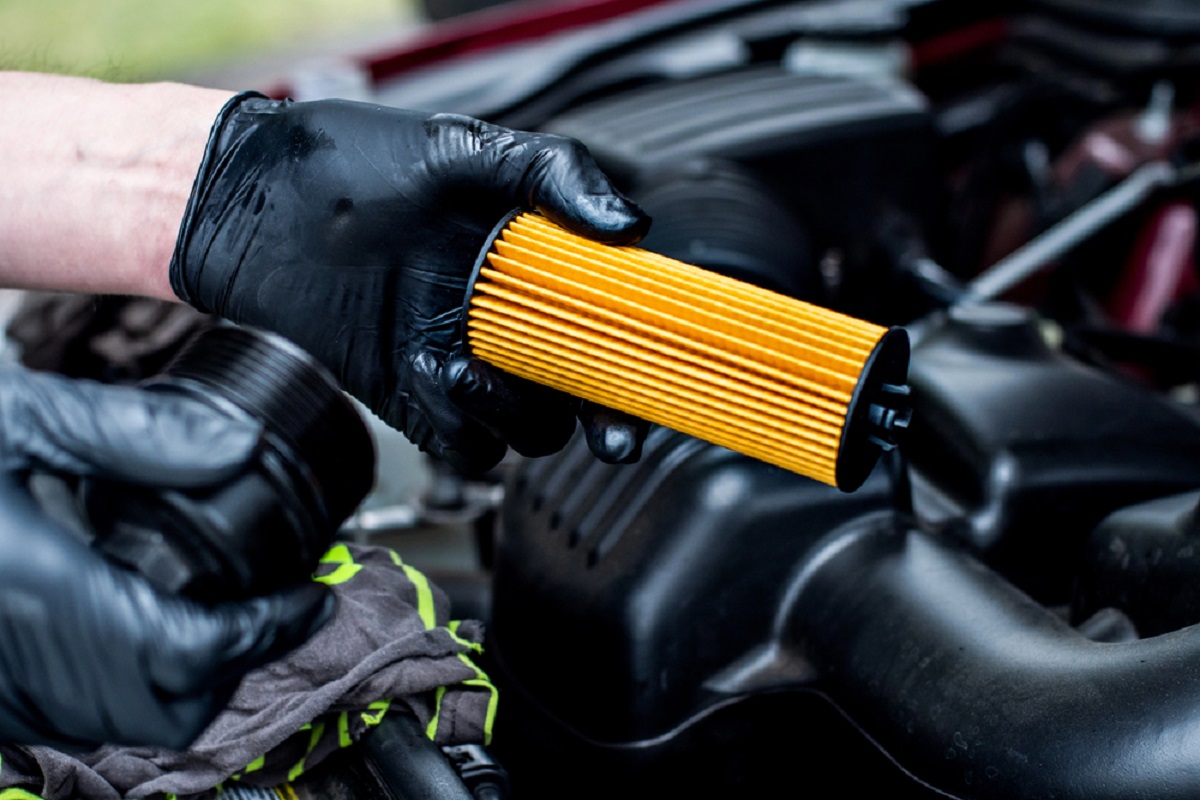
The oil filter traps debris and contaminants, but over time, it gets clogged and ineffective. If you skip replacing it during an oil change, dirty oil continues circulating through your engine. This means all your efforts to refresh the oil are wasted, and damage can still build up internally.
Related: Are Autonomous Trucks About To Replace Drivers? Here’s The Truth
Not Tightening the Drain Plug Properly
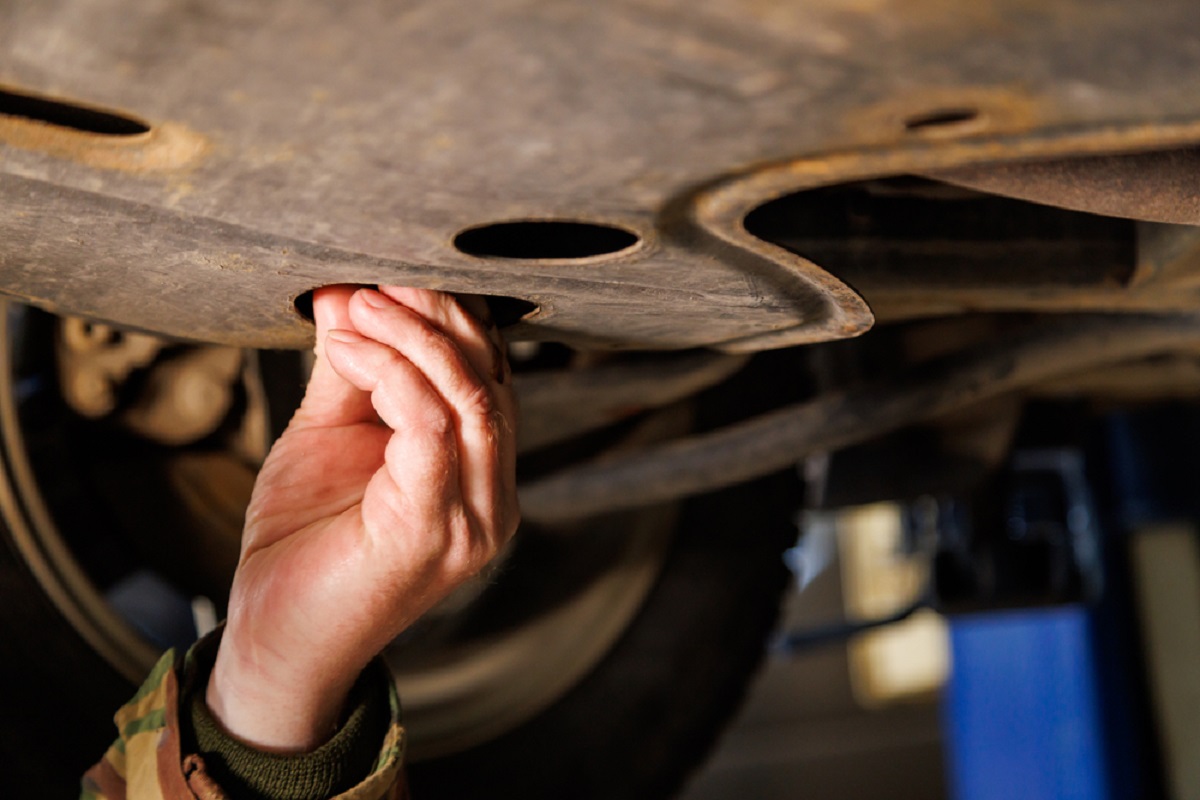
A drain plug that’s too loose can leak oil rapidly while driving, leaving your engine dangerously dry. On the other hand, overtightening can strip the threads or crack the oil pan, leading to an even more expensive repair. Use a torque wrench if possible and follow your car’s specifications to get it just right.
Related: These 10 Secrets Turn Basic Bikes Into Super Fast Beasts
Not Warming Up the Engine First
Changing oil when your engine is stone-cold makes it harder for the old oil to flow out. Slightly warming up the engine helps thin the oil, allowing more dirty fluid to drain and leaving less sludge behind. However, always allow the car to cool enough for safety before working under the hood.
Related: 12 Super Fast Bikes That Leave Everything in the Dust
Using Dirty Tools or Funnels
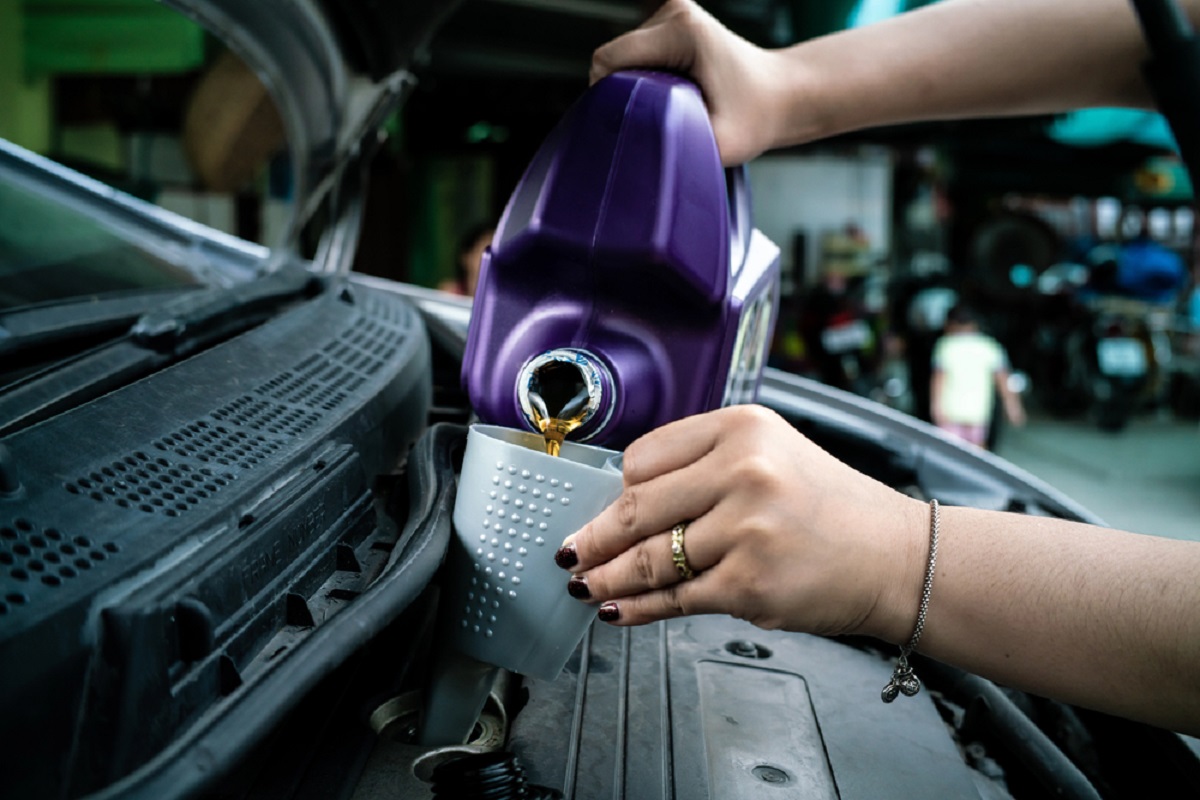
Even a small amount of dirt introduced through tools or funnels can contaminate fresh oil. Dirt, grit, and debris from your garage or previous use can quietly shorten engine life. Always wipe and clean your tools thoroughly before touching anything that comes in contact with the oil or engine.
Related: Shocking Reasons Why Car Repair Cost Are Out Of Control
Disposing of Old Oil Improperly

Dumping used oil in the yard, trash, or drain is illegal and environmentally harmful, and may also invite hefty fines. Besides legal trouble, you could accidentally contaminate your workspace, tools, or new oil batch if not handled properly. Always store old oil in a sealed container and take it to an authorized recycling center.
Related: How China’s Silent Car Takeovers Are Conquering The Auto Space
Ignoring the Oil Change Interval
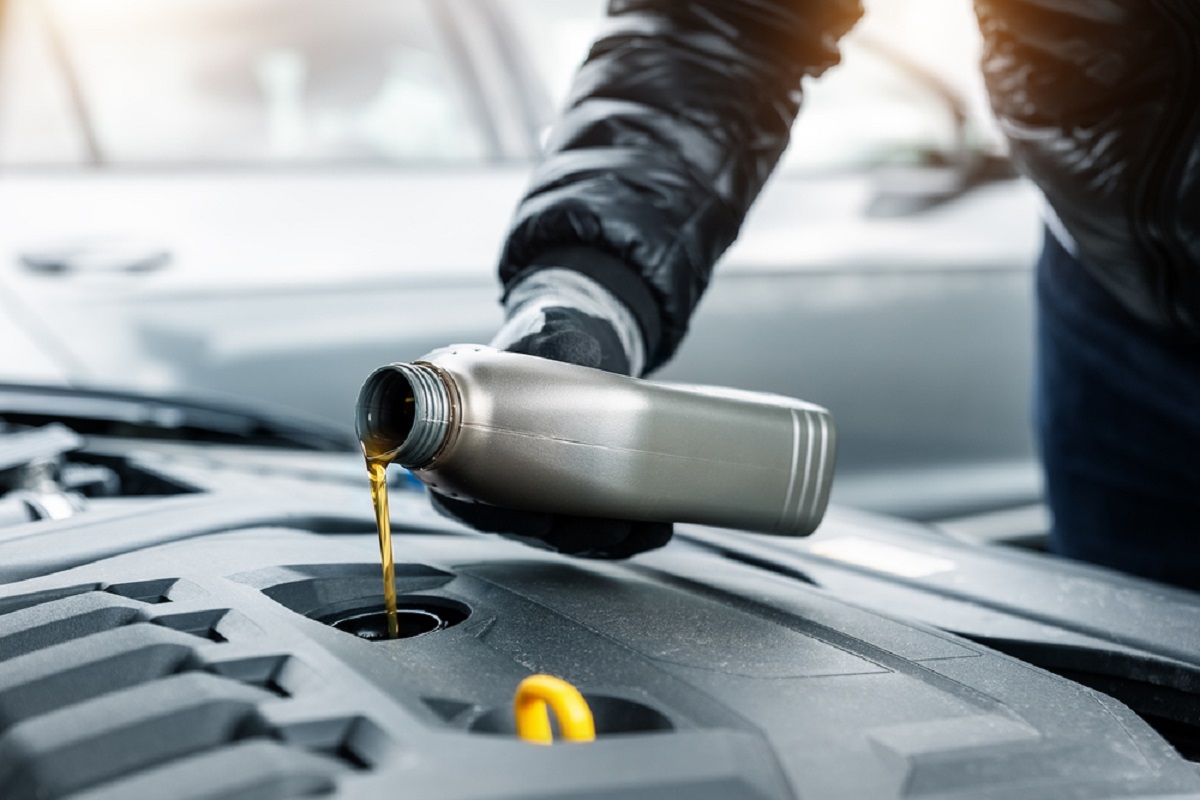
Even if your oil still “looks clean,” time and mileage degrade its protective additives. Waiting too long between oil changes can silently reduce your engine’s efficiency, especially under harsh driving conditions. Stick to your vehicle’s maintenance schedule to ensure long-term reliability and performance.
Related: The 10 Best Gadgets Every Trucker Needs In 2025
Forgetting to Reset the Oil Change Light

Failing to reset your dashboard’s oil change reminder might confuse down the road. You could either miss the next change or think something is wrong with your vehicle when the light stays on. Most modern vehicles have a simple reset procedure in the manual; make it part of your routine.
Related: Rookie Truck Driver Mistakes That Could Cost You Big Time
DIY oil changes are a great way to care for your vehicle and save money when done right. But as these common mistakes show, even small missteps can have big consequences, turning your good intentions into engine disasters. Pay attention to every detail, follow your manufacturer’s recommendations, and take your time. Your engine will thank you with smooth, dependable performance for miles to come.
Disclaimer: This list is solely the author’s opinion based on research and publicly available information.
Car Experts Swear By This 12 Spring Maintenance Hack For A Smoother, Safer Ride

Spring is the perfect time to give your vehicle the care it needs after enduring the harsh conditions of winter. Seasonal maintenance ensures your car runs efficiently, prevents costly breakdowns, and enhances overall safety. Taking a proactive approach to vehicle upkeep can improve performance, fuel efficiency, and longevity. Whether you’re a seasoned driver or a car enthusiast, knowing the right maintenance steps can save you time and money in the long run.
Read it here: Car Experts Swear By This 12 Spring Maintenance Hack For A Smoother, Safer Ride
11 Cars That Could Ruin Your Wallet With Transmission Issues

A car’s transmission is like its heartbeat; if it starts failing, the entire vehicle suffers. And when transmission problems hit, the cost isn’t just emotional, it’s financial. Replacing or repairing a faulty transmission can easily cost thousands, making it one of the most expensive repairs a car owner might face. Some vehicles have a track record of recurring transmission troubles that continue to plague drivers long after purchase. Here are 11 cars known for transmission issues that could leave your wallet in serious pain.
Read it here: 11 Cars That Could Ruin Your Wallet With Transmission Issues
10 Quick Fixes That Could Get Your Dead Car Running Again

When your car suddenly refuses to start, panic and frustration usually follow. But before you call for a tow or spend hundreds at a repair shop, there are often simple fixes you can try that may revive your vehicle. Knowing what to check and how to respond can save time, money, and unnecessary stress. Many drivers overlook quick solutions that are right under the hood or right in front of them. These 10 quick fixes could be the lifeline your car needs to spring back to life and get you back on the road.
Read it here: 10 Quick Fixes That Could Get Your Dead Car Running Again
You’ll love these related posts:
- Why Smart Truckers Are Switching To Owner Operator Status
- These 10 Semi Trucks Will Make Your Fuel Costs Disappear
- Every Truckers’ Secret Code 15 CB Radio Phrases You Need To Know
- These 10 Scenic Spring Road Trips Will Blow Your Mind
- The Top Convertibles To Drive This Spring That Costs Less Than You Think