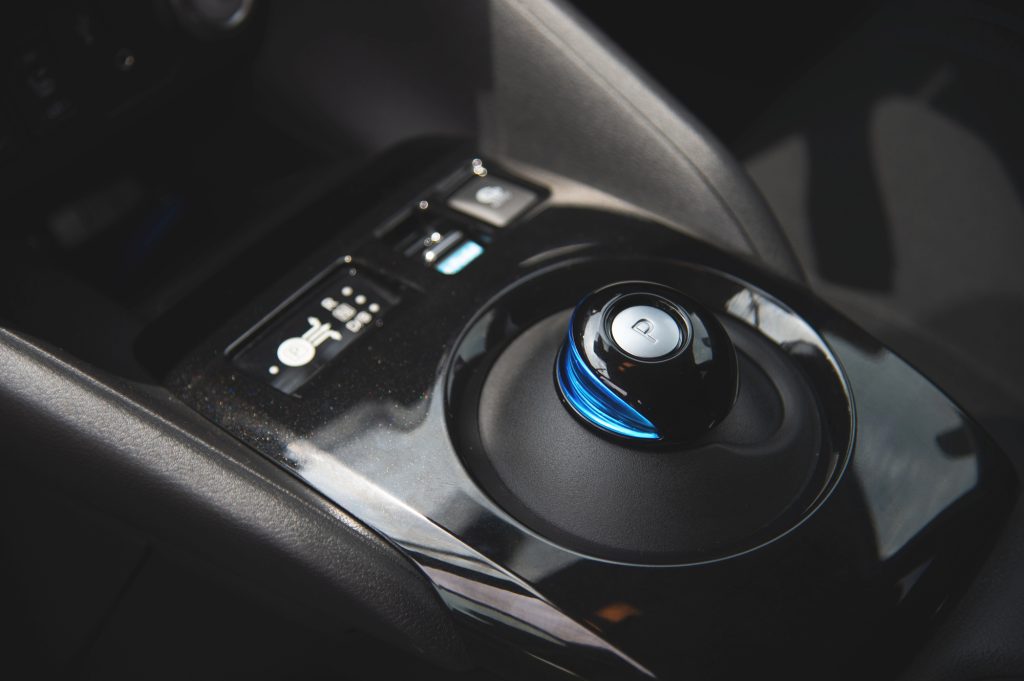
Modern vehicles are undergoing a technological revolution, and regenerative systems are leading the charge by transforming how cars handle energy. These systems recover and repurpose energy that would otherwise be lost during driving, converting motion, heat, and even sunlight into power that boosts efficiency. By silently working in the background, regenerative features reduce strain on engines, improve fuel economy, and extend the range of electric vehicles. The brilliance of these systems lies in their ability to make modern cars smarter, more sustainable, and incredibly responsive to the future of mobility.
Regenerative Steering Assist

In some advanced steering systems, kinetic energy from wheel movements or deceleration helps generate power for electric steering. This recaptured energy supports smoother steering response while also contributing to a car’s overall efficiency. It’s a perfect example of how energy that would otherwise be wasted is redirected to enhance control and reduce battery strain.
Regenerative Start-Stop Systems

This system doesn’t just shut off the engine at stoplights; it also captures deceleration energy to help restart the engine with minimal power draw. It contributes to improved fuel economy in urban settings and reduces wear on starter components. Over time, it offers big savings in both fuel and maintenance.
Tire Rotation Energy Harvesters

Still in the experimental phase, these systems aim to harness small amounts of static electricity or vibration energy from rolling tires. The electricity generated could be used to power sensors, monitors, or even recharge small battery packs. While minimal today, they represent an exciting step toward maximizing every motion for power.
Kinetic Energy Recovery Systems (KERS)

KERS technology, originally developed for racing, stores braking energy in flywheels or batteries and releases it during acceleration for an extra performance boost. It’s now being adapted for use in road cars, offering bursts of power without extra fuel consumption. These systems highlight the sport-performance edge of regenerative technology.
Related: 10 Cars So Difficult To Drive They Terrify Pros
HVAC Heat Pump Regeneration

Heat pump systems in EVs can pull ambient heat from the air or other parts of the vehicle and repurpose it for cabin heating. This method consumes far less energy than traditional resistive heating systems, preserving the car’s battery range. As cold-weather performance improves, so does driver comfort without range anxiety.
Related: 10 Savage Machines That Run On Raw Cylinder Power
Regenerative All-Wheel Drive Units

In EVs with motors at each axle, regenerative capabilities can be applied independently to all four wheels. This allows for greater control during braking and improved traction on slippery surfaces, while also maximizing energy recovery. It’s a perfect example of how performance and efficiency can coexist in electric drivetrains.
Related: 12 Car Vibration That Seem Harmless But Lead To Big Trouble
Brake-by-Wire Energy Feedback

These advanced systems replace traditional mechanical braking with electronic controls that allow precise management of braking force. In doing so, they improve the effectiveness of regenerative braking by maximizing the amount of energy recovered. The reduced mechanical complexity also leads to smoother braking and less maintenance.
Related: 12 Insights To Car Cybersecurity Risks That Could Leave You Exposed
Solar Roof Panels
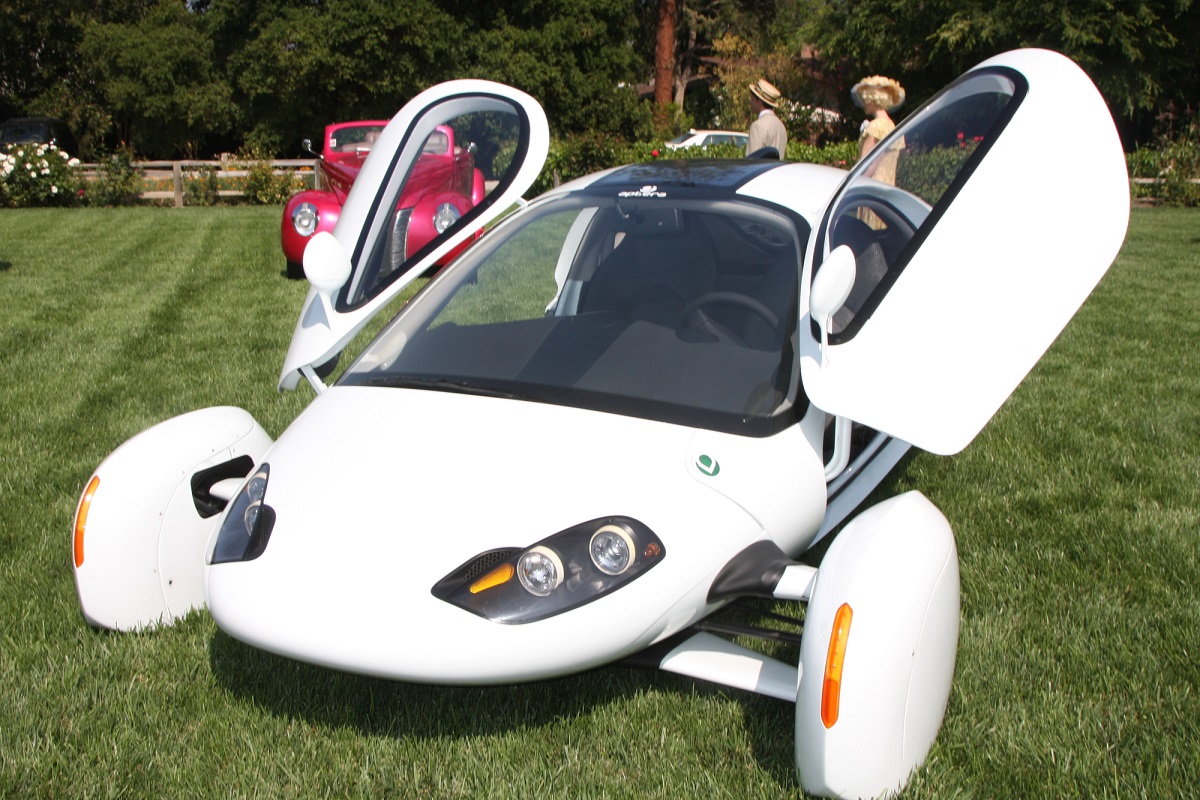
Integrated solar panels in vehicle roofs and hoods absorb sunlight and convert it into energy for systems like air conditioning, lighting, or even to trickle-charge the battery. Though limited in total output, they provide supplemental energy that reduces reliance on the main power source. Especially in sunny regions, they contribute meaningfully to fuel or battery economy.
Related: 12 Survival Tips Your Car Needs Before Hitting A Desert Road Trip
Friction Recovery in Hybrid Drivetrains

Hybrid vehicles are increasingly equipped with friction recovery systems that capture energy during gear changes, acceleration, or even deceleration. Instead of letting this energy dissipate, it is converted into electricity and used to support the engine or onboard electronics. This further enhances the hybrid’s efficiency and extends its fuel savings.
Related: 10 Quick Fixes That Could Get Your Dead Car Running Again
Regenerative Shock Absorbers

Using magnetic or hydraulic systems, these shock absorbers convert vertical wheel motion into electrical energy every time the vehicle goes over a bump or dip. This system not only smooths the ride but also stores the resulting power in the battery. Over time, it adds up to significant energy savings, especially on rough or uneven roads.
Related: 10 Red Flags Your Car Is Overloaded And How To Solve It Fast
Active Aero Regeneration

Active aerodynamics involve moving parts like adjustable spoilers or shutters that optimize airflow based on speed and driving conditions. These components can generate a small amount of kinetic energy when they shift and may even aid regenerative systems by reducing drag and improving efficiency. It’s a blend of performance and sustainability, especially in high-end sports cars.
Related: 10 Common Car Mistakes That Could Lead To A Towing Disaster
Exhaust Heat Recovery Systems

Often found in high-efficiency engines and hybrids, these systems convert exhaust heat into useful energy through compact turbines or thermal converters. They can help pre-warm the engine, heat cabin air faster, or even generate additional electric charge. It’s an innovative way to squeeze more performance and utility out of every drop of fuel.
Related: 10 Alarming Consequences Of Improper Car Disposal For Our Planet
Regenerative systems have evolved from niche innovations to mainstream technologies powering the future of driving. By converting lost energy into functional power, these smart systems improve efficiency, extend driving range, and lower emissions across vehicle types. Whether you’re driving an EV, hybrid, or advanced gas-powered car, regenerative features are working behind the scenes to optimize your ride. As the automotive industry moves toward greater sustainability, these technologies stand as proof that smarter driving is not just possible, it’s already here.
Disclaimer: This list is solely the author’s opinion based on research and publicly available information.
How Going Electric This Spring Benefits Your Wallet and the Planet

Electric vehicle (EV) owners often rave about the unique benefits that springtime brings to their driving experience. With rising temperatures and ideal road conditions, EVs perform at their peak, offering drivers significant advantages over traditional gasoline cars. As more people consider making the switch, understanding why EV owners love spring can help you decide if it’s the right time to go electric. From improved battery efficiency to lower charging costs, the perks of EV ownership during this season are more compelling than ever.
Read it here: How Going Electric This Spring Benefits Your Wallet and the Planet
15 Ways AI Is Turning Old-School Cars Into Fuel-Saving Machines
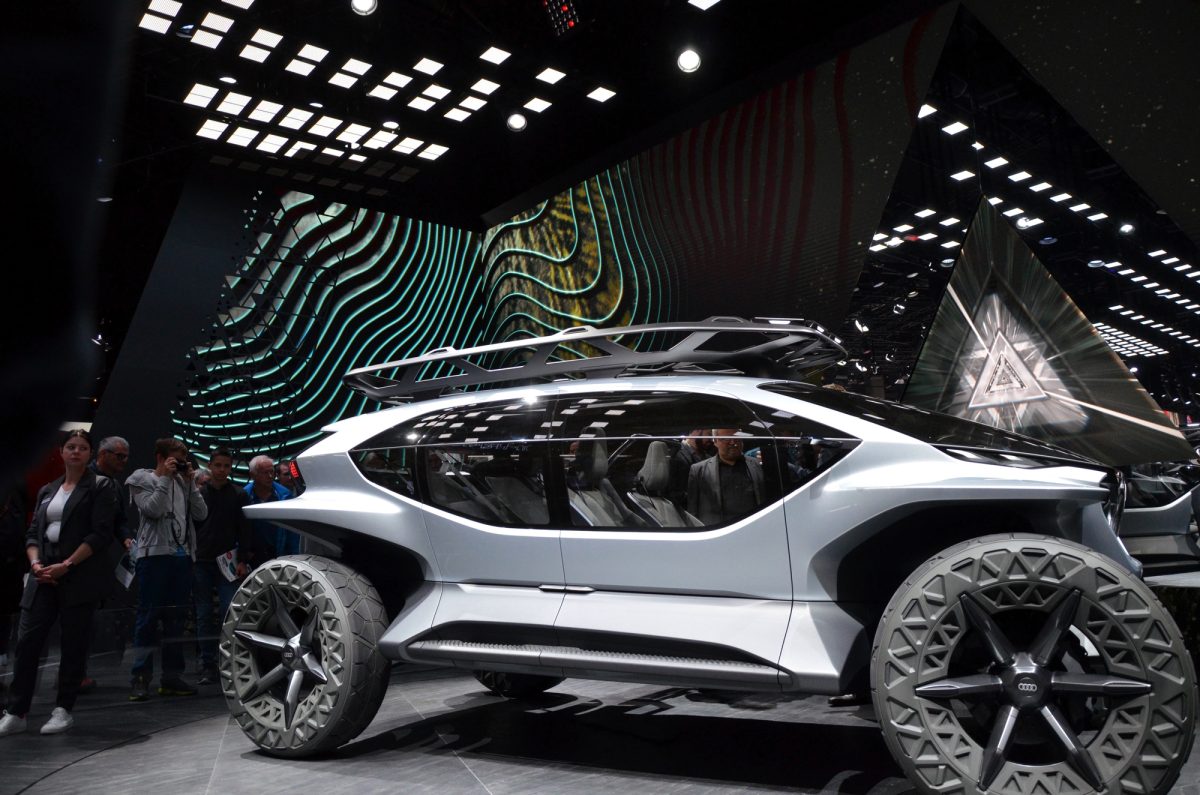
Artificial intelligence is transforming the automotive industry, enhancing not just new electric and self-driving cars but also traditional fuel-powered vehicles. AI-driven upgrades improve fuel efficiency, reduce emissions, and boost performance in classic cars. From smart driving assistants to real-time engine optimization, AI helps save fuel without requiring a new vehicle. Here’s how AI is revitalizing old-school cars.
Read it here: 15 Ways AI Is Turning Old-School Cars Into Fuel-Saving Machines
15 AI Secrets That Could Make EV Battery Degradation A Thing Of The Past

Artificial intelligence is rapidly changing the landscape of electric vehicle (EV) battery technology, offering solutions to one of the industry’s biggest challenges: battery degradation. With machine learning algorithms, predictive analytics, and real-time monitoring, AI is making batteries last longer, charge faster, and perform more efficiently. Automakers and tech companies are investing heavily in AI-driven innovations to ensure that EV batteries remain viable for years to come. These advancements not only enhance vehicle longevity but also make EV ownership more practical and cost-effective.
Read it here: 15 AI Secrets That Could Make EV Battery Degradation A Thing Of The Past
You’ll love these related posts:
- 10 Ford Cars So Rare Most People Have Never Seen One
- 11 Expert Tips for Getting A Flawless Spray Paint Job On Your Car
- 11 Tough Trucks That Prove Lightweight Does Not Mean Weak
- 11 Classic Cars Discovered At A Civil War Site That Will Shock You
- 12 Best Trucks To Buy In 2025 For A Lifetime Of Dependability