The Volvo V60 has long been known for its sleek design, exceptional safety features, and reliability. However, the journey to maintaining its legacy hasn’t been entirely smooth. Several mistakes made throughout its development and production nearly tarnished its reputation. Despite these setbacks, the V60 managed to overcome them, regaining its place in the market and earning back its loyal customer base. Here are the 10 major missteps that almost derailed the Volvo V60’s legacy.
Poor Infotainment System
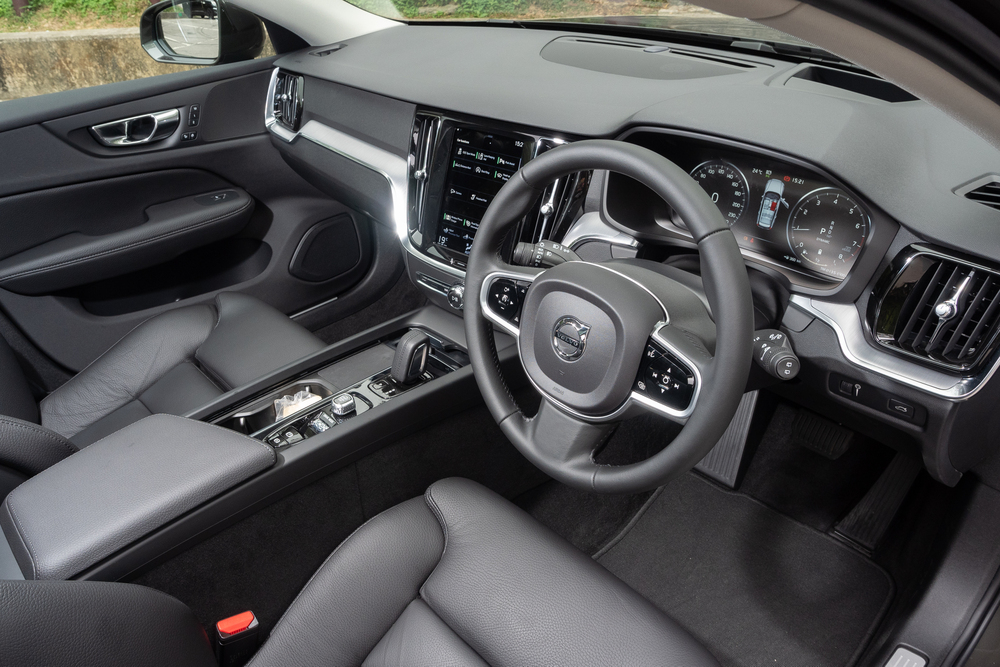
The infotainment system in the V60’s early models was often described as clunky and unintuitive. Drivers found the interface difficult to use, and the lack of modern features like Apple CarPlay and Android Auto made the V60 feel outdated. In a time when in-car technology was rapidly advancing, this shortfall diminished the vehicle’s appeal and alienated tech-savvy consumers.
Questionable Fuel Efficiency Ratings
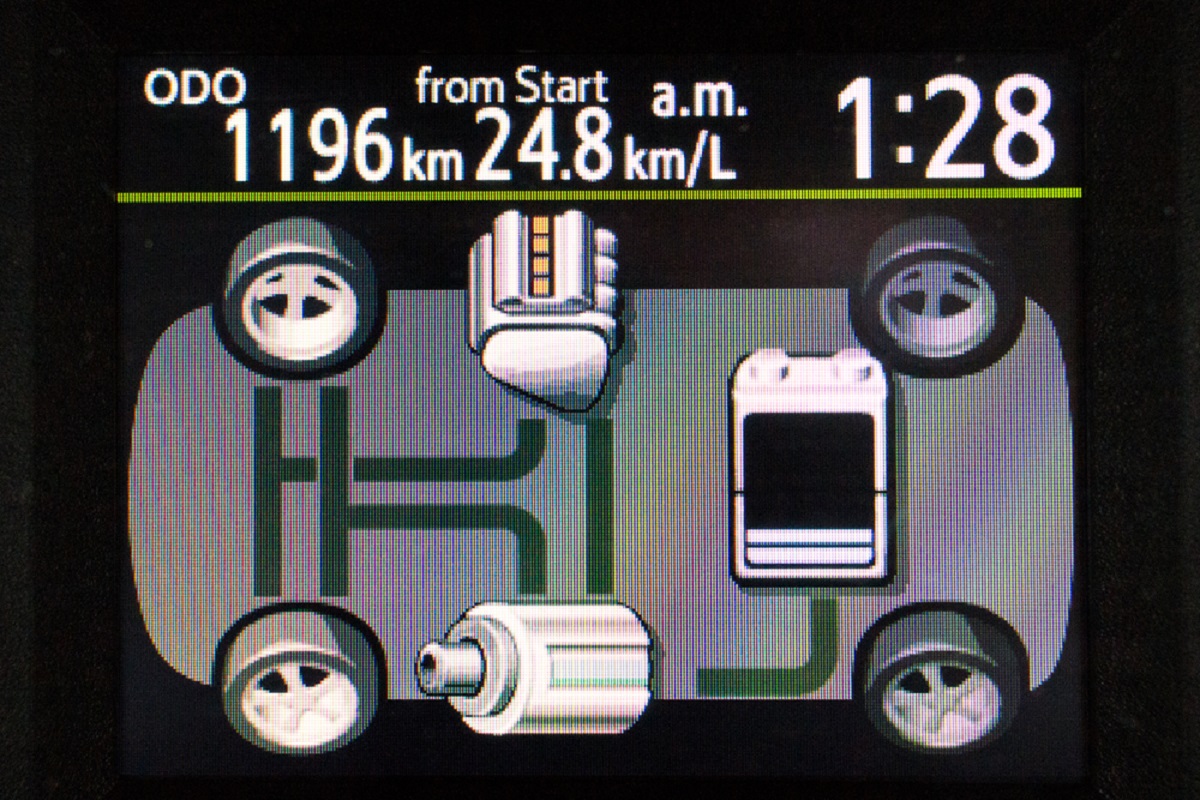
In its early years, the V60’s fuel efficiency didn’t live up to expectations, especially considering its size and class. Drivers expected better mileage, but many reported that the car was thirstier than competitors in the same category. With rising fuel costs and increasing environmental concerns, the lack of strong fuel economy hurt its competitiveness and appeal among budget-conscious buyers.
Design Overhaul that Divided Consumers

When Volvo decided to overhaul the V60’s design, it resulted in a polarizing effect among consumers. Some praised the new, bolder design, while others felt that it departed too much from the V60’s traditional, understated look. This division led to mixed reactions, with long-time loyalists questioning the brand’s direction while new buyers were intrigued by the fresh style.
Delays in New Model Releases

Volvo faced delays in the release of newer V60 models, causing frustration among potential buyers who were eagerly awaiting upgrades and fresh designs. These delays created a perception of stagnation and missed opportunities to capture market share at critical times. For a brand trying to reassert itself globally, these setbacks hindered momentum and reduced customer excitement.
Related: 14 Reasons Manual Transmissions Are Disappearing (And Why Some Drivers Are Fighting Back)
Issues with the Climate Control System
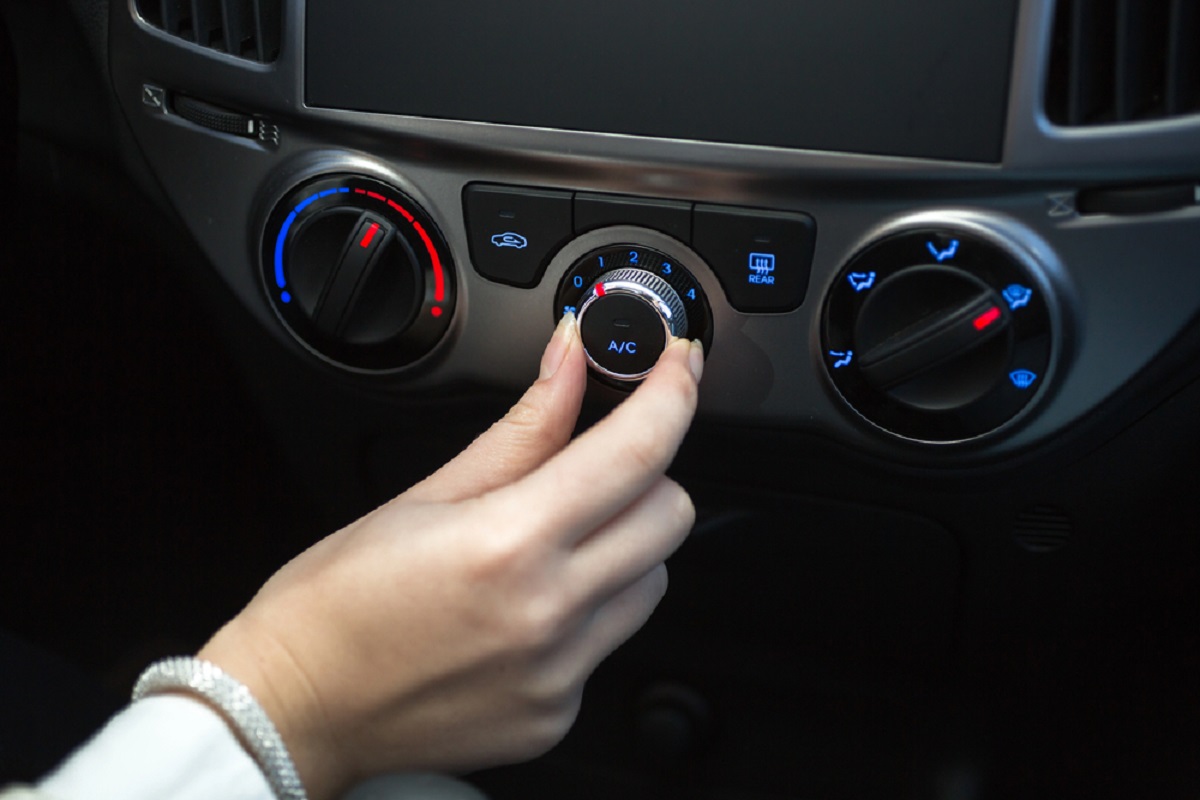
Several V60 models faced issues with the climate control system, particularly with the air conditioning failing to operate efficiently. This problem was frustrating for drivers, especially during hot summer months, and impacted the overall ownership experience. Such inconveniences in basic features damaged perceptions of quality and added unnecessary service trips for owners.
Related: 13 Car Batteries That Last Forever
Lack of Hybrid or Electric Options Early On
With the growing demand for eco-friendly vehicles, the V60 initially lagged behind its competitors by offering no hybrid or electric variants. In an era where green alternatives were becoming increasingly popular, this omission made the V60 seem outdated and environmentally behind. Volvo had to play catch-up by later introducing plug-in hybrid models to remain relevant in the evolving car market.
Related: 14 Game Changing Reasons 3D Printing Could Take Over Auto Manufacturing
Price Tag That Didn’t Match Expectations
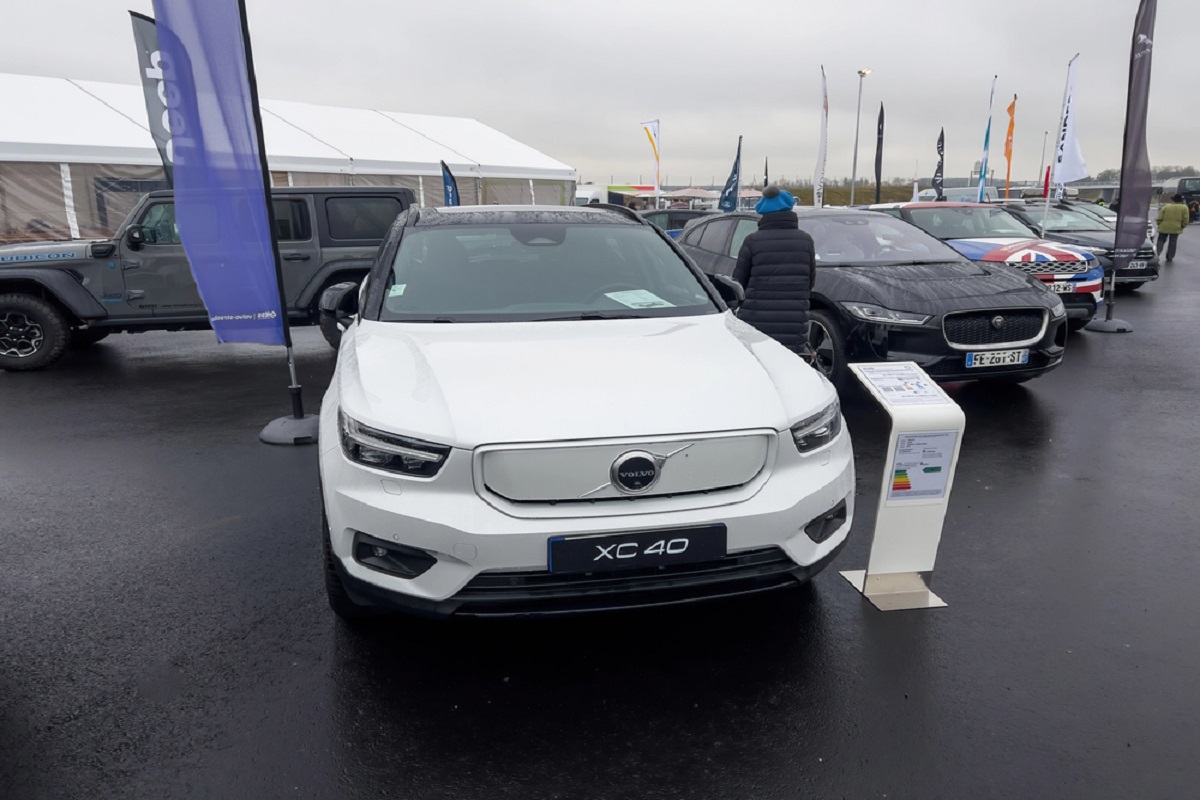
Many buyers felt that the V60 was priced higher than similar vehicles in the segment, given some of the issues with its early models. The premium price tag didn’t seem justified to consumers who expected better overall performance, technology, and comfort. As a result, Volvo faced difficulty convincing buyers of the V60’s value proposition when compared to its German and Japanese rivals.
Related: 12 Sneaky Ways Car Payments Are Getting Higher And How Smart Drivers Are Fighting Back
Uncomfortable Ride Quality on Early Models

The suspension setup on early V60 models was often described as too stiff, leading to an uncomfortable ride quality, especially on rougher roads. This rigidity made daily driving less pleasant and contradicted the brand’s reputation for providing a smooth Scandinavian driving experience. Volvo had to revise its suspension design in newer versions to better meet driver expectations for comfort.
Related: 15 AI Secrets That Could Make EV Battery Degradation A Thing Of The Past
Limited Cargo Space for a Wagon
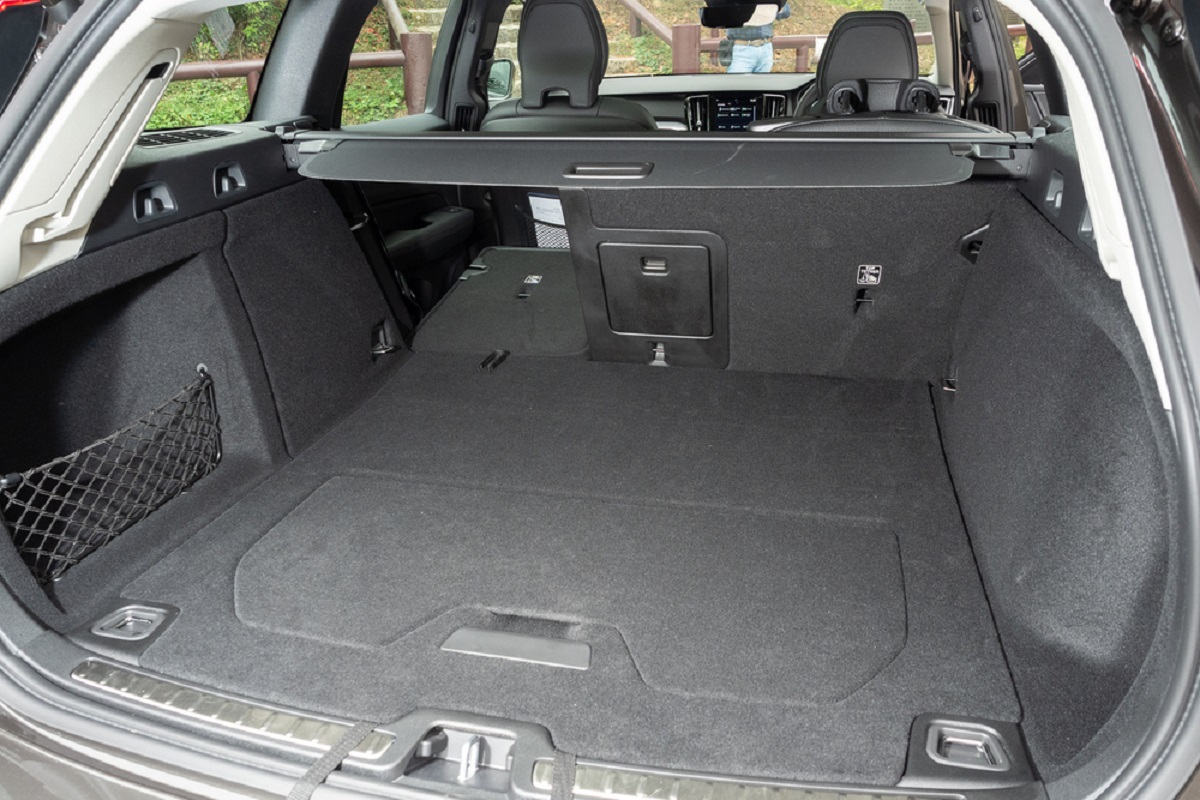
As a station wagon, the V60 was expected to offer ample cargo space for practicality. However, many owners found that the trunk space was lacking compared to other wagons in its class. This issue significantly impacted its appeal for people who needed the extra room for travel, sports gear, or family needs, reducing its functionality as a go-to utility vehicle.
Related: 14 Jaw-Dropping Ways Used EVs Are Outperforming Gas Cars In 2025
Underperformance in Crash Tests

While Volvo is renowned for its commitment to safety, the V60’s early models didn’t perform as well as expected in some crash tests. This inconsistency in crash performance raised doubts about whether the vehicle lived up to the brand’s safety standards. As a brand built on safety, this mistake risked long-term trust, forcing Volvo to implement rapid redesigns and structural improvements in subsequent models.
Related: 12 Alarming Signs The Trucking Industry Is Headed For Disaster Sooner Than You Think
The Volvo V60 has endured a turbulent journey marked by both innovation and missteps. From design flaws and mechanical issues to gaps in technology and performance offerings, the vehicle faced challenges that could have severely impacted its legacy. However, Volvo’s commitment to evolution and customer feedback enabled the company to make necessary corrections and regain market trust. Despite the many hurdles, the V60 now stands as a refined and respected choice in the station wagon segment, proving that even a rocky path can lead to lasting success.
Disclaimer: This list is solely the author’s opinion based on research and publicly available information.
13 Surprising Cars That Used Ford Engines

Ford’s engineering influence extends far beyond its own lineup. Over the years, many unexpected cars, from exotic supercars to everyday sedans, have borrowed Ford’s powerplants for performance, reliability, or cost-effectiveness. Here are 13 surprising vehicles that packed Ford engines under their hoods.
Read it here: 13 Surprising Cars That Used Ford Engines
12 Used Car Buying Mistakes That Could Cost You Thousands Overnight

Buying a used car can be a smart way to save money, but it’s also a potential minefield of hidden problems. From sneaky sellers masking major issues to cars with a history of accidents, knowing what to look for is crucial. These 12 red flags will help you spot trouble before you sign the dotted line, saving you from expensive regrets. Don’t let a bad deal ruin your ride. Here’s what to watch out for.
Read it here: 12 Used Car Buying Mistakes That Could Cost You Thousands Overnight
13 Costly Rust Mistakes That Could Destroy Your Car’s Value

Rust is a silent killer, slowly eating away at your car’s structure, performance, and resale value. While it might seem like just a cosmetic issue at first, untreated rust can lead to major safety hazards and expensive repairs. Whether you drive a classic car or a modern daily driver, avoiding these costly rust mistakes will help preserve your car’s longevity, integrity, and overall value for years to come, saving you unnecessary expenses.
Read it here: 13 Costly Rust Mistakes That Could Destroy Your Car’s Value
You’ll love these related posts:
- How Trade Wars And Tariffs Are Reshaping The Motorcycle Scene In The US
- The Influence Of Motorcycle Clubs On American Biker Culture Over The Decades
- How Social Media Is Transforming Motorcycle Culture And Bringing Riders Together
- From Traffic Jams To Open Roads Why Motorcycle Commuting Is On The Rise
- Are Speed Traps About Safety Or Just A Cash Grab