Pay-per-mile car insurance is becoming an increasingly popular option for drivers who don’t log a lot of miles on the road. Instead of paying a flat premium, you pay based on how many miles you actually drive, making it a potentially great option for those with low annual mileage. However, there are some important truths about pay-per-mile insurance that might surprise you. Here are 15 hidden truths you need to know before switching to this insurance model.
Not Available Everywhere
While pay-per-mile car insurance may seem like an ideal option for everyone, it’s not available everywhere. Many insurers only offer this type of coverage in certain states or regions. It’s important to check if the program is offered in your area before considering it as an option for your insurance needs.
Usage-Based Insurance Technologies Are Required

To track your mileage, pay-per-mile insurers usually require you to install a tracking device in your car. This device monitors your miles driven and sometimes even your driving habits. You’ll need to be comfortable with the idea of this tracking device being installed in your vehicle.
Lower Costs for Low-Mileage Drivers

If you don’t drive often, pay-per-mile insurance can save you a significant amount of money. The less you drive, the less you pay, making it an excellent choice for individuals who work from home, have short commutes, or use public transportation for most of their daily travel and errands.
You Still Need to Pay a Base Rate
Although pay-per-mile car insurance may seem like a bargain, there’s still a base rate you need to pay. This base rate covers things like liability and other necessary coverage. So, while the mileage component may be cheap, your overall premium could still be higher than expected based on your driving habits.
Related: SUVs for Seniors: Comfort and Safety Features That Matter Most As You Age
Mileage Is Often Monitored in Real-Time
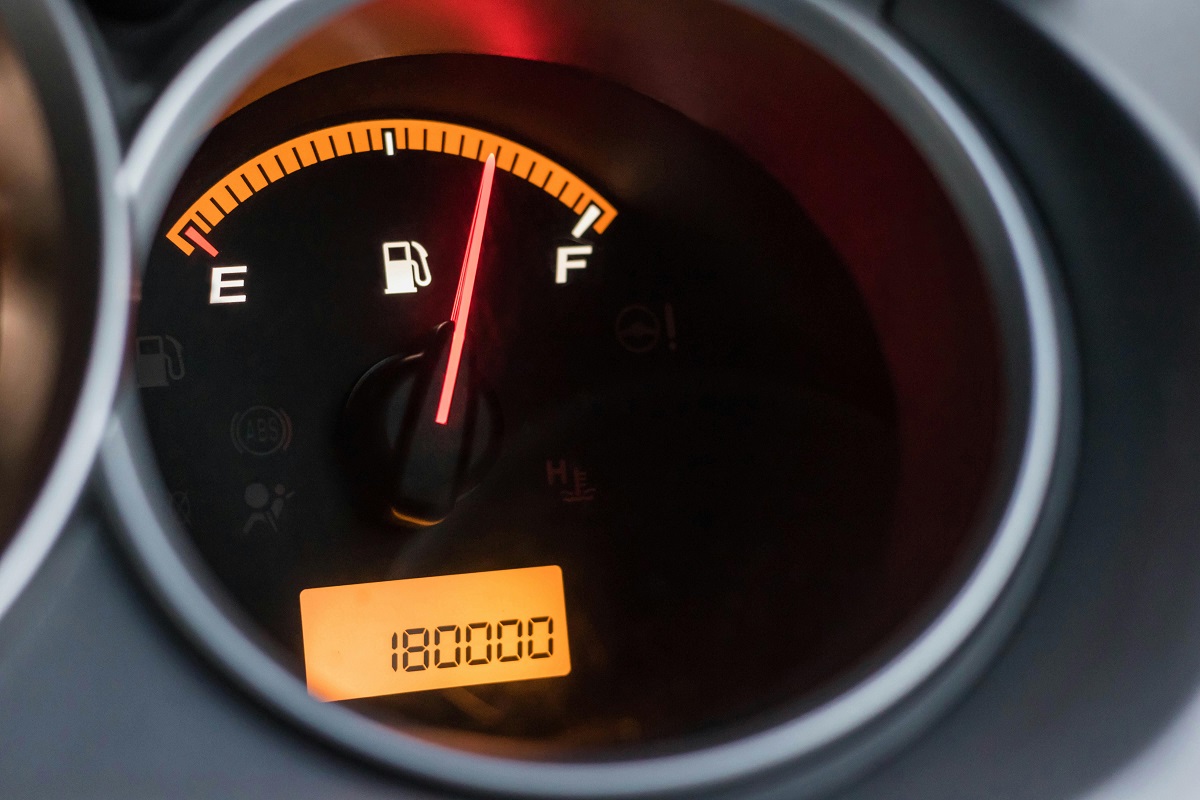
Some pay-per-mile insurers monitor your mileage in real-time, meaning they track your location via GPS or the app. This can be convenient for getting accurate mileage, but some drivers may feel uncomfortable with real-time monitoring, especially if they’re concerned about their privacy or personal data being collected.
Related: 14 Cars That Make More Sense to Buy Pre-Owned
Insurance Rates Can Increase After a Certain Threshold

In many cases, if you drive more miles than anticipated, you could end up paying a higher rate. Once you cross a certain threshold, you may transition to a more traditional car insurance plan, which could increase your overall premium despite the savings you initially enjoyed during the year.
Related: 13 Car Horns So Loud, They’ll Wake the Entire Neighborhood!
It’s Perfect for Infrequent Drivers
For those who only drive occasionally, pay-per-mile insurance is an ideal choice. If your car sits in the garage most days, you could save substantially. It’s especially beneficial for people with second cars or for those who only need a vehicle for specific activities or short trips to local destinations and errands.
Related: The Ultimate Car Owner’s Guide: 15 Common Auto Questions Solved
It Doesn’t Always Cover High-Risk Drivers
Pay-per-mile insurance typically doesn’t cater to high-risk drivers. If you have a history of accidents or violations, you may not qualify for this type of coverage. Insurers are more likely to offer this option to drivers with a clean driving record and low annual mileage, reducing risk for them.
Related: Mechanic-Approved! 12 Expert Answers to Your Car Problems
You Can’t Always Bundle with Other Insurance Types

While bundling your car insurance with other types of coverage (home, renters, etc.) is a great way to save money, you may not always be able to bundle pay-per-mile car insurance. Some insurers don’t allow you to combine these policies, limiting the discounts you might receive on your entire insurance portfolio, depending on the insurer.
Related: Car Maintenance Made Easy: 15 Essential FAQs Every Driver Should Read!
Your Premium Can Be Affected by Driving Habits
In addition to mileage, some pay-per-mile insurance models also track your driving habits, such as braking patterns, speed, and acceleration. If your driving is considered unsafe, this could raise your rates. If you’re a cautious and safe driver, though, this could work in your favor and significantly reduce your premium costs overall.
Related: Is Your Car in Trouble? 15 Warning Signs and Fixes
Can Be Ideal for Urban Drivers
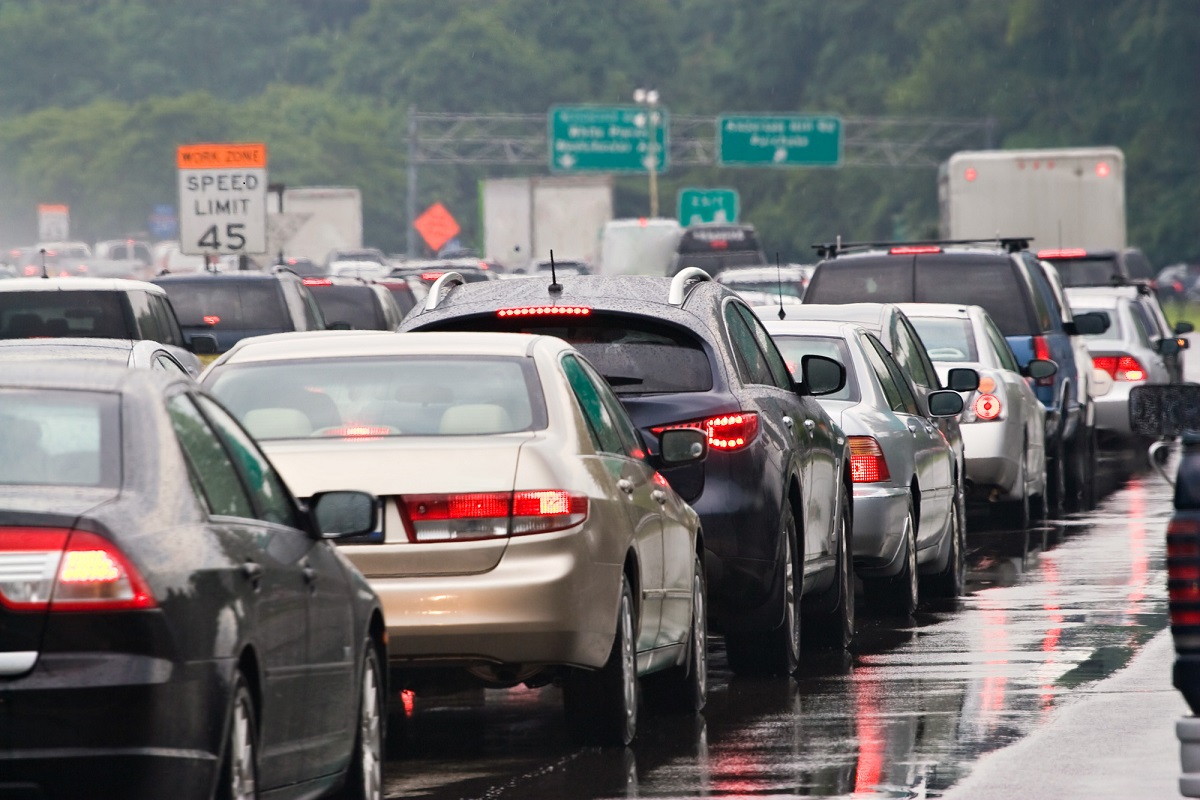
If you live in an urban area and rarely need to drive, pay-per-mile insurance is often a great option. Cities with heavy traffic and excellent public transportation are ideal environments for low-mileage drivers, making this a potentially cost-effective choice that benefits your overall transportation costs, especially in busy areas.
Related: New or Used? 15 Crucial Car Buying FAQs Uncovered!
Limited Customer Service

Because pay-per-mile insurance is often offered by smaller or newer companies, the customer service may not always be as robust as traditional insurers. If you rely on personal assistance or need frequent support, this might not be the best option for you as it could involve less immediate help and response times during peak hours.
Related: Buying Your First Car? Read These 15 FAQs Before You Sign
Risk of Under-Insuring

If you’re not careful, you might end up under-insuring your vehicle with pay-per-mile insurance. This is especially true if you fail to select the right coverage options, or if your insurer does not provide the same level of protection as a traditional insurance policy, leaving you exposed in certain situations or emergencies.
Related: 13 Reasons Why Compact SUVs Still a Good Choice for City Living
May Not Be Ideal for Long Trips

If you regularly take long road trips or frequently drive long distances, pay-per-mile insurance may not be the best option. As your mileage increases, your insurance costs can add up quickly, potentially making it more expensive than a traditional flat-rate policy for drivers who put a lot of miles on their cars annually.
Related: 13 Hidden Dangers on the Road That Most Drivers Ignore
Some Insurers Offer Discounts for Safe Driving

Many pay-per-mile insurance providers offer discounts for drivers who maintain safe driving habits. By avoiding accidents, speeding, and unsafe maneuvers, you can earn credits or lower rates over time. This can help you save even more, rewarding responsible driving with cheaper coverage options over the year.
Related: 15 Cruise Control Mistakes That Put You at Risk on the Highway
Pay-per-mile car insurance can be a great choice for certain drivers, especially those who don’t drive often. However, it’s important to be aware of all the factors that come with this type of insurance, including monitoring requirements, possible cost fluctuations, and coverage limits. Make sure to carefully review your driving habits and insurance needs before deciding if pay-per-mile insurance is right for you.
Disclaimer: This list is solely the author’s opinion based on research and publicly available information.
13 Ways High Insurance Costs Are Quietly Reshaping The Future Of Car Ownership

Rising insurance costs are making car ownership more expensive and complicated than ever. As premiums climb, they’re influencing consumer decisions, automaker strategies, urban planning, and even how people think about transportation. Here’s how these hidden costs are reshaping the future of driving in unexpected ways.
Read it here: 13 Ways High Insurance Costs Are Quietly Reshaping The Future Of Car Ownership
12 Eye-Opening Reasons Every Driver Needs A Dash Cam In 2025

Dash cams have become essential for modern drivers, offering protection, accountability, and valuable insights in unexpected situations. Whether for insurance claims, accident evidence, or security, these small devices provide peace of mind on the road. As technology advances, dash cams in 2025 will be more powerful, making them a must-have for every vehicle.
Read it here: 12 Eye-Opening Reasons Every Driver Needs A Dash Cam In 2025
13 Reasons People Are Ditching Car Payments for Ride-Sharing and Rentals

Owning a car is becoming less appealing as high costs, maintenance headaches, and restrictive financing push people toward alternative transportation options. With the rise of ride-sharing, flexible rentals, and subscription based mobility, more drivers are questioning whether car ownership is even necessary. From financial savings to lifestyle freedom, here’s why many are ditching car payments for good.
Read it here: 13 Reasons People Are Ditching Car Payments for Ride-Sharing and Rentals
You’ll love these related posts: