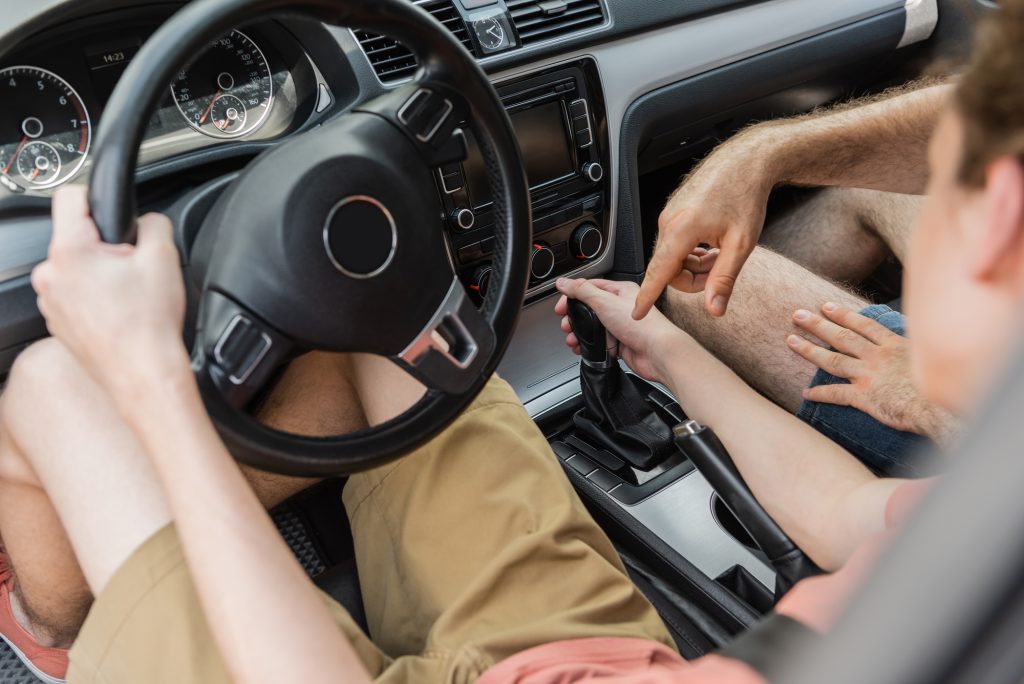
The decline of manual transmissions has been a slow but steady shift in the automotive world, driven by advancements in technology, efficiency concerns, and changing consumer preferences. Despite this, a passionate group of enthusiasts refuses to let manuals disappear without a fight, advocating for their engagement, control, and nostalgic charm. While automakers are phasing out stick shifts in favor of automatic and electric alternatives, the debate over their place in modern vehicles remains strong.
Automatics Are Now Faster and More Efficient

Modern automatic transmissions, including dual-clutch and CVTs, have surpassed manuals in both speed and fuel efficiency. Advanced technology allows them to shift quicker than human reflexes, optimizing acceleration and performance. With better gas mileage and reduced emissions, manufacturers see little incentive to continue producing manual vehicles.
Declining Consumer Demand

As fewer people learn to drive stick shifts, demand for manual transmissions continues to drop. Automakers prioritize production based on market trends, and the overwhelming preference for automatics makes manuals less viable. Many dealerships don’t even stock manual models anymore due to their low sales figures.
The Rise of Electric Vehicles (EVs)

Electric cars operate without a traditional gearbox, rendering manual transmissions obsolete in the EV market. With instant torque delivery and no need for shifting, EVs are accelerating the disappearance of stick shifts. As the industry shifts toward electrification, manuals are becoming increasingly rare.
Traffic Congestion Makes Manuals Less Practical

Heavy traffic and frequent stop-and-go driving make manuals less convenient for daily commuting. Constant clutch operation in gridlock conditions can be tiresome and impractical for many drivers. Automatics, which require less effort, are the preferred choice in urban environments.
Related: 12 Shocking Truths About Electric Off-Roaders That Will Change How You See Them
Safety and Autonomous Features Favor Automatics

Many modern safety and driver-assistance systems, such as adaptive cruise control and lane-keeping assist, work more efficiently with automatic transmissions. Since manuals require constant driver input, they don’t integrate as seamlessly with self-driving features. As automation advances, manuals become increasingly incompatible with cutting-edge safety technology.
Related: 14 Insanely Fast Cars Owned By Superstar Athletes
Performance Cars Are Adopting Automatics

Once a staple in high-performance cars, manual transmissions are being replaced by advanced automatic and paddle-shift systems. These high-tech gearboxes provide lightning-fast shifts, improving acceleration and lap times. Even legendary sports car manufacturers are favoring automatics over stick shifts for their superior performance.
Related: 12 Stunning Ways Solar-Powered Cars Will Change How We Buy And Drive
Fuel Economy Regulations Favor Automatics

Stricter emissions and fuel efficiency standards push automakers toward automatics, which optimize engine performance more effectively. Advanced software in automatic transmissions adjusts shift points to maximize efficiency. This makes it harder for manuals to meet modern regulatory requirements.
Related: 13 Eye-Opening Truths About Full-Time Van Travel That Will Blow Your Mind
Younger Drivers Aren’t Learning Stick Shifts

With fewer manual cars on the road, younger generations aren’t exposed to stick shifts. Most driving schools and rental agencies exclusively offer automatics, further reducing the likelihood of new drivers learning manual transmission skills. This generational shift contributes to the decline of manuals in the mainstream market.
Related: 11 Eco Friendly Materials That Are Revolutionizing Car Design
Automatics Are No Longer Just for Luxury Cars

In the past, automatics were seen as premium features reserved for high-end models. Today, they are standard in most economy and mid-range cars, making manuals feel outdated. The widespread availability of automatics leaves little incentive for most buyers to opt for manuals.
Related: 12 Reasons Compact Pickups Are Making A Huge Comeback
Resale Value and Market Trends

Since manual vehicles have a smaller customer base, their resale value tends to be lower than automatics. Many buyers prefer convenience, making it harder to sell used manual cars. This discourages both manufacturers and consumers from investing in stick-shift models.
Related: 13 Most Beautiful Ferrari Designs Ever Created
Automakers are Cutting Costs

Developing and producing manual transmissions alongside automatics is costly for automakers. With dwindling demand, manufacturers see little financial benefit in offering a manual option. Streamlining production by eliminating manual models helps reduce overall costs.
Related: 11 Unstoppable Legacy Of Renault In Formula 1
Ride-Sharing and Rentals Prefer Automatics

Companies like Uber, Lyft, and major rental services primarily operate automatic vehicles to accommodate a wider range of drivers. Since most customers prefer the ease of automatics, rental agencies have phased out manual options. This further diminishes opportunities for people to experience and appreciate manual transmissions.
Related: 12 Astonishing Dodge Convertibles That Ruled The Roads
Insurance Costs and Driver Errors

Manual cars can sometimes have higher insurance costs due to the increased risk of driver error. Issues like stalling in traffic or improper shifting can lead to accidents, particularly among inexperienced drivers. Automatics, which reduce these risks, are often favored by insurers.
Related: 12 Loudest Stock Car Horns You Can Buy
Luxury Brands are Abandoning Manuals

Luxury automakers, including Mercedes-Benz and BMW, are phasing out manual options in favor of high-tech automatic gearboxes. Buyers of premium vehicles expect comfort and convenience, making stick shifts less desirable. This trend further pushes manuals toward niche markets.
Related: 13 Celebrity Car Restorations: Bringing Classics Back to Life
While manual transmissions are becoming increasingly rare, they remain a beloved feature among driving enthusiasts. The shift towards automatics, electric vehicles, and self-driving technology has made manuals less practical in modern cars. However, the passion for stick shifts persists, ensuring that manuals won’t vanish completely. Whether for nostalgia, performance, or pure driving pleasure, manual transmissions still have a place in the automotive world.
Disclaimer: This list is solely the author’s opinion based on research and publicly available information.
11 Used Buick Models That Will Drain Your Wallet

Buick has built a reputation for comfort and reliability, but not all models stand the test of time financially. Some used Buicks come with high repair costs, expensive parts, and frequent mechanical issues that can quickly drain a buyer’s wallet. From transmission failures to electrical nightmares, these models have left many owners frustrated and paying more than they expected. Here are 11 Buick models that could become money pits if you’re not careful.
Read it here: 11 Used Buick Models That Will Drain Your Wallet
13 Reasons Young Drivers Are Ditching New Cars For Vintage Rides

A surprising shift is happening on the roads, young drivers are choosing vintage cars over modern vehicles at an increasing rate. With rising costs, restrictive technology, and a desire for individuality, classic rides offer an unmatched driving experience. From affordability to timeless style, here’s why vintage cars are making a major comeback among younger drivers.
Read it here: 13 Reasons Young Drivers Are Ditching New Cars For Vintage Rides
12 Pontiac Cars That Deserved A Come Back

Pontiac was the rebel of the American car scene, a brand that gave us screaming V8s, bold styling, and a whole lot of attitude. From tire-shredding muscle cars to quirky mid-engine experiments, Pontiac knew how to keep things exciting. But in 2010, the brand faded away, leaving behind a legacy of cars that still haunt enthusiasts’ dreams. If Pontiac ever made a triumphant return (which needs to happen), here are 12 legendary models that deserve a second shot at greatness.
Read it here: 12 Pontiac Cars That Deserved A Come Back