Car manufacturers are revolutionizing sustainability by transforming ocean waste into high-end vehicle interiors. Discarded plastics, fishing nets, and other marine debris are being repurposed to create stylish and durable cabin materials. This innovative approach not only reduces environmental pollution but also elevates the eco-conscious appeal of luxury automobiles. Consumers are increasingly drawn to vehicles that merge sustainability with sophistication, making ocean waste a valuable resource in the industry.
Reducing Plastic Pollution in Oceans

Every year, millions of tons of plastic enter the oceans, endangering marine life and ecosystems. By retrieving and repurposing this waste, automakers contribute to global cleanup efforts. This initiative helps mitigate plastic pollution while offering a responsible alternative to conventional manufacturing materials.
Enhancing Eco-Friendly Luxury Appeal

Luxury car buyers are becoming more environmentally conscious, demanding sustainable yet premium materials. Repurposing ocean trash allows manufacturers to offer elegant, high-quality interiors with a reduced environmental impact. This shift caters to a new generation of consumers who value both sustainability and opulence.
Strengthening Brand Commitment to Sustainability

Car brands that integrate recycled materials into their designs reinforce their commitment to environmental responsibility. This proactive approach enhances corporate social responsibility (CSR) efforts and builds stronger connections with eco-conscious customers. Sustainability-driven initiatives also attract positive media attention and industry recognition.
Increasing the Durability of Interior Materials

Recycled plastics and fishing nets are processed into strong, long-lasting fibers. These materials provide enhanced durability and resistance to wear and tear compared to traditional synthetic alternatives. As a result, ocean waste-derived interiors offer both sustainability and superior longevity.
Related: 13 Self-Healing Car Paint That it Finally Becoming a Reality?
Supporting Circular Economy Principles

The automotive industry is embracing circular economy practices by reusing and recycling materials rather than relying on virgin resources. Ocean waste conversion aligns with this model by giving discarded plastics a second life. This reduces landfill dependency and minimizes overall material waste.
Related: The Future of Electric Pickup Trucks: What’s Coming Next
Reducing Carbon Footprint in Manufacturing

Producing recycled interior materials requires less energy than creating new synthetic materials from scratch. Lower energy consumption translates to a reduced carbon footprint during vehicle manufacturing. Automakers are thus able to cut emissions while promoting environmentally responsible production practices.
Related: 12 Best Used Cars for Teen Drivers on a Budget
Collaborating with Marine Conservation Organizations

Car manufacturers are partnering with ocean cleanup initiatives to source high-quality recyclable materials. These collaborations support marine conservation efforts while securing a consistent supply of sustainable resources. Such alliances also boost public awareness and consumer engagement in environmental preservation.
Related: 15 Car Features That Are a Complete Waste of Money
Enhancing Vehicle Resale Value

Sustainability-focused vehicles with recycled materials often hold higher resale value due to growing consumer interest in eco-friendly products. Buyers appreciate cars that integrate ethical and responsible sourcing in their design. As demand for sustainable luxury grows, resale values remain strong.
Related: 12 Cheapest Electric Cars That Still Have Great Range
Reducing Dependency on Petroleum-Based Materials

Traditional automotive interiors rely heavily on petroleum-based plastics, which contribute to environmental degradation. Ocean-derived materials offer a renewable alternative that reduces dependence on fossil fuels. This transition supports global efforts to decrease petroleum consumption and carbon emissions.
Related: 13 Celebrity Car Restorations: Bringing Classics Back to Life
Customizing Aesthetic Appeal

Recycled ocean plastics can be transformed into a variety of textures and finishes, allowing automakers to craft unique, high-end interiors. Advanced processing techniques create luxurious fabrics, trims, and upholstery without compromising on aesthetics. This enables designers to blend sustainability with bespoke craftsmanship.
Related: 12 Loudest Stock Car Horns You Can Buy
Innovating Material Science for Future Applications

Developing high-quality recycled materials pushes the boundaries of material science in the automotive industry. Research into biodegradable and sustainable composites benefits other sectors, fostering innovation beyond automobiles. These advancements pave the way for broader sustainability in manufacturing.
Related: 12 Astonishing Dodge Convertibles That Ruled The Roads
Engaging Younger, Eco-Conscious Buyers

Millennials and Gen Z prioritize sustainability when making purchasing decisions, influencing the automotive market. Vehicles with interiors made from recycled ocean waste appeal to this environmentally aware demographic. Automakers leveraging eco-friendly design attract a loyal and socially responsible customer base.
Related: 11 Unstoppable Legacy Of Renault In Formula 1
Showcasing Technological Advancements

The process of converting ocean trash into automotive materials involves cutting-edge recycling technologies. Advanced filtration, purification, and transformation methods ensure high-quality end products. Highlighting these technologies positions automakers as industry leaders in sustainability and innovation.
Related: 13 Most Beautiful Ferrari Designs Ever Created
Reducing Microplastic Contamination

Ocean plastics degrade into harmful microplastics that infiltrate the food chain and water supply. Repurposing these materials for car interiors prevents further degradation and reduces environmental contamination. This proactive approach helps combat the rising global crisis of microplastic pollution.
Related: 12 Pontiac Cars That Deserved A Come Back
The transformation of ocean trash into luxury car interiors represents a groundbreaking shift in automotive sustainability. Automakers are leveraging recycled materials to create durable, high-end cabin features while tackling environmental challenges. These innovations align with consumer demand for responsible manufacturing and pave the way for a more eco-conscious industry. As the trend gains momentum, sustainable luxury interiors are set to become a defining feature of modern automobiles.
Disclaimer: This list is solely the author’s opinion based on research and publicly available information.
11 Awesome Reasons Why Automakers Are Turning Car Interiors Into High Tech Lounges

The automotive industry is undergoing an unprecedented transformation, with car interiors evolving from simple cabins into sophisticated high-tech environments. Automakers are embracing cutting-edge technology to create a seamless blend of luxury, convenience, and advanced connectivity. These innovations go far beyond traditional comfort, integrating artificial intelligence, entertainment systems, and smart materials to redefine the driving experience.
Read it here: 11 Awesome Reasons Why Automakers Are Turning Car Interiors Into High Tech Lounges
13 Insane Motorhome Upgrades That Will Make You Question Your Life Choices
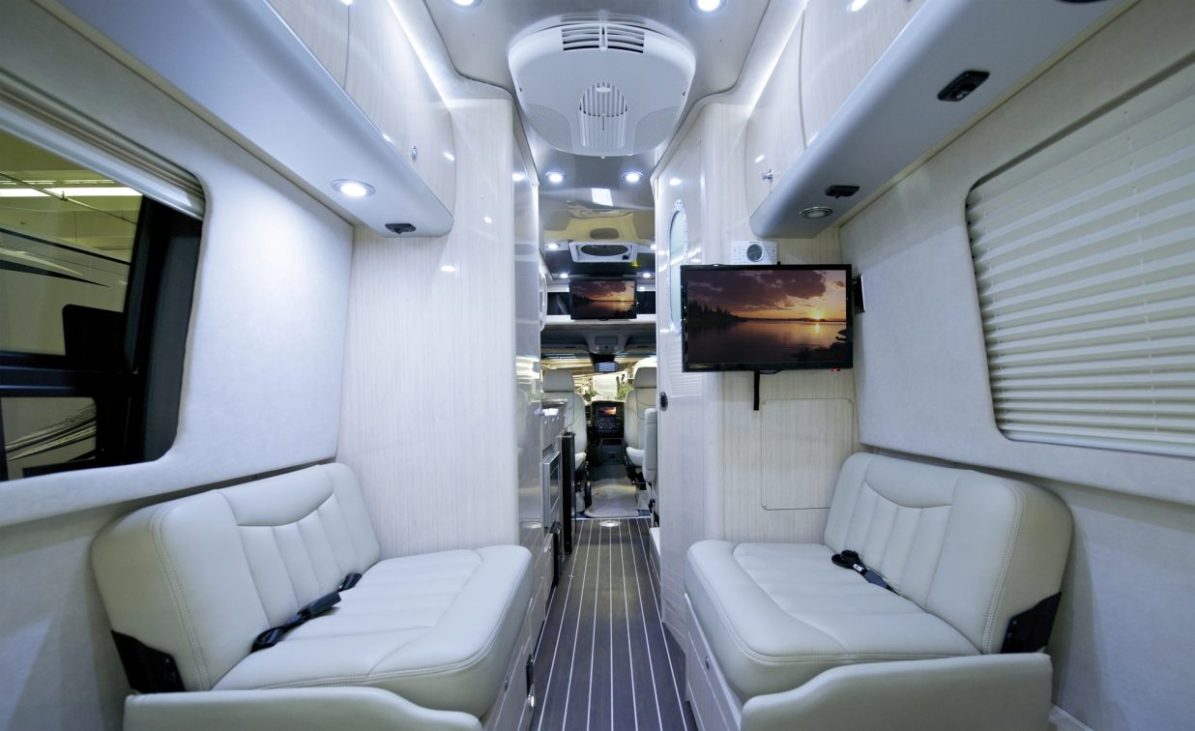
Motorhomes have evolved from simple travel vehicles into luxurious, high tech homes on wheels. Some upgrades push the boundaries of convenience, style, and even logic, transforming RVs into rolling mansions. From lavish interiors to futuristic technology, these enhancements can make you wonder if a stationary home is even necessary. Whether practical or excessive, these upgrades redefine what it means to live on the road.
Read it here: 13 Insane Motorhome Upgrades That Will Make You Question Your Life Choices
12 Jaw Dropping Vintage Caravans You’ll Wish You Owned

Vintage caravans bring a unique charm that blends nostalgia with adventure, making them highly sought after by collectors and road trip enthusiasts alike. These timeless mobile homes, built with classic designs and durable craftsmanship, have stood the test of time and continue to captivate travelers. Whether it’s their retro aesthetics, cozy interiors, or historical significance, vintage caravans hold a special place in automotive history. Here are 12 jaw dropping vintage caravans that will make you wish you owned one.
Read it here: 12 Jaw Dropping Vintage Caravans You’ll Wish You Owned
You’ll love these related posts:
- 11 Eco Friendly Materials That Are Revolutionizing Car Design
- 13 Eye-Opening Truths About Full-Time Van Travel That Will Blow Your Mind
- 14 Insanely Fast Cars Owned By Superstar Athletes
- 12 Stunning Ways Solar-Powered Cars Will Change How We Buy And Drive
- 12 Reasons Compact Pickups Are Making A Huge Comeback