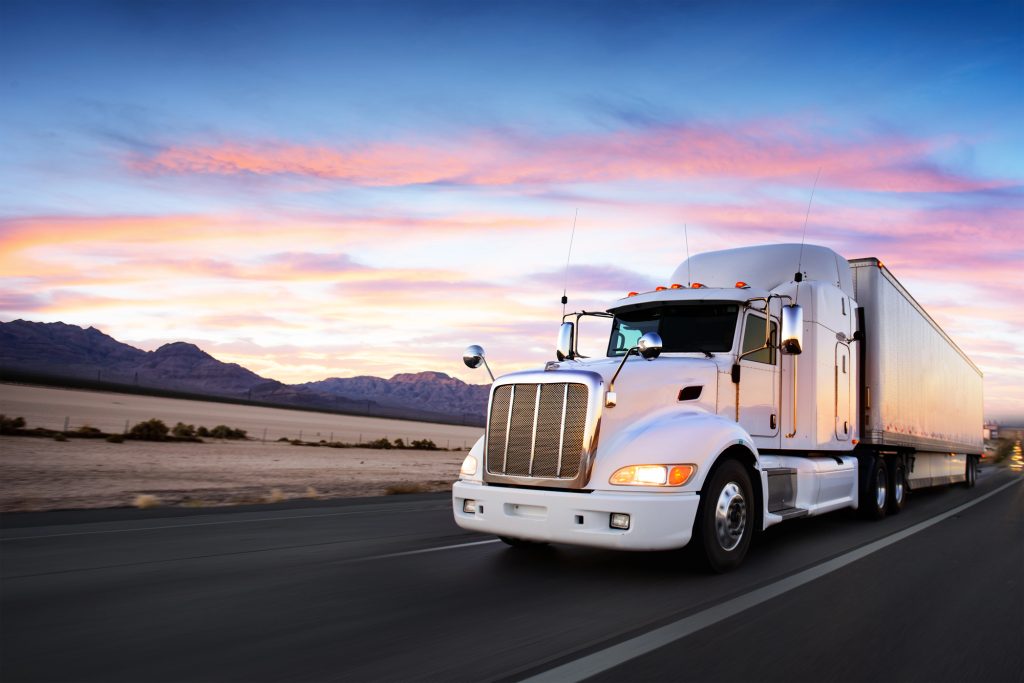
The trucking industry is the backbone of global commerce, ensuring goods move efficiently across vast distances. However, mounting challenges are threatening its stability, putting supply chains, businesses, and the economy at risk. From driver shortages to rising operational costs, here are 12 warning signs that the trucking industry could be on a path to crisis sooner than expected.
Worsening Driver Shortages

The trucking industry is facing an unprecedented driver shortage, with fewer young workers entering the field. High turnover rates, long hours, and demanding working conditions make recruitment difficult. Without enough drivers, supply chains slow down, increasing costs for businesses and consumers.
Rising Fuel Costs

Soaring fuel prices continue to squeeze profit margins for trucking companies. Many smaller operators struggle to stay afloat as diesel costs climb, forcing them to raise rates or shut down entirely. With fuel expenses making up a significant portion of operating costs, the financial strain is unsustainable.
Increased Regulation and Compliance Costs

Strict government regulations on emissions, safety, and working hours add heavy burdens on trucking companies. Compliance with new environmental laws and electronic logging mandates requires costly upgrades, pushing many independent truckers out of business. These regulations, while necessary, are straining an already struggling industry.
Aging Workforce with Few Replacements

The average truck driver is nearing retirement, and there aren’t enough younger workers stepping in to replace them. The physically demanding nature of trucking, combined with long hours away from home, discourages new talent from entering the field. This demographic shift threatens the industry’s long-term stability.
Related: 12 Cars That Became High-Performance Machines Thanks To An Engine Upgrade
Growing Dependence on Automation

While automation and self-driving trucks promise efficiency, they also pose significant risks. The transition to autonomous trucking is slow and costly, and many fear job losses will create an economic ripple effect. The uncertainty surrounding automation’s impact adds instability to the industry.
Related: 11 Shocking Truths About America’s Obsession With Gigantic Cars
Rising Maintenance and Repair Costs

With inflation driving up prices for parts and labor, maintaining trucks is becoming more expensive. Supply chain shortages also make it harder to find replacement parts, leading to longer downtimes and reduced efficiency. Many companies struggle to keep their fleets roadworthy under these conditions.
Related: 11 Genius Eletric Vehicle Hacks That Instantly Boost Your Battery Range
Deteriorating Infrastructure

Poor road conditions, aging bridges, and lack of infrastructure investment are making trucking more hazardous and expensive. Increased wear and tear on vehicles leads to higher maintenance costs, while congested highways result in more delays and fuel waste. Without improvements, these issues will only worsen.
Related: 12 Astonishing Dodge Convertibles That Ruled The Roads
Labor Strikes and Industry Unrest

Growing dissatisfaction among truckers regarding pay, working conditions, and treatment has led to an increase in labor strikes. Protests and work stoppages disrupt supply chains, causing delays in deliveries. As tensions rise, the potential for widespread industry shutdowns becomes a real threat.
Related: 13 Most Beautiful Ferrari Designs Ever Created
Environmental Pressures and Emission Regulations

Stricter emission standards are pushing trucking companies to adopt expensive green technologies. While electric and hydrogen-powered trucks are emerging, the high costs of transition make it difficult for smaller operators to comply. The pressure to reduce carbon footprints is adding financial strain across the industry.
Related: 11 Unstoppable Legacy Of Renault In Formula 1
Increased Competition from Rail and Air Freight

Rail and air freight are becoming more attractive alternatives as trucking costs rise. Businesses looking for cost-effective shipping solutions are turning to these options, reducing demand for long-haul trucking. This shift threatens traditional trucking jobs and weakens the industry’s dominance in freight transport.
Related: 12 Reasons Compact Pickups Are Making A Huge Comeback
Declining Freight Demand in Key Sectors

Economic downturns and changes in consumer behavior are causing declines in freight demand. Industries that rely heavily on trucking, such as retail and manufacturing, are shifting logistics strategies. If demand continues to drop, trucking companies may struggle to stay profitable.
Related: 11 Eco Friendly Materials That Are Revolutionizing Car Design
Financial Struggles Leading to Closures

Many trucking companies, especially small and independent operators, are shutting down due to unsustainable costs. Rising fuel prices, insurance premiums, and compliance costs are pushing businesses to the brink. If closures continue at the current rate, the industry could face a severe capacity crisis.
Related: 12 Stunning Ways Solar-Powered Cars Will Change How We Buy And Drive
The trucking industry is at a crossroads, facing multiple threats that could lead to widespread disruptions. Without significant changes in policy, infrastructure investment, and workforce development, the industry’s future looks uncertain. If these warning signs go unaddressed, a full-scale crisis may arrive sooner than expected, affecting businesses and consumers alike.
Disclaimer: This list is solely the author’s opinion based on research and publicly available information.
11 Costly Mistakes People Make When Buying A Used Truck

Buying a used truck can be a smart way to save money, but one wrong move can turn your purchase into a costly headache. From overlooking key inspections to misjudging ownership costs, many buyers make mistakes that lead to unexpected repairs, safety issues, or financial losses. To ensure you get the best deal and avoid buyer’s remorse, knowing what to watch out for is crucial. Here are 11 costly mistakes people make when buying a used truck.
Read it here: 11 Costly Mistakes People Make When Buying A Used Truck
The 12 Most Insane Four-Cylinder Trucks of 2025

Who says you need a massive V8 to have a powerful truck? Thanks to modern turbocharging, advanced engineering, and innovative technology, today’s four-cylinder trucks deliver impressive power, towing capability, and fuel efficiency without sacrificing performance. Whether you’re looking for off-road dominance, workhorse reliability, or just a fun daily driver, these 12 insane four-cylinder trucks prove that big things can come in small, efficient, and powerful packages.
Read it here: The 12 Most Insane Four-Cylinder Trucks of 2025
11 Most Underrated American Pickup Trucks You Shouldn’t Ignore

While some American pickup trucks get all the attention, others remain overlooked despite their impressive reliability, performance, and practicality. These underrated models often offer great value, strong capability, and unique features that make them hidden gems in the truck world. Here are 11 underrated American pickup trucks that deserve more recognition.
Read it here: 11 Most Underrated American Pickup Trucks You Shouldn’t Ignore
You’ll love these related posts:
- 13 Insane Ways Active Aerodynamics Are Making Supercars Faster Than Ever
- 12 Adorable Cars You Can Buy For Less Than 10,000 Dollars
- 12 Reasons Why More Car Lovers Are Switching To Hybrid Vehicles
- 13 Mind-Blowing Battery Innovations That Will Kill The Gas Pump Forever
- 14 Shocking Truths Behind the Sudden Revival of Budget-Friendly Compact Cars