Automakers have often rebranded the same car under different names to target various markets, appeal to different demographics, or reduce production costs. This practice, known as “badge engineering,” allows companies to sell nearly identical vehicles under multiple brands with minimal changes. While some models gained success across different markets, others led to confusion among buyers.
Here are 11 notable instances where automakers sold the same car under different names.
Toyota Matrix & Pontiac Vibe
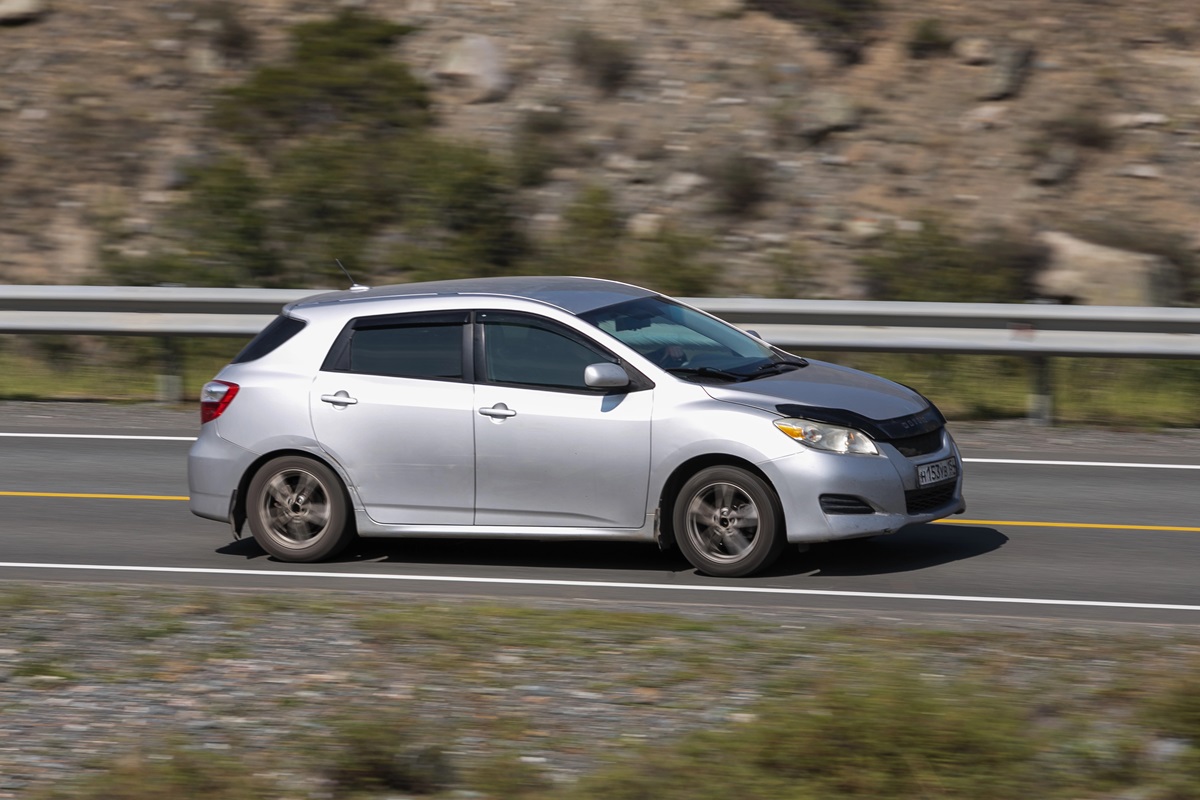
Toyota and General Motors collaborated on the Toyota Matrix and Pontiac Vibe, which shared the same platform and powertrain. The Matrix was sold under Toyota’s brand, while the Vibe carried a Pontiac badge, with only minor styling differences. Both hatchbacks were praised for their reliability and practicality, but Pontiac’s closure in 2010 ended the Vibe’s production. Toyota continued selling the Matrix for a few more years before discontinuing it in 2014.
Chevrolet Silverado & GMC Sierra
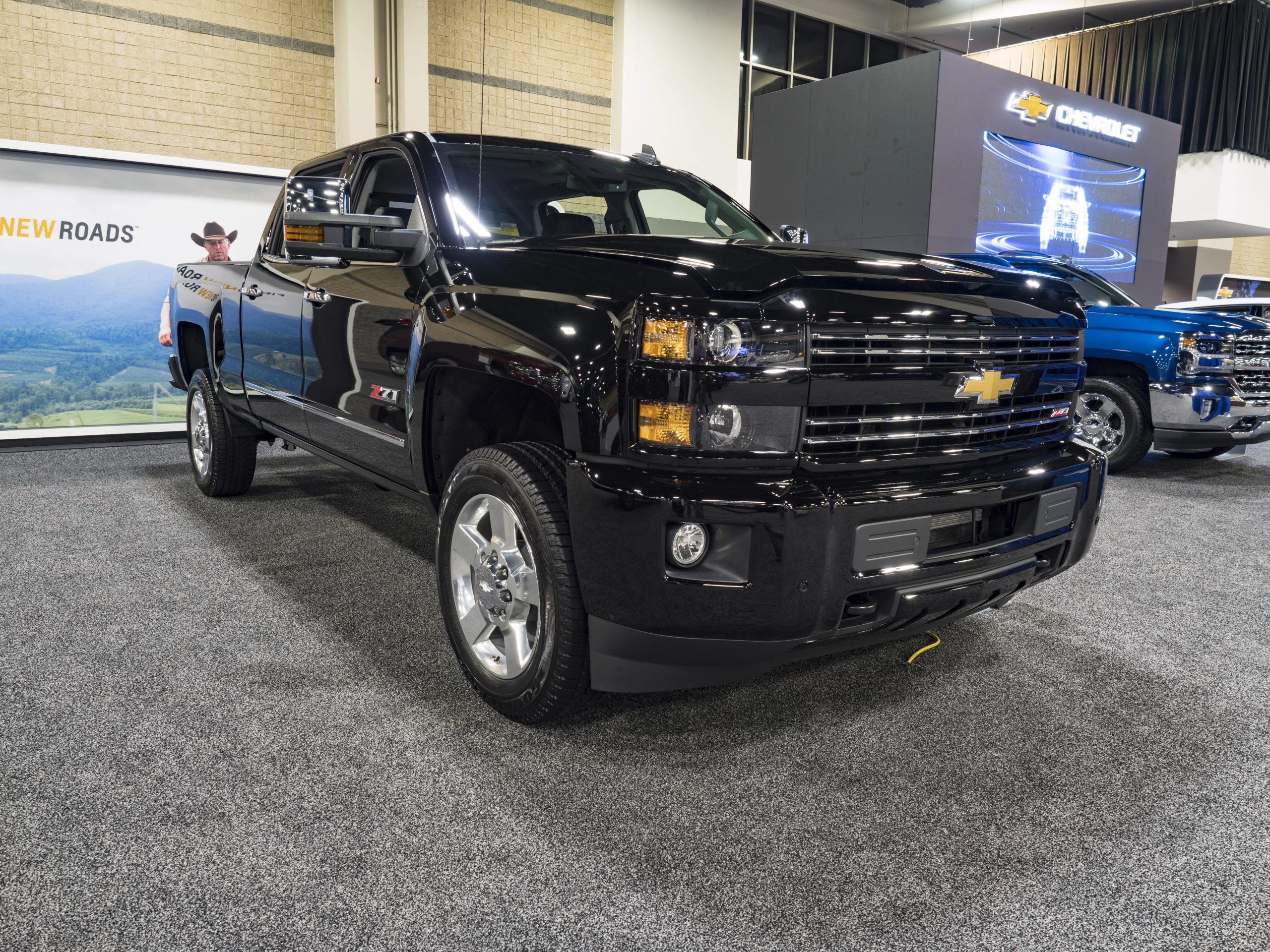
The Chevrolet Silverado and GMC Sierra are essentially the same truck with slight cosmetic and trim differences. Both are built on GM’s full-size truck platform, offering identical engine options, towing capacities, and features. The Sierra is positioned as the more premium option, featuring upscale materials and technology. Despite their similarities, brand loyalty keeps buyers divided between Chevy and GMC.
Dodge Stealth & Mitsubishi 3000GT

Dodge and Mitsubishi partnered in the 1990s to create the high-performance Dodge Stealth and Mitsubishi 3000GT. Both cars shared the same chassis, engines, and technology, including an advanced all-wheel-drive system and active aerodynamics. While the 3000GT maintained a strong international presence, the Stealth was sold exclusively in North America. The partnership ended in 1996, with both models eventually being discontinued.
Nissan Armada & Infiniti QX80
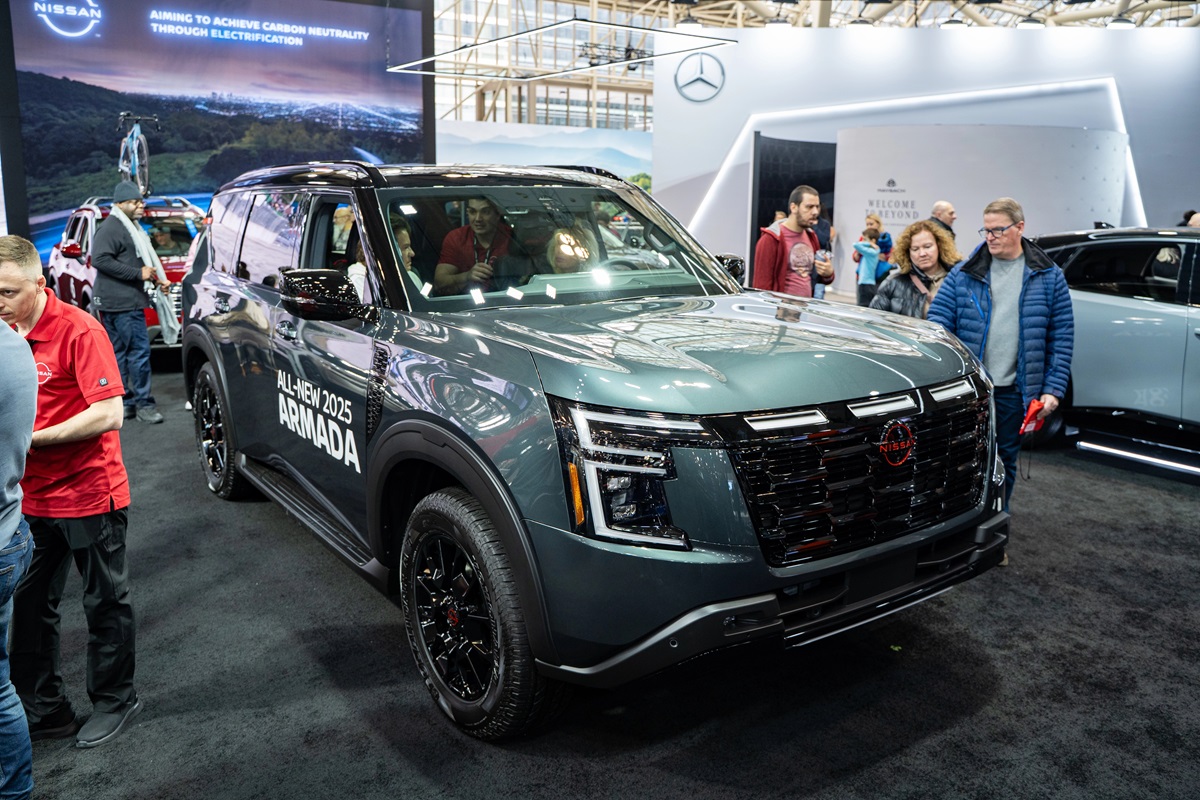
The Nissan Armada and Infiniti QX80 are nearly identical full-size SUVs, with the latter offering more luxury features. Both are built on the same platform and powered by a 5.6L V8 engine, delivering strong towing capability. The QX80 adds premium touches like leather interiors, advanced tech, and a more aggressive design. Despite their differences in branding, they remain closely related in terms of performance and structure.
Honda Passport & Isuzu Rodeo
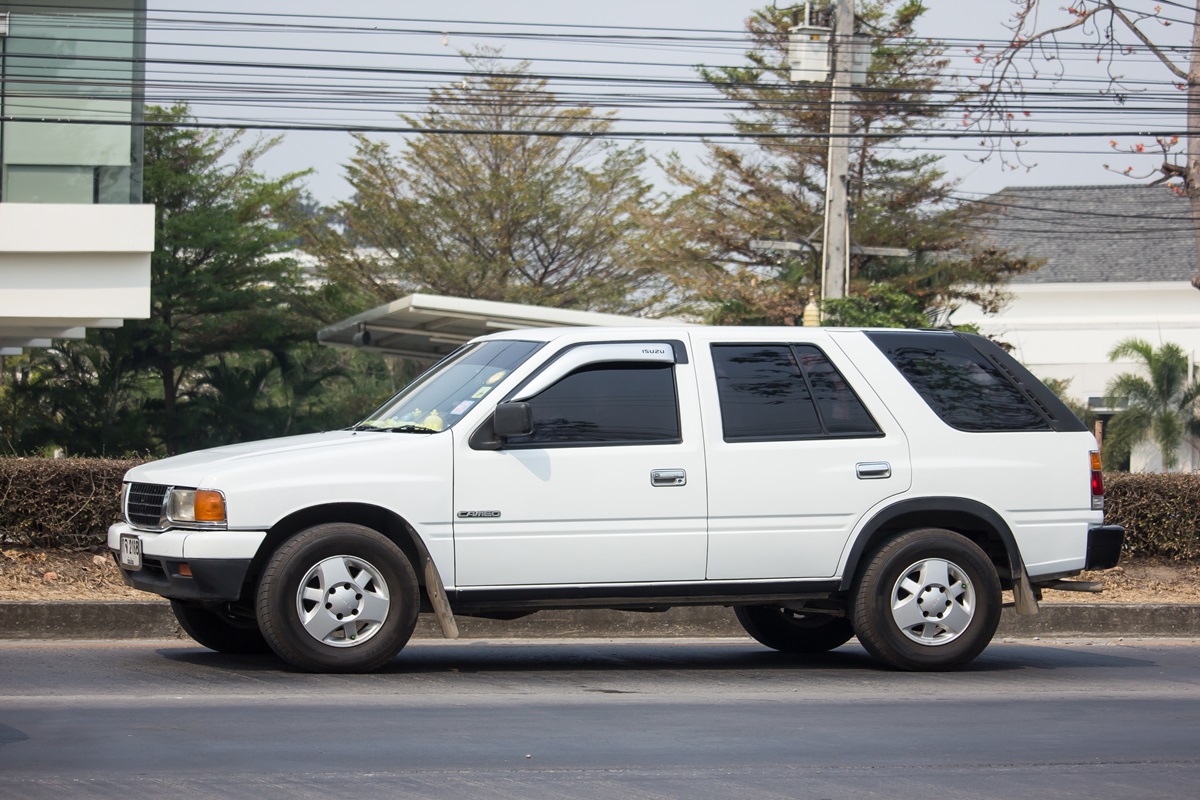
The original Honda Passport was actually a rebadged Isuzu Rodeo, created as part of a partnership between Honda and Isuzu in the 1990s. Honda lacked an SUV at the time, so it borrowed Isuzu’s platform to enter the growing market. The Passport and Rodeo were mechanically identical, but Honda positioned the Passport as a more refined option. Honda later developed its own SUV lineup, ending its reliance on Isuzu.
Volkswagen Routan & Chrysler Town & Country
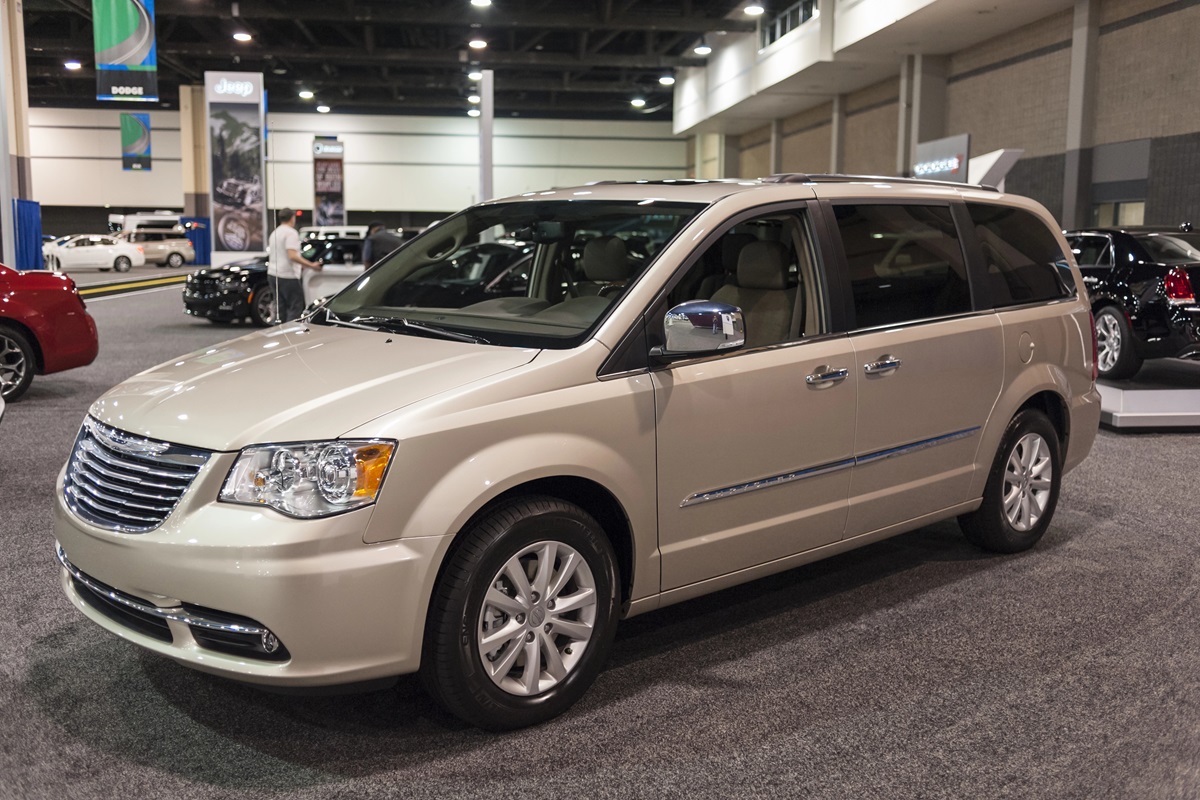
The Volkswagen Routan was essentially a rebadged Chrysler Town & Country minivan, introduced to give Volkswagen a presence in the minivan segment. Built in partnership with Chrysler, the Routan shared nearly all mechanical components with its American twin. Despite Volkswagen’s attempts to differentiate it with European-style tuning, sales remained low. The Routan was discontinued in 2014 as VW shifted focus to SUVs.
Chevrolet Captiva & Opel Antara
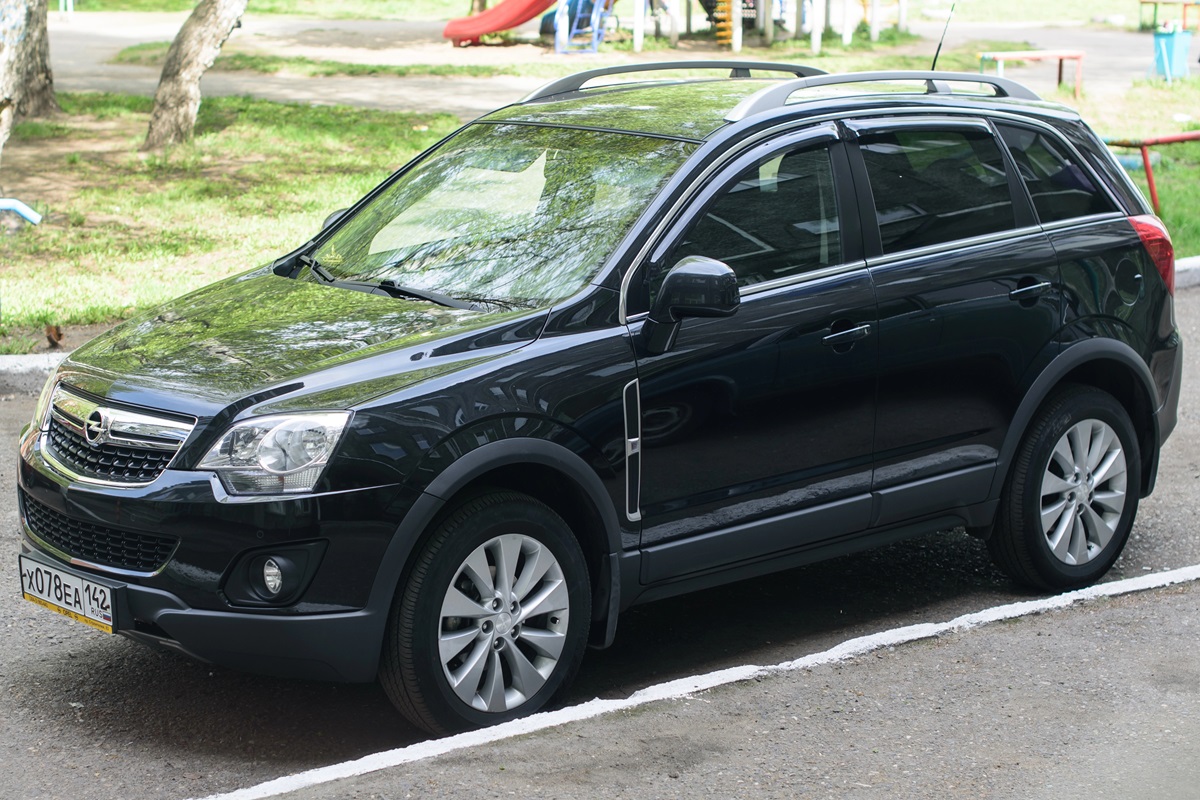
The Chevrolet Captiva and Opel Antara were two compact SUVs built on the same platform, catering to different regions. While the Captiva was marketed primarily in Asia and South America, the Antara was sold in Europe under Opel’s branding. The vehicles shared engines, technology, and interiors, with only minor styling differences. When GM sold Opel to PSA Group, both models were eventually phased out.
Ford Crown Victoria & Mercury Grand Marquis
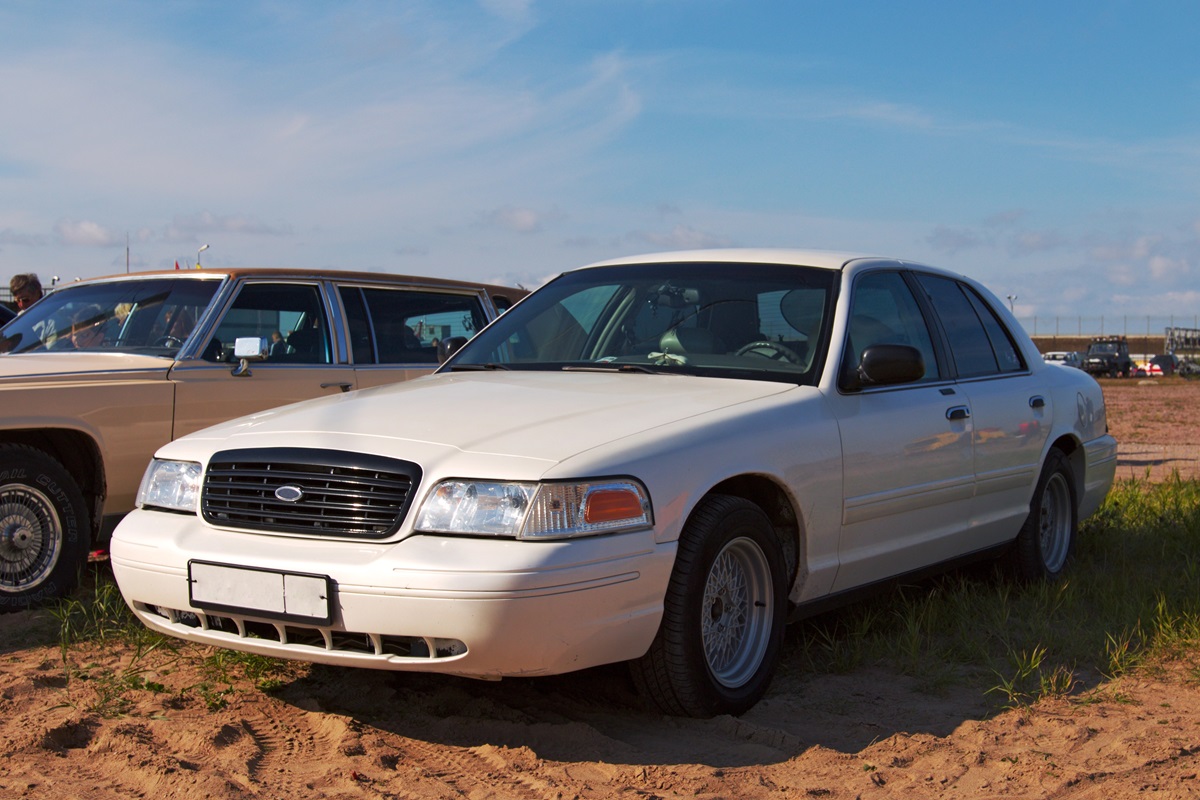
The Ford Crown Victoria and Mercury Grand Marquis were nearly identical full size sedans aimed at different buyer segments. Both featured the same body-on-frame construction and V8 engine, with the Grand Marquis offering slightly more premium features. The Crown Victoria was popular among police departments and taxi fleets, while the Grand Marquis catered to private buyers. Production of both models ended in 2011 as Ford moved away from traditional sedans.
Subaru BRZ & Toyota 86 (Scion FR-S)
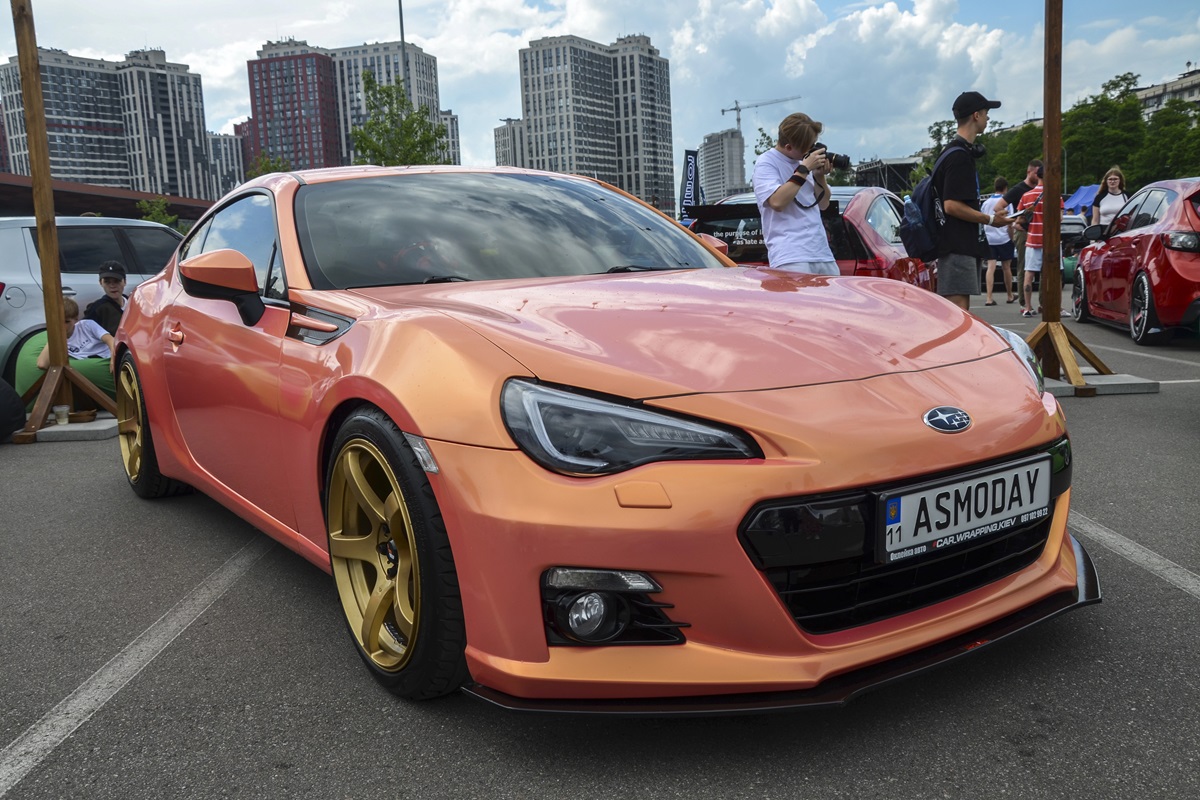
The Subaru BRZ and Toyota 86 (originally the Scion FR-S) were jointly developed sports cars with nearly identical mechanical components. Both featured a Subaru-developed boxer engine, rear-wheel drive, and lightweight handling dynamics. The main differences were minor design tweaks and branding, with the Subaru emphasizing its rally heritage. After Scion was discontinued, Toyota rebranded the FR-S as the Toyota 86.
Mazda2 & Toyota Yaris (North America)
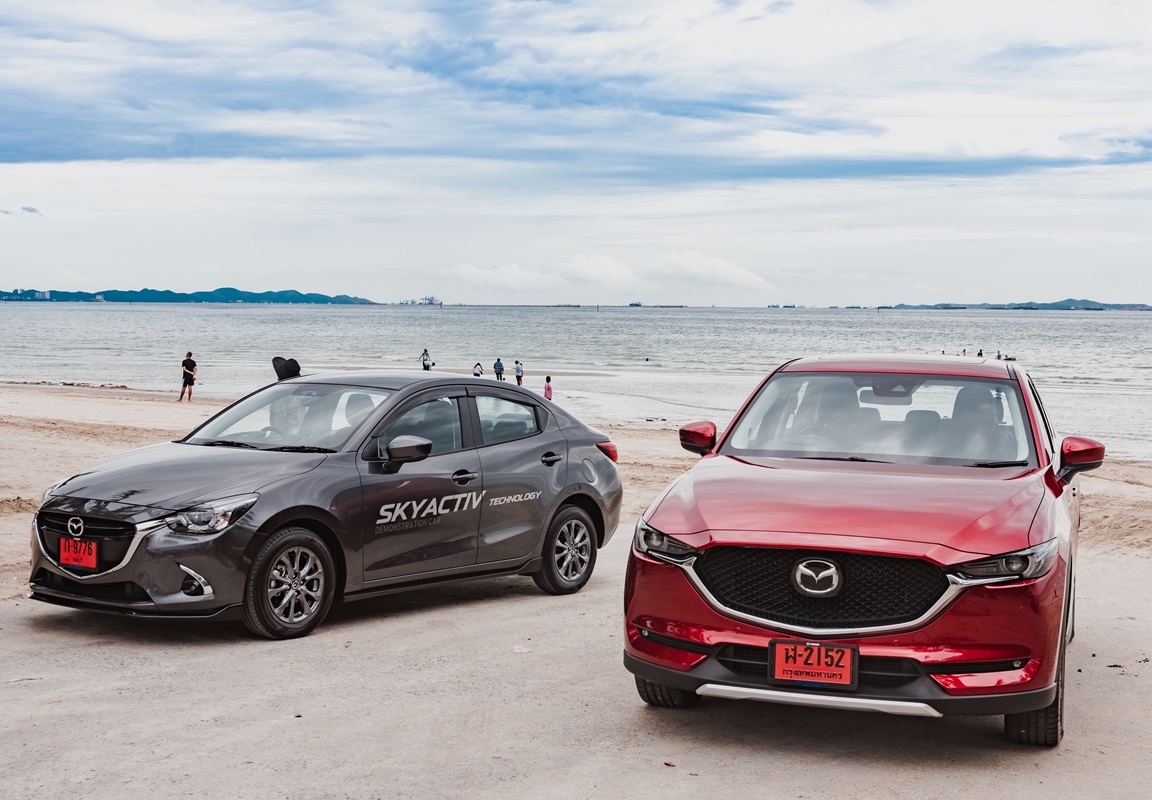
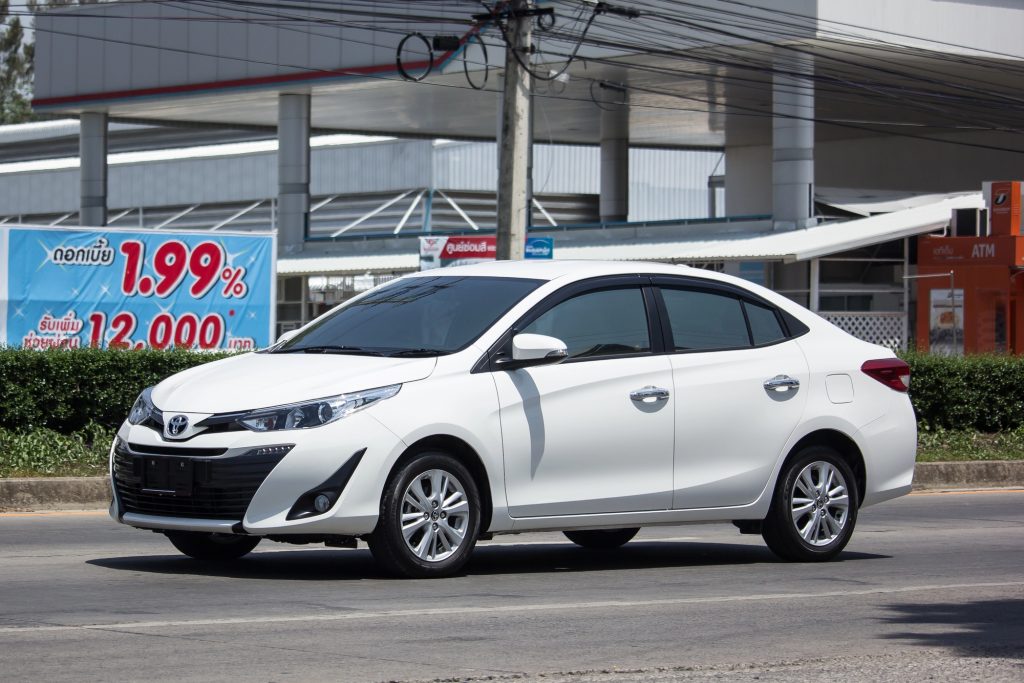
Toyota rebadged the Mazda2 as the Toyota Yaris in North America, replacing the previous Yaris sedan. Mechanically, the cars were identical, with the only differences being badging and minor interior tweaks. This partnership allowed Toyota to fill a gap in its subcompact lineup without developing an entirely new model. The rebadged Yaris was discontinued in 2020 as Toyota shifted focus to hybrids and SUVs.
Lexus LX & Toyota Land Cruiser
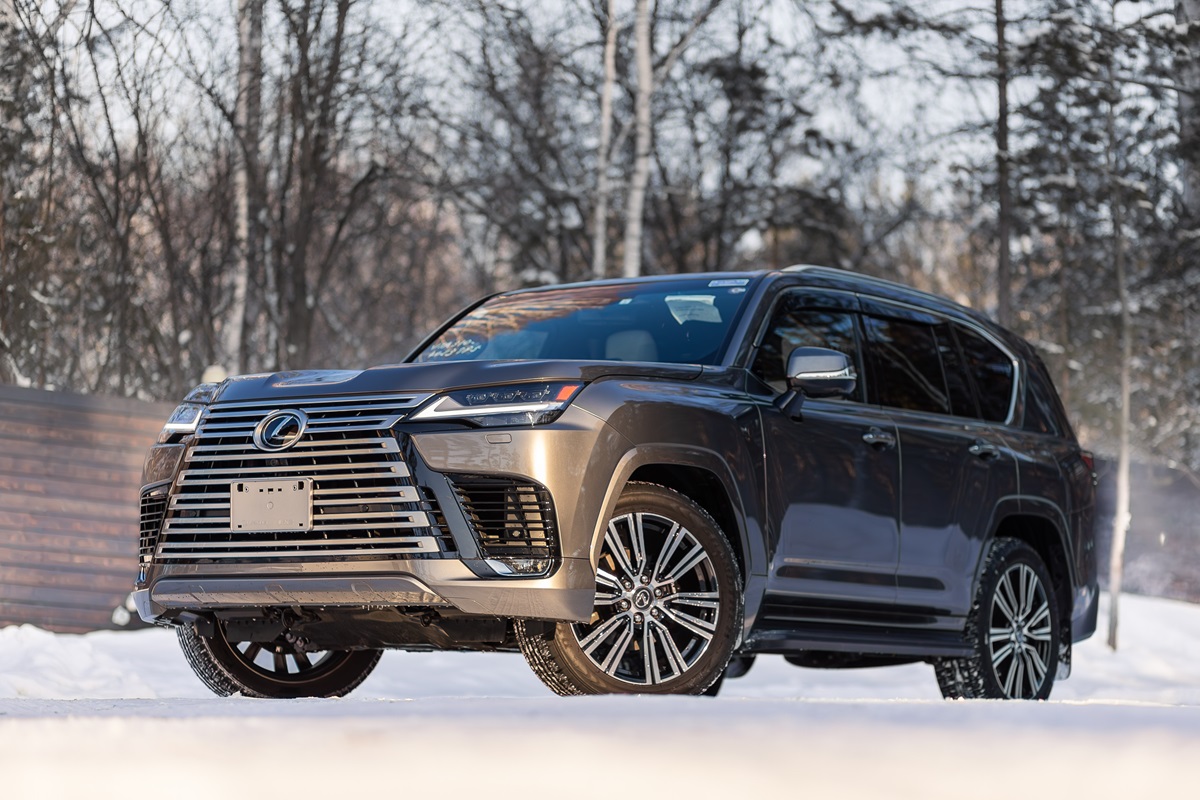
The Lexus LX and Toyota Land Cruiser are luxury and off-road versions of the same full-size SUV platform. While the Land Cruiser is known for its rugged off-road capabilities, the LX offers a more refined, high-end experience. Both SUVs share engines, chassis, and advanced off-road technology, with the LX featuring premium materials and technology. Despite their similarities, they attract different types of buyers based on luxury vs. adventure needs.
Badge engineering has been a common strategy for automakers to maximize profits and market reach without developing entirely new models. While some rebadged cars gained strong followings, others confused buyers and struggled in sales. Automakers continue to use this strategy, especially in global markets where different brands cater to specific customer preferences. Despite occasional criticism, badge engineering remains an effective way for companies to expand their lineup efficiently.