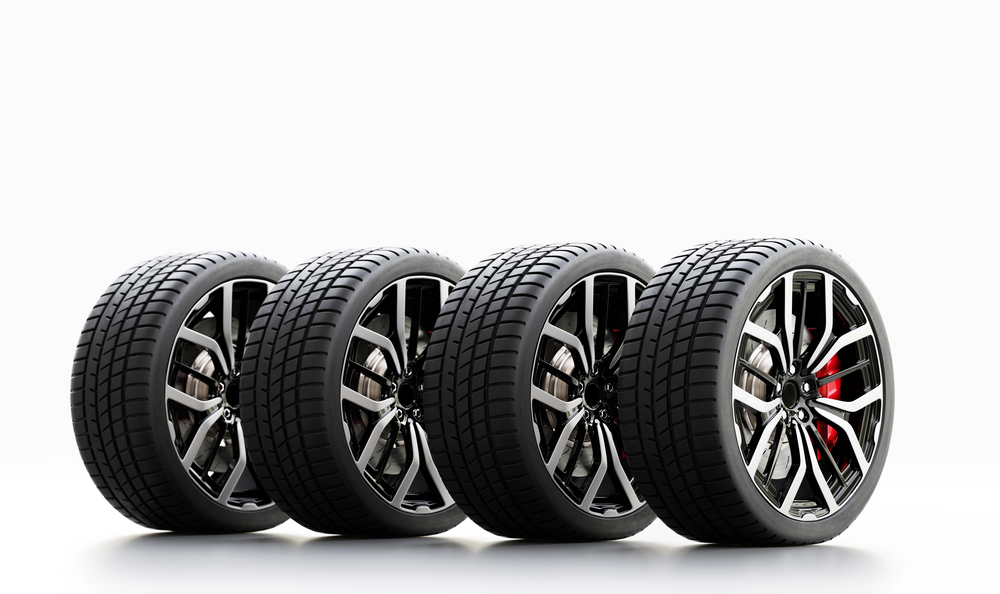
Buying the right tires for your vehicle is crucial for safety, performance, and long-term savings. With so many options available, it’s easy to make mistakes that lead to poor handling, reduced fuel efficiency, and even premature tire wear. Understanding key factors such as tire type, size, tread pattern, and maintenance can make all the difference. Here are 11 essential tire buying tips that every driver should know before making a purchase.
Know Your Tire Size

Every vehicle requires a specific tire size, which can be found in the owner’s manual or on the driver’s side door jamb. Installing the wrong size can affect handling, braking, and fuel efficiency. Even slight variations can lead to speedometer inaccuracies and excessive wear. Always check the manufacturer’s recommended size before buying new tires.
Understand Tire Types

Different tires serve different purposes, including all-season, summer, winter, and performance tires. Choosing the wrong type can compromise traction and safety, especially in extreme weather conditions. If you live in an area with harsh winters, consider switching to dedicated winter tires for better grip. Matching your tire type to your driving conditions ensures optimal performance and longevity.
Pay Attention to Tread Patterns

Tire tread patterns impact grip, water dispersion, and road noise. Symmetrical treads offer even wear and longevity, while directional treads enhance traction in wet conditions. Asymmetrical treads combine the best of both for improved cornering and performance. Understanding tread patterns helps you choose a tire that suits your driving style and road conditions.
Check the Treadwear Rating

The Uniform Tire Quality Grading (UTQG) system provides a treadwear rating that indicates how long a tire should last. A higher number means better longevity, but it may sacrifice grip and performance. Performance tires often have lower treadwear ratings because they prioritize traction. Consider your driving habits when balancing tread life and performance needs.
Related: 13 Indestructible Cars So Tough They Could Outlast Civilization
Look at the Load Index and Speed Rating

Each tire has a load index and speed rating that determine how much weight it can carry and how fast it can safely travel. Installing tires with a lower load index than required can be dangerous, especially for SUVs and trucks. Similarly, using a tire with a lower speed rating than specified can impact stability. Always match or exceed the manufacturer’s recommended ratings for safety.
Related: 13 Mini Cars That Look Fake Until You See Them Drive
Buy a Full Set, Not Just Two

Replacing only two tires at a time can create handling imbalances and reduce overall traction. A new set of tires provides uniform grip and stability, improving performance and safety. If replacing just two, ensure they go on the rear axle to prevent skidding in wet conditions. Ideally, always replace all four tires together for consistent handling.
Related: 13 Cars That Were So Ahead Of Their Time They Still Feel Modern Today
Consider Fuel-Efficient Tires

Low rolling resistance tires can improve fuel economy by reducing friction with the road. While they may cost more upfront, they save money in the long run by increasing miles per gallon. Hybrid and electric vehicle owners especially benefit from fuel-efficient tires. Checking for eco-friendly tire options can lead to long-term savings and reduced emissions.
Don’t Ignore the Manufacture Date

Tires have a lifespan, even if they’re unused, due to rubber degradation over time. Check the DOT code on the sidewall to find the manufacturing date, tires older than six years should be avoided. Aged rubber becomes brittle, reducing grip and increasing the risk of blowouts. Always purchase the freshest tires available to maximize safety and longevity.
Related: 14 Hypercars So Insane They Make Supercars Look Slow
Compare Brands and Reviews

Not all tires are created equal, and brand reputation matters when it comes to safety and durability. Reading reviews and expert ratings can help identify which tires perform best in real-world conditions. Some budget brands may offer lower prices but compromise on performance and tread life. Investing in a reputable brand ensures a balance of quality, safety, and value.
Related: 12 Porsches That Shaped The Future of Speed
Don’t Just Rely on Price

The cheapest option isn’t always the best, and expensive doesn’t always mean superior. While premium tires offer better performance and durability, some mid-range brands provide great value. Consider factors like treadwear, traction, and handling rather than just the price tag. A well-researched mid-tier tire can outperform a budget tire in longevity and safety.
Buy Tires Based on Your Driving Conditions

Your driving environment should determine your tire choice, city driving, off-roading, and highway cruising all require different features. If you frequently drive on rough roads, opt for reinforced sidewalls to prevent damage. Highway drivers should prioritize comfort and low noise, while off-road enthusiasts need aggressive tread patterns. Matching your tires to your lifestyle enhances safety and performance.
Related: 13 Car Models That Secretly Share Parts with Cheaper Vehicles
Buying the right tires involves more than just picking a size or finding the best deal, it’s about safety, performance, and long-term value. Choosing the right type, understanding tread patterns, checking tire age, and maintaining proper inflation all contribute to a better driving experience. Investing in quality tires and following best practices like alignment, rotation, and pressure checks ensures longevity and optimal performance. By following these 11 essential tire buying tips, you can make an informed decision that keeps you safe on the road and saves you money in the long run.
Disclaimer: This list is solely the author’s opinion based on research and publicly available information.
You’ve Been Washing Your Car Wrong This Whole Time Here’s The Right Way

Many car owners think a quick soap and hose wash is enough to keep their ride looking fresh. However, improper washing techniques can cause swirl marks, scratches, and even damage to your car’s paint over time. If you’ve been using dish soap, washing in direct sunlight, or skipping important steps, you’re doing it wrong. Here are 12 expert-approved ways to wash your car the right way!
Read it here: You’ve Been Washing Your Car Wrong This Whole Time Here’s The Right Way
12 Secret Tricks That Make Teaching Your Teen To Drive Way Less Stressful

Teaching your teen to drive can be a nerve-wracking experience, but it doesn’t have to be. With the right approach, you can make the process smoother, safer, and even enjoyable for both of you. These expert-backed tricks will help you stay calm, keep your teen focused, and ensure they develop safe driving habits that last a lifetime.
Read it here: 12 Secret Tricks That Make Teaching Your Teen To Drive Way Less Stressful
13 Best Cars for Retirees Who Want Comfort, Luxury, and Zero Stress

Retirement is all about relaxation, adventure, and enjoying the finer things in life, and the right car can make all the difference. Whether you want a luxurious cruiser, an easy to drive SUV, or a fuel efficient hybrid, these 18 best cars for retirees offer comfort, safety, and stress free driving.
Read it here: 13 Best Cars for Retirees Who Want Comfort, Luxury, and Zero Stress
You’ll love these related posts:
- 12 New Sports Cars That Outsmart Supercars For Half the Price
- 13 Weirdest Things That Secretly Raise Your Car Insurance Rates
- 14 Fancy Cars That Look Premium but Cut Corners Where It Counts
- 12 Futuristic Cars That Feel Like They Were Designed For Gen Z
- 14 Dangerously Fun Cars That Put Thrill Over Everything Else