Saddle height can make or break your cycling experience, yet most riders don’t give it a second thought. Professional cyclists, on the other hand, treat saddle position as a science that deeply influences performance, comfort, and even injury prevention. A saddle that’s even slightly too high or too low can affect pedaling efficiency, joint health, and endurance over long rides. Here are 10 secrets pro cyclists know about saddle height that every rider should consider.
There’s a Goldilocks Zone
Too low, and you risk overuse injuries and rob yourself of power; too high, and you may struggle with stability and discomfort. Professionals look for that narrow sweet spot where their legs extend optimally without losing control or causing muscle strain. The goal is not just comfort but enhancing long-term output with reduced fatigue.
Saddle Height Affects Breathing

Pros understand that poor saddle height compresses the torso and tightens the hips, limiting airflow during strenuous climbs or sprints. When your saddle is adjusted correctly, you sit upright enough to allow full lung expansion and core activation. This small tweak allows for better oxygen delivery, which boosts endurance and recovery.
Millimeters Matter
It might sound excessive, but even a 2mm shift in saddle height can alter your entire ride dynamic. That small difference changes joint angles and pressure points, ripples into fatigue, speed, and handling. Pros often fine-tune their saddles several times during a season based on performance data and terrain.
It’s Linked to Injury Prevention
Incorrect saddle height can contribute to long-term joint degradation and muscular imbalance, especially around the knees and lower back. Pro riders work closely with fit specialists and physiotherapists to make sure every pedal stroke promotes balance and safety. Preventing injury isn’t just about comfort; it’s about protecting your riding future.
Related: 10 Surprising Perks Of Letting Your Car Park Itself
Your Shoe and Cleat Setup Plays a Role
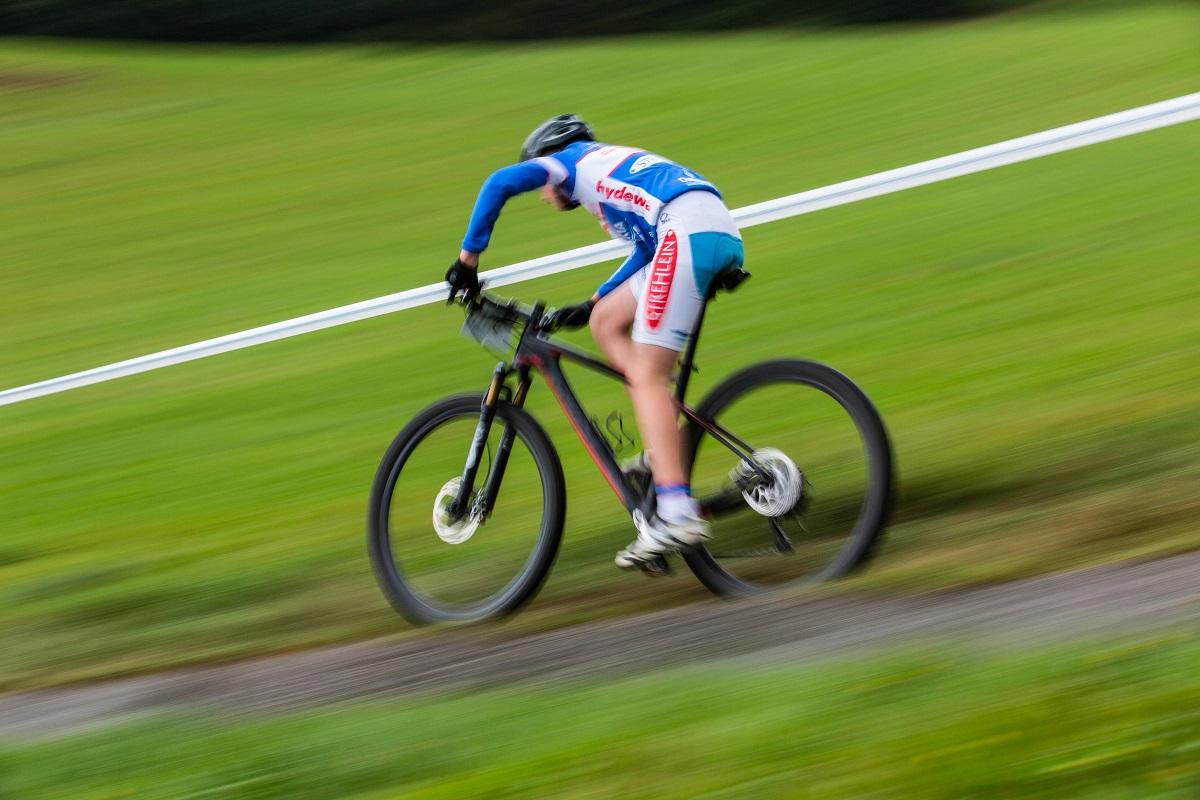
A new pair of shoes or a cleat repositioning can subtly change your leg length, demanding a saddle readjustment. Professionals never change one part of their bike setup without revisiting saddle height to maintain consistency and performance harmony. Everything from cleat float to shoe stack height is considered in this equation.
Related: 10 Things Parents Regret After Skipping The Car Seat
It Impacts Pedal Stroke Smoothness

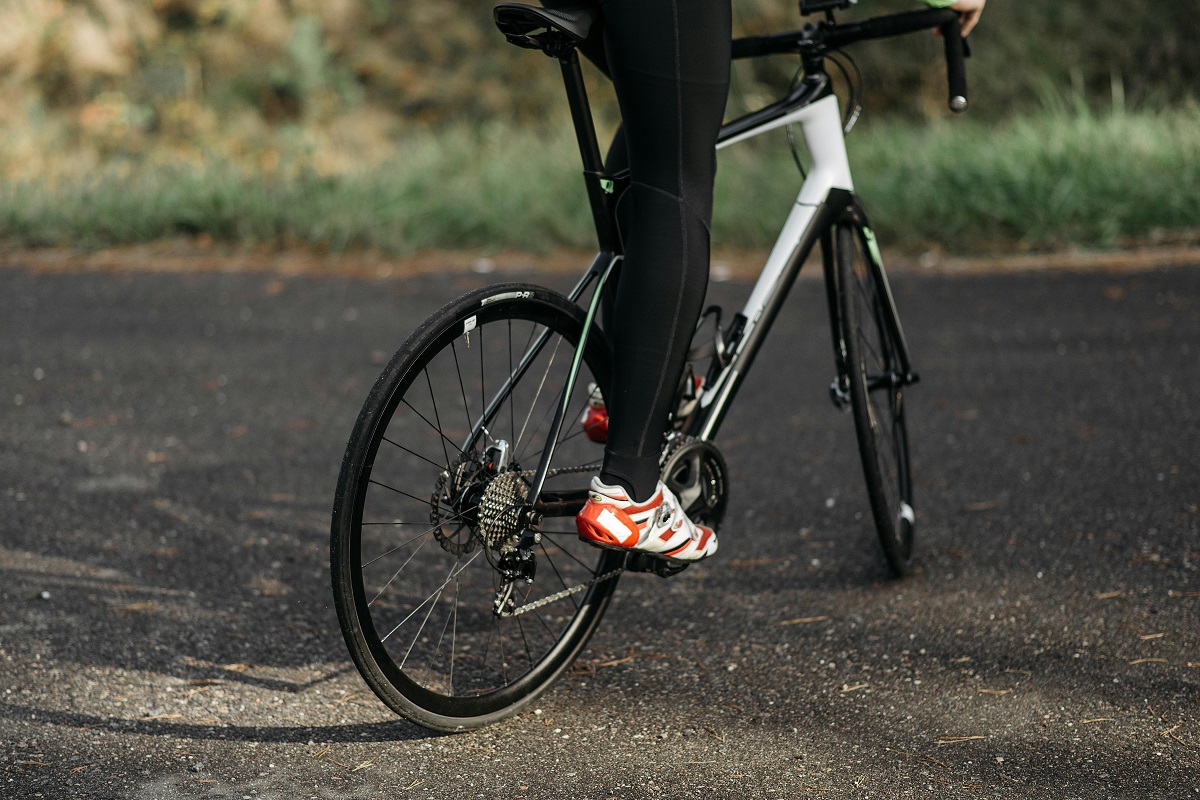
When your saddle is dialed in, your pedal strokes feel like a perfect circle, smooth, even, and powerful. If the saddle is too high, you’ll overreach and lose torque at the bottom of the stroke; too low, and you won’t generate full force. Smooth pedal mechanics start with the right saddle height as a foundation.
Related: 10 Used Muscle Cars That Still Pack Value In 2025
Terrain Matters Too
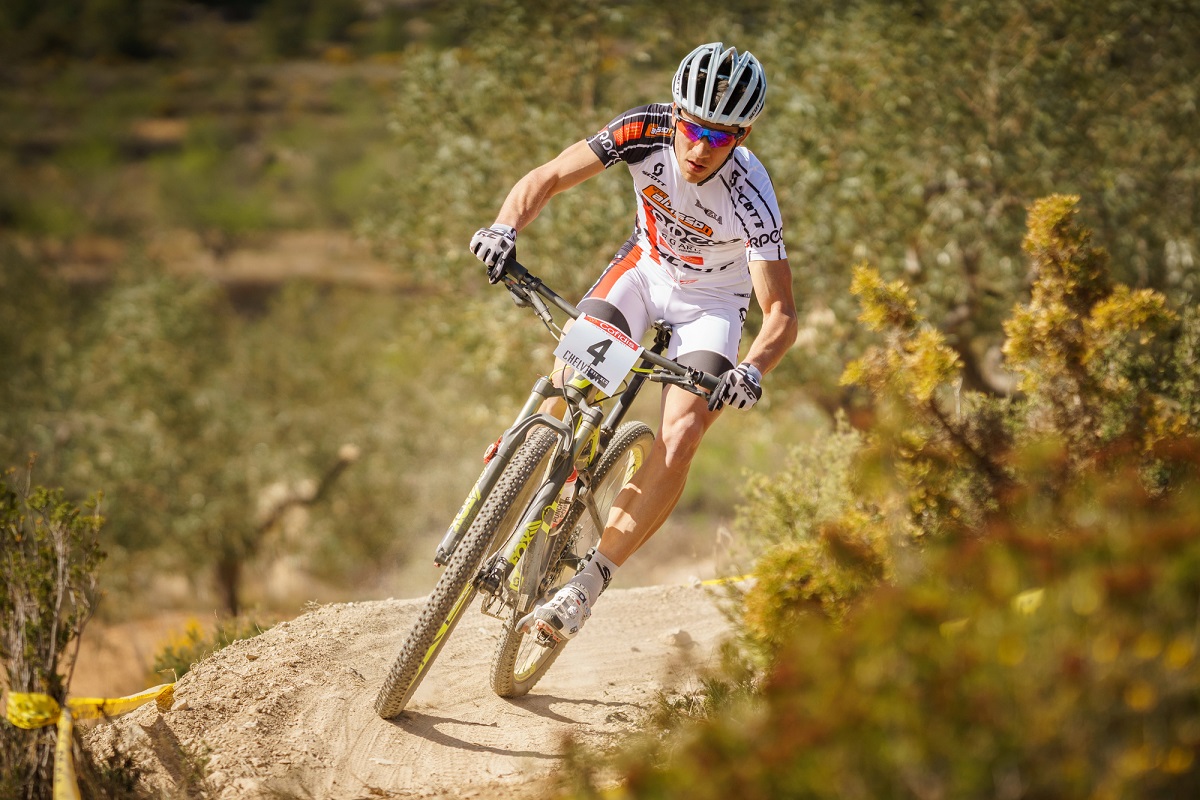
Riders in mountain regions versus flatlands use different heights to suit their environment. A lower saddle improves control and cadence when climbing, while a higher saddle helps maximize stride efficiency on flat roads. Pro cyclists experiment and adjust regularly, treating the terrain like part of their bike fit.
Related: 10 Ways The Outback Just Redefined Subaru’s SUV Game
Flexibility and Age Influence Fit
As riders age or experience injuries, their flexibility and posture naturally shift, requiring new saddle measurements. Even small changes in hamstring length or lumbar flexibility can alter how the body aligns on the bike. Pros treat the saddle as a dynamic point of contact that adapts with the rider over time.
Related: 10 Old School Trucks That Could Crush Trails Without Breaking A Sweat
You Need the Right Tools for Precision
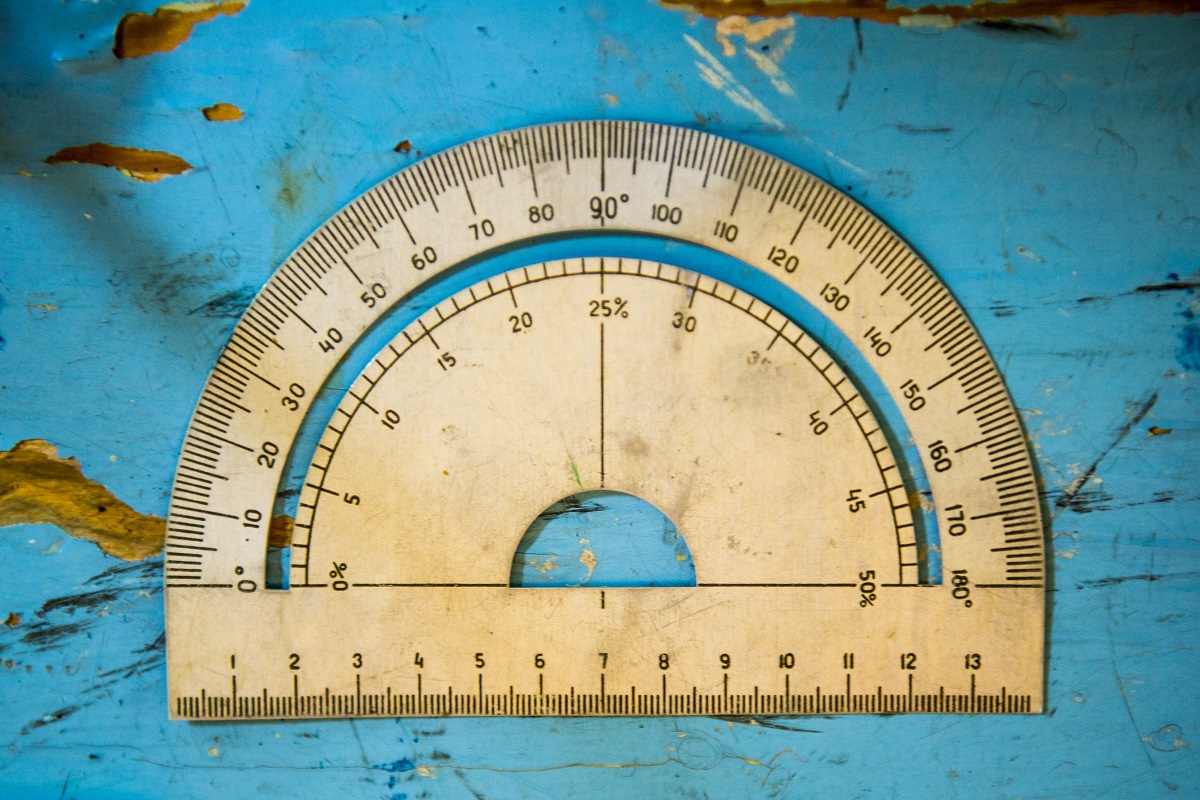
Tools like goniometers, saddle height calculators, and even 3D motion systems help pros eliminate guesswork. These technologies ensure angles are correct, hips remain stable, and muscle groups engage appropriately. Such precision equipment is why pro bike fits can take hours and still require fine-tuning.
Related: 10 Overlooked Vehicles That Crush It At Carrying Heavy Loads
Core Strength Can Mask Bad Saddle Setup
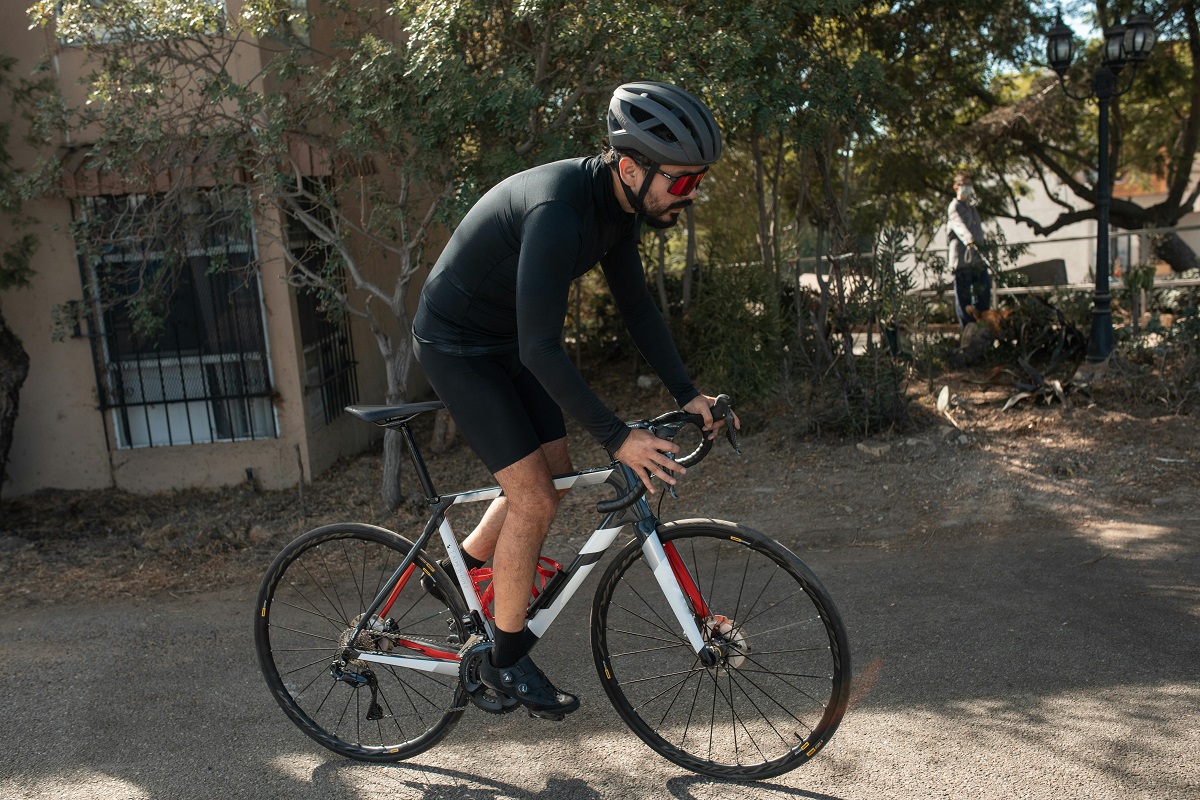
Stronger riders may unknowingly compensate for poor height with muscular endurance, hiding issues that could grow worse over time. Professionals don’t let strength override smart setup; they monitor their body’s responses closely and adjust when discomfort or inefficiency arises. A well-fitted saddle makes core engagement more effective, not compensatory.
Related: 10 Weird Pontiac Details That Saved It From The Junkyard
Saddle height may seem like a minor detail, but it carries a major influence over a cyclist’s efficiency, comfort, and longevity in the sport. Professional cyclists treat saddle height as a living measurement, always subject to change and improvement. With the right tools, body awareness, and attention to detail, riders at any level can benefit from fine-tuning their saddle height. From injury prevention to improved oxygen flow and terrain adaptability, there are endless reasons to care.
Disclaimer: This list is solely the author’s opinion based on research and publicly available information.
13 Bikes That Make You Want To Ditch Your Car

With cities growing more congested and fuel prices refusing to cooperate, more people are turning to two wheels instead of four. Modern bikes are no longer simple frames with pedals, they’re smart, fast, stylish, and packed with tech that rivals some cars. Whether you’re commuting to work, exploring the outdoors, or zipping through traffic, today’s bikes offer serious motivation to rethink your ride. These 13 bikes might just make you leave your car keys on the hook for good.
Read it here: 13 Bikes That Make You Want To Ditch Your Car
These 10 Secrets Turn Basic Bikes Into Super Fast Beasts

Motorcycle enthusiasts often seek ways to enhance their bike’s performance without spending a fortune. While high-end modifications can be costly, there are plenty of affordable tweaks that can significantly improve speed, handling, and efficiency. From simple maintenance routines to smart aftermarket upgrades, unlocking your bike’s hidden horsepower is easier than you think. Knowing where to invest your time and money can make a huge difference in your riding experience.
Read it here: These 10 Secrets Turn Basic Bikes Into Super Fast Beasts
Spring Riding Hacks Every Biker Needs For A Fun Trip

Spring is the perfect time to hit the open road and enjoy the thrill of motorcycle riding. However, the changing weather, road conditions, and increased traffic require bikers to be extra prepared. With the right strategies, gear, and mindset, riders can maximize safety and enjoyment on every journey. This guide highlights 12 essential spring riding hacks that will make your trips smoother, safer, and more exhilarating. By following these tips, you can ensure a stress-free and exciting riding season ahead.
Read it here: Spring Riding Hacks Every Biker Needs For A Fun Trip