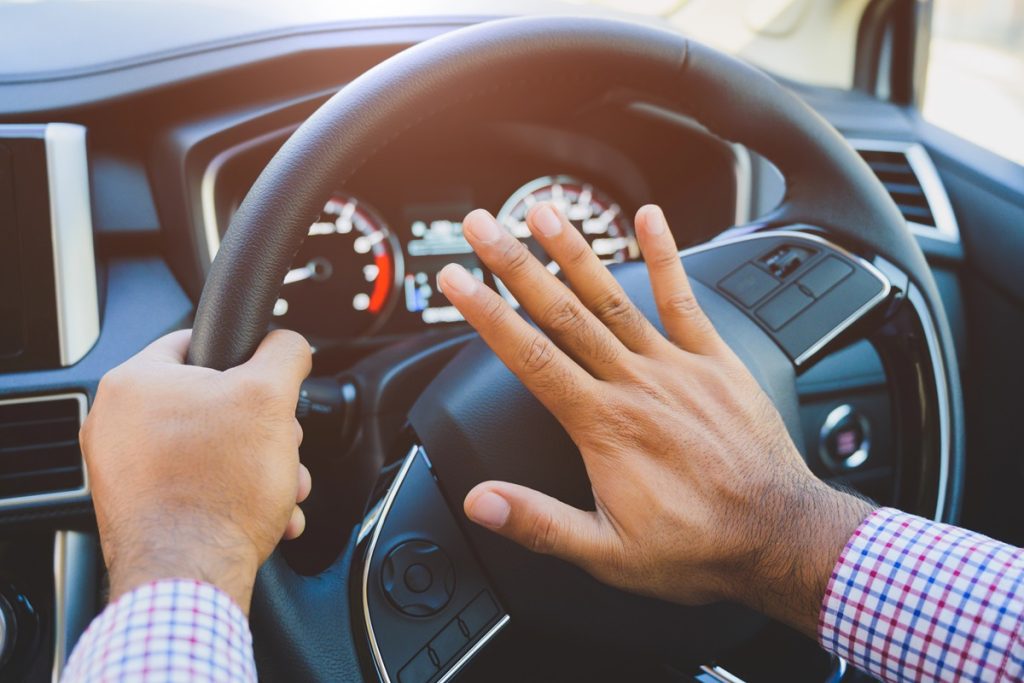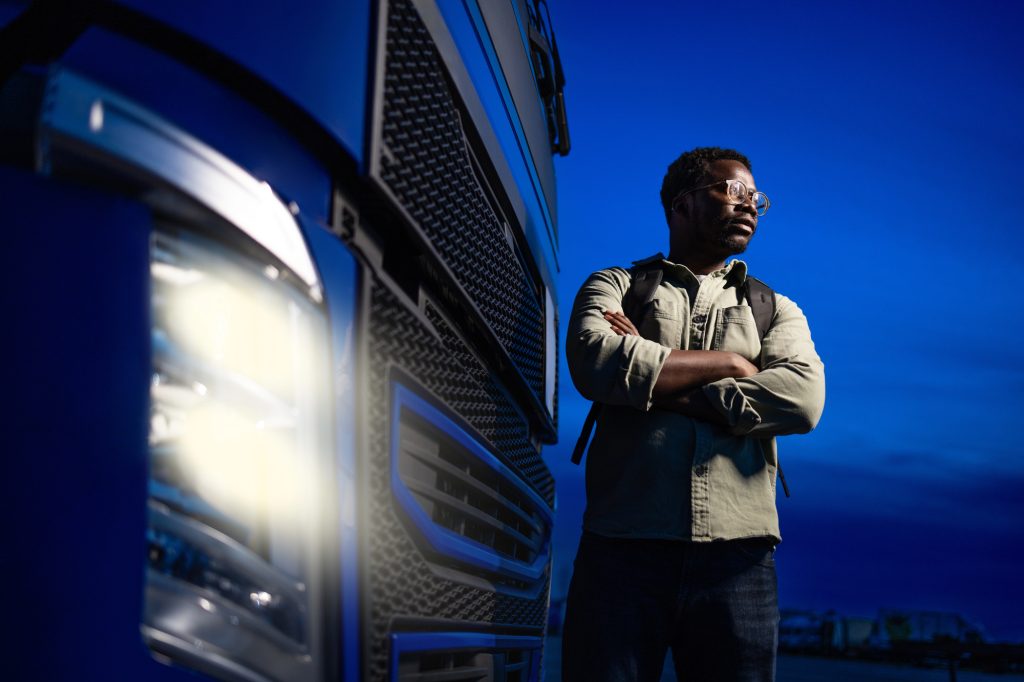
Nighttime road trips can be magical, with quieter highways and scenic views under the stars. But driving after dark also presents its own set of challenges, from reduced visibility to increased driver fatigue. Whether you’re planning a peaceful escape or heading out on a cross-country journey, it’s crucial to be prepared. Here are 12 essential night driving tips that can help transform your late-night trips into stress-free adventures.
Clean Your Windshield Inside and Out
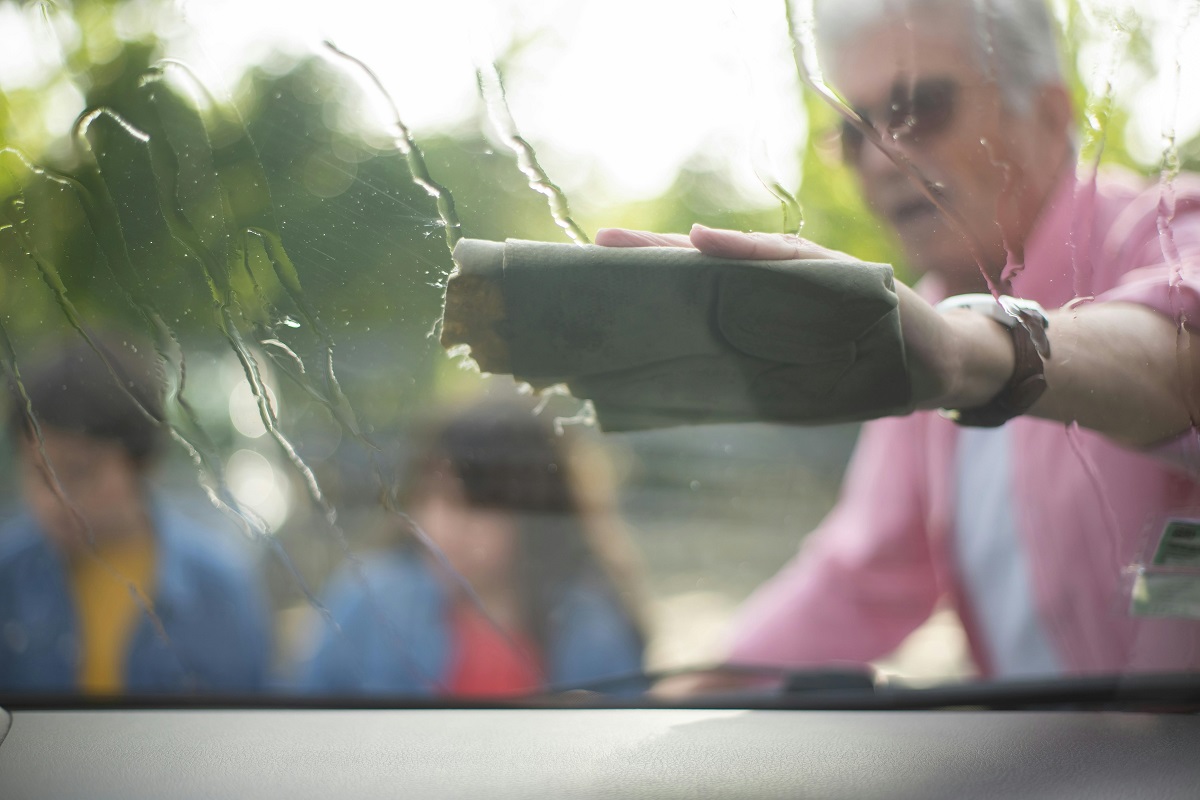
A dirty windshield may not seem like a big issue in daylight, but at night, grime and streaks can create dangerous glare from headlights. Regularly cleaning both sides of the glass with a proper glass cleaner ensures maximum clarity. A spotless windshield gives your eyes the best chance to pick up on road hazards and distant objects.
Use Anti-Reflective Glasses If You Wear Prescription Lenses

Glare from oncoming traffic can become unbearable when wearing standard glasses. Anti-reflective coating helps reduce distracting reflections and improves visual clarity in low-light settings. It’s a small adjustment that can significantly boost comfort and focus during extended night drives.
Dim Your Dashboard Lights
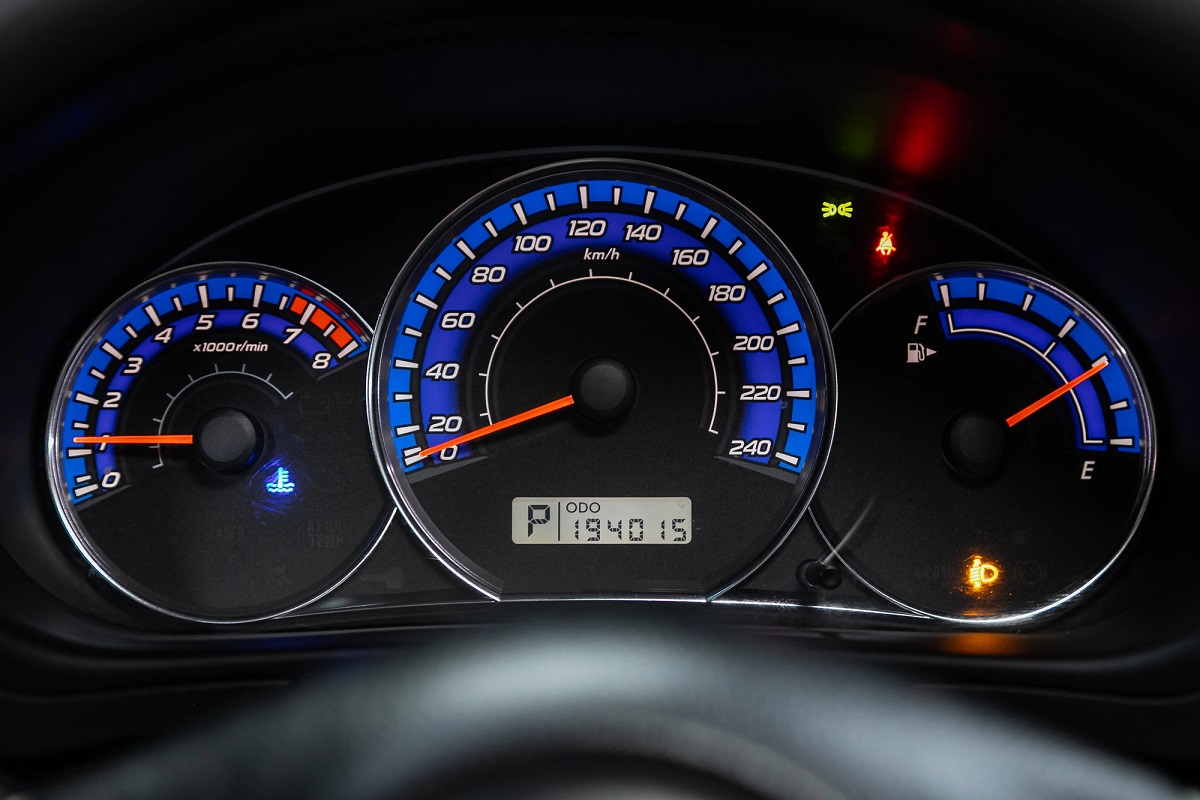
Overly bright dashboard lights can interfere with your night vision and distract you from the road ahead. Lowering the brightness allows your eyes to adjust more easily to the surrounding darkness. This simple adjustment can help you maintain better visibility of your surroundings while minimizing fatigue.
Drive Slower Than You Would in Daylight
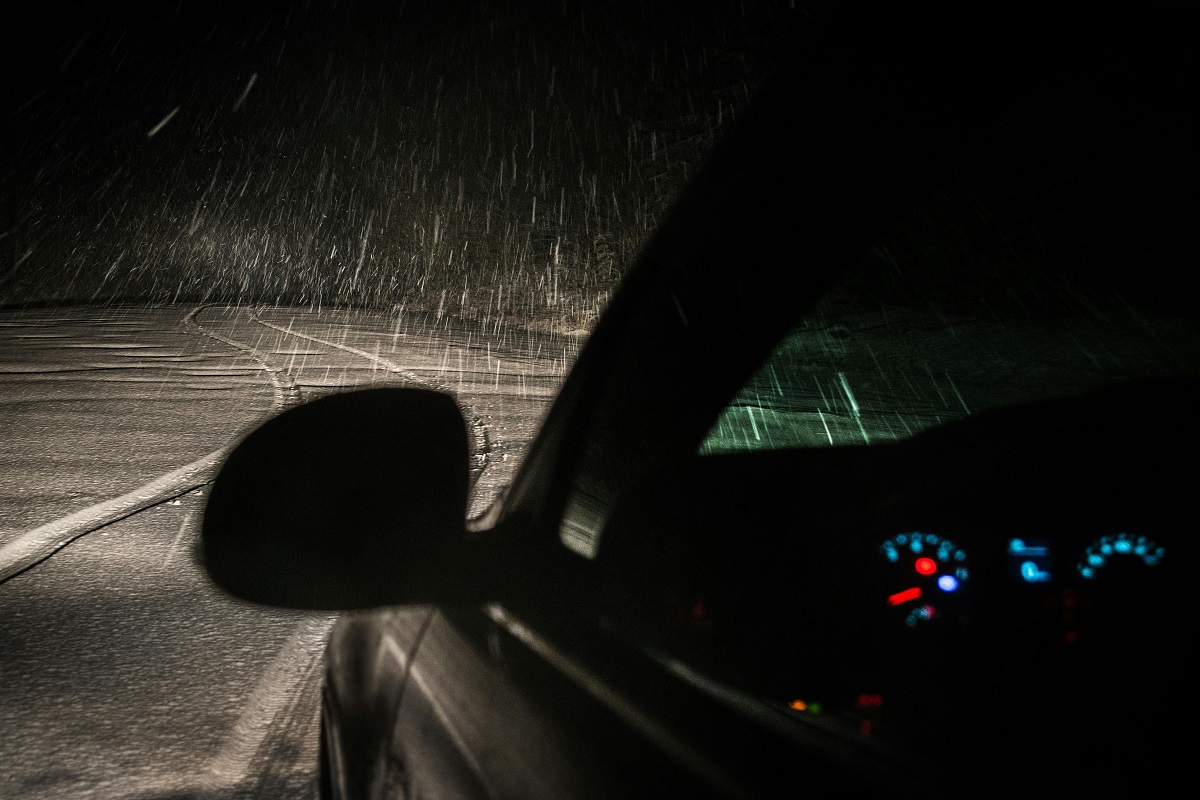
Reduced visibility at night makes it harder to see hazards like sharp turns, animals, or stalled vehicles. Driving a bit slower gives you a crucial time advantage to react to the unexpected and prevents high-speed surprises. This slower pace improves control and reduces the severity of accidents, especially on unfamiliar or rural roads.
Related: 11 Reasons Massaging Seats And Smart Climate Control Are Blowing Up Right Now
Keep Headlights Properly Aligned
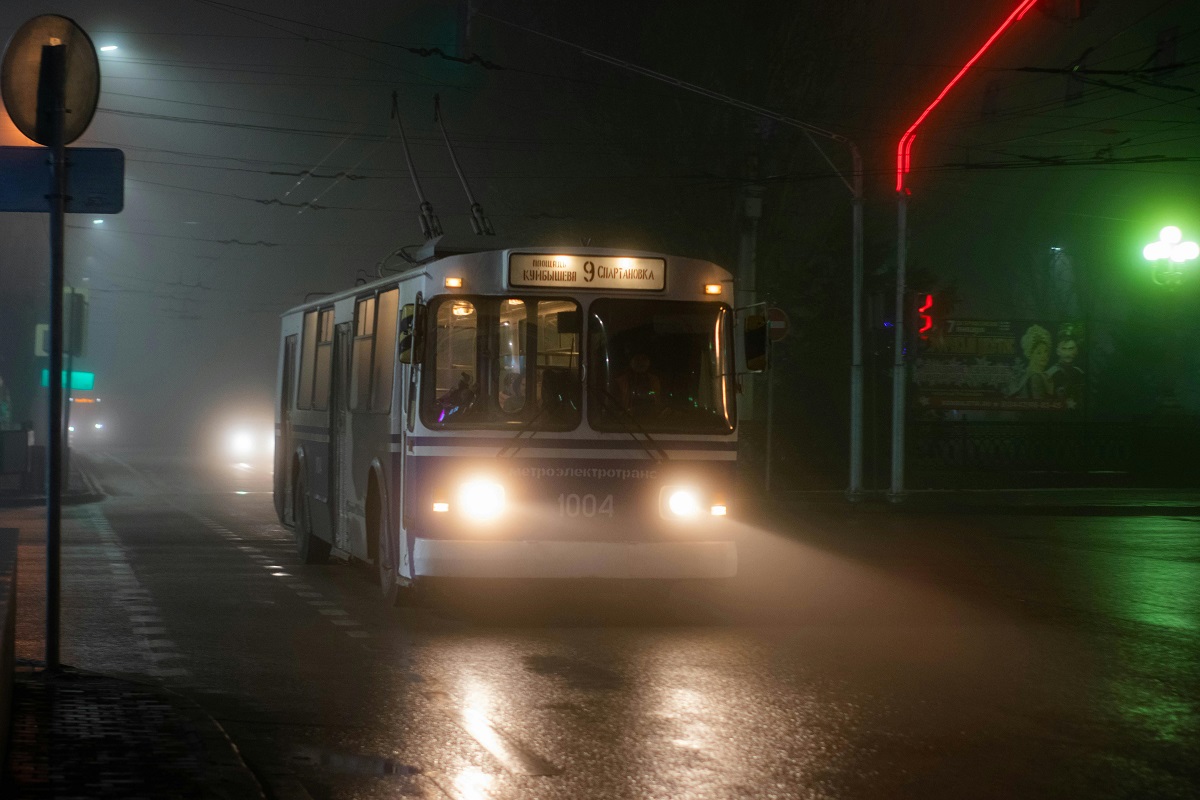
When headlights are misaligned, they either fail to light up the road effectively or dazzle other drivers. Periodic adjustments—especially after hitting potholes or making repairs- help ensure your beam pattern is wide, balanced, and bright. Proper alignment not only boosts your vision but also contributes to safer roads for everyone.
Related: 12 Reasons Why More Drivers Are Choosing All Wheel Drive Over Rear Wheel Drive
Use High Beams When Appropriate
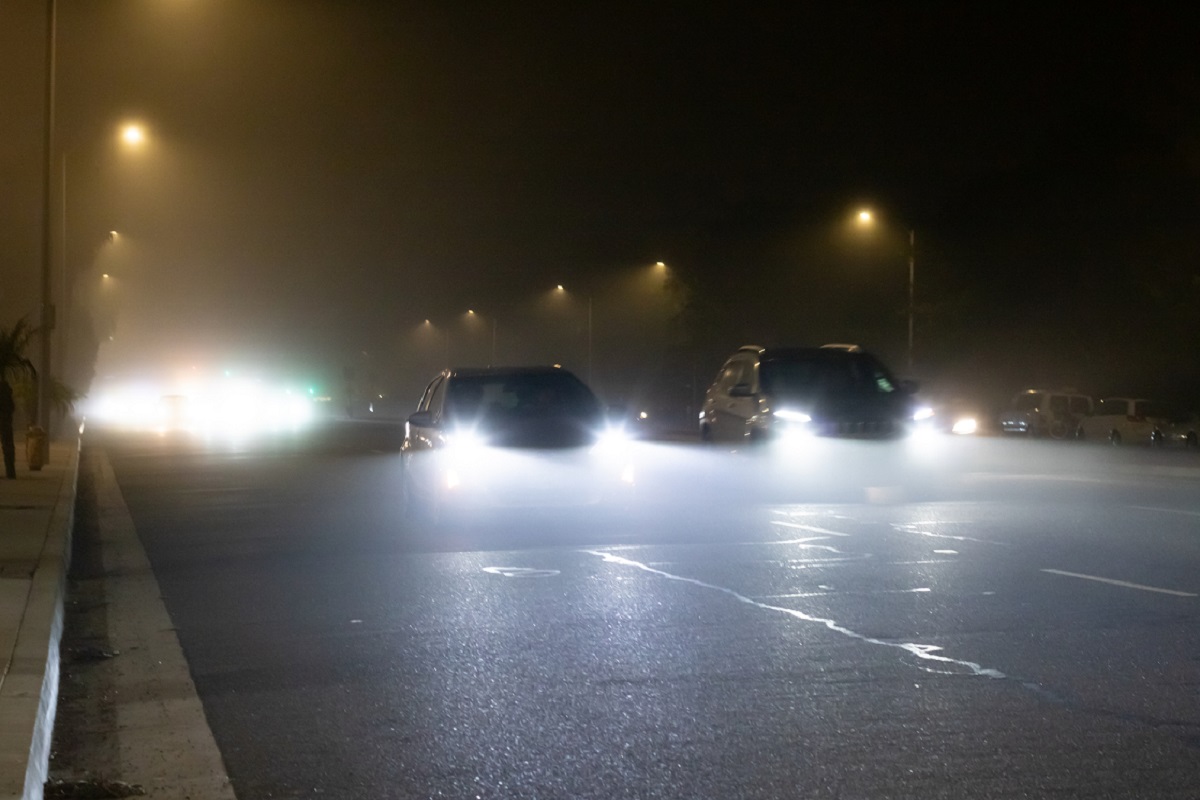
High beams are a powerful tool on empty roads, giving you advanced visibility to detect faraway objects and hazards. But using them irresponsibly can be blind to oncoming drivers, which is both dangerous and inconsiderate. Mastering when to switch between high and low beams helps you see more clearly while keeping fellow drivers safe.
Related: 12 Stunning Breakthroughs In Synthetic Fuels That Could Shake Up The Auto Industry
Watch for Wildlife, Especially in Forested Areas

Many animals, especially deer, become more active during night hours and often cross roads in poorly lit areas. Keeping your speed down in zones marked for wildlife and scanning both sides of the road can prevent tragic collisions. Reflective eyes, rustling sounds, and warning signs should all be taken seriously during night drives.
Related: 13 Insane Ways Remote Work Is Turning Cars Into Mobile Offices
Stay in the Center Lane on Highways When Possible

The center lane often strikes the best balance between safety and steady flow, minimizing sudden merges or unexpected obstacles from roadside areas. Staying centered also improves your reaction time to hazards and avoids the distractions of vehicles entering and exiting. It’s a subtle shift in driving strategy that can make long night drives smoother and safer.
Related: 13 Reasons Young Drivers Are Ditching New Cars For Vintage Rides
Maintain a Greater Following Distance

Night driving distorts depth perception, making it harder to judge how close you are to the car ahead. A wider gap gives you more buffer time to stop or react, particularly if the driver in front brakes suddenly. This extra space becomes a safety net, especially during sudden turns, fog, or wildlife crossings.
Related: 14 Ways Social Media Is Changing How You Buy Cars
Avoid Looking Directly at Oncoming Headlights
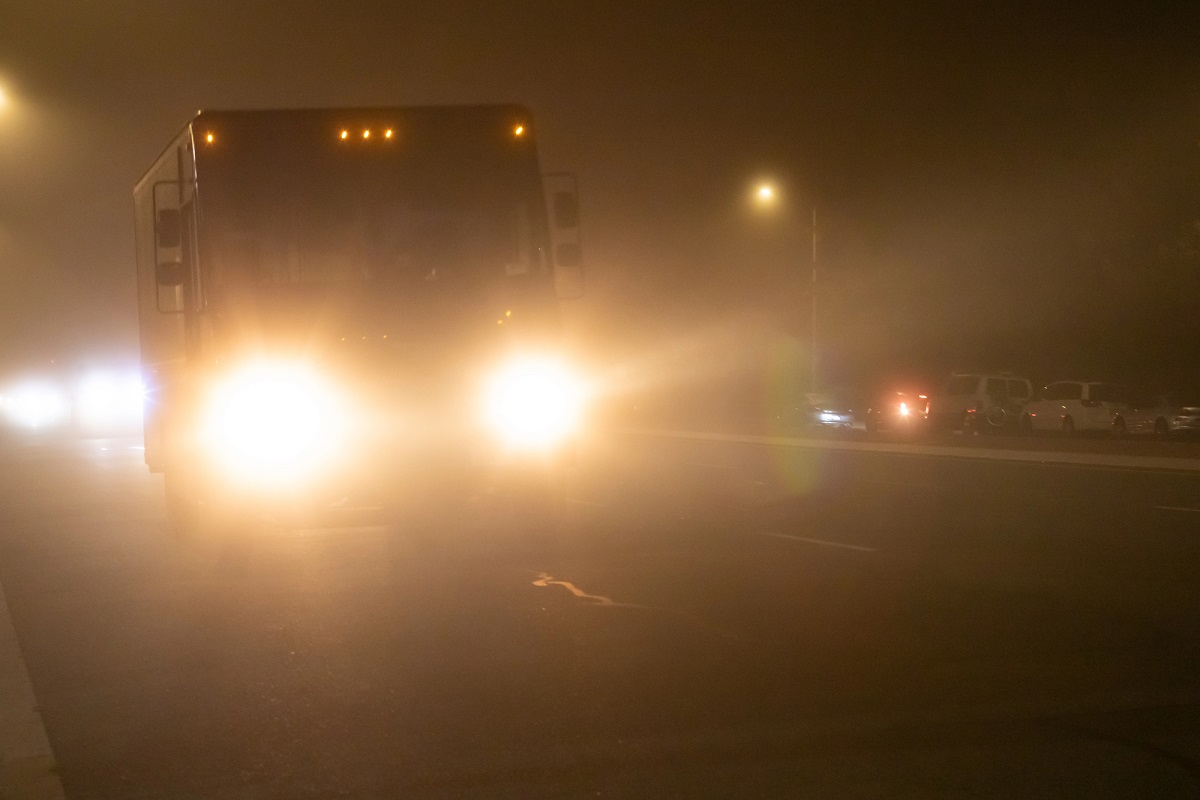
Bright headlights from oncoming vehicles can briefly impair your vision and cause discomfort or even disorientation. Training your eyes to glance toward the road’s right edge helps you stay in your lane and regain visual clarity faster. This technique reduces eye fatigue and prevents accidental drifting during long nighttime trips.
Related: 13 Game-Changing Driver-Assistance Features That Are Saving Lives On The Road
Stay Well-Hydrated and Snack Strategically

Hydration helps keep your brain alert, your eyes from drying out, and your energy from crashing. Pairing water with nutritious, protein-rich snacks can fend off fatigue better than sugary treats that spike and crash. Good in-car snacks like trail mix or granola bars support stamina for extended nighttime drives.
Related: 12 Genius Reasons Rear Seat Passenger Detection Is Now A Must-Have
Program Your Route in Advance

Fumbling with your GPS or smartphone while driving at night is risky and can easily distract you at critical moments. Preloading your destination and enabling voice guidance lets you focus on the road while still staying on track. Having a planned route reduces stress and eliminates the need for sudden, dangerous turns.
Related: 11 Anti-Theft Features That Could Save Your Car From Being Stolen
Driving at night offers a unique kind of peace and beauty, but it also requires extra caution and preparation. By practicing these habits, you reduce the risks that come with limited visibility and increased fatigue. Whether it’s your first night road trip or your hundredth, there’s always room to improve how safely and smoothly you travel. With the right essentials and awareness, scenic escapes can become unforgettable experiences. So, buckle up, stay alert, and enjoy the open road under the stars.
Disclaimer: This list is solely the author’s opinion based on research and publicly available information.
Packing For A Motorcycle Road Trip? Don’t Leave Without These Essentials

A motorcycle road trip offers freedom, adventure, and an unmatched sense of connection to the open road. However, proper preparation is crucial to ensure a smooth and safe journey. Packing the right essentials can make the difference between an enjoyable ride and a stressful experience. From safety gear to emergency tools, knowing what to bring will enhance your comfort and security on the road. This guide covers 12 must-have items that no rider should leave home without.
Read it here: Packing For A Motorcycle Road Trip? Don’t Leave Without These Essentials
These 10 Scenic Spring Road Trips Will Blow Your Mind

Spring is the perfect season to hit the open road and experience breathtaking landscapes in full bloom. From coastal highways to mountain passes, the season’s mild temperatures and vibrant scenery create an unforgettable journey. Whether you crave the tranquility of nature or the excitement of charming small towns, spring road trips offer something for everyone. Driving through these picturesque routes allows travelers to soak in natural beauty, enjoy local attractions, and create lasting memories.
Read it here: These 10 Scenic Spring Road Trips Will Blow Your Mind
The Essential Spring Break Road Trip Checklist Every Driver Needs

Spring break road trips are a great way to explore new destinations, enjoy the open road, and make lasting memories. However, without proper preparation, a fun adventure can quickly turn into a stressful experience. From vehicle maintenance to packing essentials, every driver must be well-prepared to ensure a smooth and hassle-free trip. By following this ultimate checklist, you can focus on enjoying the journey while minimizing potential roadblocks. Here are essential things every driver needs to check before embarking on a spring break road trip.
Read it here: The Essential Spring Break Road Trip Checklist Every Driver Needs
You’ll love these related posts: